3.9
(61)
1,048
달리기 하는 사람
106
러닝
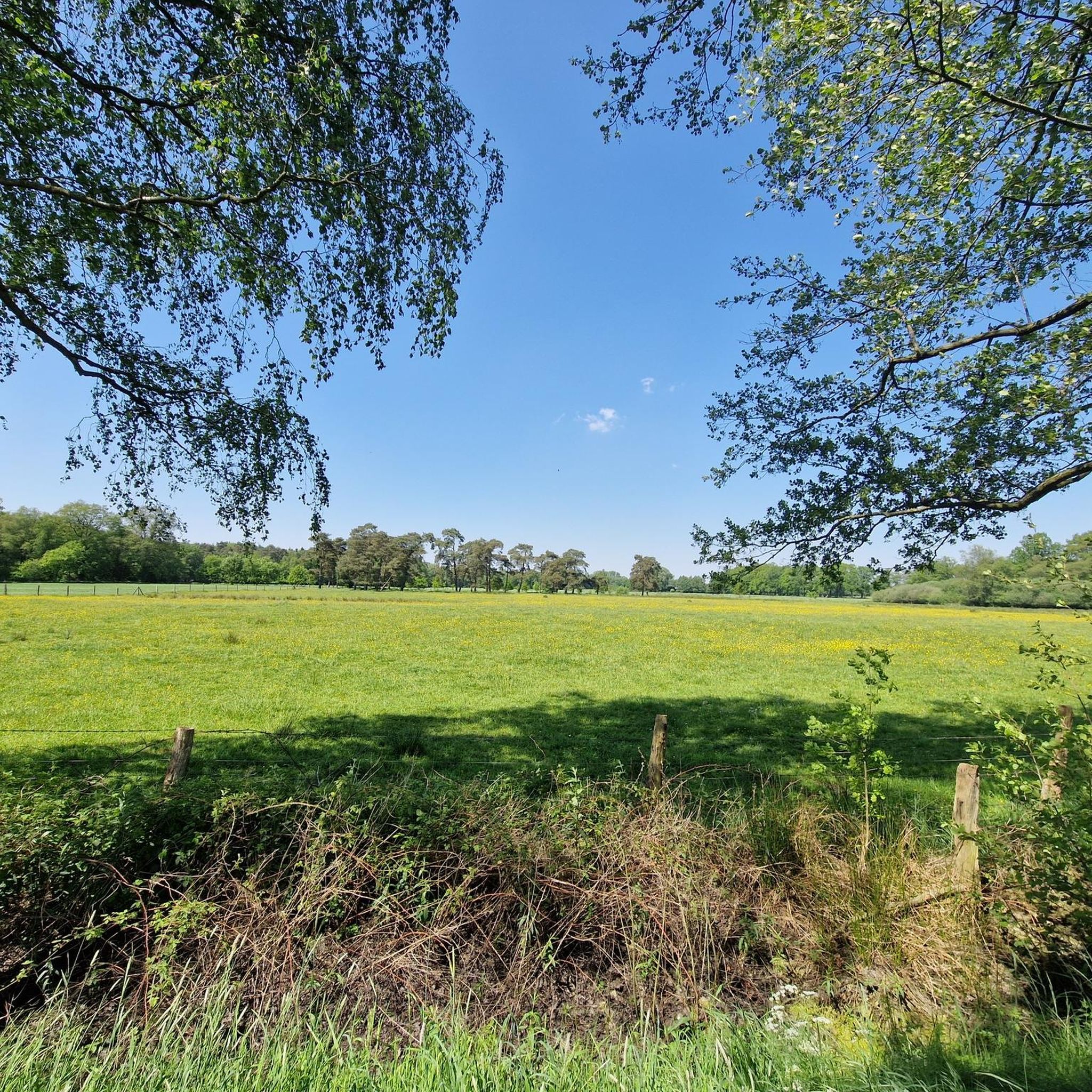
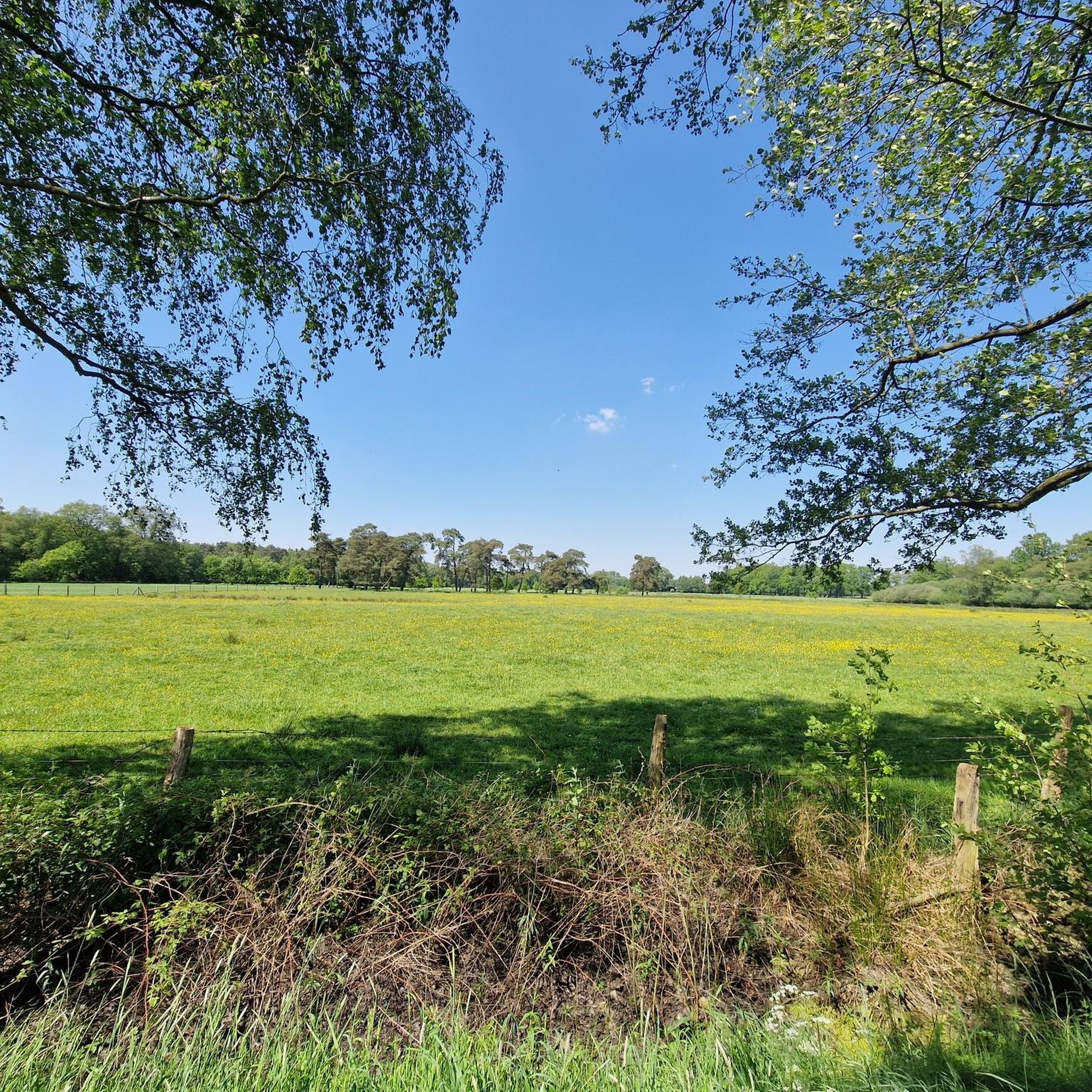
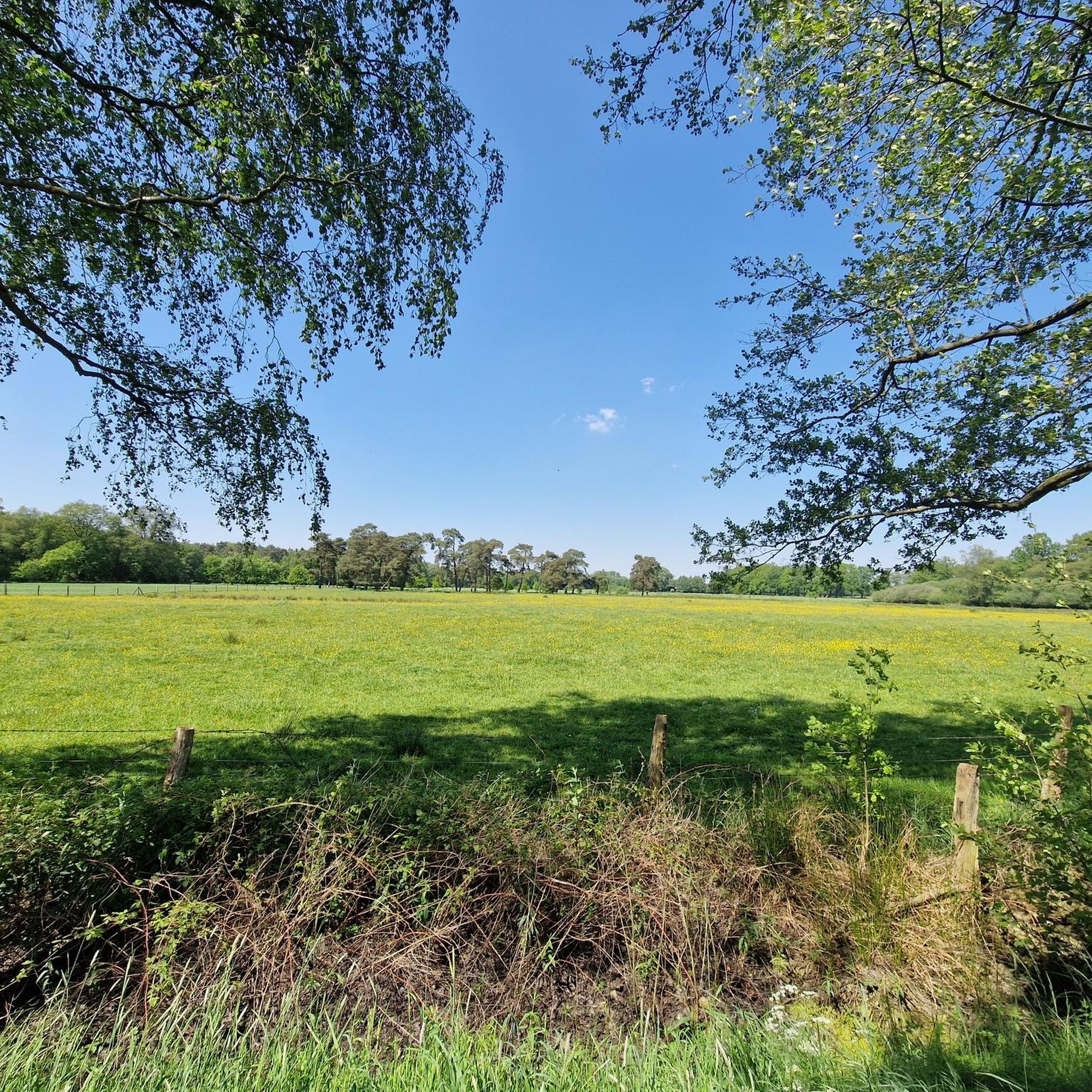
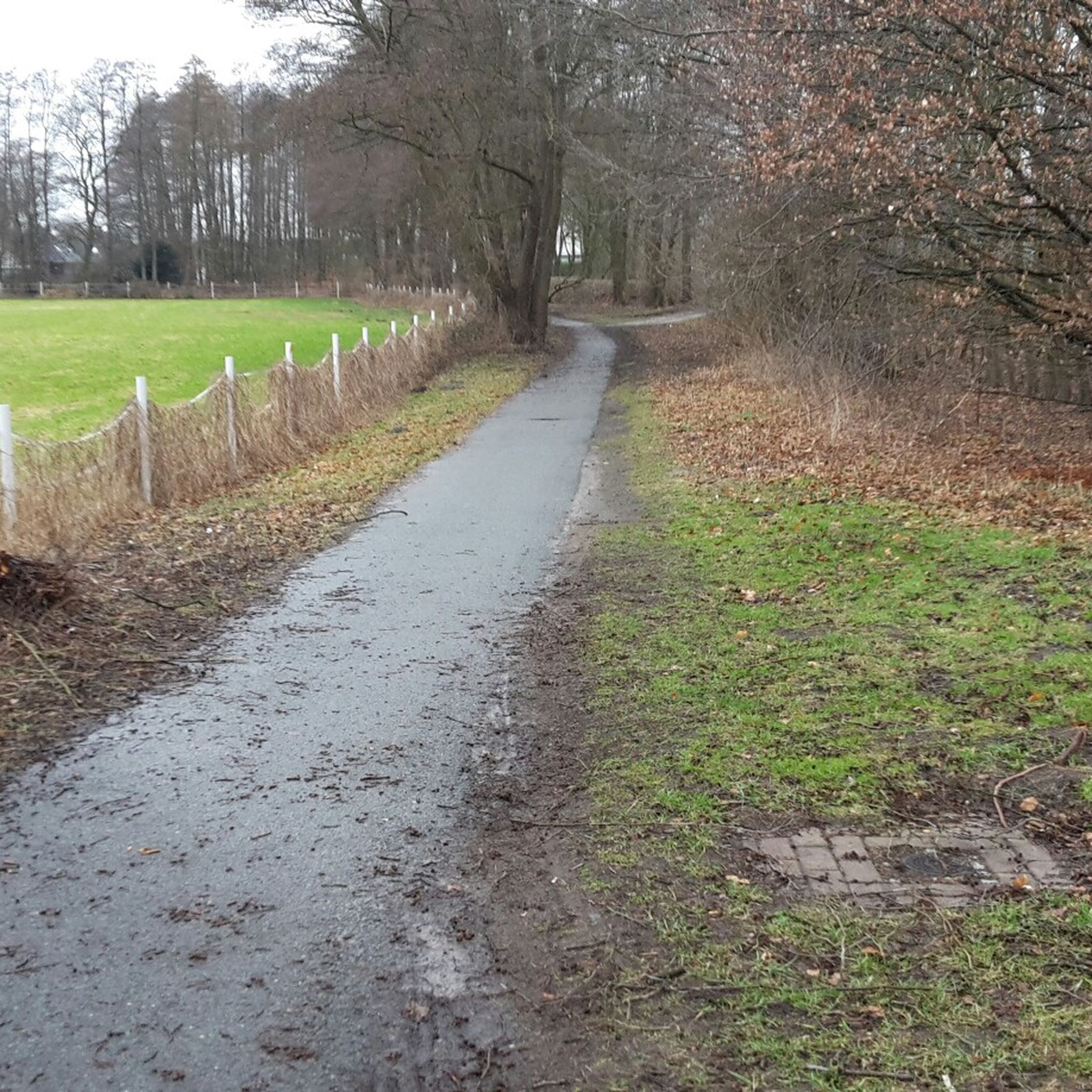
Dinklage 주변 조깅은 주로 Dinklager Burgwald를 중심으로 야외 활동을 위한 쾌적한 환경을 제공합니다. 이 지역은 숲, 초원, 잔디밭이 혼합되어 있어 다양한 달리기 경로를 제공합니다. 길은 포장된 표면과 접근 가능한 표면을 결합하여 다양한 체력 수준과 선호도를 수용합니다. 많은 트레일에는 Burg Dinklage Abbey 및 Wasserburg Dinklage와 같은 역사 유적지가 통합되어 문화적 관심 지점으로 경험을 향상시킵니다.
마지막 업데이트: 8월 21, 2026
4.7
(11)
190
달리기 하는 사람
10.3km
01:10
10m
10m
보통 조깅. 좋은 체력 필요. 대부분 포장된 지면. 실력과 관계없이 누구나 갈 수 있음.
33
달리기 하는 사람
5.93km
00:37
10m
10m
보통 조깅. 좋은 체력 필요. 대부분 포장된 지면. 실력과 관계없이 누구나 갈 수 있음.

무료 회원 가입
4.0
(1)
33
달리기 하는 사람
2.83km
00:20
0m
0m
초급용 러닝. 모든 체력 수준에 적합. 대부분 포장된 지면. 실력과 관계없이 누구나 갈 수 있음.
2.0
(1)
23
달리기 하는 사람
9.54km
01:00
10m
10m
보통 조깅. 좋은 체력 필요. 대부분 포장된 지면. 실력과 관계없이 누구나 갈 수 있음.
4.0
(1)
20
달리기 하는 사람
5.88km
00:42
10m
10m
보통 조깅. 좋은 체력 필요. 대부분 포장된 지면. 실력과 관계없이 누구나 갈 수 있음.
더 다양한 경로와 다른 탐험가들의 추천을 살펴보세요.
무료 회원 가입
이미 komoot 계정이 있나요?
투어 추천은 다른 사람들이 komoot에서 완료한 수천 개의 활동을 바탕으로 구성되어 있습니다.
오늘 무료 계정으로 시작하세요
다음 모험이 기다리고 있어요.
로그인 또는 가입하기
The Burgwald Dinklage is a cultural landscape area in Dinklage, in the district of Vechta, Lower Saxony. It comprises a wooded area that begins west of the town center and extends eastward to the A1 motorway. The motorway runs along the eastern edge of the Burgwald, within the municipality of Lohne. Burgwald Dinklage is also the name of a nature reserve established in 2017.
0
0
Dinklage Castle Abbey (St. Scholastica Abbey) is the name of a Benedictine nunnery. It is located within Dinklage Castle in Dinklage, Vechta district, in the Oldenburg Münsterland region of Lower Saxony. The abbey is named after Saint Scholastica, sister of Saint Benedict of Nursia. The monastery is situated in Dinklage Castle, a moated castle that was owned by the Westphalian noble family von Galen until 1949. Clemens August Count von Galen (1878–1946), later Bishop and Cardinal of Münster, was born in the castle and was beatified by Pope Benedict XVI on October 9, 2005. Since 1983, the castle has been located within the "Dinklage Castle" landscape conservation area.[1] In 2017, the Burgwald Dinklage nature reserve, within which the castle is nestled, was removed from this area.
0
0
History of the Mill Until the construction of the Schwege Mill, the only mills in the Dinklage area were the count's watermill at Dinklage Castle, built in 1460 and renovated in 1730, and the count's post mill in Bünne, built in 1628, which was replaced in 1688 by a gallery windmill "Auf dem Hövel." Later, the mill was called "Holthaus Mill." 1848–1849: Construction of the Schwege Mill by Böckmann and Schulte on Schulte's property in Schwege. (Zeller = term for the owner of a farm (full-time farm) in the Oldenburg Münsterland region) The sons of mill co-owner Böckmann were the first millers at the mill. Hence the name "Bäukn's Mill." In 1864, Bernhard Wehebrink leased the mill. The leasehold lasted until 1964. It also included a small farm and outbuildings. A rye bread bakery was built on the mill grounds between 1870 and 1871. Rye bread was baked there until the 1950s. Around 1880, Bernhard Wehebrink built a motor mill next to the windmill, initially powered by a steam engine. Later, he installed a diesel engine and then an electric motor. Millstones continued to be used for grinding the grain. The motor mill was demolished around 1970. Bernhard Wehebrink died in 1913 at the age of 80. His son, Heinrich Wehebrink, took over the mill. In 1914, the millstones fell silent. A severe storm destroyed two sails. New ones were ordered and cut to size, but they were never installed after the end of World War I. Milling operations continued with the motor mill. In 1925, lightning struck the remaining sails and set them ablaze. Afterward, the mill began to fall into disrepair. When the Schulte and Böckmann families, the owners, planned to demolish the mill in the early 1960s, Josef Hürkamp, then chairman of the Dinklage Local History Society, campaigned for its preservation. Unlike many mill ruins in the Vechta district, the interior of the Schweger Mill was still almost completely intact and only slightly damaged. The mill's owners agreed to lease it to the town of Dinklage. That same year, the town of Dinklage commissioned the Local History Society to care for and maintain the mill. Renovation began in 1962, initially with the installation of new sails, a new gallery, the re-shingling of the octagonal structure, and the replacement of the wind beam. To this day, numerous further preservation measures have been undertaken to ensure the continued existence and functionality of the Schweger Mill. After Josef Hürkamp, Josef Vodde, Gerd Gehlenborg, and Paul Arlingshaus took charge of preserving the mill. Since 2004, maintenance work and other activities related to the mill have been shared among the many members of the Friends of the Mill association. In 1964, the Schweger Mill was designated a historical monument. In 1967/68, a horse-powered mill building was erected on the mill grounds. It is used as a meeting room and for events. In the following years, the old bakehouse was also renovated. In 2006/2007, the Klöönhus (a small building) was constructed. This building houses a kitchen and three restrooms, one of which is accessible for people with disabilities.
0
0
Memorial plaque for stuntmen who obviously let the reins of their pedal horse fly too far at this point😉.
1
0
다른 지역의 최고의 러닝 트레일 & 경로를 살펴보세요.