누페넨 최고의 MTB 라이딩 경로
4.4
(179)
1,283
자전거 타는 사람
44
라이딩
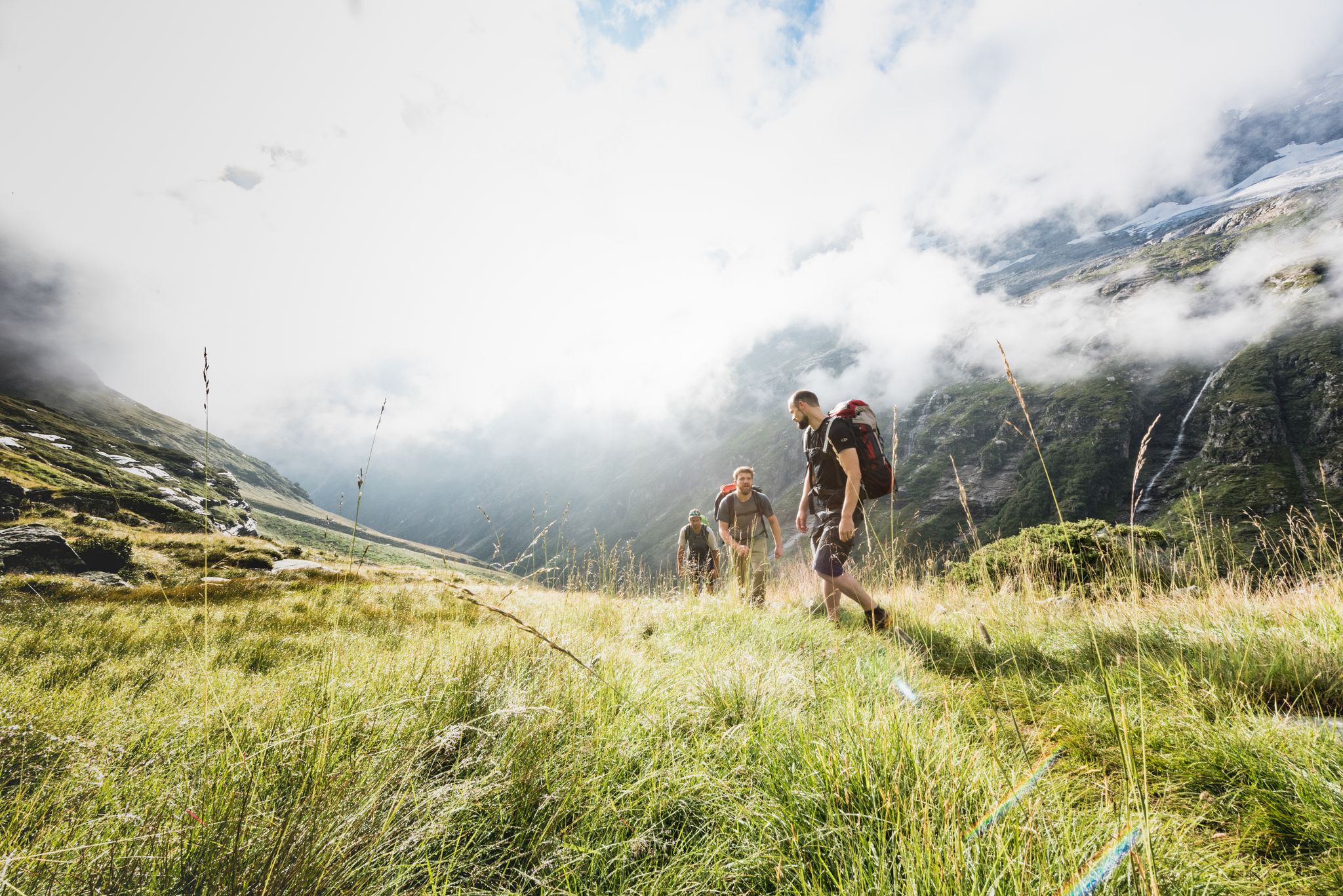
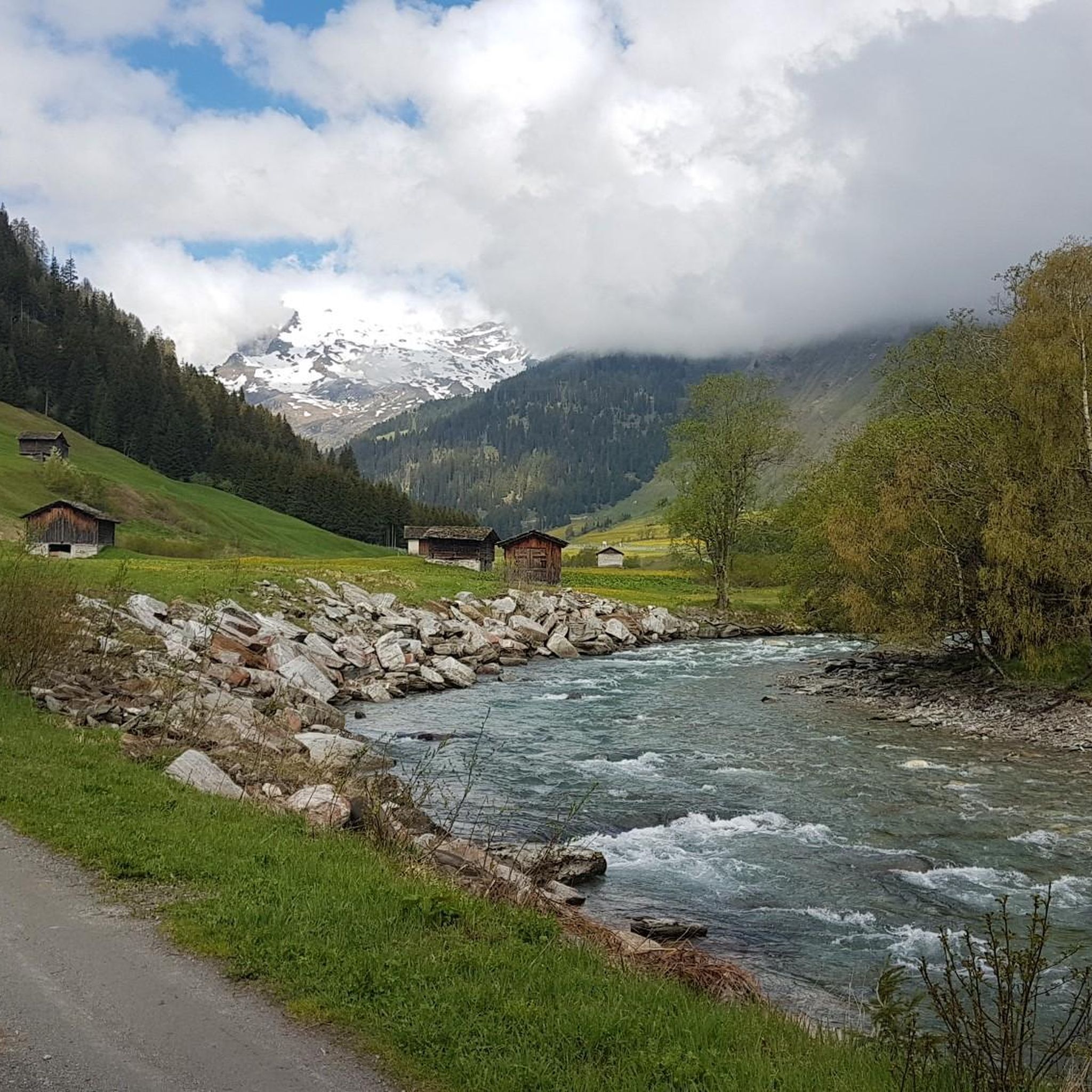
Nufenen 주변의 산악자전거는 스위스 알프스의 중심부에서 다양한 알프스 풍경을 제공합니다. 이 지역은 고산 초원, 거친 암석 지대, 고요한 숲이 우거진 지역을 가로지르는 도전적인 트레일을 특징으로 합니다. 해발 2,478미터(8,130피트)로 스위스에서 가장 높은 알프스 고개인 누페넨 고개는 극적인 배경을 제공하며 중요한 내리막길의 출발점 역할을 합니다. 이 지역은 다양한 지형으로 유명한 "St. Gotthard Bike Labyrinth"의 일부입니다.
Best mountain bike trails around Nufenen
- 가장 인기 있는 산악자전거 트레일은 Splügen의 Historic Village of Splügen – Ruins of Splügen Castle loop로, 14.0마일(22.6km) 길이이며 완료하는 데…
마지막 업데이트: 10월 8, 2026
4.8
(5)
54
자전거 타는 사람
22.6km
02:22
860m
860m
어려운 산악 자전거 타기. 좋은 체력 필요. 뛰어난 라이딩 실력이 필요함. 투어 중 자전거를 끌고 가야 하는 구간이 있을 수 있음.
4.9
(7)
25
자전거 타는 사람
52.2km
05:41
1,810m
1,810m
어려운 산악 자전거 타기. 우수한 체력 필요. 뛰어난 라이딩 실력이 필요함. 투어 중 자전거를 끌고 가야 하는 구간이 있을 수 있음.

4.9
(8)
51
자전거 타는 사람
23.7km
02:15
870m
870m
어려운 산악 자전거 타기. 좋은 체력 필요. 뛰어난 라이딩 실력이 필요함. 투어 중 자전거를 끌고 가야 하는 구간이 있을 수 있음.
3.8
(5)
28
자전거 타는 사람
14.2km
01:45
670m
670m
어려운 산악 자전거 타기. 좋은 체력 필요. 뛰어난 라이딩 실력이 필요함. 투어 중 자전거를 끌고 가야 하는 구간이 있을 수 있음.
5.0
(9)
45
자전거 타는 사람
36.1km
02:51
660m
660m
어려운 산악 자전거 타기. 좋은 체력 필요. 뛰어난 라이딩 실력이 필요함. 투어 중 자전거를 끌고 가야 하는 구간이 있을 수 있음.
더 다양한 경로와 다른 탐험가들의 추천을 살펴보세요.
이미 komoot 계정이 있나요?
투어 추천은 다른 사람들이 komoot에서 완료한 수천 개의 활동을 바탕으로 구성되어 있습니다.
오늘 무료 계정으로 시작하세요
다음 모험이 기다리고 있어요.

커뮤니티 팁


Hotel Bodenhaus, Splügen in the Rheinwald The Bodenhaus has been the solitaire of Splügen since it was built in 1722. The building originally served as a storage room for transported goods, contained the post office and offered accommodation and food for travelers. In 1822 the Bodenhaus was converted into a comfortable hotel. The guest books contain famous names such as: Albert Einstein, Friedrich Nietzsche, Wilhelm Conrad Röntgen, William Turner, Napoleon III and Archduke Ferdinand Maximilian of Austria. Text / Source: Hôtel Bodenhaus, Splügen https://www.hotel-bodenhaus.ch/entdecken#:~:text=Das%20Bodenhaus%20ist%20seit%20seiner,zu%20einem%20komfortablen%20Hotel%20umgebaut.
17
0

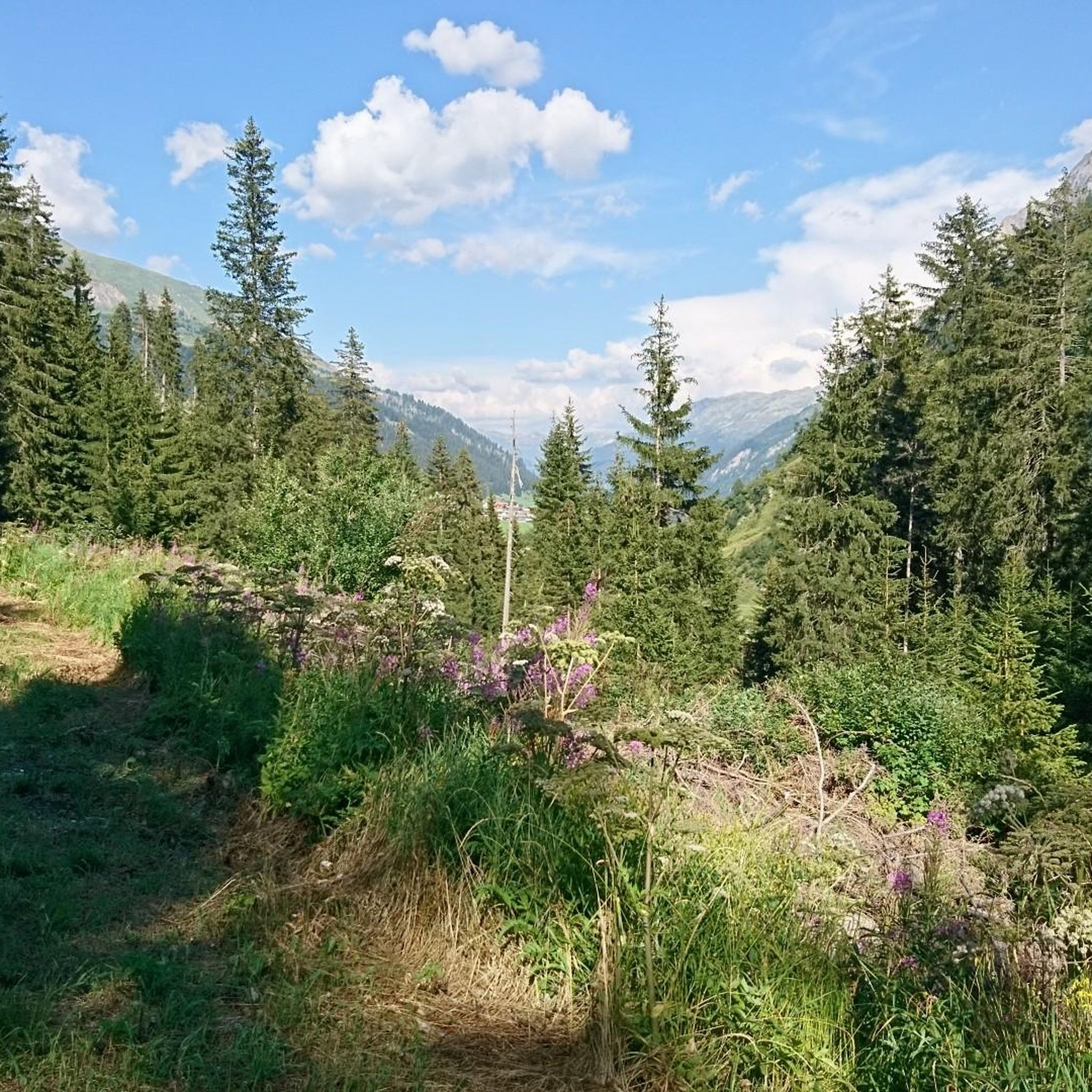
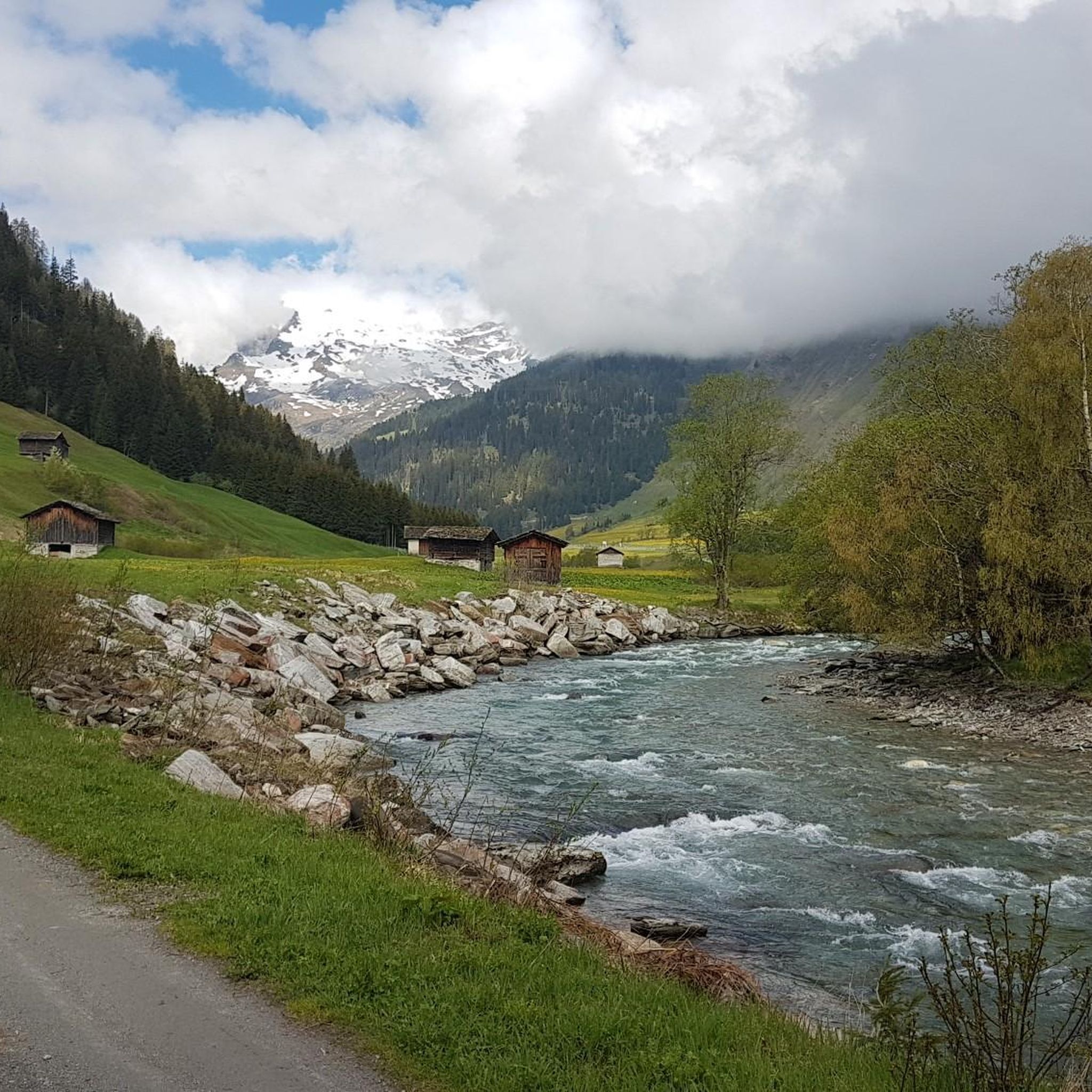
Easily accessible along a dirt road. Impressive view of Pizzo Tambo.
0
0
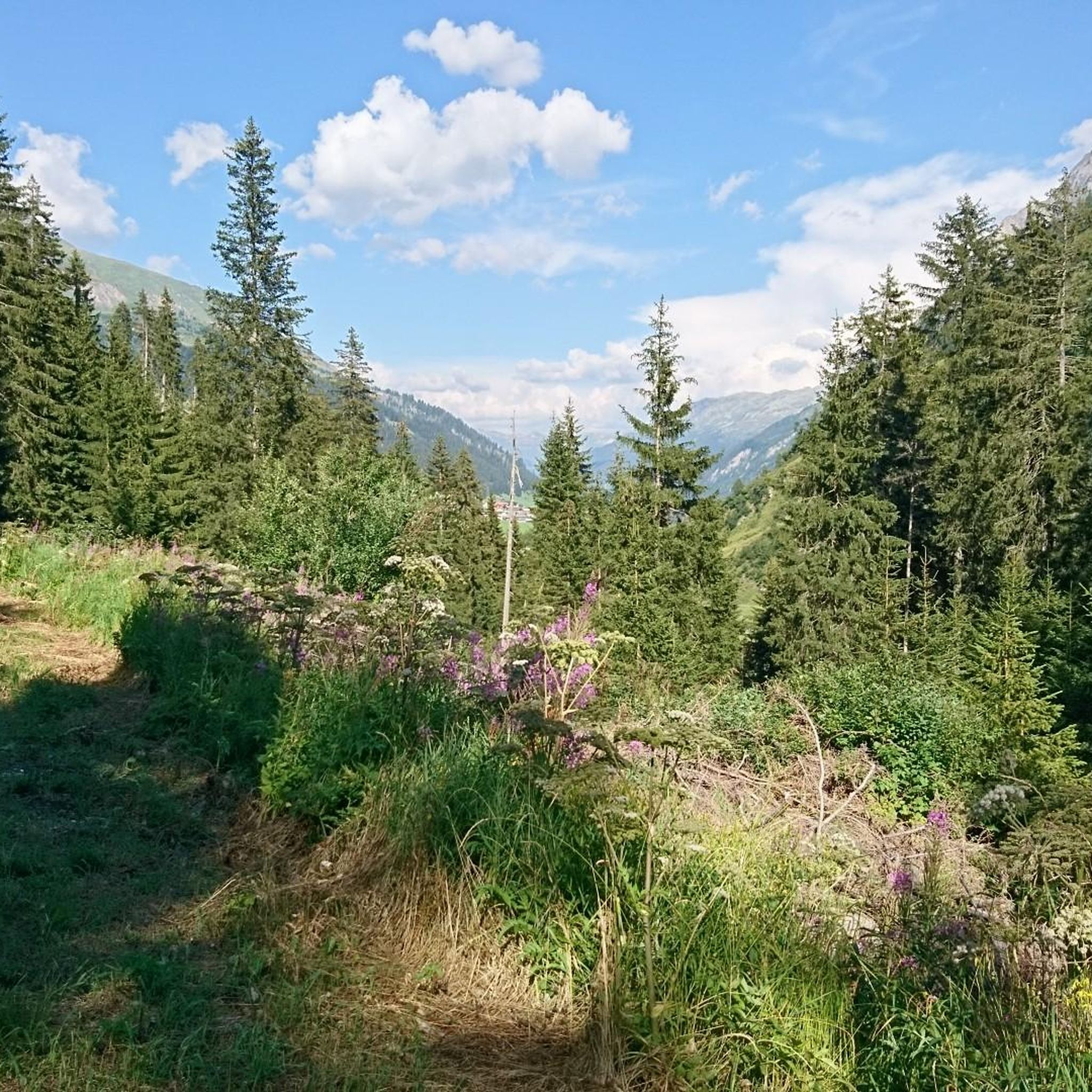
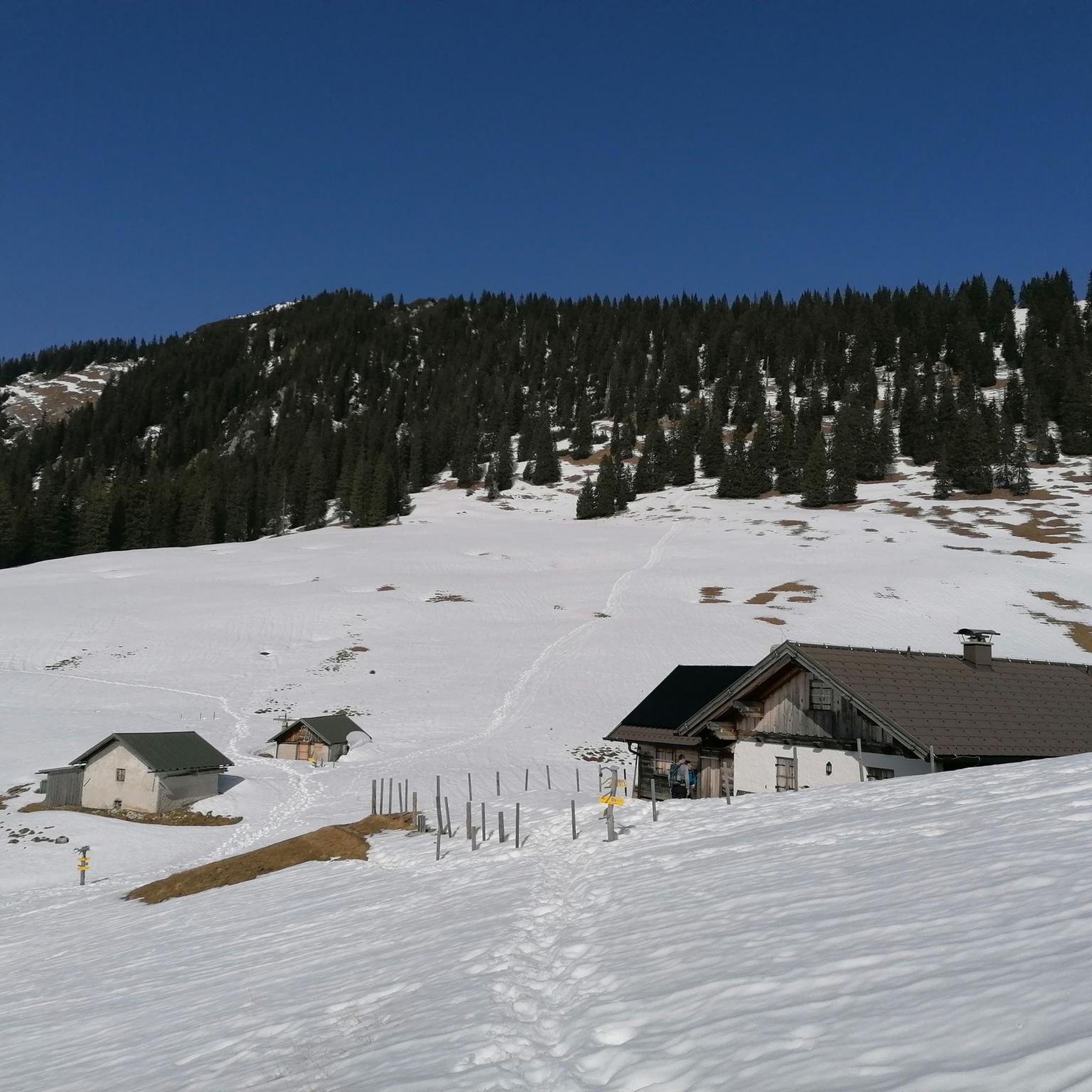
Steep but without difficulty. Here in winter the ski slope descends.
0
0
Montespluga SO Montespluga 산악 마을은 해발 1908m에 위치하며, 발 산 자코모(Val San Giacomo, 발레 스플루가(Valle Spluga)라고도 함) 계곡의 시작 부분에 있으며 스플루겐 고개(Splügen Pass) 정상에서 약 3km 떨어져 있습니다. 이 마을은 물과 목초지가 풍부한 분지에 생겨났으며, 발레 스플루가와 발 로가(Val Loga)가 만나는 곳으로, 피초 탐보(Pizzo Tambo)와 같은 지역의 국경 봉우리 근처에 있습니다. 1927년에는 Montespluga에서 남쪽으로 약 2km 떨어진 곳에 댐이 건설되어 토렌테 리로(Torrente Liro) 강을 막아 마을 아래에 라고 디 몬테스플루가(Lago di Montespluga) 호수를 만들었습니다. 고개 도로에 있는 몇 안 되는 집, 레스토랑, 호텔, 상점과 오래된 세관 건물 "La Casa"가 있는 이 마을은 거의 변하지 않았습니다. 1841년까지 이곳은 스플루겐 고개에 있는 유일한 휴게소이자 유일한 예배 장소인 산 프란체스코 다시시(San Francesco d’Assisi) 예배당이 있었습니다. 후자는 1822년 스플루겐 고개로 가는 새 도로가 완공된 후인 1832년에 축성되었습니다. 이미 1767년에 스위스의 교황 대사였던 루이지 발렌티 곤자가(Luigi Valenti Gonzaga) 추기경이 휴게소에 작은 예배당을 설립할 수 있도록 허가를 부여했습니다. 산 베르나르디노 터널(San Bernardino Tunnel)이 개통된 이후로 겨울에는 고개가 더 이상 개방되지 않습니다. 세 개의 거리(Via Dogana, Via Ferrè, Via Val Loga)로 구성된 이 마을은 이탈리아와 스위스 모두에서 고립될 수 있습니다. Montespluga는 주변 산의 수많은 하이킹, 등산 및 스키 투어 목적지로 가는 출발점이며, 국경을 넘는 장거리 하이킹 코스인 비아 스플루가(Via Spluga)의 경유지입니다. 텍스트 / 출처: wikipedia.org https://de.wikipedia.org/wiki/Montespluga
11
0
누페넨 주변에서 가장 인기 있는 경로


더 살펴보기
다른 지역의 최고의 MTB 트레일를 살펴보세요.
