스플뤼겐 최고의 MTB 라이딩 경로
4.4
(225)
1,441
자전거 타는 사람
12
라이딩
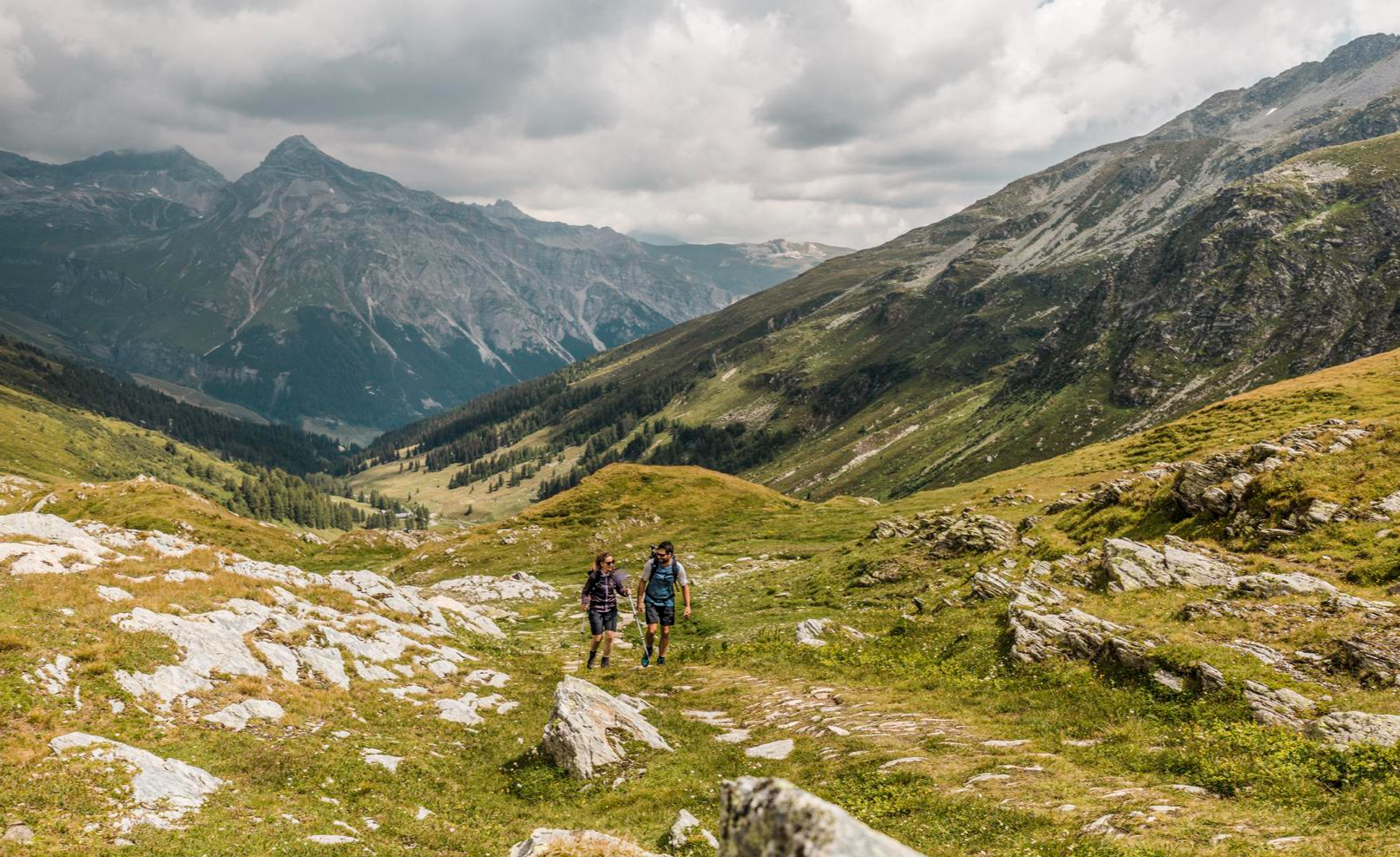
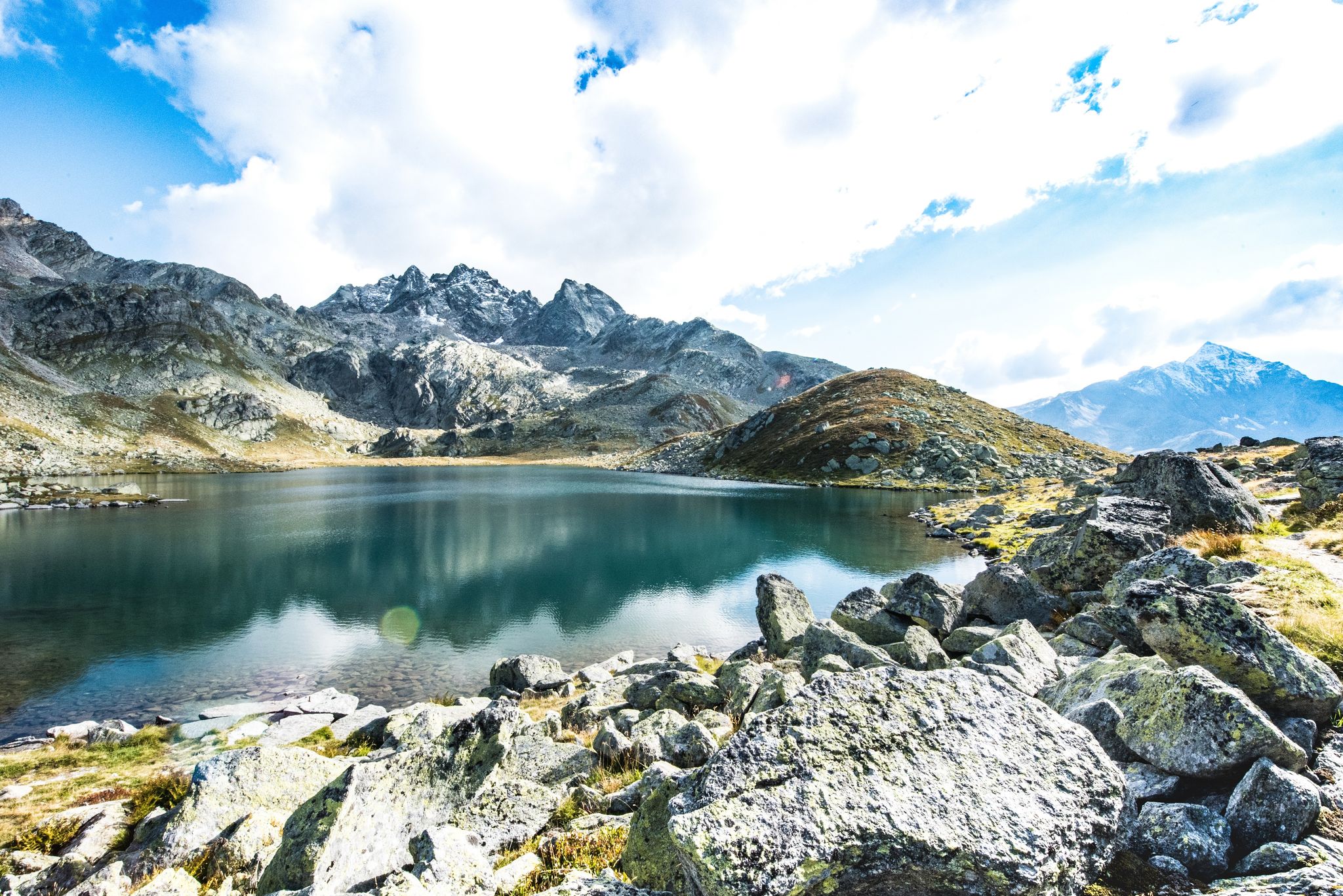
산악자전거를 타고 슈플뤼겐 주변을 탐험하면 스위스 그라우뷘덴주의 다양하고 도전적인 지형을 경험할 수 있습니다. 이 지역은 해발 2,117미터에 위치한 역사적인 슈플뤼겐 고개와 피초 탐보, 슈레타호른과 같은 웅장한 봉우리들로 둘러싸인 극적인 알프스 풍경이 특징입니다. 비아말라 협곡과 로플라 협곡 같은 깊은 자연의 경이로움과 고요한 힌터라인 계곡, 그림 같은 산악 호수들이 이 지역의 지형을 정의합니다. 이러한 환경은 다양한 기술 수준에 맞는 상당한 고도 상승을 제공하는 트레일 네트워크를 제공합니다.
슈플뤼겐 주변 최고의 산악자전거 트레일
- 가장 인기 있는 산악자전거 트레일은 슈플뤼겐 역사 마을 – 슈플뤼겐 성…
마지막 업데이트: 10월 8, 2026
4.8
(5)
54
자전거 타는 사람
22.6km
02:22
860m
860m
어려운 산악 자전거 타기. 좋은 체력 필요. 뛰어난 라이딩 실력이 필요함. 투어 중 자전거를 끌고 가야 하는 구간이 있을 수 있음.
4.9
(7)
25
자전거 타는 사람
52.2km
05:41
1,810m
1,810m
어려운 산악 자전거 타기. 우수한 체력 필요. 뛰어난 라이딩 실력이 필요함. 투어 중 자전거를 끌고 가야 하는 구간이 있을 수 있음.

4.9
(8)
51
자전거 타는 사람
23.7km
02:15
870m
870m
어려운 산악 자전거 타기. 좋은 체력 필요. 뛰어난 라이딩 실력이 필요함. 투어 중 자전거를 끌고 가야 하는 구간이 있을 수 있음.
3.8
(5)
28
자전거 타는 사람
14.2km
01:45
670m
670m
어려운 산악 자전거 타기. 좋은 체력 필요. 뛰어난 라이딩 실력이 필요함. 투어 중 자전거를 끌고 가야 하는 구간이 있을 수 있음.
4.7
(3)
38
자전거 타는 사람
18.2km
01:41
650m
650m
어려운 산악 자전거 타기. 좋은 체력 필요. 뛰어난 라이딩 실력이 필요함. 투어 중 자전거를 끌고 가야 하는 구간이 있을 수 있음.
더 다양한 경로와 다른 탐험가들의 추천을 살펴보세요.
이미 komoot 계정이 있나요?
투어 추천은 다른 사람들이 komoot에서 완료한 수천 개의 활동을 바탕으로 구성되어 있습니다.
오늘 무료 계정으로 시작하세요
다음 모험이 기다리고 있어요.
스플뤼겐 주변 인기 장소
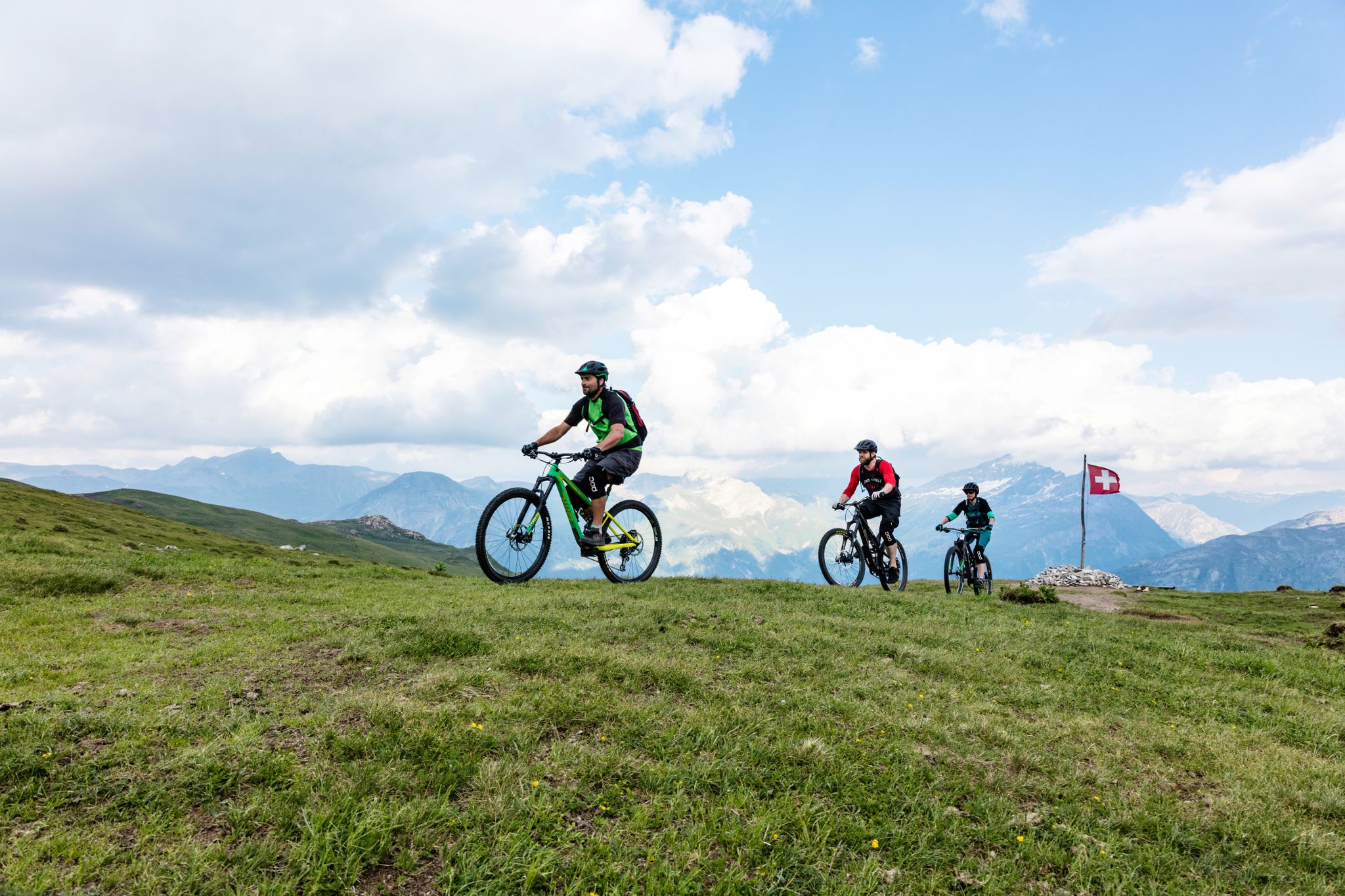
Destination Viamala – discover Switzerland’s best nature by bicycle
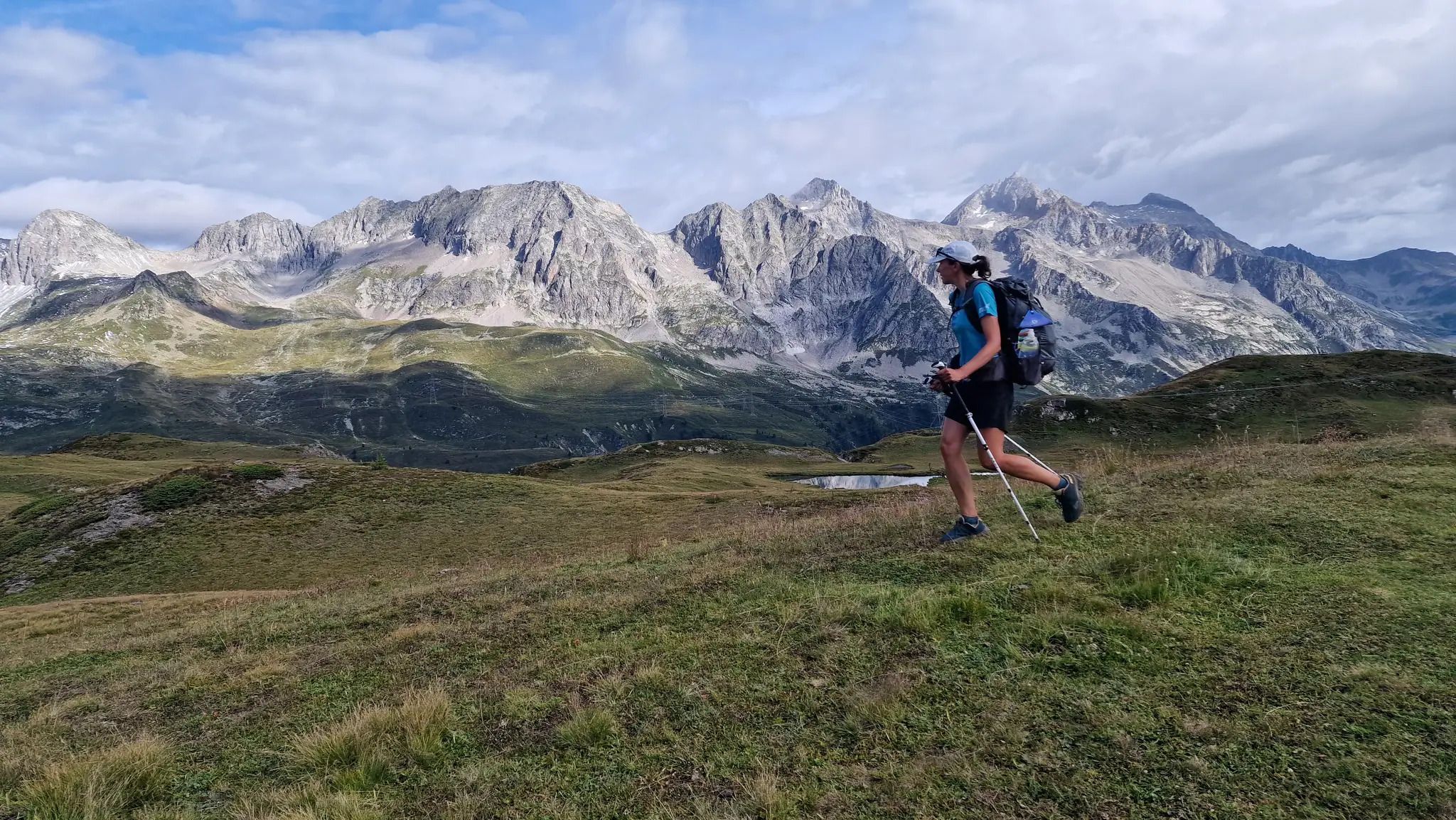
Alpejski Passes Trail - 완로이 대리스타일 아습니다.
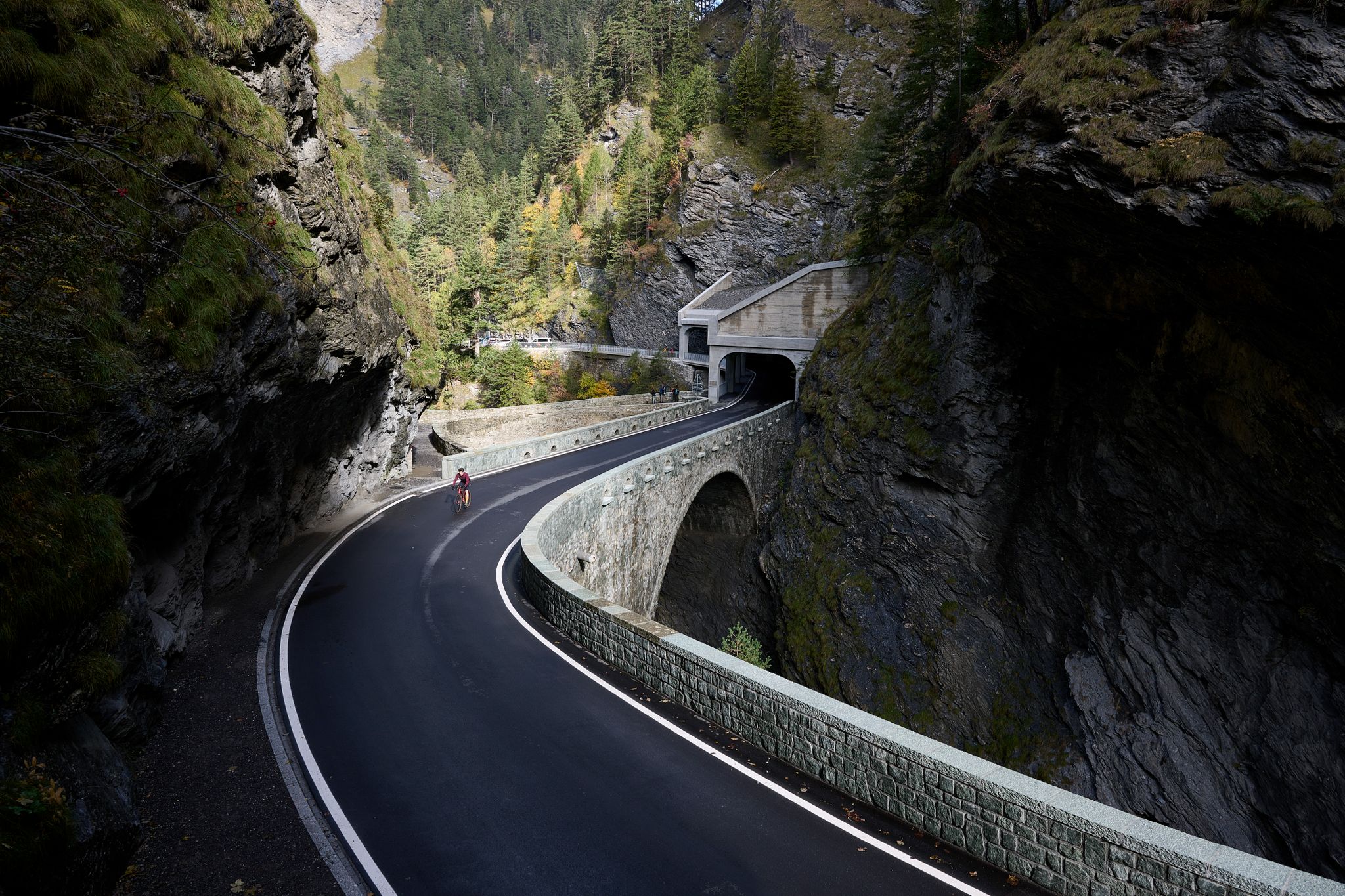
Gravel bike experiences in Viamala: Between gorges, passes, and castles
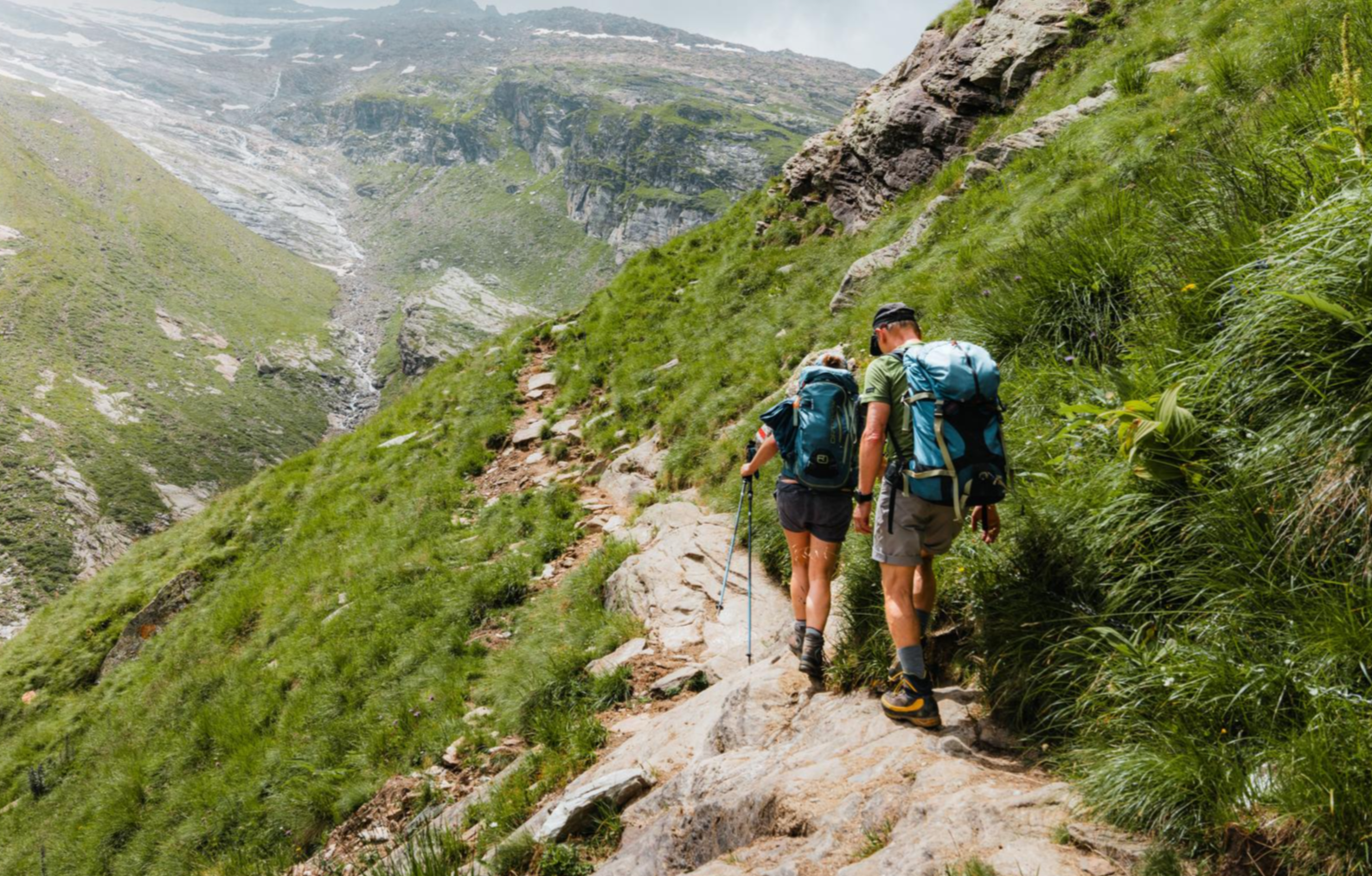
Mountain worlds and gorge magic – adventure hikes in the Viamala Region
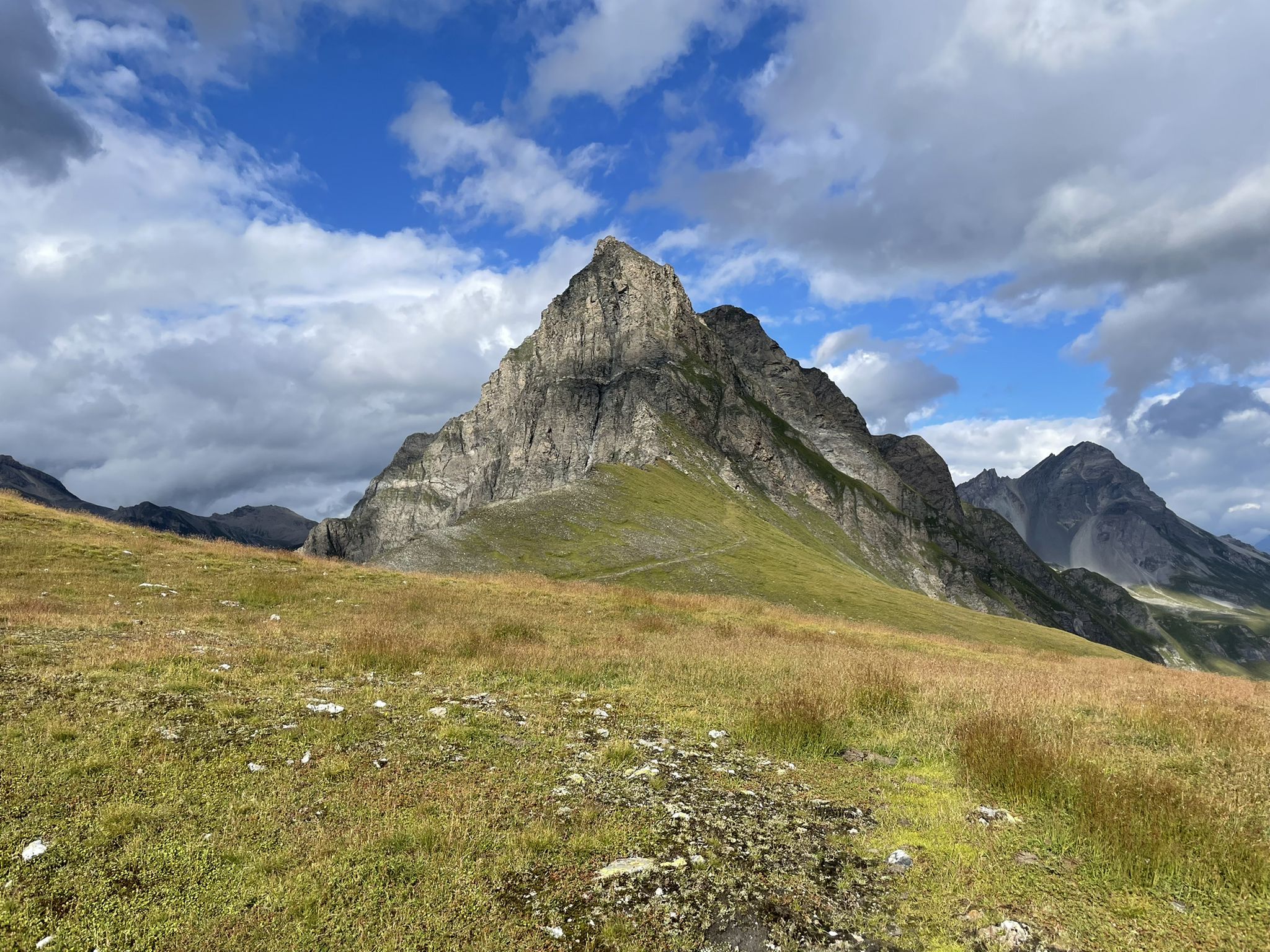
그라우뷰덴의 놀라운 자연 공원 – 발 쑤르세스에서 자피엔탈로
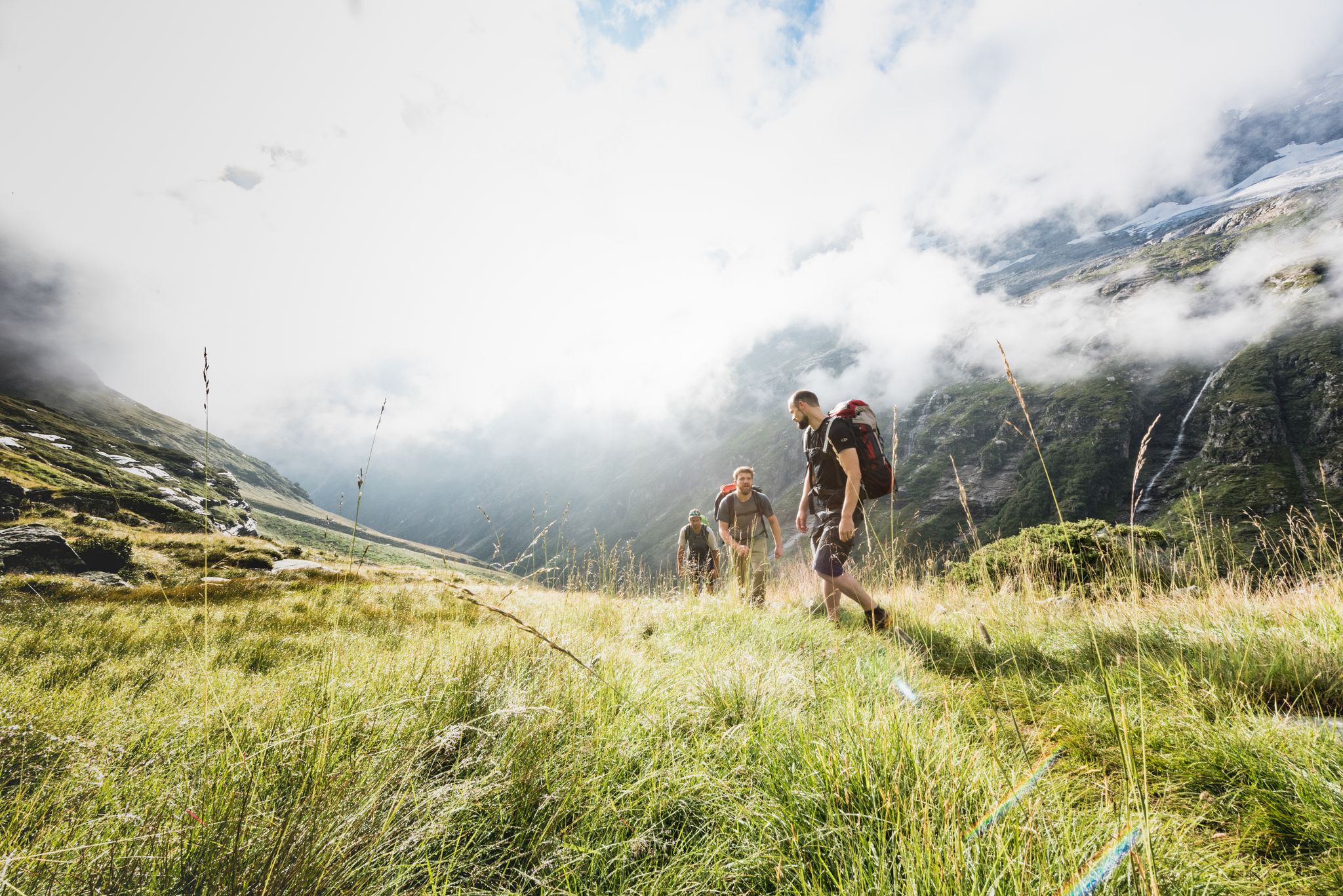
Over hill & dale – Viamala Hiking Paradise
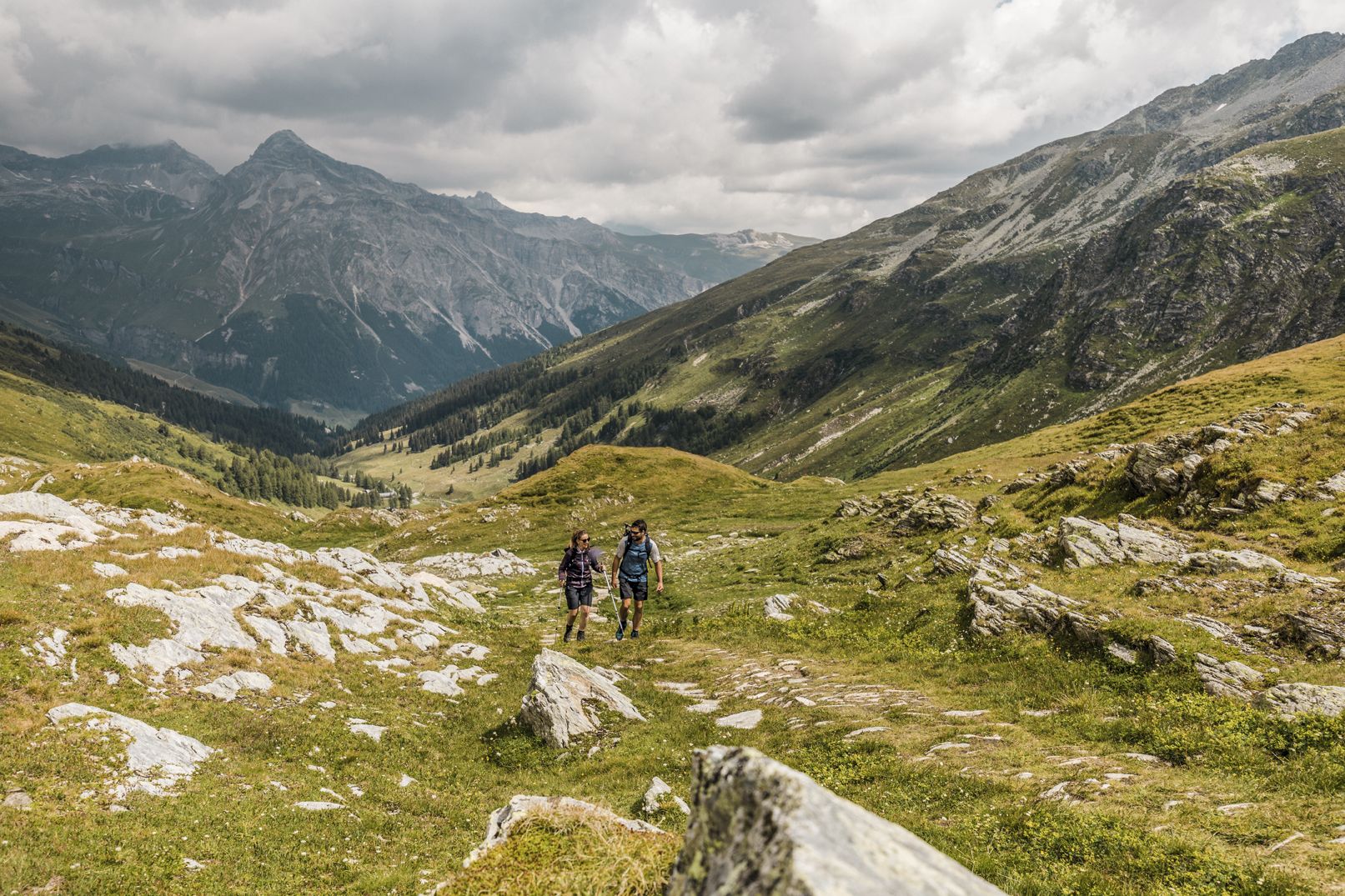
깊은 협곡, 폭포와 청록색 호수 사이 - Via Spluga
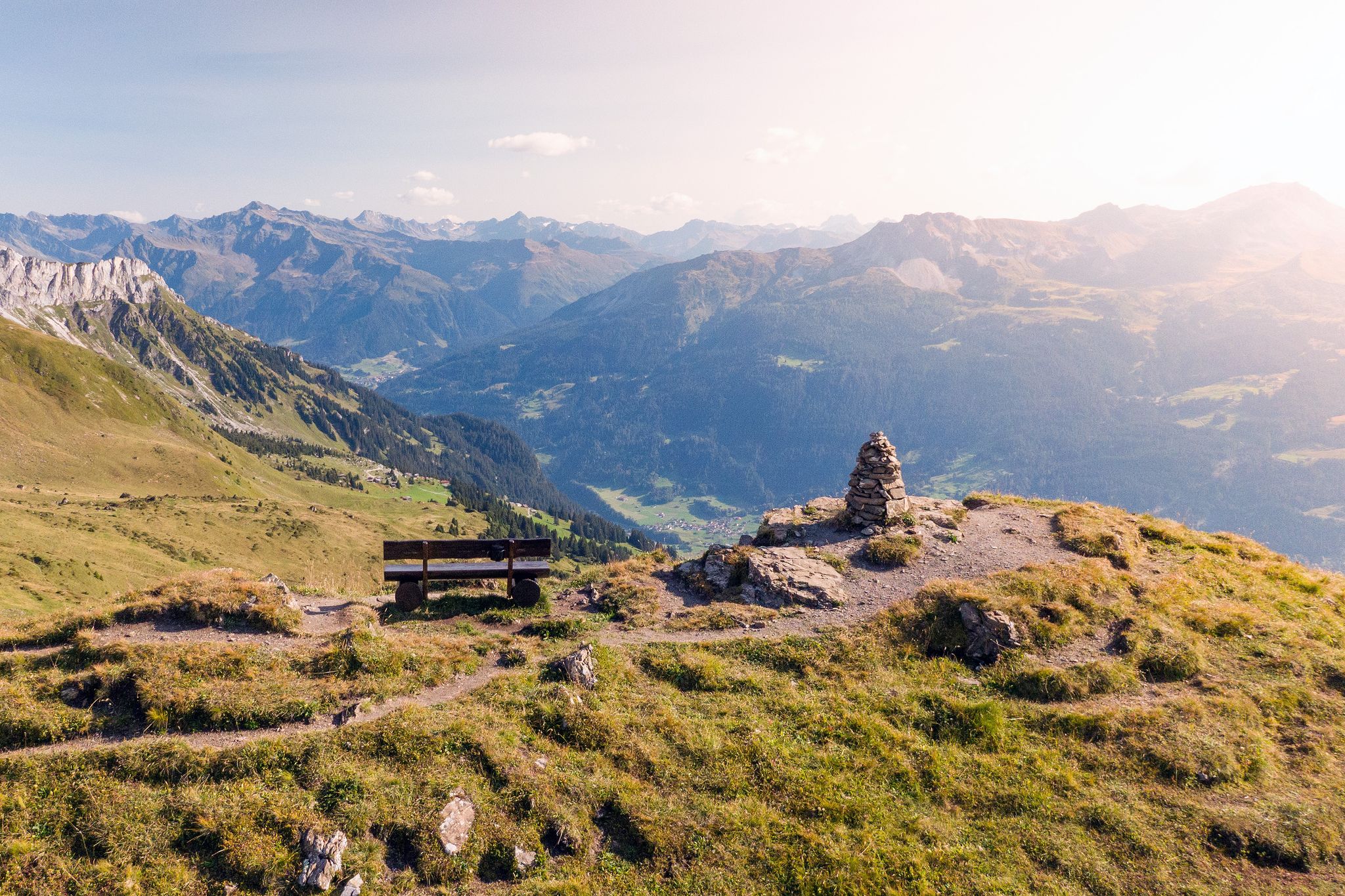
Long-distance hiking in the Grisons — 3 routes in Switzerland
On the viaSpluga from Thusis to Chiavenna
Viamala – a hiking paradise in the heart of the Grisons in Switzerland


커뮤니티 팁


Hotel Bodenhaus, Splügen in the Rheinwald The Bodenhaus has been the solitaire of Splügen since it was built in 1722. The building originally served as a storage room for transported goods, contained the post office and offered accommodation and food for travelers. In 1822 the Bodenhaus was converted into a comfortable hotel. The guest books contain famous names such as: Albert Einstein, Friedrich Nietzsche, Wilhelm Conrad Röntgen, William Turner, Napoleon III and Archduke Ferdinand Maximilian of Austria. Text / Source: Hôtel Bodenhaus, Splügen https://www.hotel-bodenhaus.ch/entdecken#:~:text=Das%20Bodenhaus%20ist%20seit%20seiner,zu%20einem%20komfortablen%20Hotel%20umgebaut.
17
0

Easily accessible along a dirt road. Impressive view of Pizzo Tambo.
0
0
Steep but without difficulty. Here in winter the ski slope descends.
0
0
Montespluga SO Montespluga 산악 마을은 해발 1908m에 위치하며, 발 산 자코모(Val San Giacomo, 발레 스플루가(Valle Spluga)라고도 함) 계곡의 시작 부분에 있으며 스플루겐 고개(Splügen Pass) 정상에서 약 3km 떨어져 있습니다. 이 마을은 물과 목초지가 풍부한 분지에 생겨났으며, 발레 스플루가와 발 로가(Val Loga)가 만나는 곳으로, 피초 탐보(Pizzo Tambo)와 같은 지역의 국경 봉우리 근처에 있습니다. 1927년에는 Montespluga에서 남쪽으로 약 2km 떨어진 곳에 댐이 건설되어 토렌테 리로(Torrente Liro) 강을 막아 마을 아래에 라고 디 몬테스플루가(Lago di Montespluga) 호수를 만들었습니다. 고개 도로에 있는 몇 안 되는 집, 레스토랑, 호텔, 상점과 오래된 세관 건물 "La Casa"가 있는 이 마을은 거의 변하지 않았습니다. 1841년까지 이곳은 스플루겐 고개에 있는 유일한 휴게소이자 유일한 예배 장소인 산 프란체스코 다시시(San Francesco d’Assisi) 예배당이 있었습니다. 후자는 1822년 스플루겐 고개로 가는 새 도로가 완공된 후인 1832년에 축성되었습니다. 이미 1767년에 스위스의 교황 대사였던 루이지 발렌티 곤자가(Luigi Valenti Gonzaga) 추기경이 휴게소에 작은 예배당을 설립할 수 있도록 허가를 부여했습니다. 산 베르나르디노 터널(San Bernardino Tunnel)이 개통된 이후로 겨울에는 고개가 더 이상 개방되지 않습니다. 세 개의 거리(Via Dogana, Via Ferrè, Via Val Loga)로 구성된 이 마을은 이탈리아와 스위스 모두에서 고립될 수 있습니다. Montespluga는 주변 산의 수많은 하이킹, 등산 및 스키 투어 목적지로 가는 출발점이며, 국경을 넘는 장거리 하이킹 코스인 비아 스플루가(Via Spluga)의 경유지입니다. 텍스트 / 출처: wikipedia.org https://de.wikipedia.org/wiki/Montespluga
11
0
Splügen Pass / Passo dello Spluga The Splügen Pass has been proven to have been used since prehistoric times. There are also references to this in Roman times, e.g. the Itinerarium Antonini, a Roman road map from around 300 AD. The very close connections between the bishoprics of Chur and Como ran over the Splügen Pass. As early as 1396, there was evidence of significant customs revenues at Splügen. The expansion of the Viamala Gorge promoted its boom. The movement of goods was carried almost exclusively by packhorses, which meant frequent reloading. Transit traffic formed an important part of the flourishing economy. As late as 1798, the Austrian Field Marshal von Bellegarde wrote: "The largest train of goods from Milan to Germany goes over this pass, but mostly on horses and mules." Between 1818 and 1823, the first road that was passable for freight wagons and stagecoaches was built at the same time as the San Bernardino, and to a large extent it still follows the same route as it was then. After that, freight volumes and international passenger traffic over the Splügen increased several times over and reached their peak in the mid-1850s. The opening of the Alpine railways (1867 Brenner, 1872 Mont Cenis) had already reduced transit traffic over the Splügen. The opening of the Gotthard Railway in 1882 brought Graubünden transit traffic to a virtual standstill. A large wave of emigration was a direct result. The decades-long efforts to build a Splügen railway ultimately failed. The construction of the national road with a car tunnel at the San Bernardino opened up new perspectives. The Splügen Pass has been closed in winter since World War II. Text / Source: Interest Group for Alpine Passes IAP, PO Box 11, 6491 Realp https://www.alpen-paesse.ch/de/alpenpaesse/spluegenpass/
11
0
스플뤼겐 주변에서 가장 인기 있는 경로


더 살펴보기
다른 지역의 최고의 MTB 트레일를 살펴보세요.
