스이켄도르프 최고의 러닝 경로
4.0
(9)
434
달리기 하는 사람
42
러닝
스이켄도르프에서 하이킹하며 퓌르트 구석 부분까지 살펴볼까요? 스이켄도르프에 있는 모든 하이킹 및 워킹 경로 컬렉션 중 가장 멋진 하이킹 경로를 엄선하여 소개해드릴게요. 다른 하이커가 공유한 실제 팁과 사진을 살펴보고 후기를 읽으며 마음에 드는 스이켄도르프 워킹 경로를 찾아보세요.
마지막 업데이트: 10월 14, 2026
3.0
(1)
75
달리기 하는 사람
5.60km
00:35
20m
20m
보통 조깅. 좋은 체력 필요. 대부분 포장된 지면. 실력과 관계없이 누구나 갈 수 있음.
5.0
(2)
37
달리기 하는 사람
8.82km
00:56
70m
70m
보통 조깅. 좋은 체력 필요. 대부분 포장된 지면. 실력과 관계없이 누구나 갈 수 있음.

19
달리기 하는 사람
10.9km
01:09
50m
50m
보통 조깅. 좋은 체력 필요. 대부분 포장된 지면. 실력과 관계없이 누구나 갈 수 있음.
18
달리기 하는 사람
8.95km
00:56
50m
50m
보통 조깅. 좋은 체력 필요. 대부분 포장된 지면. 실력과 관계없이 누구나 갈 수 있음.
15
달리기 하는 사람
16.9km
01:47
110m
110m
어려운 조깅. 우수한 체력 필요. 대부분 포장된 지면. 실력과 관계없이 누구나 갈 수 있음.
더 다양한 경로와 다른 탐험가들의 추천을 살펴보세요.
이미 komoot 계정이 있나요?
투어 추천은 다른 사람들이 komoot에서 완료한 수천 개의 활동을 바탕으로 구성되어 있습니다.
오늘 무료 계정으로 시작하세요
다음 모험이 기다리고 있어요.

커뮤니티 팁

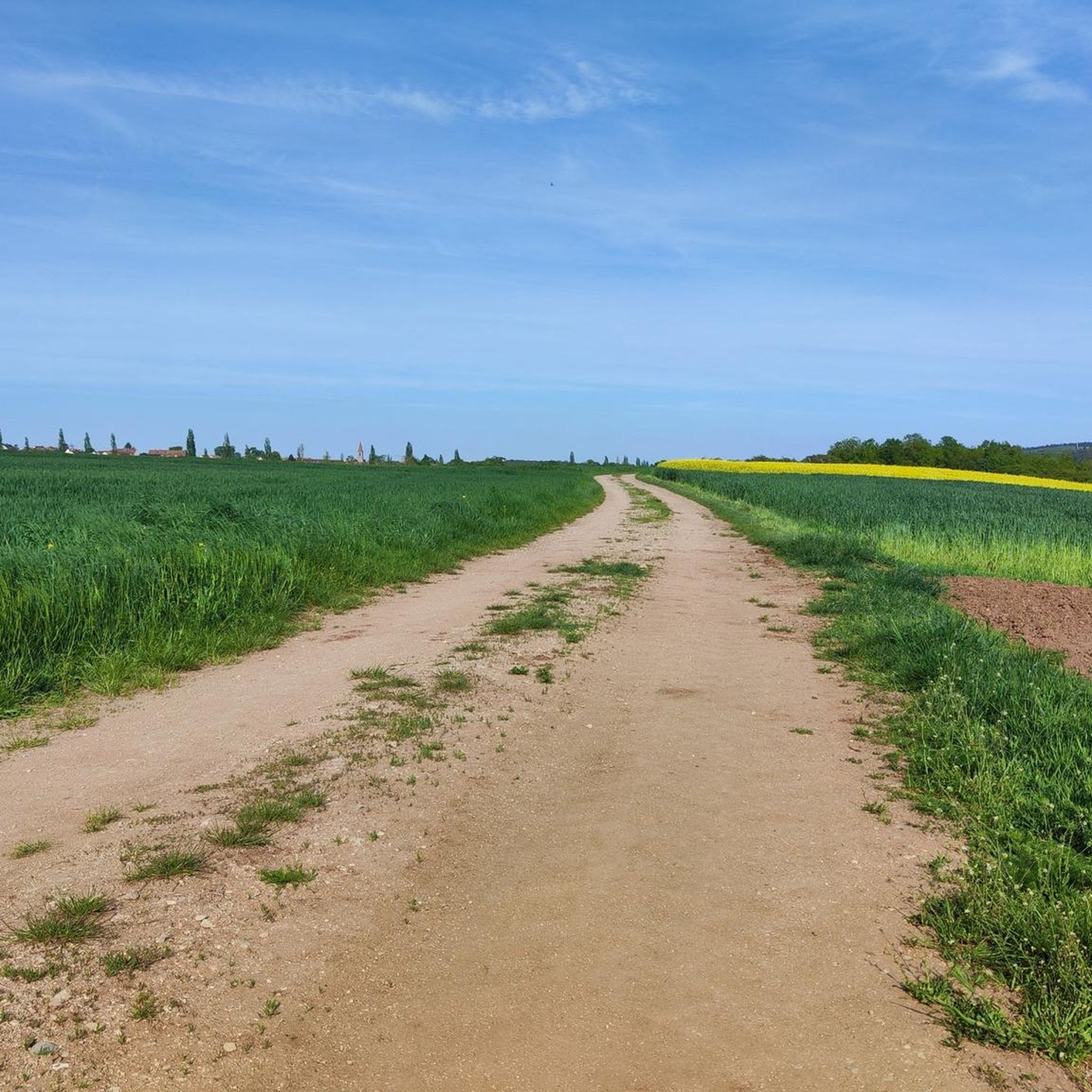
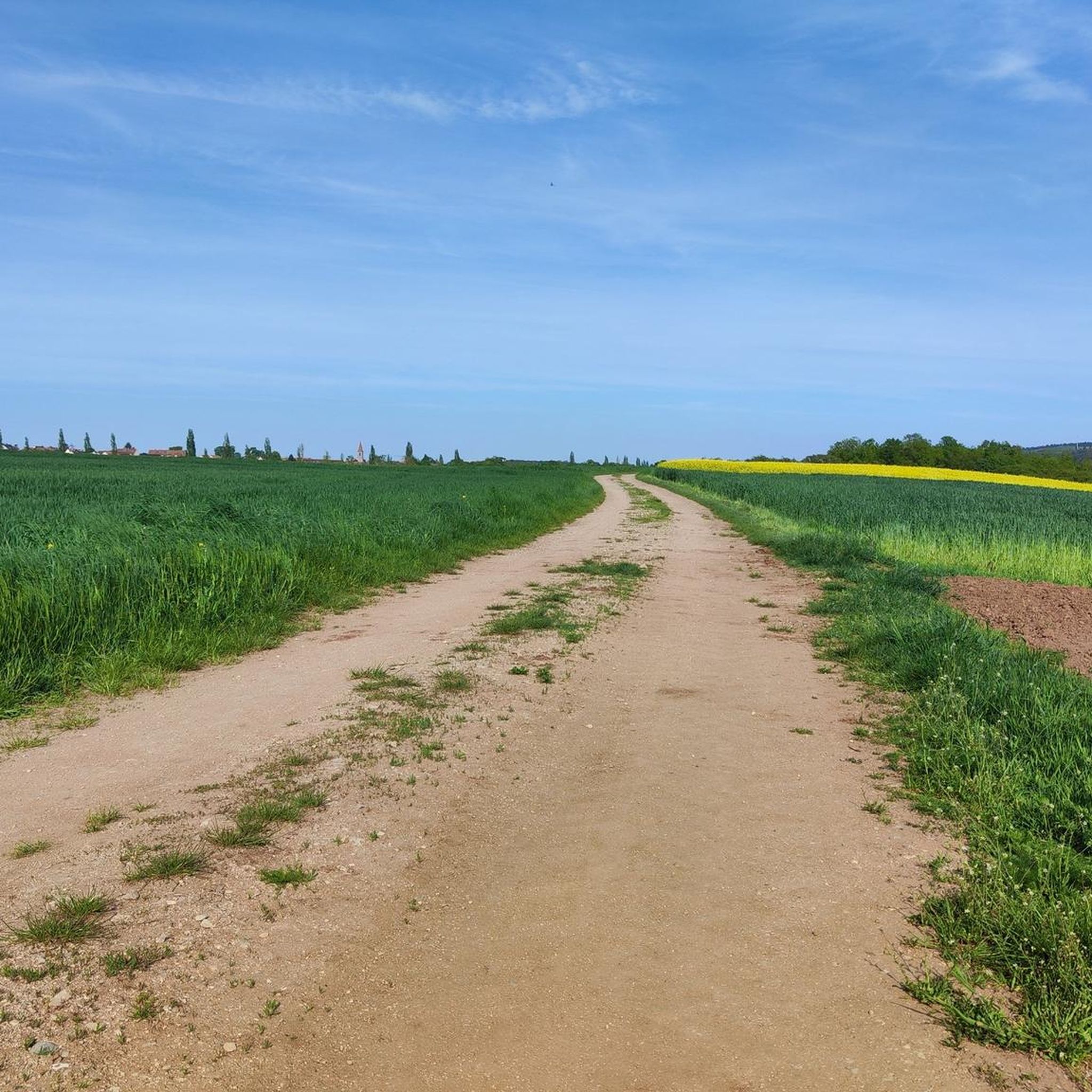
The Zirndorf municipal forest is a large wooded area south of Fürth and Zirndorf and is one of the most popular recreational areas in the region. Numerous walking and cycling paths crisscross the area.
1
0

Original kindergarten located directly in nature
0
0

The Rennweg goes from Egersdorf to Oberfürberg (3Km) completely through the forest
1
0


In Kreppendorf it is worth taking a break on the beautiful village square with bus shelter, milk house and playground with a bench under a large tree.
0
0

Milk collection points (locally in southern Germany also Milchhäusl or Milchhäusle) used to be collection points for farmers in a certain area, to which they delivered their milk. From there it was collected and transported to bulk buyers. Most of the milk collection points were built in the 1930s. Before that, the milk was mostly collected by horse and cart from the individual milk-supplying farms. After the milk collection points were set up, mostly at a central location in the village, the milk was delivered there by the individual farmers. The buildings were used to collect and cool the milk until it was transported onward. The delivery conditions also made the milk collection points a social meeting place in many places.[1] The importance of milk collection points steadily decreased in the second half of the 20th century as a result of structural change and ever decreasing milk production. Depending on the region, the buildings in Germany and Switzerland became so unprofitable in the 1970s to 1990s that their operation was gradually discontinued.[2] The remaining buildings, mostly easily recognizable to this day by their typical ramp with stairs, often stood empty after their function as a milk collection point, until they were either demolished or converted. Today they often contain youth clubs, cultural meeting places or small bars. Source: Wikipedia
3
0
A really impressive bridge that goes over the street - you don't see that often
1
0

The railway bridge on the Nuremberg – Würzburg line over the Main-Danube Canal was built between September 1968 and July 1970 directly to the north of the old line that was in operation. The crossing canal bed had not yet been established at this time. The two adjacent steel lattice girder constructions are each approx. 100 m long. The construction costs amounted to 3.41 million DM. Shortly after it went into operation, complaints from residents about the noise, which could be heard right into “their own home”, increased. The bridge was therefore also called "Thunder Bridge". After 18 months, the engineers had managed to reduce the noise to a tolerable level. I seem to remember that the inside of the steel structure was filled with insulating material, but I couldn't find any information on this.
0
0
스이켄도르프 주변에서 가장 인기 있는 명소


더 살펴보기
다른 지역의 최고의 러닝 트레일 & 경로를 살펴보세요.
