4.5
(11)
511
달리기 하는 사람
44
러닝
니더슈테텐에서 하이킹하며 마인-타우버-크라이스 구석 부분까지 살펴볼까요? 니더슈테텐에 있는 모든 하이킹 및 워킹 경로 컬렉션 중 가장 멋진 하이킹 경로를 엄선하여 소개해드릴게요. 다른 하이커가 공유한 실제 팁과 사진을 살펴보고 후기를 읽으며 마음에 드는 니더슈테텐 워킹 경로를 찾아보세요.
마지막 업데이트: 5월 20, 2026
3.3
(3)
111
달리기 하는 사람
9.79km
01:01
90m
90m
보통 조깅. 좋은 체력 필요. 대부분 포장된 지면. 실력과 관계없이 누구나 갈 수 있음.
3.0
(1)
104
달리기 하는 사람
6.01km
00:38
60m
60m
보통 조깅. 좋은 체력 필요. 대부분 포장된 지면. 실력과 관계없이 누구나 갈 수 있음.

무료 회원 가입
23
달리기 하는 사람
어려운 조깅. 우수한 체력 필요. 대부분 포장된 지면. 실력과 관계없이 누구나 갈 수 있음.
5.0
(1)
23
달리기 하는 사람
25.2km
02:41
230m
230m
어려운 조깅. 우수한 체력 필요. 대부분 포장된 지면. 실력과 관계없이 누구나 갈 수 있음.
5.0
(1)
14
달리기 하는 사람
7.92km
00:50
80m
80m
보통 조깅. 좋은 체력 필요. 대부분 포장된 지면. 실력과 관계없이 누구나 갈 수 있음.
더 다양한 경로와 다른 탐험가들의 추천을 살펴보세요.
무료 회원 가입
이미 komoot 계정이 있나요?
투어 추천은 다른 사람들이 komoot에서 완료한 수천 개의 활동을 바탕으로 구성되어 있습니다.
오늘 무료 계정으로 시작하세요
다음 모험이 기다리고 있어요.
로그인 또는 가입하기
니더슈테텐 주변 인기 장소
Württemberg Wine Route from the Tauber Valley to the Neckar
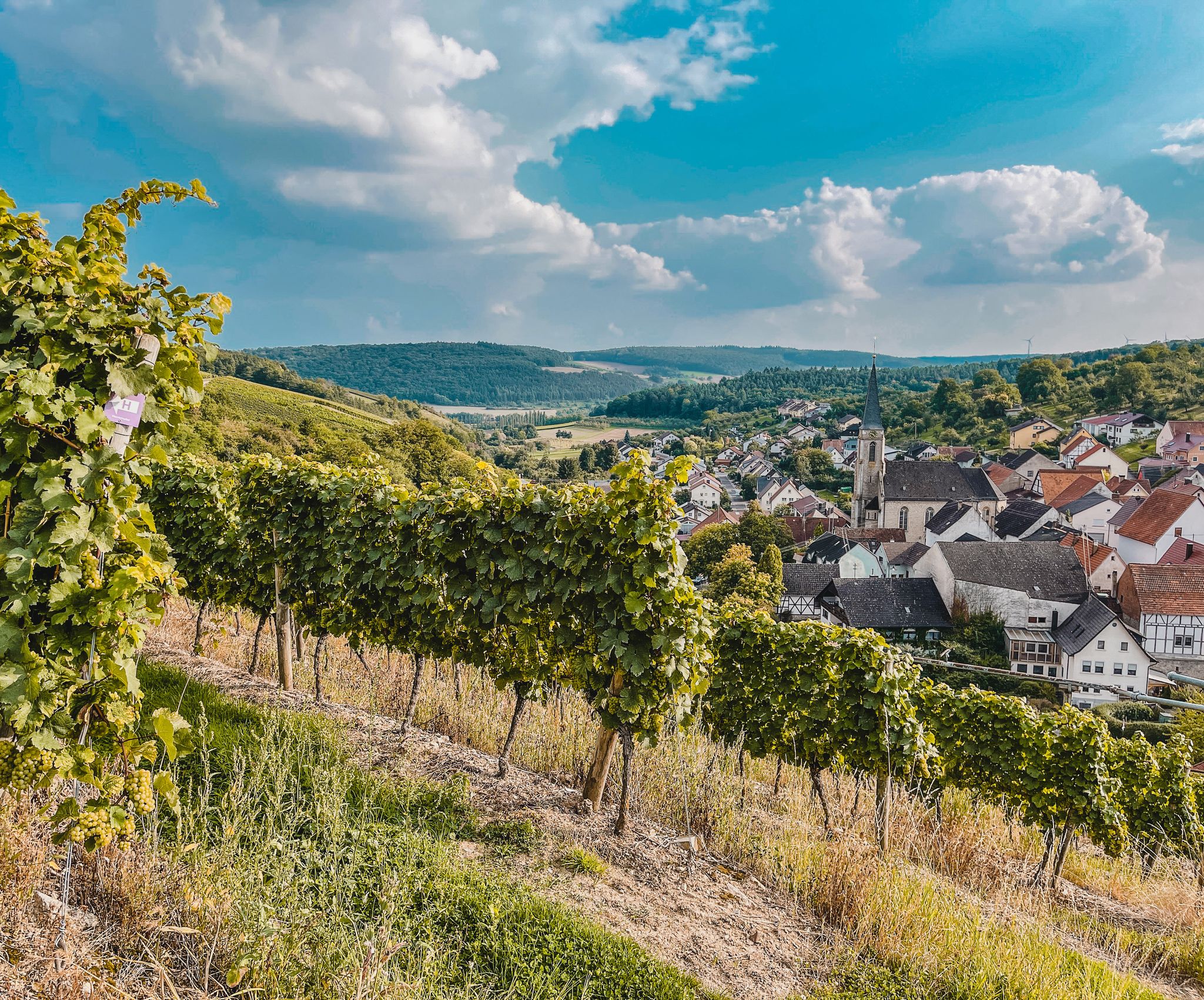
Vineyards and meadows — Tauber Valley에서 WINE과 함께 CYCLING
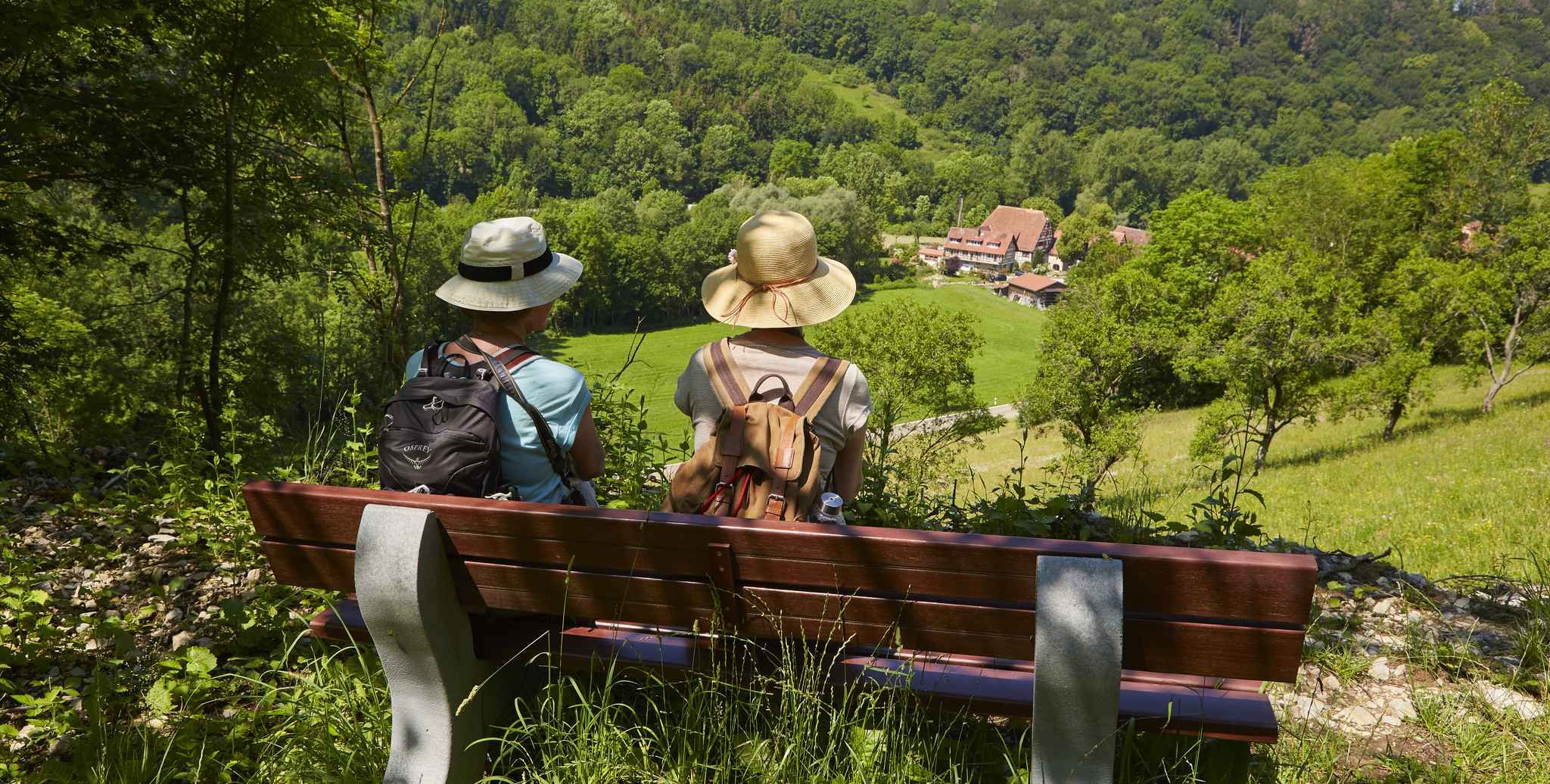
Gentle hills & wide forests – day Tours in the Lovely Tauber Valley
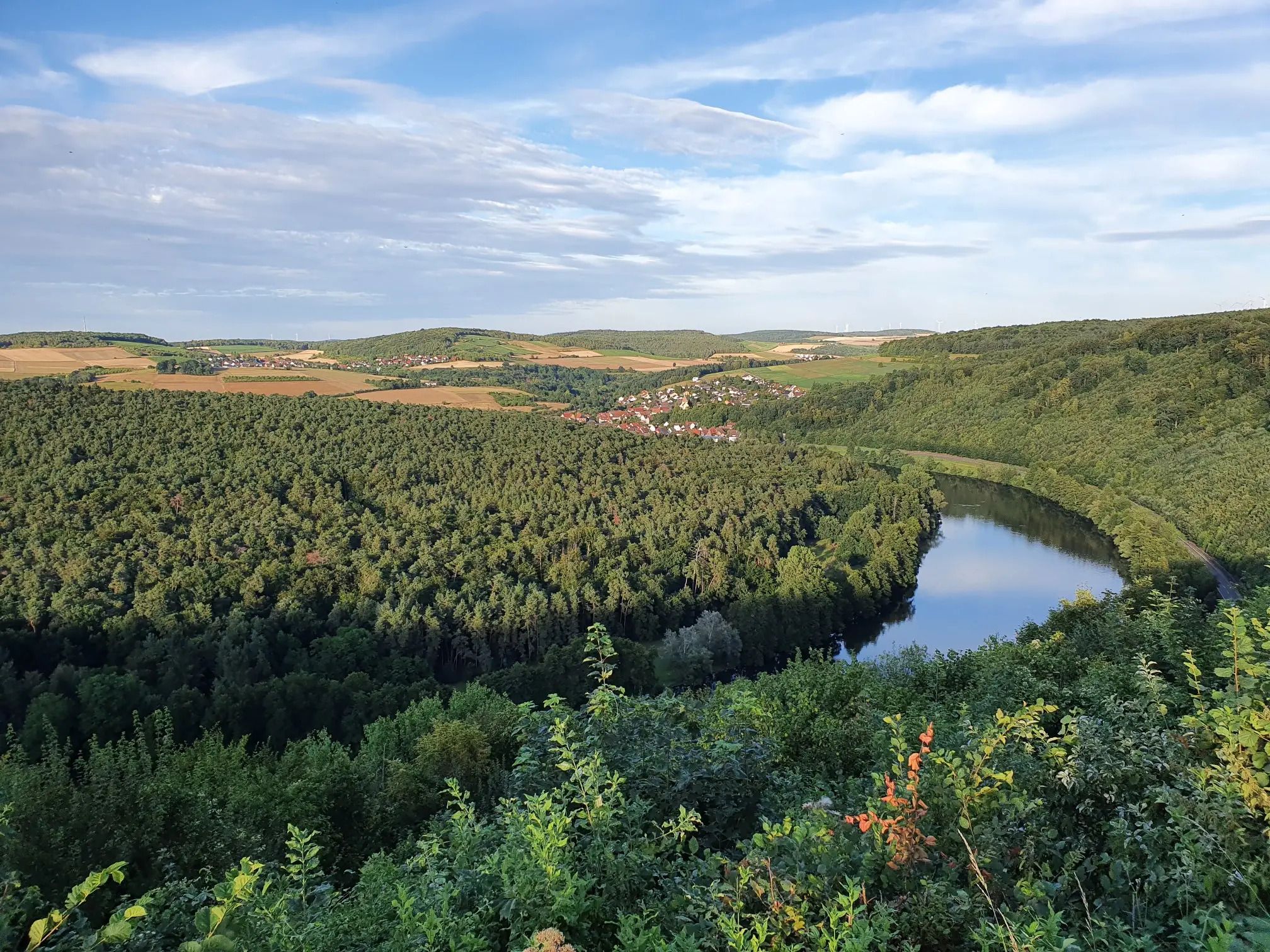
Jakobswanderweg Odenwald-Main-Taubertal
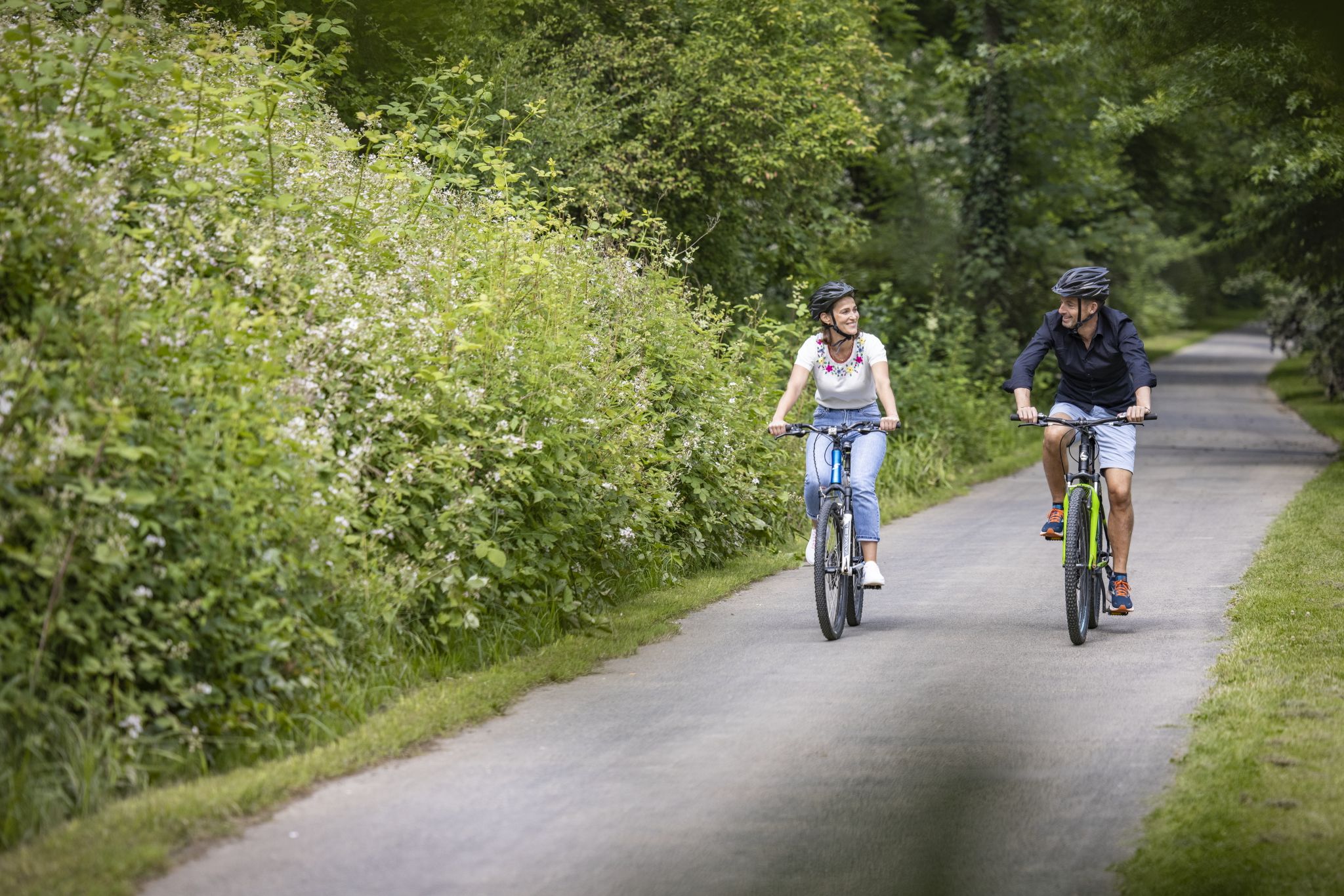
Liebliches Taubertal - Sportive
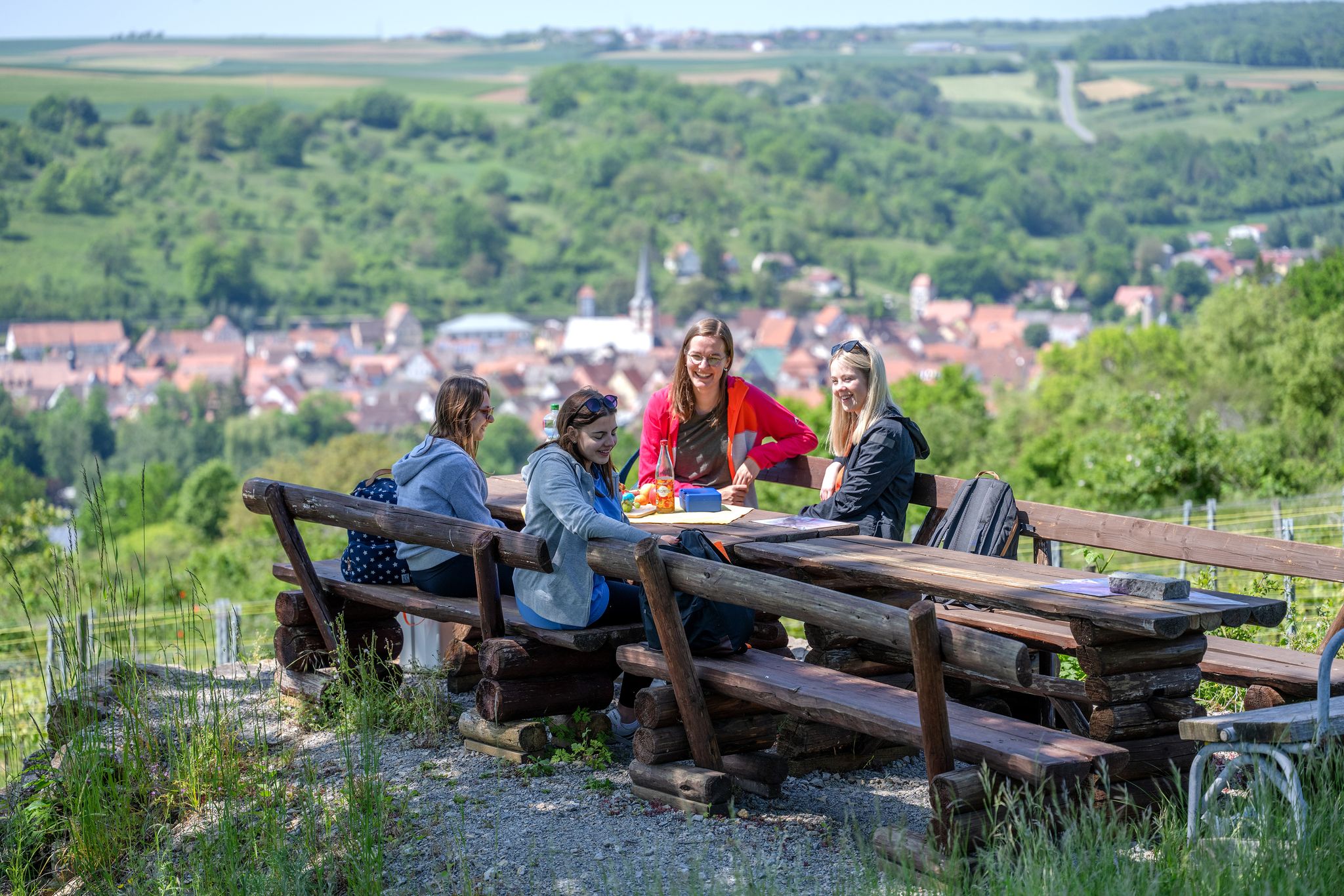
29 Rundwanderwege durch die Ferienlandschaft „Liebliches Taubertal“
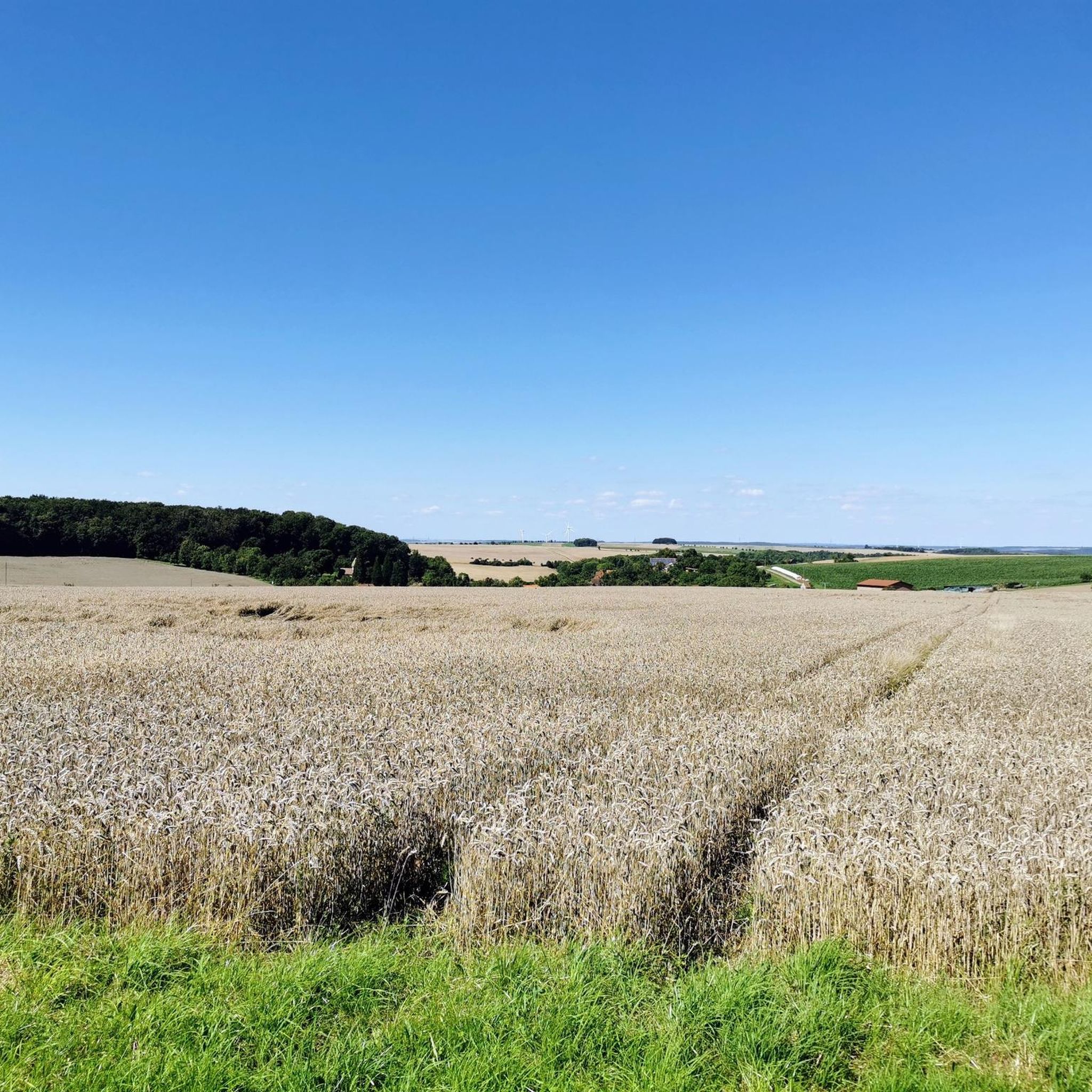
니더슈테텐 하이킹
니더슈테텐 사이클링
니더슈테텐 로드 사이클링 경로
니더슈테텐 MTB 트레일
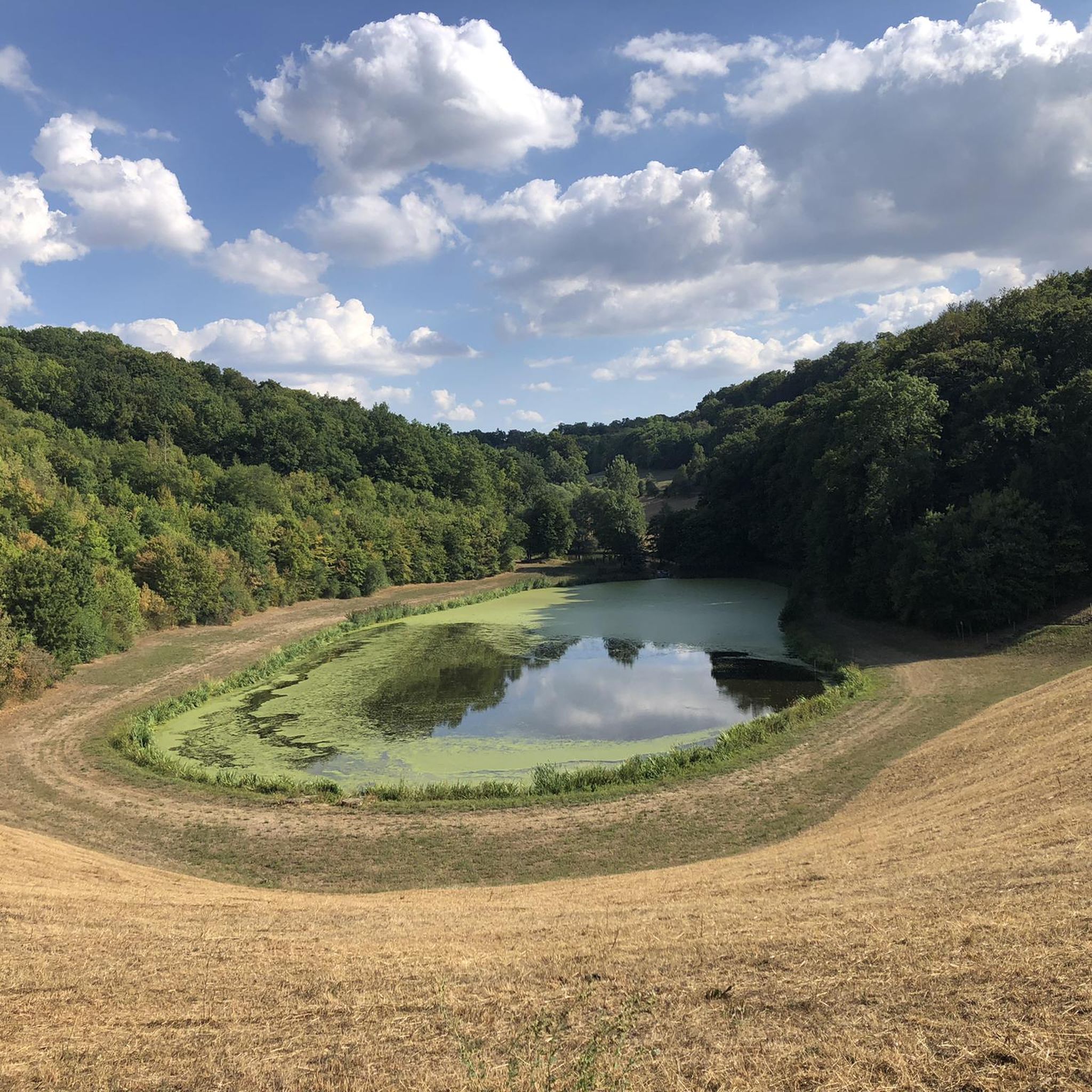
Unfortunately, the pictures are mixed with the Vorbach and Reutal dams
2
0
The Habel brothers were born in Hachtel. The parents had 7 children and there a farm (today Ehnes riding stable). The house stood where the stables are today. Both completed an apprenticeship as a brewer in Ansbach. Johann Simon Habel, a trained brewer and cooper, became the king's cellar master. Together (Johann Simon and Johann Georg) they founded the HABEL Weinhaus on June 8, 1779, Unter den Linden 30. Thanks to excellent wines and hospitality, it quickly established itself as Prussia's tasting room and in 1824 received the title of purveyor to the royal court. For more than 42 years, the wine shop Gebrüder Habel rendered loyal service to the Prussian King Friedrich Wilhelm II as cellar master. Six subsequent generations, including Habel's grandson Heinrich (1809-1866), great-grandson Heinrich Simon Carl (1837-1887) and great-great-grandson Wilhelm Simon Heinrich (1873-1945) continued to own the wine tavern. They expanded the house, which was known to be simple but elegant, and remodeled it several times. The HABEL Weinhaus experienced the change in power of kings and chancellors, two world wars and the division of the city. After the fall of the Berlin Wall, the former HABEL am Roseneck, close to where it was originally founded, withdrew as HABEL am Reichstag.
14
2
Looks nice when everything is green. Schütz Oberstetten from the flood of the Vorbach.
2
2
Nice facility that you can use when you're bored.
1
1
In 999, a Rothenburg count dedicated the Wildentierbach parish to the Haug (hill) monastery in Würzburg. Heinrich Graf von Rothenburg was elected and confirmed in 995 as the 17th bishop and prince of Würzburg. He built the church of St. Stephen and also the famous Haug Abbey (church) in Würzburg with his fortune. He died in 1018. The Würzburg foundations served to finance churches. The parish later went to the Neumünster monastery in Würzburg. I.e. Wildentierbach already had its own parish in the 11th century. A canon of the respective monastery was also the head pastor and the pastorate could only be filled with his consent. After the Reformation, when the Protestant pastors from Rothenburg (from 1542) were occupied, this was still the case. Only after 1810 were the pastors employed from Stuttgart. The first Württemberg pastor was Pastor Hirsching (1816) who came from Wiesenbach. The first pastor who is noted was Pastor Eberhart in 1392. Before that, vicars and preachers presumably held the service. The first evangelical pastor was Johann Reuss (1549) and was appointed from Rothenburg after Würzburg's approval. The village school was set up in Wildentierbach in 1562. The first Christian school regulations were created by Pastor Zacharias Groß in 1595, who was also the village teacher.
12
1
In the middle of the picture you can see a courtyard entrance. This was a stone bridge over the Thierbach. The monastery gardens were to the right and left of the bridge. Today's gardens are just a small remnant of it. The farm was acquired in 1375 from the convent in Rothenburg by the Lords of Lichtel. This means that from 1375 the monastery of the Dominican nuns was in Thierbach. Even before that, from 1277 to 1554, the nuns had income from Wildentierbach. The nuns were not very popular as they also exercised the judiciary in the area. The nuns were not allowed to preach sermons. But the population wanted to hear sermons. For this reason, the Bishop of Würzburg appointed a pastor around 1390. A small presbytery was built in the monastery garden (Klostergrund belonged to the bishop) where the newer presbytery stands today. The monastery was probably also destroyed when Hans Melchior von Rosenberg zu Haltebergstetten destroyed the castle in 1509 and burned down the village. The Dominican monastery in Rothenburg was dissolved in 1554 and the goods and gold went to the city. This also included Schmerbach and Wildentierbach.
12
1
The way to the monastery courtyard led over a bridge over the Tierbach. The monastery gardens were to the right and left of the bridge at the level of the stream. The parsonage was built in a corner of the monastery garden. The way to the Rothenburger Land was through the barn (belonging to the Gasthaus Hirsch). At the exit of the barn was the customs house.
13
1
다른 지역의 최고의 러닝 트레일 & 경로를 살펴보세요.