20의 웜레이턴가지 명소 & 주요 장소
웜레이턴에는 둘러볼 만한 장소가 많답니다. 하이킹 또는 사이클링을 좋아한다면 웜레이턴에 숨겨진 20
가지 보석을 만날 수 있을 거예요. 이 지역의 주요 명소를 살펴보면서 다음 모험을 계획해보세요.
마지막 업데이트: 10월 18, 2026
버턴 대셋의 올 세인츠 교회
하이라이트 • 역사적 장소
팁에 의해

세인트 자일스 교회, 체스터턴
하이라이트 • 역사적 장소
팁에 의해

이런 장소를 발견하려면 지금 가입하세요
최고의 싱글 트랙, 봉우리 및 다양한 흥미로운 야외 장소에 대한 추천을 받아보세요.
키네튼에서 시작하는 에지 힐 클라임
하이라이트 (구간) • 등반
팁에 의해

업턴 하우스와 가든
하이라이트 • 기념물
팁에 의해

St Michael's Church, Bishop's Itchington
하이라이트 • 역사적 장소
팁에 의해
무료로 가입하여 웜레이턴 주변의 더 많은 명소를 발견하세요.
이미 komoot 계정이 있나요?
오늘 무료 계정으로 시작하세요
다음 모험이 기다리고 있어요.
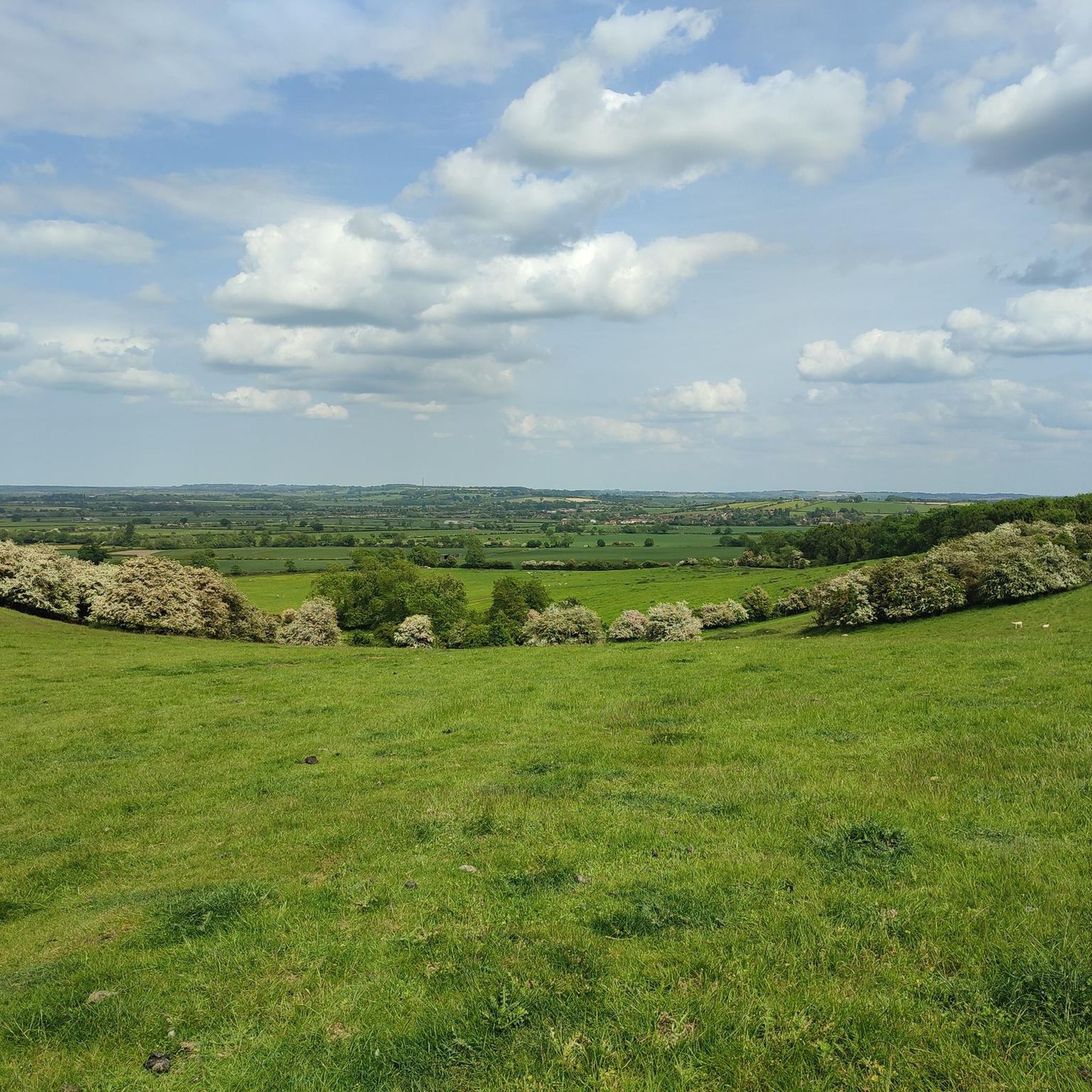
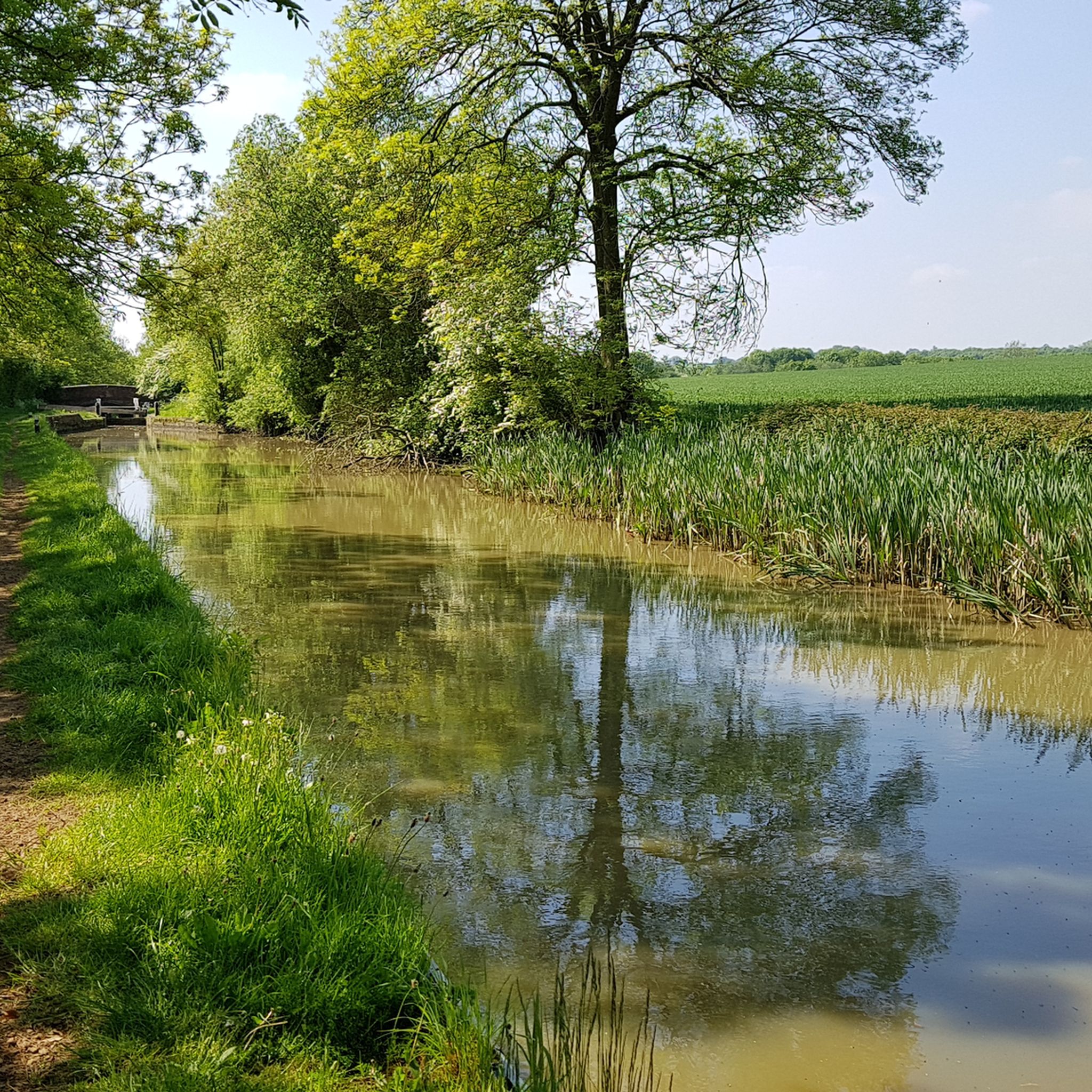
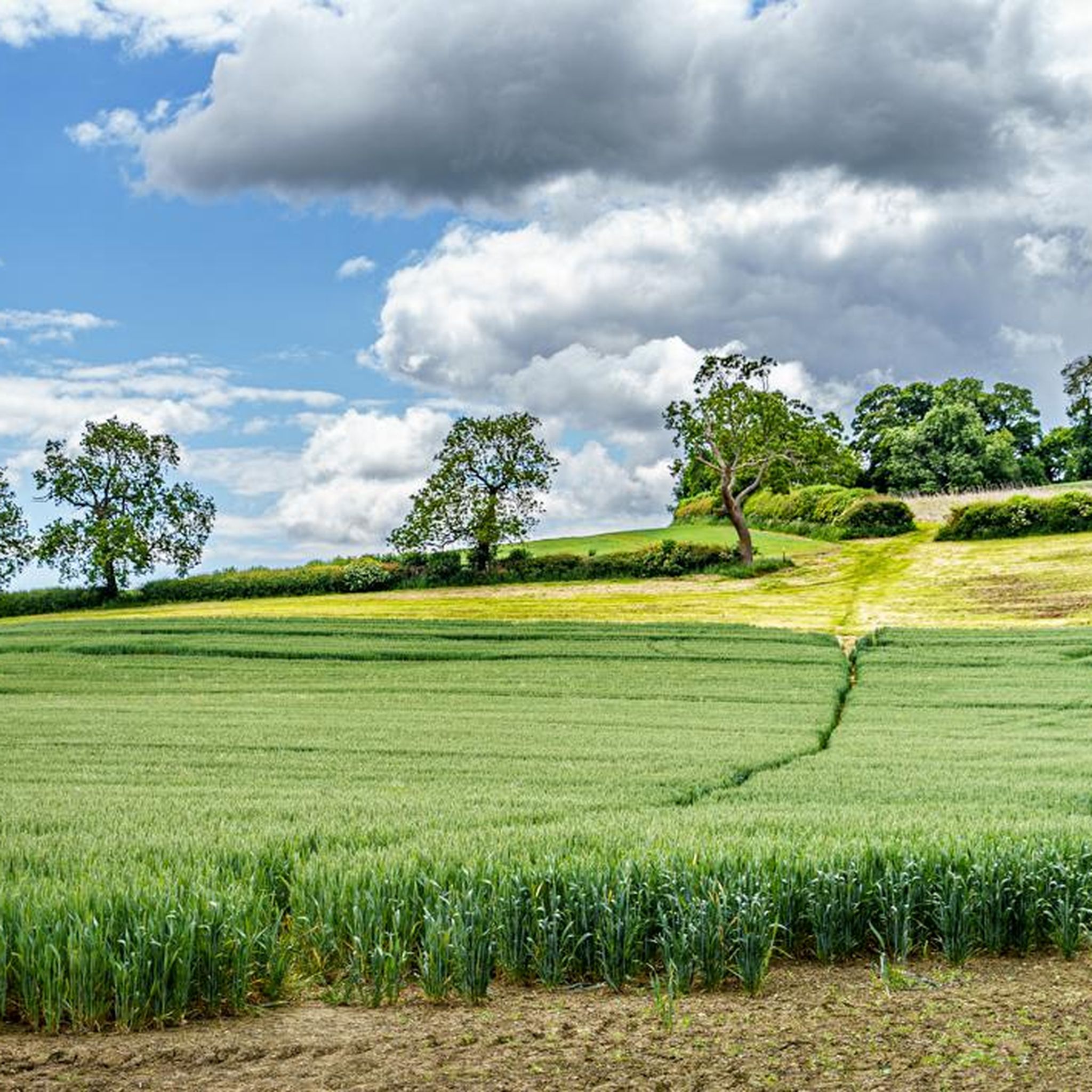
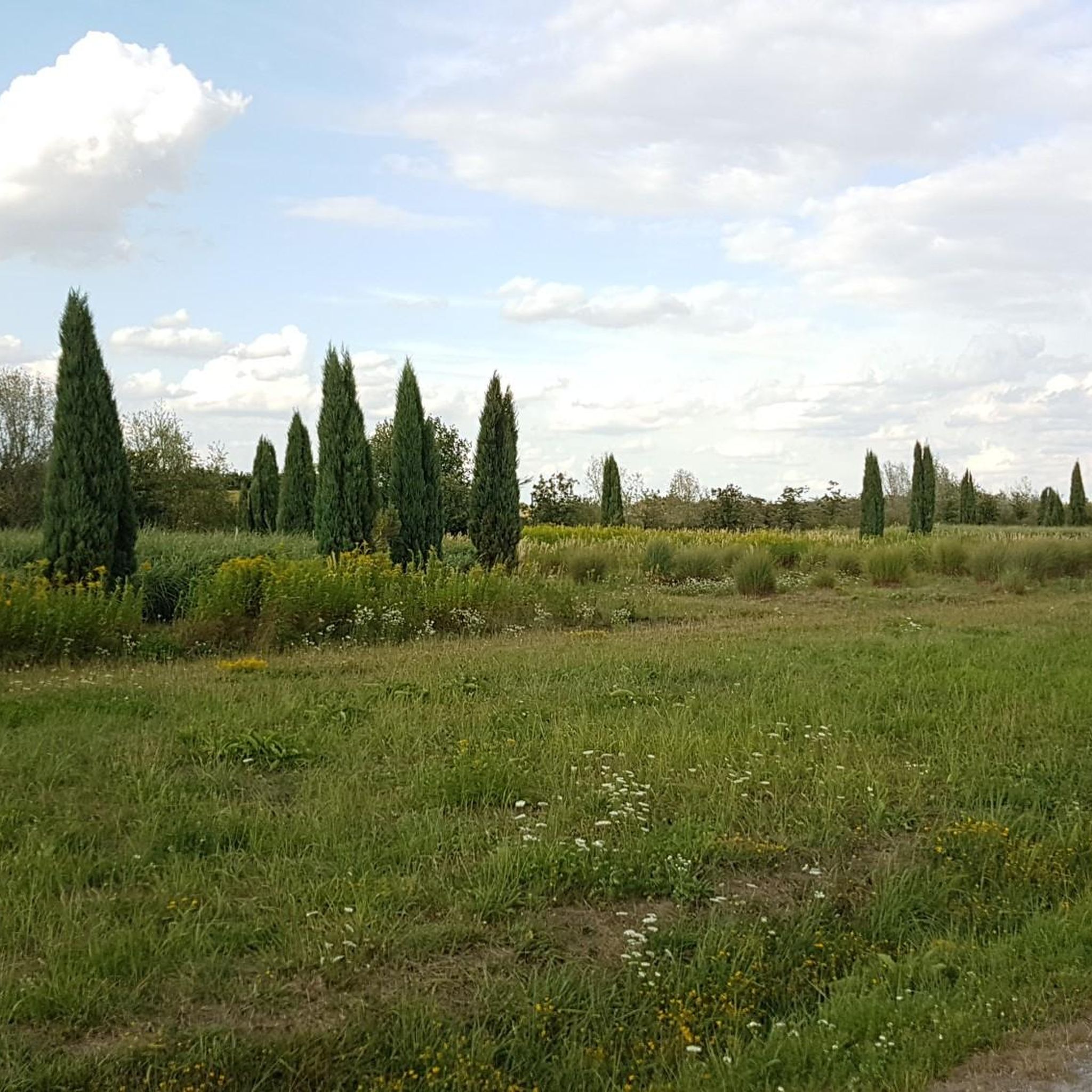
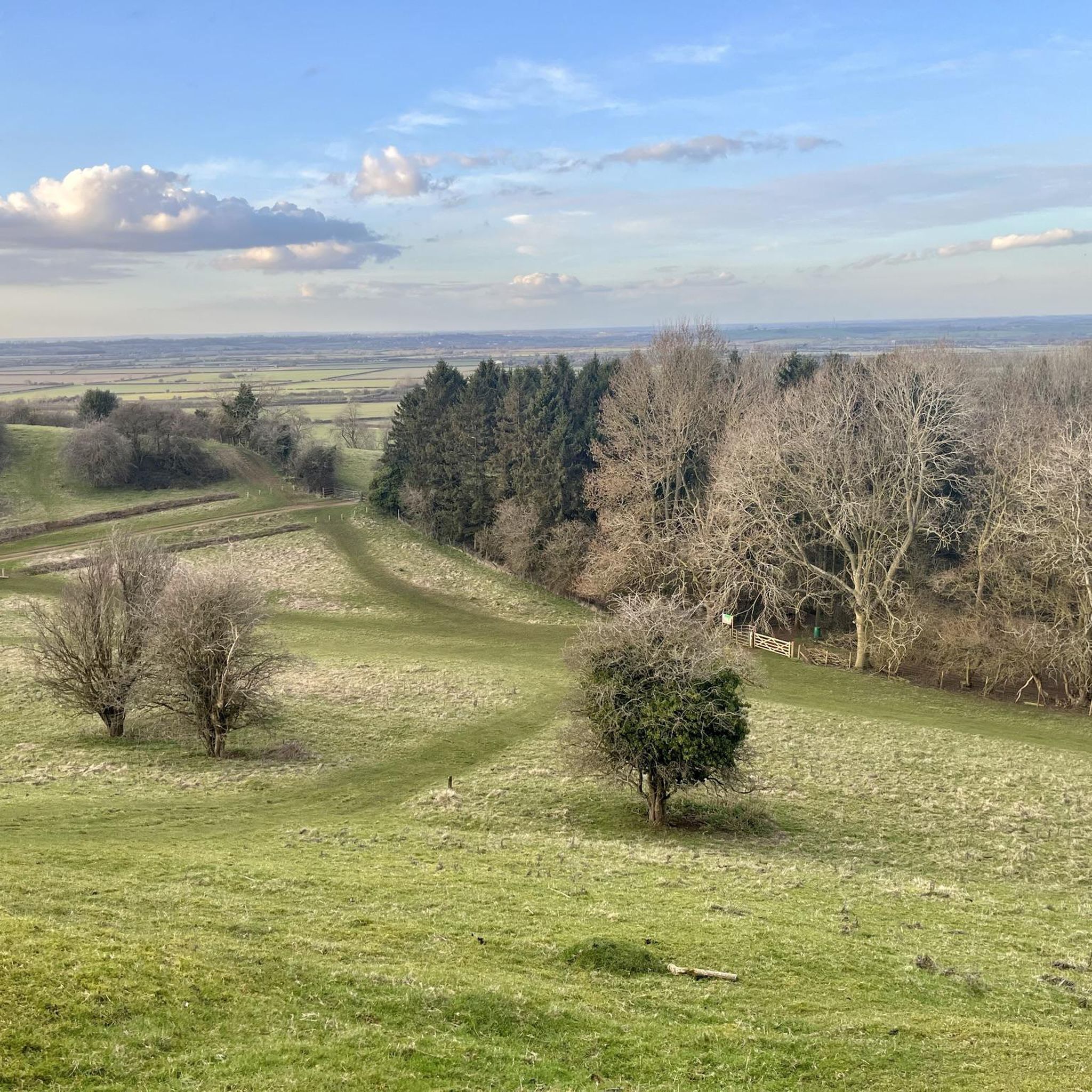
커뮤니티 팁

Edgehill is a great little climb. Steady, never too steep (max about 11%), good road and few cars.
0
0
Nice and steady climb up the edge 😉. About a kilometer of steady 10-14%. Smooth road, modest traffic. Great threshold climb for training.
0
0

Upton House & Gardens is a National Trust-owned country mansion located in the northern tip of the Cotswolds in Warwickshire. You can catch glimpses of the stunning grounds and building for free, but to enter the house and gardens fully, and to see the impressive art collection that resides inside, you'll have to pay a fee. There is more information about this here https://www.nationaltrust.org.uk/visit/warwickshire/upton-house-and-gardens
1
0

On the walk you can walk through the farm land, but it will not bring you into the NT grounds. You'll come out through the car park. If you have a NT membership you can stop in, but there is lots to see there too.
0
0


Upton House managed by the National Trust is an example of a 1930s country retreat with a wonderful garden designed by Kitty Lloyd-Jones. Café garden and house is open every day from 10:00 - 17:00 although the house closes a little before everything else.
0
0
Currently no. 136 in the best road climbs of the country list this climb on the B4086 near the village of Ratley is a steady 10% gradient for just over 1km. It does ramp up a bit to a max of 13%.
1
0

The house was built on the site of the hamlet of Upton, which was destroyed in about 1500 when the land was cleared for pasture. The estate passed through various hands until the early 16th century when it was bought by Sir William Danvers. It remained with the Danvers family until 1688 when Sir Rushout Cullen purchased the estate for £7,000 (equivalent to £1,270,000 in 2019). Cullen built the house for himself in about 1695. In 1757 the house was bought by banker Francis Child for use as a hunting lodge and it remained in the Jersey family until the end of the 19th century when it was held by George Child Villiers, 5th Earl of Jersey. In 1927 the estate was acquired by Walter Samuel, 2nd Viscount Bearsted, who owed his fortune to the fact that his father Marcus Samuel was the founder of the oil company Shell Transport & Trading. His wife Lady Bearsted worked with "Kitty" Lloyd Jones to transform the house's garden during the early 1930s. Kitty would visit and send letters to Lady Bearstead about her gardens. The letters include lists of plants that Lady Bearstead would approve before the gardener, Mr Tidman, planted them. Kitty is credited today with the soft colours and strong colours of the gardens at Upton Houses. She takes particular credit for converting some marshland into the bog garden which she envisaged based around a natural spring in the garden. Lord Bearsted donated the house, gardens and art collection to the National Trust in 1948. Lord Bearsted's son, the 3rd Viscount, lived at Upton from 1948 until his death in 1986 and added to the gift to the National Trust the collection of fine porcelain. On the death of the 3rd Viscount, the furniture and other items on view in the rooms were offered to the nation by his daughter, Hon. Mrs. R. Waley-Cohen, through the "in lieu" system, on condition that they remain at Upton and on view to the public. Mrs. Waley-Cohen continued to live in the house until 1988, when the family moved to another property on the estate. In October 1991, she offered for sale by public auction, a large number of items which were considered surplus to requirements. The sale, by Christie's, took place at the house, in a total of 1083 separate lots, and included pictures, furniture, porcelain, silver, objects and carpets.
0
0
웜레이턴 주변에서 가장 인기 있는 경로
웜레이턴 주변에서 가장 인기 있는 명소


더 살펴보기
찾고 있는 하이라이트를 아직 못 찾으셨나요? 다른 지역의 주요 명소 가이드를 확인해보세요:
