20의 게이돈가지 명소 & 주요 장소
게이돈에는 둘러볼 만한 장소가 많답니다. 하이킹 또는 사이클링을 좋아한다면 게이돈에 숨겨진 20
가지 보석을 만날 수 있을 거예요. 이 지역의 주요 명소를 살펴보면서 다음 모험을 계획해보세요.
마지막 업데이트: 10월 9, 2026

이런 장소를 발견하려면 지금 가입하세요
최고의 싱글 트랙, 봉우리 및 다양한 흥미로운 야외 장소에 대한 추천을 받아보세요.
버턴 대셋의 올 세인츠 교회
하이라이트 • 역사적 장소
팁에 의해

세인트 자일스 교회, 체스터턴
하이라이트 • 역사적 장소
팁에 의해
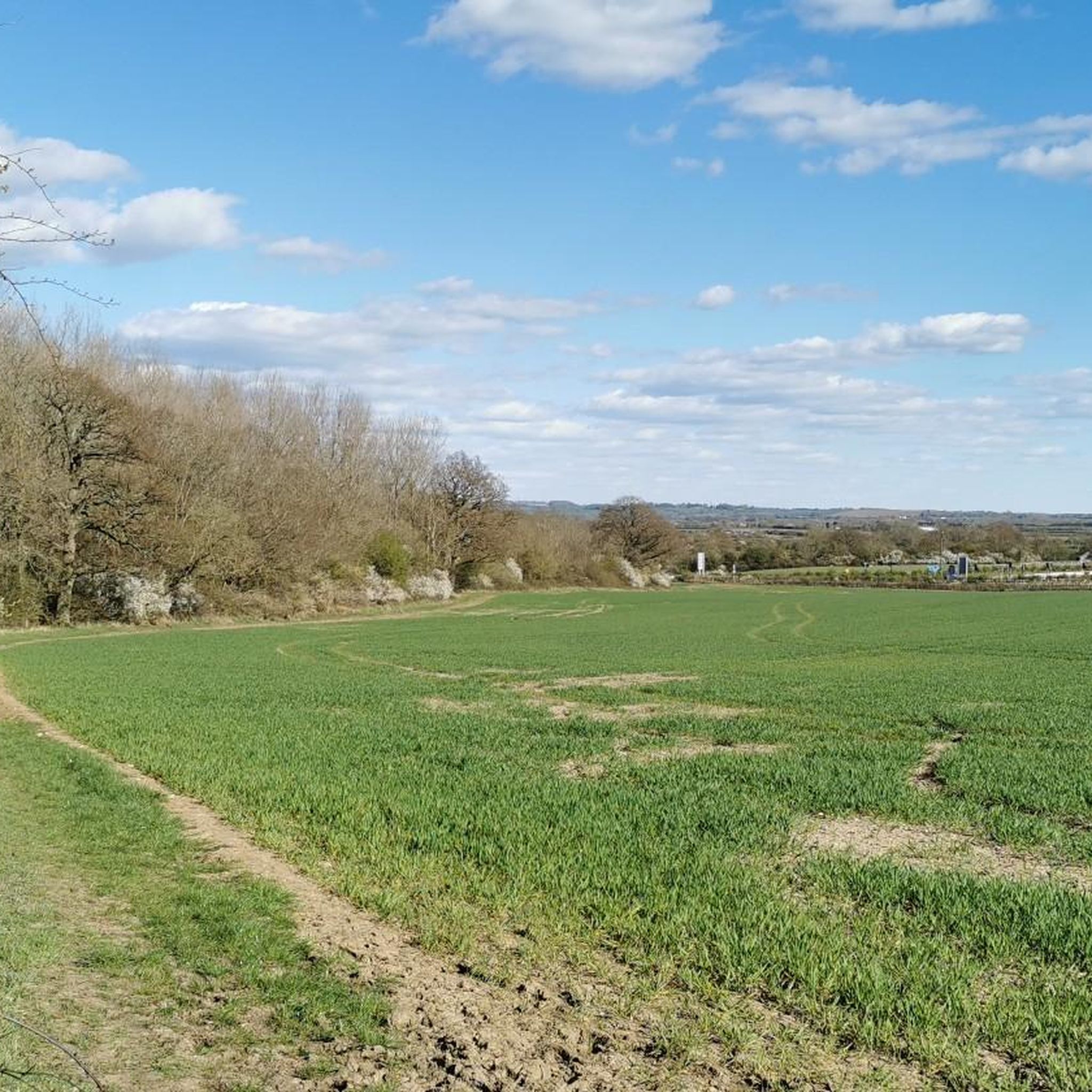
키네튼에서 시작하는 에지 힐 클라임
하이라이트 (구간) • 등반
팁에 의해

무료로 가입하여 게이돈 주변의 더 많은 명소를 발견하세요.
이미 komoot 계정이 있나요?
오늘 무료 계정으로 시작하세요
다음 모험이 기다리고 있어요.


커뮤니티 팁

Edgehill is a great little climb. Steady, never too steep (max about 11%), good road and few cars.
0
0
Nice and steady climb up the edge 😉. About a kilometer of steady 10-14%. Smooth road, modest traffic. Great threshold climb for training.
0
0

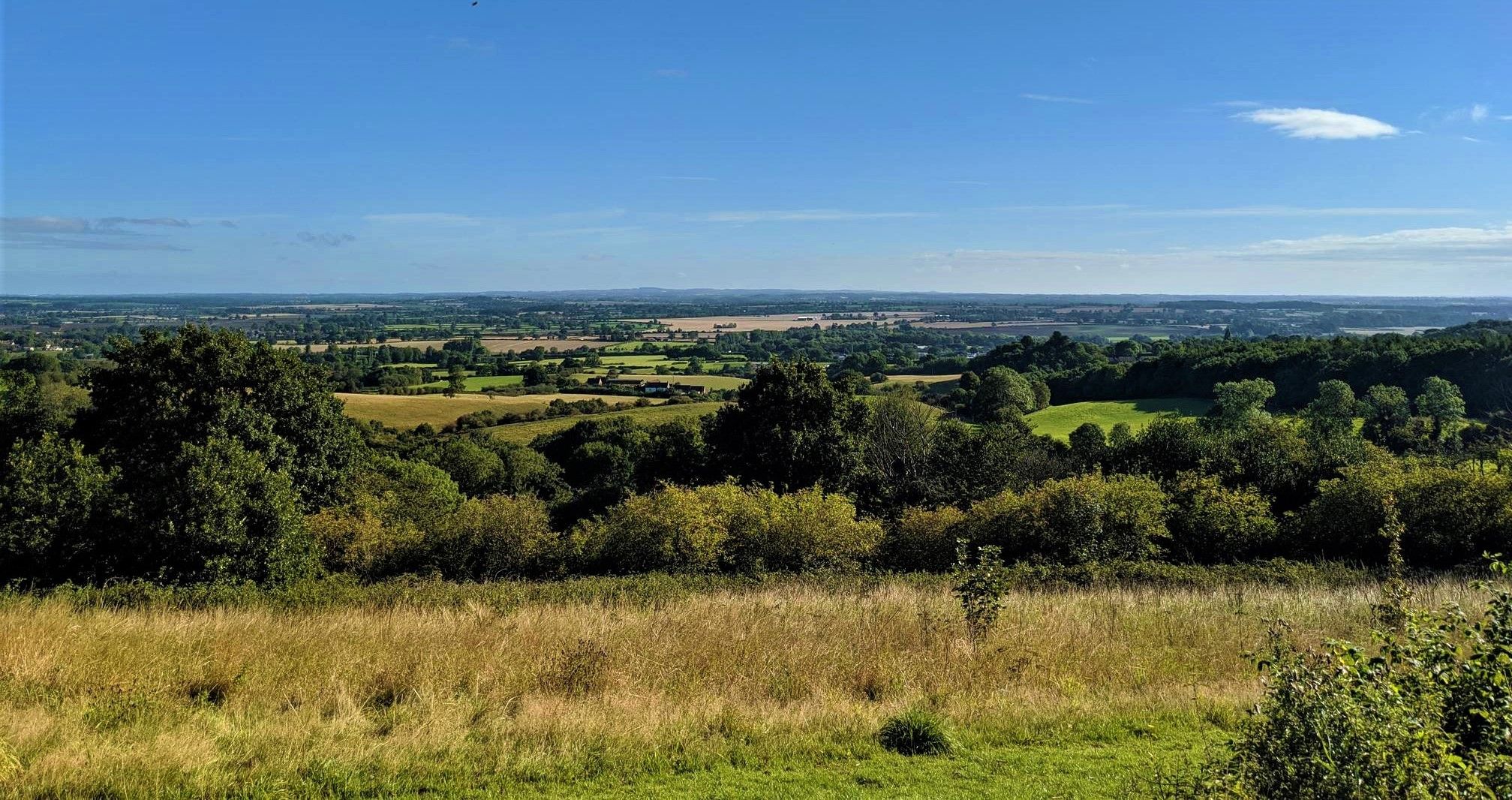
This is the location of the Battle of Edgehill, a pitched battle of the First English Civil War occurring on Sunday 23rd October 1642. A detailed information board stands here describing how the event unfolded, offering a fascinating window into the area's past.
1
0


The Battle of Edgehill (or Edge Hill) was a pitched battle of the First English Civil War. It was fought near Edge Hill and Kineton in southern Warwickshire on Sunday, 23 October 1642. All attempts at constitutional compromise between King Charles and Parliament broke down early in 1642. Both the King and Parliament raised large armies to gain their way by force of arms. In October, at his temporary base near Shrewsbury, the King decided to march to London in order to force a decisive confrontation with Parliament's main army, commanded by the Earl of Essex. Late on 22 October, both armies unexpectedly found the enemy to be close by. The next day, the Royalist army descended from Edge Hill to force battle. After the Parliamentarian artillery opened a cannonade, the Royalists attacked. Both armies consisted mostly of inexperienced and sometimes ill-equipped troops. Many men from both sides fled or fell out to loot enemy baggage, and neither army was able to gain a decisive advantage.
1
0

Currently no. 136 in the best road climbs of the country list this climb on the B4086 near the village of Ratley is a steady 10% gradient for just over 1km. It does ramp up a bit to a max of 13%.
1
0


게이돈 주변에서 가장 인기 있는 경로
게이돈 주변에서 가장 인기 있는 명소


더 살펴보기
찾고 있는 하이라이트를 아직 못 찾으셨나요? 다른 지역의 주요 명소 가이드를 확인해보세요:
