콤프턴 최고의 사이클링 경로
4.5
(197)
1,910
자전거 타는 사람
215
라이딩
콤프턴 최고의 사이클링 경로를 찾으시나요? 콤프턴에서 가장 멋진 자전거 라이딩 장소를 살펴본 후에 바로 떠나보세요. 여기서 마음에 드는 경로만 고르시면 돼요!
마지막 업데이트: 10월 10, 2026
8
자전거 타는 사람
24.7km
01:42
340m
340m
보통 자전거 타기. 좋은 체력 필요. 대부분 포장된 지면. 실력과 관계없이 누구나 갈 수 있음.
4
자전거 타는 사람
24.0km
01:30
270m
270m
보통 자전거 타기. 좋은 체력 필요. 대부분 포장된 지면. 실력과 관계없이 누구나 갈 수 있음.

3
자전거 타는 사람
14.6km
00:57
120m
120m
초급용 자전거 라이딩. 모든 체력 수준에 적합. 대부분 포장된 지면. 실력과 관계없이 누구나 갈 수 있음.
7
자전거 타는 사람
20.7km
01:17
120m
120m
어려운 자전거 타기. 모든 체력 수준에 적합. 투어 중 자전거를 끌고 가야 하는 구간이 있을 수 있음.
5
자전거 타는 사람
24.1km
01:59
340m
340m
어려운 자전거 타기. 좋은 체력 필요. 투어 중 자전거를 끌고 가야 하는 구간이 있을 수 있음.
더 다양한 경로와 다른 탐험가들의 추천을 살펴보세요.
이미 komoot 계정이 있나요?
투어 추천은 다른 사람들이 komoot에서 완료한 수천 개의 활동을 바탕으로 구성되어 있습니다.
오늘 무료 계정으로 시작하세요
다음 모험이 기다리고 있어요.
커뮤니티 팁

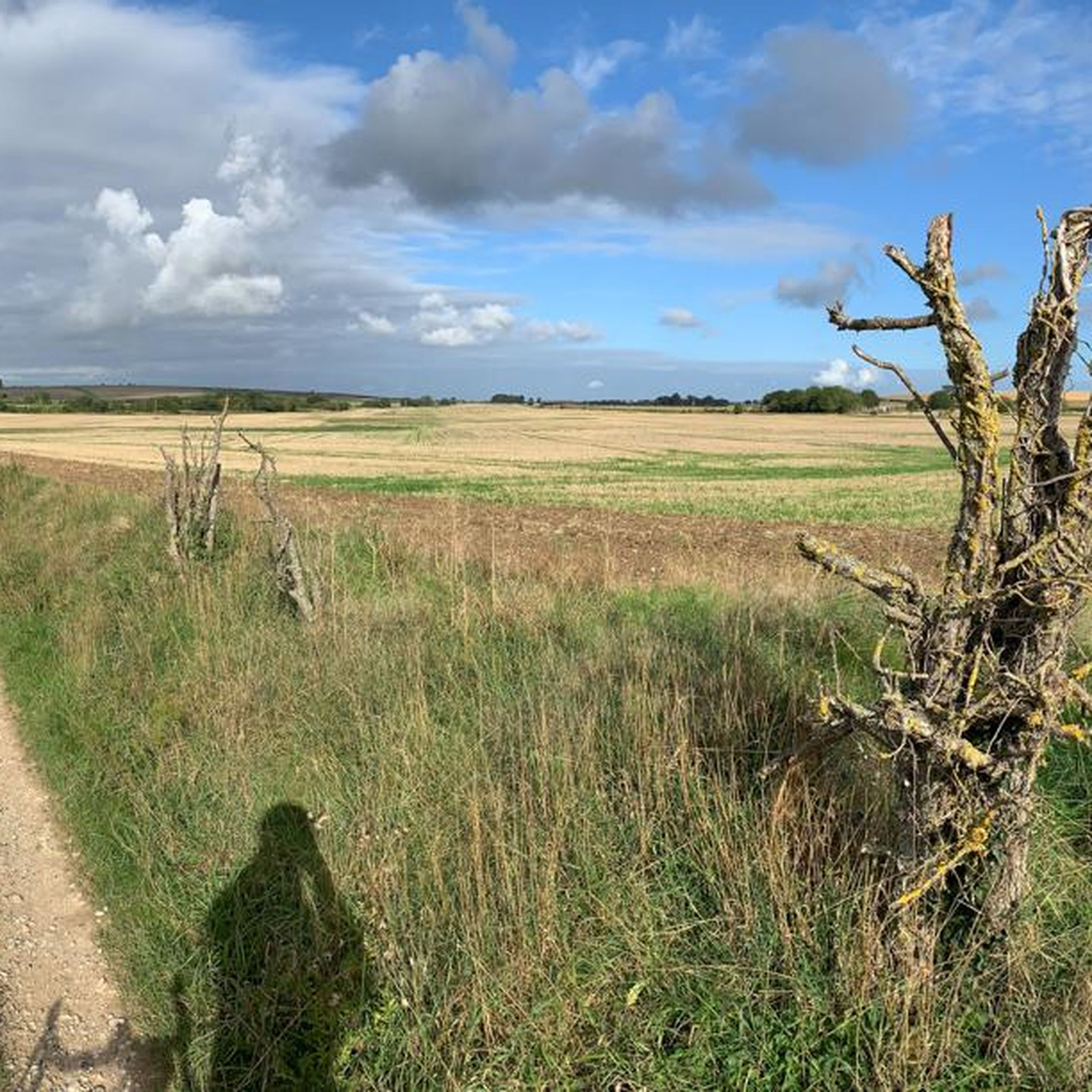
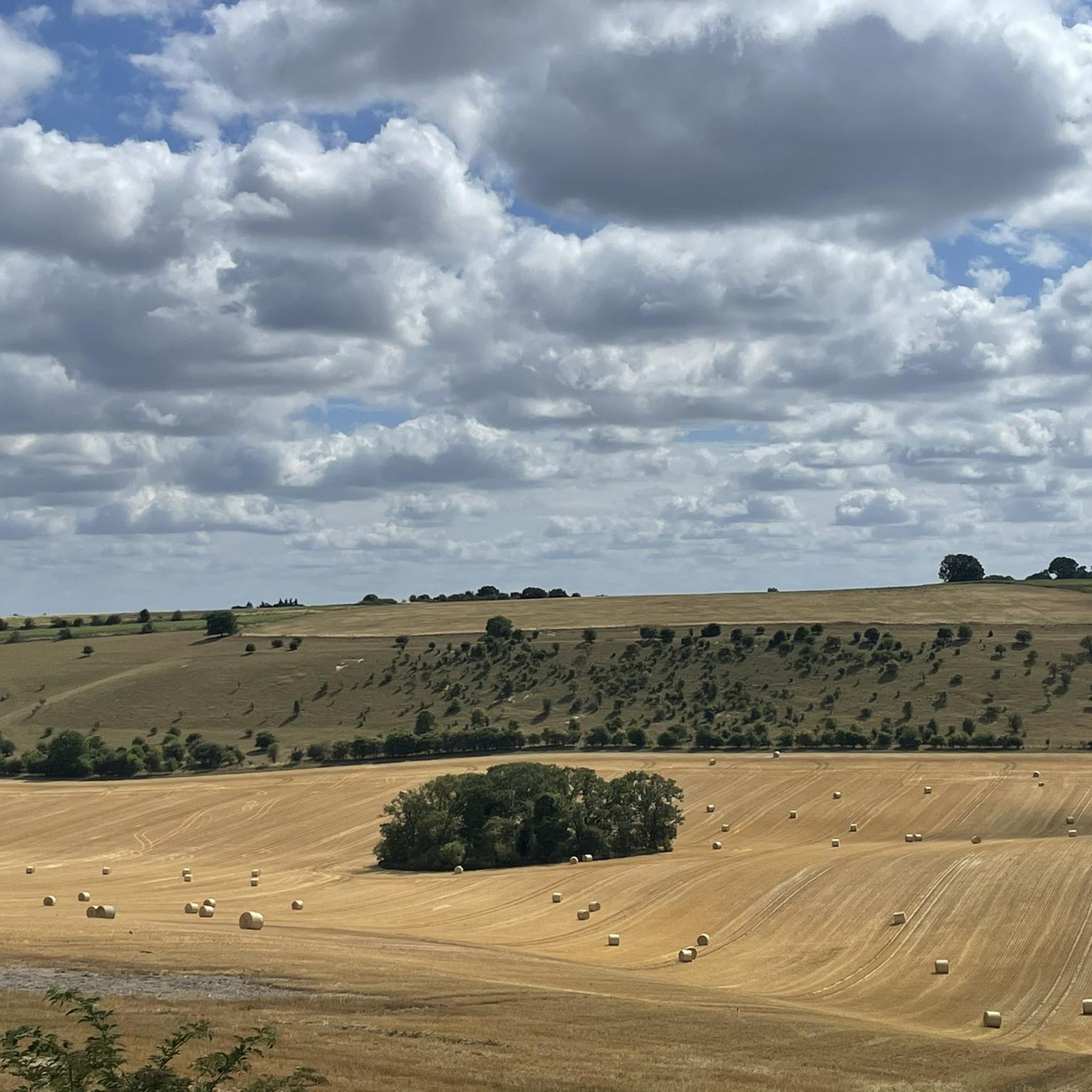
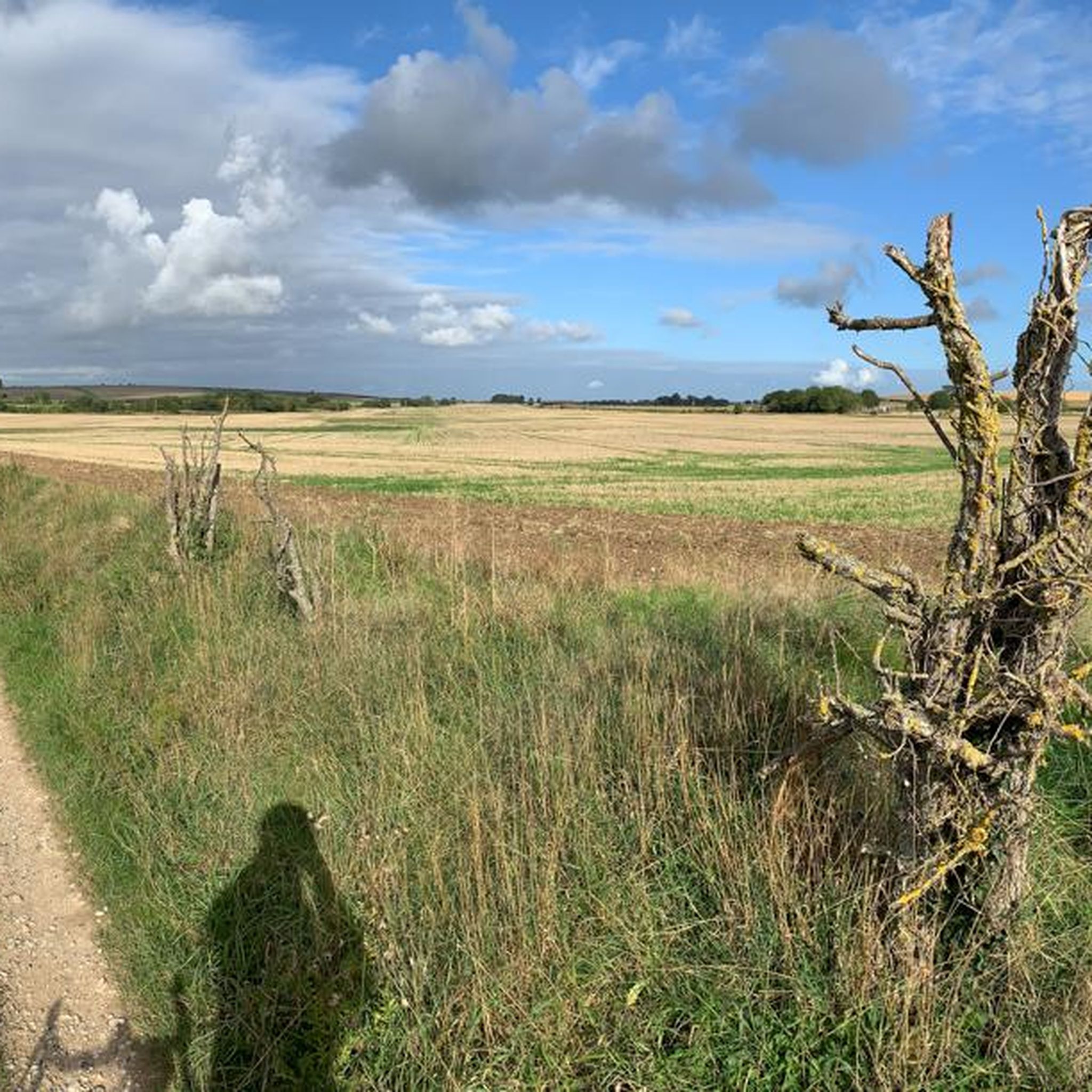
정말 멋진 라이딩이었습니다. 잘 구성되어 있으며 지역의 마도와 샛길을 최대한 활용합니다. 8월 가뭄 때 라이딩하여 매우 건조한 날씨였지만 탐험하기에 아름다운 지역이었습니다.
0
0

Although most riders finish King Alfred’s Way in Winchester, I wrapped up my journey in Reading—making this stunning Ridgeway section into Streatley one of my final and most memorable stretches. The open chalk track offers incredible views over the Thames Valley, followed by a flowing descent into Streatley & Goring—an ideal place to pause, refuel, and take in the last big skies before rolling to the end. 🚴♂️ Fast but rideable chalk descent (even in damp conditions), watch for walkers and ruts. 📍 Café and rest stop options in Streatley/Goring.
1
0


Mention should be made of the Norman ‘flower-pot’ font. These are fairly common in Berkshire and the design was probably copied from the Jewish stone jars used for ritual washing in the time of Jesus, and referred to in the Gospel of St John at the wedding in Cana of Galilee. Today a similar jar can be seen in the Orthodox Church in Cana.
0
0
Laurence Binyon, 1869-1943, whose ashes are buried with those of his wife Cicily by the beech hedge bounding the churchyard, is especially remembered for the words of his poem “For the Fallen”, quoted at Remembrance Day Services: “They shall grow not old, as we that are left grow old: Age shall not weary them, nor the years condemn. At the going down of the sun and in the morning We will remember them.” Those from the village who gave their lives in the two World Wars are remembered in the east window and on the Memorial on the outside wall.
0
0
Yes this area is famous for the giants and the yew tree, but let's not over look the beautiful little church. St Mary’ church in Aldworth dates back in part to around 1200. The oldest part of Aldworth Church is the lower half of the tower, which is in the style known as Transitional Norman and may be dated about the year 1200, but the site is probably much older. The original circular shape of the churchyard suggests an earlier pagan burying ground which can still be seen by a ring of holly trees to the east of the church. The church yard was extended to the beech hedge in the 1930s. The Jacobean pulpit was once in St Lawrence’s Church, Reading. For some reason it was no longer wanted there and was sold or given to Aldworth about the year 1740. The reading desk is also a splendid piece of carving, but its history is not known. It hardly looks as if it was originally intended for a church.
0
0
Effigy 8. Nicholas de la Beche, the third brother, was Lieutenant of the Tower of London and oversaw the upbringing of The Black Prince. In 1338 he was given permission to castellate (fortfiy) his homes at Beaumys and Aldworth. He seems to have received the anger of Edward III over some shortfalls in supplying the king's campaigns in France in 1340 but was quickly forgiven, being made a baron in 1342, summoned to the Great Council and made Steward of Gascony. Nicholas was also one of those chosen to negotiate with Alfonso, the King of Castile on Edward III's behalf over some disputes with their respective citizens. He died shortly after returning from a French military campaign in 1347. Carved hounds sat at Nicholas' feet, although again, these had been destroyed by 1880. Effigy 9. John de la Beche, the son of Isabella and John. He lies without armour with a dog at his feet. By 1880 the head, hands and feet of the effigy had been destroyed. John died in 1340.
1
0
콤프턴 주변에서 가장 인기 있는 명소


더 살펴보기
다른 지역의 최고의 자전거 경로를 살펴보세요.
