콤프턴과 쇼포드 최고의 워킹 & 하이킹 경로
4.5
(1283)
12,664
등산객
46
하이킹
Komoot에 등록된 콤프턴과 쇼포드 내 트레일 및 경로 컬렉션 중에서 하이킹과 워킹을 가장 멋지게 즐길 수 있는 곳을 알려드릴게요. 아래에서 각 경로의 상세 정보를 모두 확인한 후, 콤프턴과 쇼포드 속 자연에서 즐거운 시간을 누려보세요.
마지막 업데이트: 9월 13, 2026
2.5
(2)
26
등산객
5.34km
01:28
90m
90m
초급용 하이킹. 모든 체력 수준에 적합. 실력과 관계없이 누구나 쉽게 갈 수 있는 길.
4.8
(13)
110
등산객
22.7km
05:52
120m
120m
어려운 하이킹. 우수한 체력 필요. 실력과 관계없이 누구나 쉽게 갈 수 있는 길.

5.0
(3)
112
등산객
9.33km
02:30
100m
100m
보통 하이킹. 좋은 체력 필요. 실력과 관계없이 누구나 쉽게 갈 수 있는 길.
4.9
(11)
37
등산객
14.5km
03:51
140m
140m
보통 하이킹. 좋은 체력 필요. 실력과 관계없이 누구나 쉽게 갈 수 있는 길.
5.0
(9)
42
등산객
8.02km
02:13
140m
140m
보통 하이킹. 좋은 체력 필요. 실력과 관계없이 누구나 쉽게 갈 수 있는 길.
더 다양한 경로와 다른 탐험가들의 추천을 살펴보세요.
이미 komoot 계정이 있나요?
투어 추천은 다른 사람들이 komoot에서 완료한 수천 개의 활동을 바탕으로 구성되어 있습니다.
오늘 무료 계정으로 시작하세요
다음 모험이 기다리고 있어요.
콤프턴과 쇼포드 주변의 다른 모험

커뮤니티 팁

From the summit of St Catherine's Hill, a chalk downland hill ringed by the ramparts of an Iron Age hillfort and topped by a distinct copse of beech trees, visitors are afforded a magnificent panoramic view, primarily looking north over the historic city of Winchester. The most prominent landmarks visible are the spire of Winchester Cathedral rising above the city's rooftops, the distinctive architecture of the Hospital of St Cross nestled in the River Itchen water meadows below, and the winding course of the River Itchen itself as it cuts through the valley floor. Looking south and east, the view encompasses the rolling chalk downland of the South Downs National Park and the prominent cutting of the M3 motorway through Twyford Down.
0
0
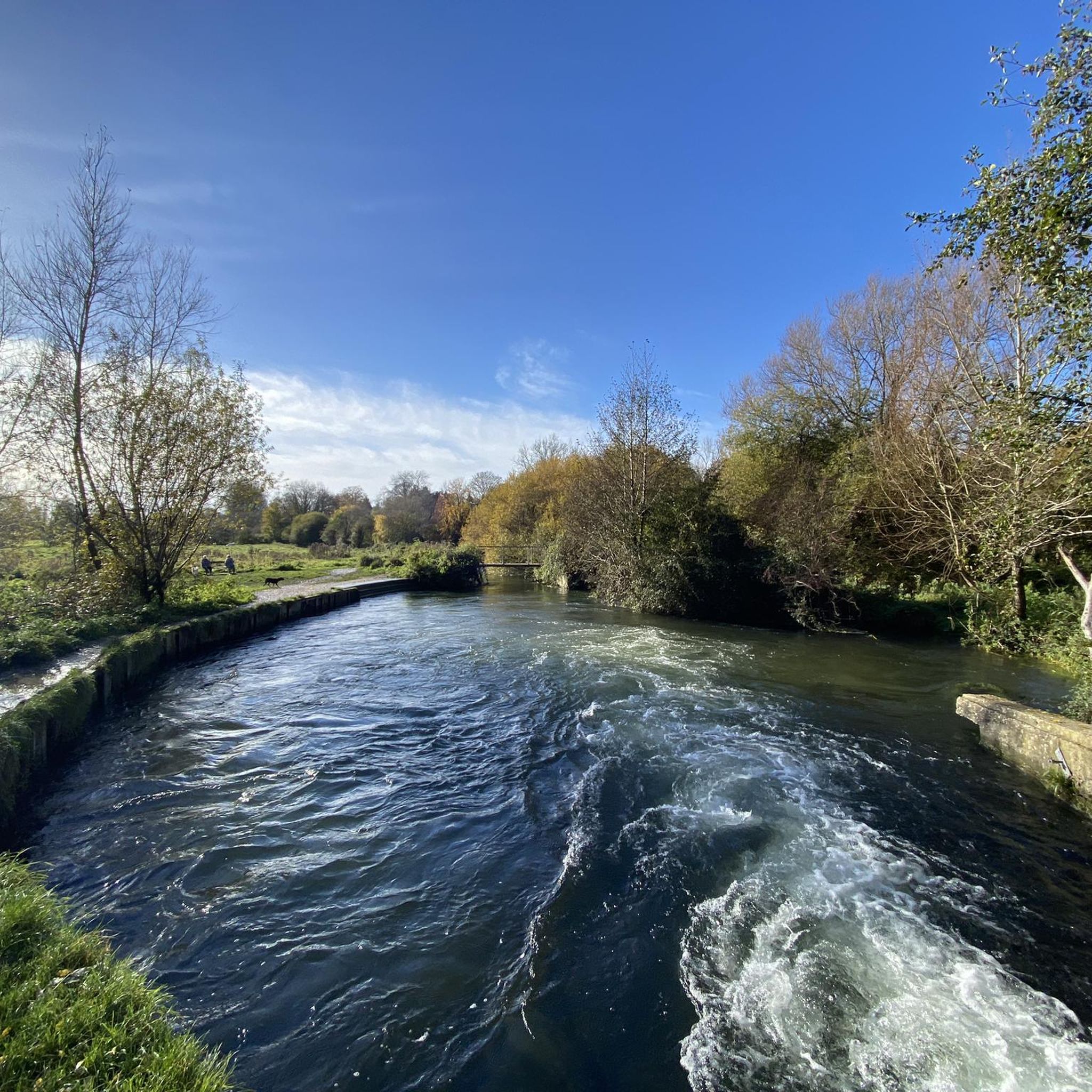
The Faladoon Nature Reserve is a peaceful, lesser-known area, historically associated with Winchester College, that lies alongside the internationally important River Itchen chalk stream. Located near Winchester, this reserve forms a green corridor that offers tranquil walks, including a loop that connects to the historic Hockley Railway Viaduct. The area is significant for its diverse flora and fauna typical of a managed chalk-river flood plain, providing habitat for various bird species like kingfishers and woodpeckers, and serving as a key spot for local wildlife enthusiasts and conservation groups like the Conchological Society due to the presence of rare mollusc species.
0
0
The iconic, but deteriorating, wooden steps on the main path up St Catherine's Hill have recently been replaced by the Hampshire & Isle of Wight Wildlife Trust as part of a crucial refurbishment project. The new steps are constructed from durable, anti-slip treated timber to provide a safer, more stable, and more sustainable route for visitors, with an expected lifespan of at least 30 years. This essential conservation work is designed not only to improve public access to the historic Iron Age hillfort but also to safeguard the site's fragile chalk grassland and biodiversity by preventing visitors from creating unsanctioned, damaging paths.
2
0
St Catherine's Hill is a prominent chalk downland hill on the outskirts of Winchester, notable for its layered historical and ecological importance. Now a biological Site of Special Scientific Interest (SSSI) managed as a nature reserve, its summit is ringed by the impressive earthworks of a univallate Iron Age hillfort dating back over 2,000 years. The top is marked by a distinctive copse of beech trees, known as 'The Clump', which contains the scant ruins of the 12th-century St Catherine's Chapel, while the hillside features a turf-cut labyrinth known as the Miz-Maze; the entire site provides spectacular views over the city, the Itchen Valley, and supports a rich variety of wildflowers and butterflies, including the protected Chalkhill Blue.
1
0
St Catherine's Hill is a prominent chalk downland hill on the outskirts of Winchester, notable for its layered historical and ecological importance. Now a biological Site of Special Scientific Interest (SSSI) managed as a nature reserve, its summit is ringed by the impressive earthworks of a univallate Iron Age hillfort dating back over 2,000 years. The top is marked by a distinctive copse of beech trees, known as 'The Clump', which contains the scant ruins of the 12th-century St Catherine's Chapel, while the hillside features a turf-cut labyrinth known as the Miz-Maze; the entire site provides spectacular views over the city, the Itchen Valley, and supports a rich variety of wildflowers and butterflies, including the protected Chalkhill Blue.
1
0
Stop and find a place to to take a good pic of the Church along this section. The Hospital of St Cross and Almshouse of Noble Poverty in Winchester is one of England's oldest continuing charitable institutions, founded around 1132 by Bishop Henry of Blois to provide relief for thirteen poor men and food for many others, a mission later expanded by Cardinal Henry Beaufort. Renowned for its beautiful medieval and Norman architecture, including a magnificent church described as a "cathedral in miniature," it functions today as an almshouse providing accommodation for around 25 elderly men, known as the Brothers, who wear traditional black or claret gowns. Visitors often seek the traditional Wayfarer's Dole, a small cup of beer and a piece of bread offered to any traveller upon request, continuing an ancient tradition of hospitality.
1
0
Wolvesey Castle (also known as the Old Bishop's Palace) was the medieval residence of the extremely wealthy and powerful Bishops of Winchester.
0
0
Features: The medieval complex included two great halls (East and West), a huge kitchen block, a keep, and one of the earliest known piped water supply systems in medieval Britain. Royal Connections: Due to the decline of Winchester Castle, Wolvesey became the favoured lodging for royalty visiting the city. The most famous event was the wedding banquet of Queen Mary I and Philip II of Spain in 1554, which took place in the East Hall before their marriage ceremony in Winchester Cathedral. Destruction: Wolvesey Castle was significantly damaged and largely stripped of its fortifications by the Parliamentarians (Roundheads) in 1646 during the English Civil War. Replacement Palace: The medieval palace was eventually abandoned in the 17th century. The site's fortunes changed with the Restoration of the Monarchy: Bishop George Morley (1662–1684) commissioned the construction of a new, smaller Baroque palace right next to the ruins. This palace was later partially demolished but its surviving West Wing remains the current private residence of the Bishop of Winchester today.
0
0
콤프턴과 쇼포드 주변에서 가장 인기 있는 명소


더 살펴보기
다른 지역의 최고의 하이킹를 살펴보세요.
