칠콤 최고의 워킹 & 하이킹 경로
4.5
(1448)
13,386
등산객
591
하이킹
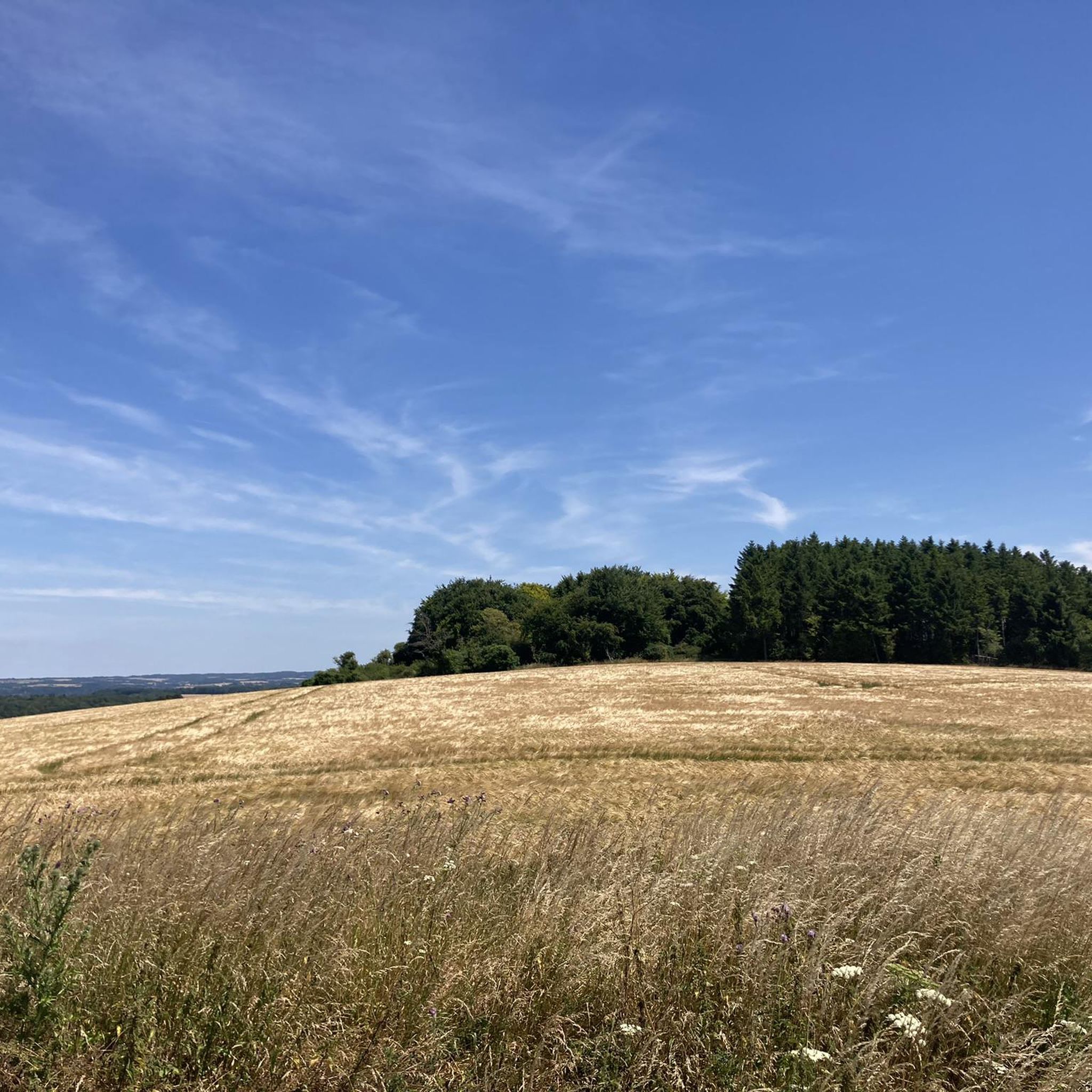
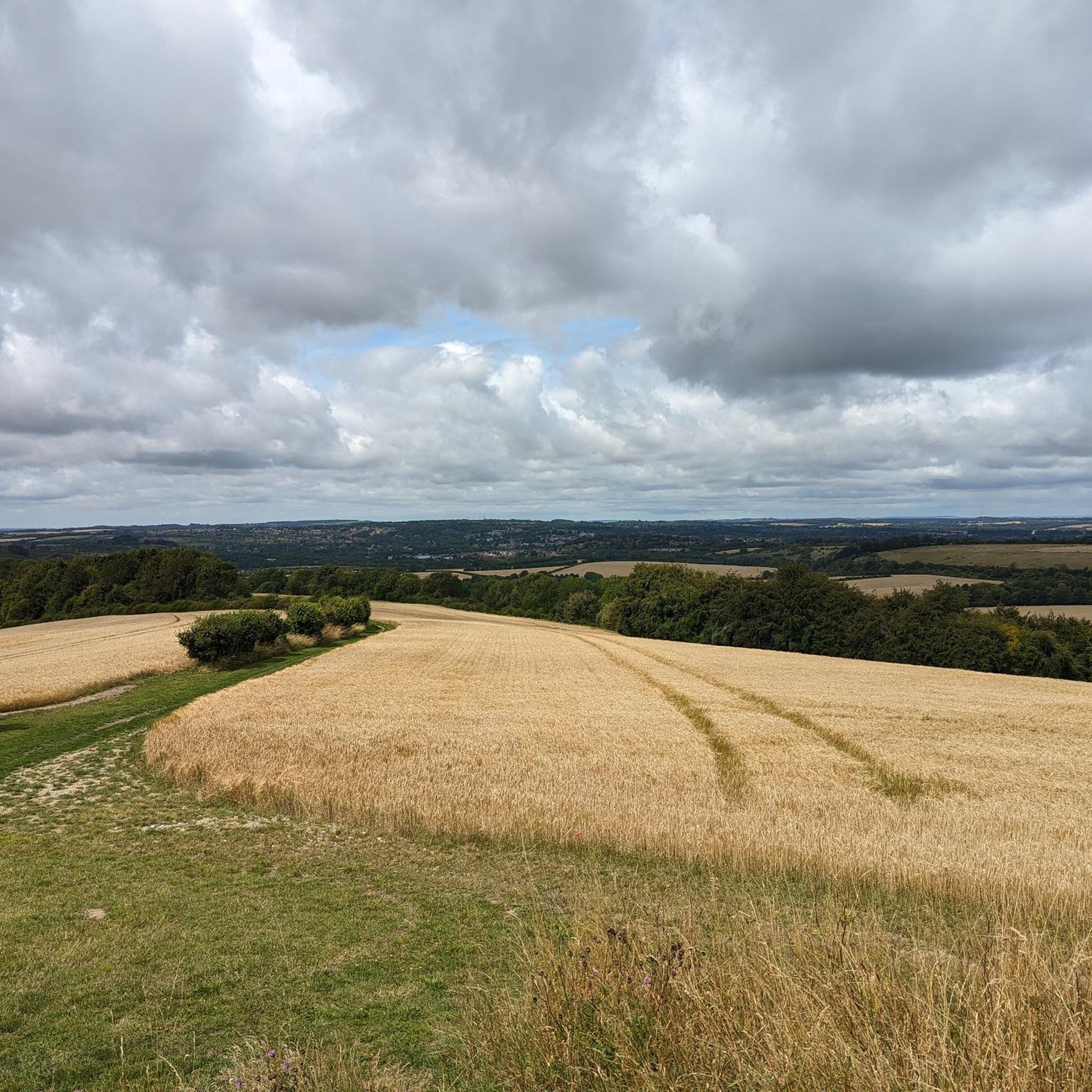
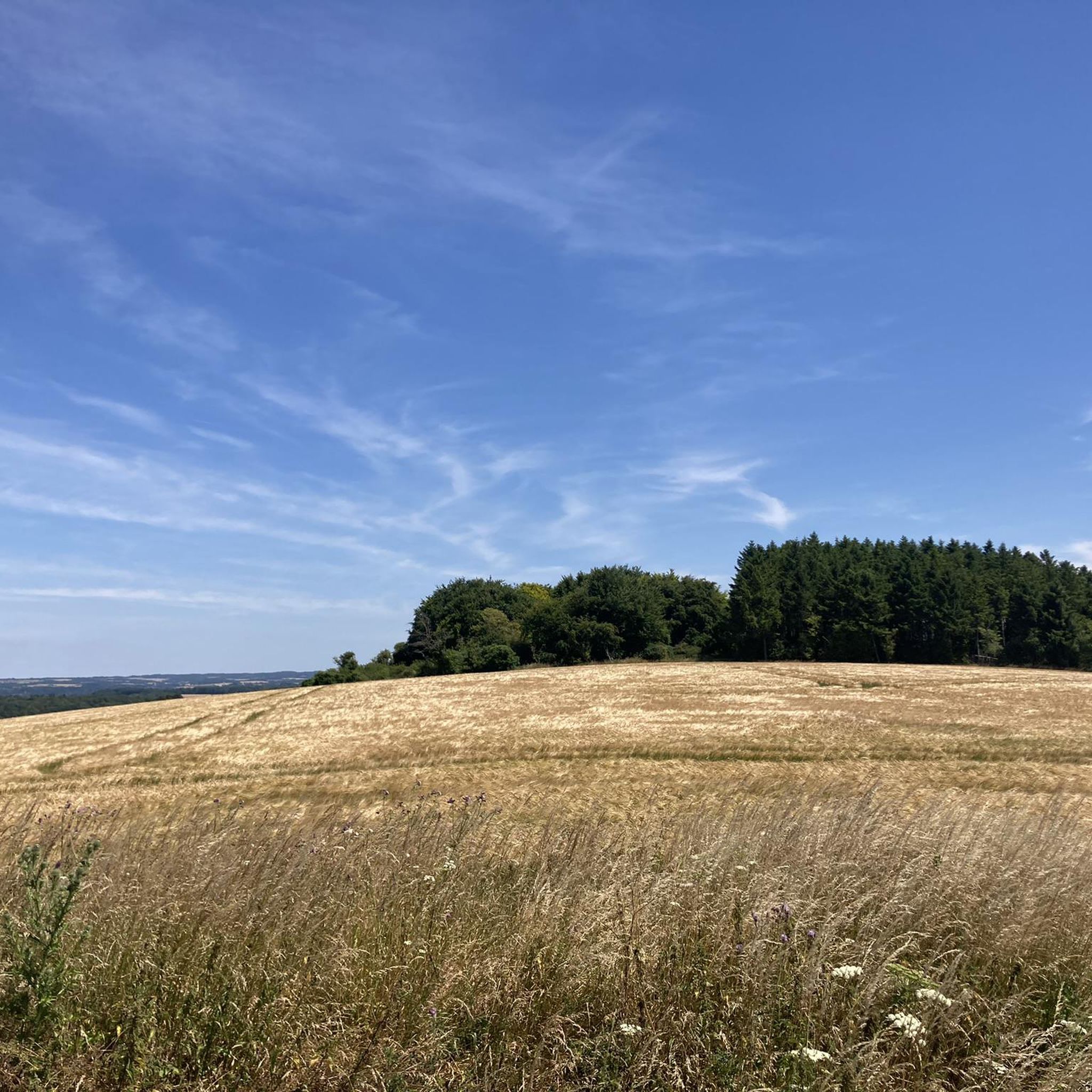
칠콤 주변 하이킹은 사우스 다운스 국립공원 내의 완만한 석회암 구릉과 강 계곡을 탐험합니다. 이 지역은 석회암 지질이 특징이며, 광활한 전망을 자랑하는 풀밭 언덕과 잇쳔 강을 따라 이어지는 완만한 길로 이루어진 다양한 지형을 만들어냅니다. 많은 코스는 사우스 다운스 웨이 국립 트레일 구간을 포함하며, 치즈풋 헤드와 같은 역사 유적지와 세인트 캐서린 힐과 같은 자연 명소를 지나갑니다. 이 지역은 고요한 강변 산책과 도전적인 언덕 등반을 모두 제공합니다.
칠콤 주변 최고의 하이킹 코스
- 가장 인기 있는 하이킹 코스는 햄프셔 출발, 간더 다운 – 치즈풋…
마지막 업데이트: 10월 7, 2026
4.8
(5)
20
등산객
21.8km
05:58
330m
330m
Hike the difficult 13.6-mile Cheesefoot Head and Owslebury Loop in South Downs National Park, gaining 1078 feet over varied terrain.
4.7
(15)
63
등산객
12.2km
03:21
190m
190m
보통 하이킹. 좋은 체력 필요. 실력과 관계없이 누구나 쉽게 갈 수 있는 길.

4.7
(6)
55
등산객
11.5km
03:07
150m
150m
보통 하이킹. 좋은 체력 필요. 실력과 관계없이 누구나 쉽게 갈 수 있는 길.
3.0
(1)
17
등산객
8.41km
02:12
60m
60m
보통 하이킹. 좋은 체력 필요. 실력과 관계없이 누구나 쉽게 갈 수 있는 길.
3.3
(3)
21
등산객
7.93km
02:13
150m
150m
보통 하이킹. 좋은 체력 필요. 실력과 관계없이 누구나 쉽게 갈 수 있는 길.
더 다양한 경로와 다른 탐험가들의 추천을 살펴보세요.
이미 komoot 계정이 있나요?
투어 추천은 다른 사람들이 komoot에서 완료한 수천 개의 활동을 바탕으로 구성되어 있습니다.
오늘 무료 계정으로 시작하세요
다음 모험이 기다리고 있어요.

커뮤니티 팁


The Faladoon Nature Reserve is a peaceful, lesser-known area, historically associated with Winchester College, that lies alongside the internationally important River Itchen chalk stream. Located near Winchester, this reserve forms a green corridor that offers tranquil walks, including a loop that connects to the historic Hockley Railway Viaduct. The area is significant for its diverse flora and fauna typical of a managed chalk-river flood plain, providing habitat for various bird species like kingfishers and woodpeckers, and serving as a key spot for local wildlife enthusiasts and conservation groups like the Conchological Society due to the presence of rare mollusc species.
0
0
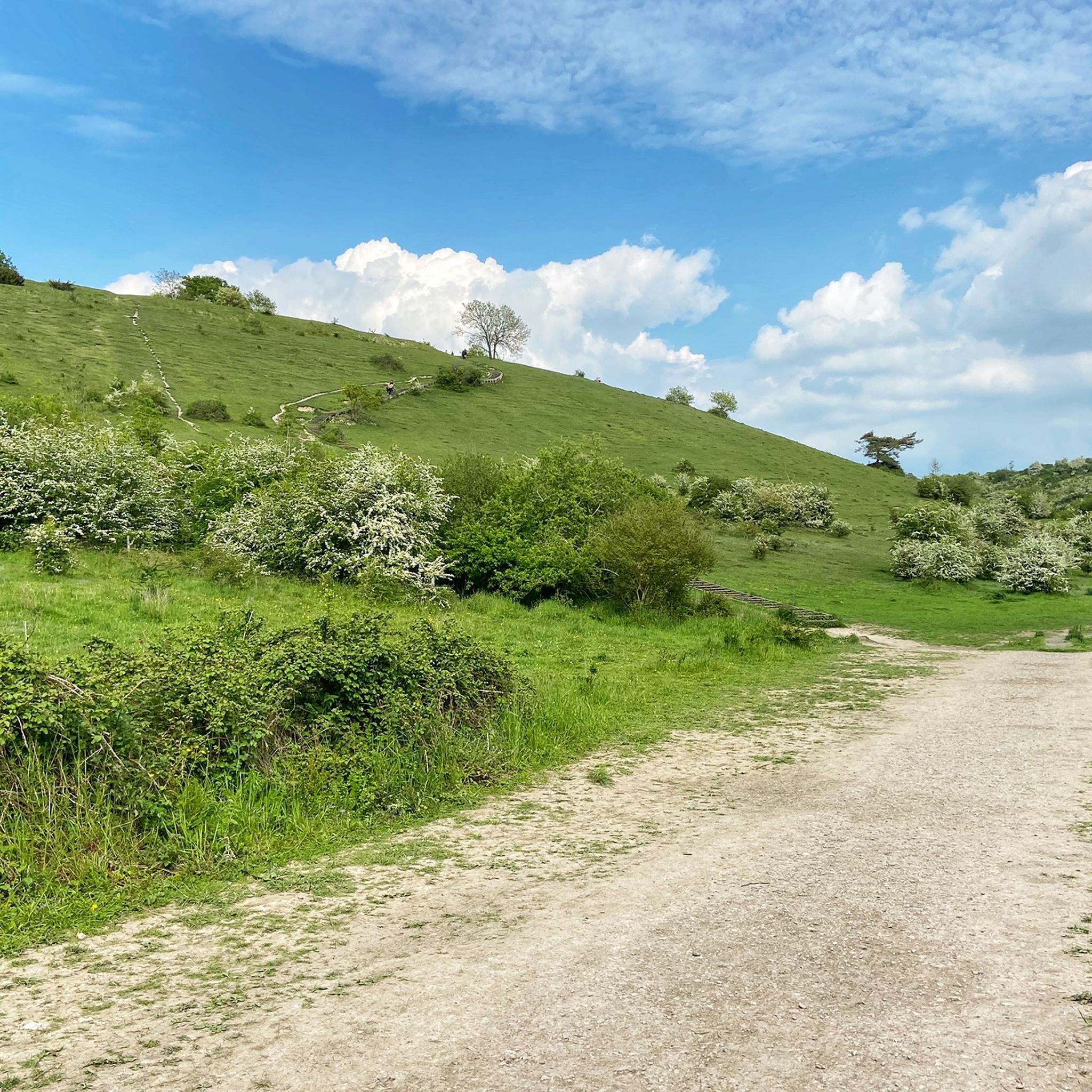
St Catherine's Hill is a prominent chalk downland hill on the outskirts of Winchester, notable for its layered historical and ecological importance. Now a biological Site of Special Scientific Interest (SSSI) managed as a nature reserve, its summit is ringed by the impressive earthworks of a univallate Iron Age hillfort dating back over 2,000 years. The top is marked by a distinctive copse of beech trees, known as 'The Clump', which contains the scant ruins of the 12th-century St Catherine's Chapel, while the hillside features a turf-cut labyrinth known as the Miz-Maze; the entire site provides spectacular views over the city, the Itchen Valley, and supports a rich variety of wildflowers and butterflies, including the protected Chalkhill Blue.
1
0
The striking bronze statue of King Alfred the Great is one of Winchester's most recognizable landmarks, dominating The Broadway at the eastern end of the High Street near the River Itchen. Sculpted by Sir Hamo Thornycroft, the colossal, 15-foot-tall figure was erected in 1901 to commemorate the millennium of the king's death—a pivotal figure who made Winchester his capital and is credited with being "The Founder of the Kingdom and Nation," as inscribed on its granite base. Depicting a heroic, bearded Alfred in a regal stance with a downward-pointing sword hilt forming a cross, the statue celebrates his dual role as a military champion against the Vikings and an early Christian leader, all while standing proudly in the city he helped define.
1
0
Yes it has a few banks, clothes outlets, and plenty of coffee shops, but nevermind all that. It has so much history on this street. Curfew bells, oldest pub in England, hidden churches, statues, the lockburn ( find it ) ah it's just got so much!!
1
0
a key landmark that crosses the River Itchen right next to the famous Winchester City Mill on the eastern edge of the city centre.
1
0
The Sword: Alfred is shown grasping a large, cross-hilted sword with the point facing downwards. This posture is symbolic, representing not just his prowess as a warrior who defended his kingdom against the Vikings, but also his role as a Christian leader, with the hilt forming the shape of a cross. The Pedestal: The statue rests on a large pedestal of Cornish granite, which is inscribed with just one word: AELFRED. Historical Portrayal: Thornycroft's depiction is a romanticized, heroic one—showing Alfred with a long, flowing beard—even though contemporary coins suggest the King was clean-shaven. The monument represents the Victorian-era idea of Alfred as a perfect warrior, statesman, and philosopher king.
0
0
The statue depicts Alfred the Great (847–899 AD), who was the King of the West Saxons and is traditionally regarded as the first King of the Anglo-Saxons and the founder of the Kingdom of England. Winchester was his capital. Sculptor: Sir Hamo Thornycroft, a highly-regarded Royal Academician. Completion: It was completed in 1901, although it was commissioned to mark the millennium of King Alfred's death (which was in 899 AD). Size: The bronze statue is monumental, standing at 15 feet (4.57 m) high and weighing about five tons. The total height with its granite pedestal is around 40 feet. Location: It stands prominently at the eastern end of The Broadway, near the junction with Bridge Street and Eastgate Street, with the High Street extending behind it toward the city centre.
0
0
칠콤 주변에서 가장 인기 있는 경로
칠콤 주변에서 가장 인기 있는 명소


더 살펴보기
다른 지역의 최고의 하이킹를 살펴보세요.
