20의 카나비가지 명소 & 주요 장소
카나비에는 둘러볼 만한 장소가 많답니다. 하이킹 또는 사이클링을 좋아한다면 카나비에 숨겨진 20
가지 보석을 만날 수 있을 거예요. 이 지역의 주요 명소를 살펴보면서 다음 모험을 계획해보세요.
마지막 업데이트: 8월 29, 2026
RSPB 벰프턴 절벽 자연보호구역
하이라이트 (구간) • 전망대
팁에 의해


이런 장소를 발견하려면 지금 가입하세요
최고의 싱글 트랙, 봉우리 및 다양한 흥미로운 야외 장소에 대한 추천을 받아보세요.
무료 회원 가입
쏜윅 베이의 밀수꾼 동굴
하이라이트 • 자연 기념물
팁에 의해


브리들링턴 해변과 대관람차
하이라이트 • 해변
팁에 의해

무료로 가입하여 카나비 주변의 더 많은 명소를 발견하세요.
무료 회원 가입
이미 komoot 계정이 있나요?
오늘 무료 계정으로 시작하세요
다음 모험이 기다리고 있어요.
로그인 또는 가입하기
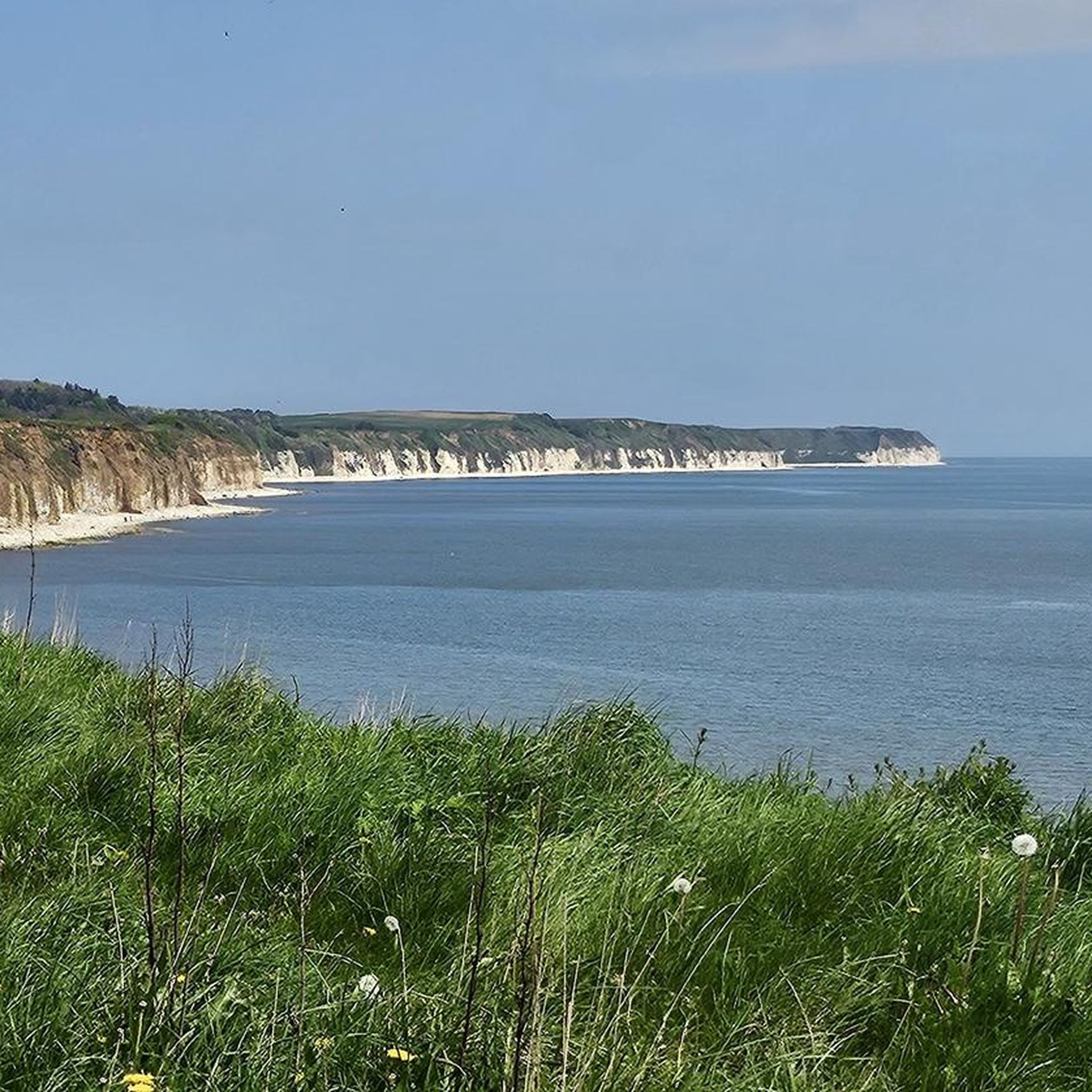
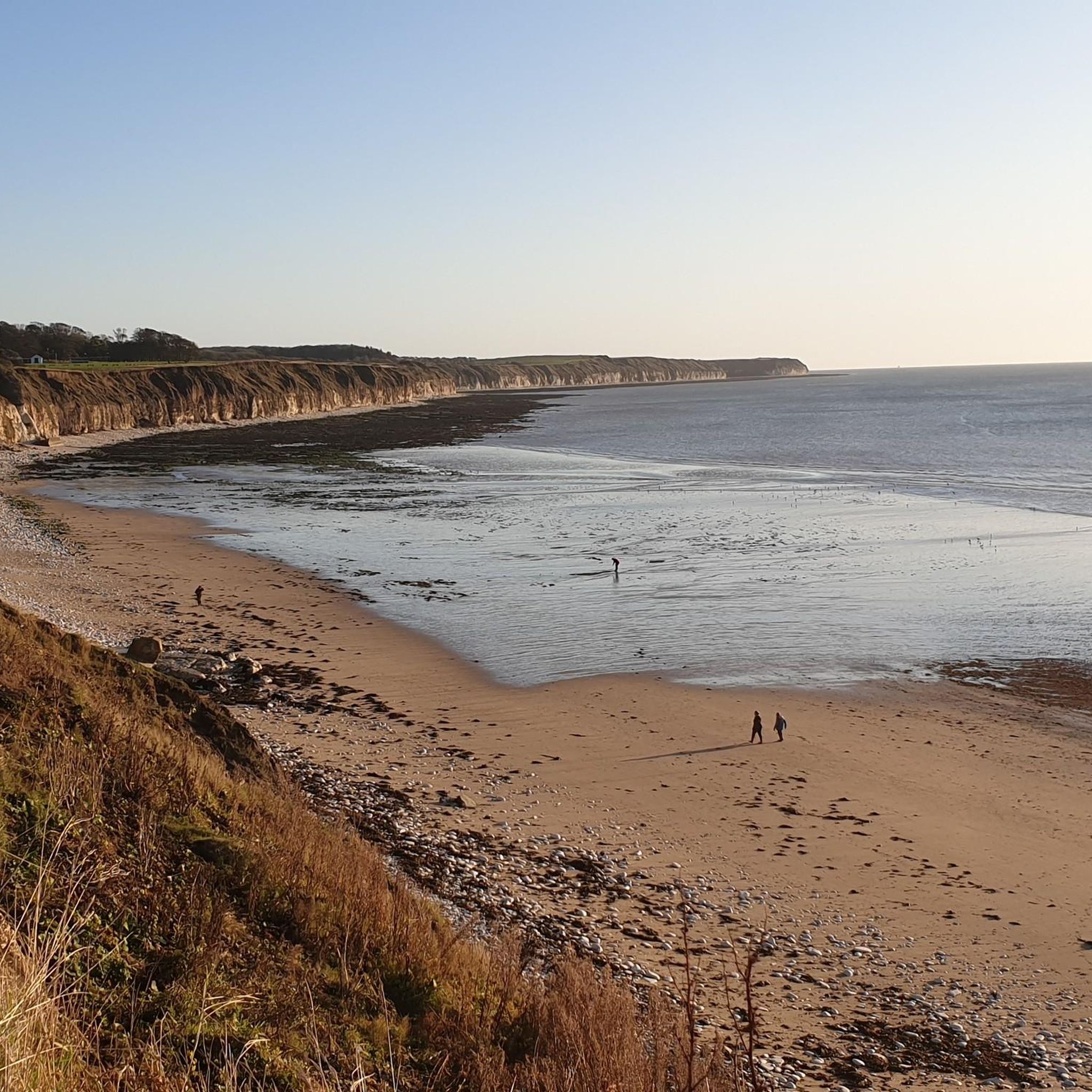
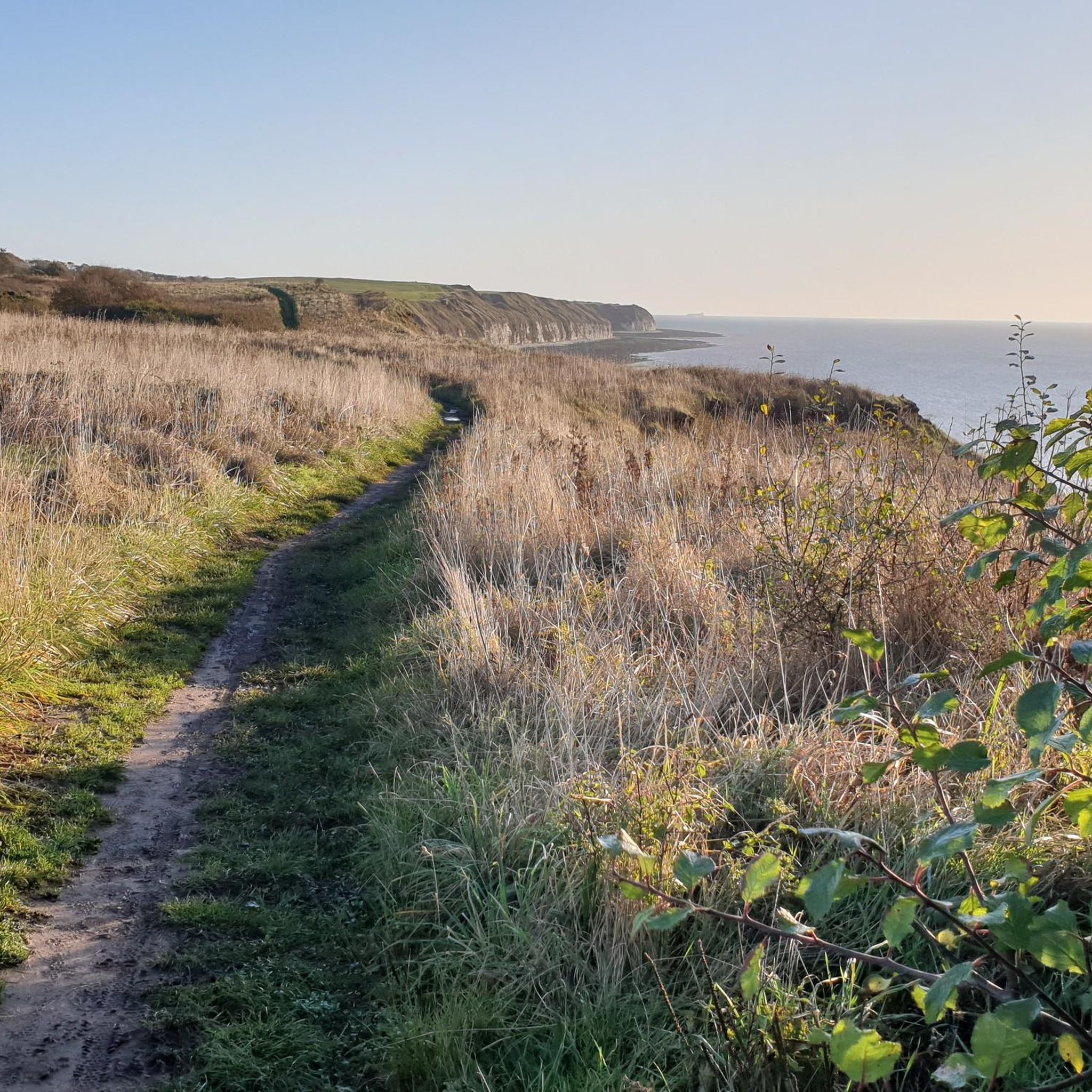
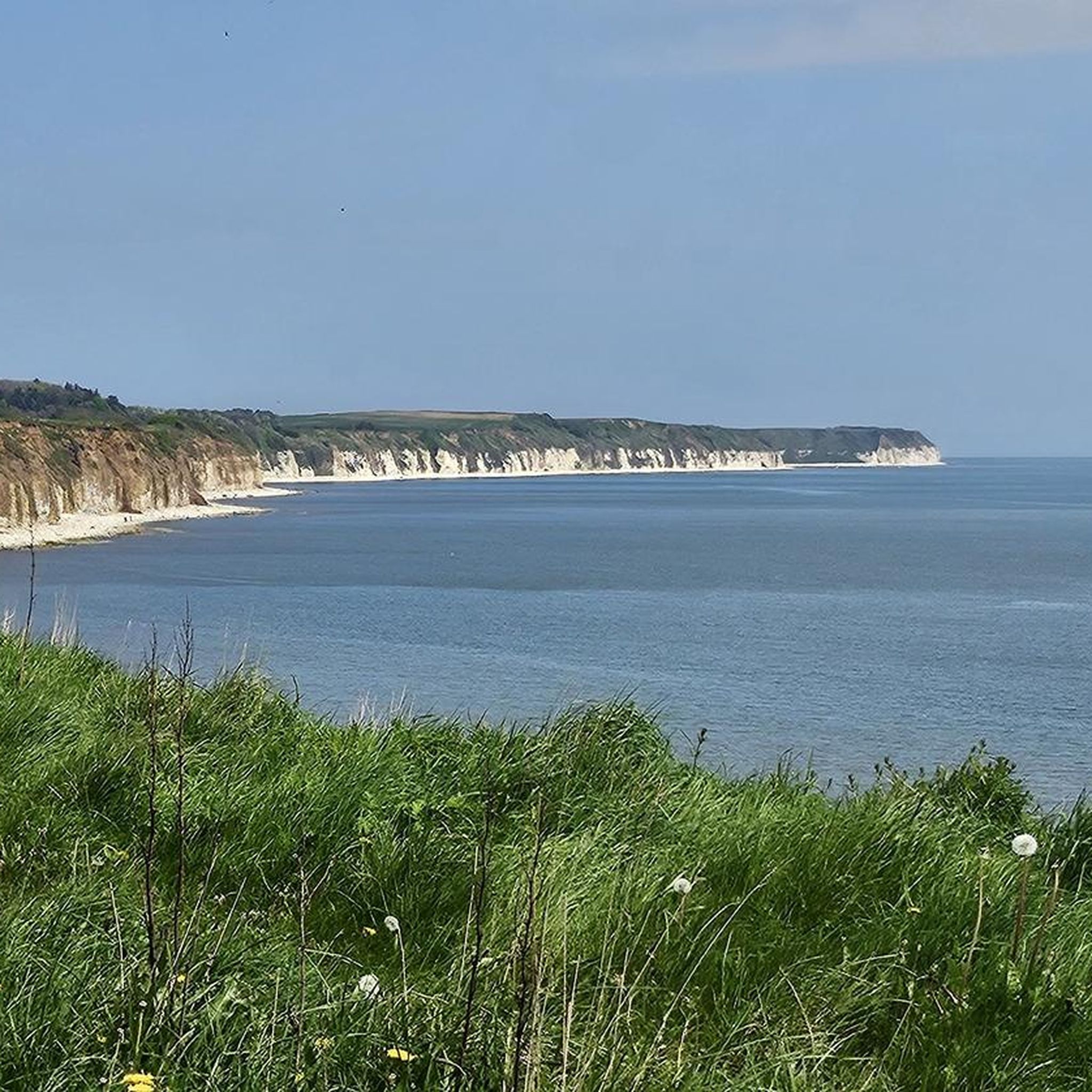
커뮤니티 팁

Lots of viewing platforms along the clifftop public footpath, but early morning in December is definitely not the best time to view the birds, I didn't see many species or individual birds at all. Maybe I scared them off :). Summer probably much better when they are nesting.
3
0
Narrow track runs down to this little bay, very quiet in winter and not as busy as North Landing. There is a metal staircase at the bottom of the track that drops you onto the beach, where the rocks are initially quite large. In Dec 24 the steps were still open, but part of the track right next to them was taped of by the council as part of the footpath has collapsed due to erosion. Still perfectly safe and accessible, just need to exercise caution.
2
0

The Rudston monolith is the tallest prehistoric standing stone in Britain, measuring almost 8 metres high, nearly 2 metres wide, a metre thick and estimated to weigh somewhere in the region of a massive 26 tons. This giant block of grey sandstone or gritstone was errected here either in the late Neolithic or early Bronze Age and is thought to have been quarried more than 10 miles away in the Cayton Bay area south of Scarborough, although the glacial transportation of a large block of stone that was then shaped and utilised by the prehistoric residents of the area cannot be ruled out. The top of the stone has been weathered and eroded into a fluted peak similar to the stones of the Devil's Arrows and a lead cap was first added to try to preserve it in the 18th century. The churchyard of All Saints that it stands in is of course much younger and although the christianisation of the site took place around 1100AD the stone had already stood here for at least 3000 years. The monolith stands close to the Gypsey Race, an occasional stream that flows along the floor of the Great Wold Valley from close to the barrow of Duggleby Howe in the east, past another pair of barrows at Wold Newton and Willie Howe before turning south past the Argham Henge and Cursus down to Rudston itself where it bends sharply and heads eastwards to the sea at Bridlington. The whole of the Gypsey Race landscape was obviously important in prehistoric times and holds a rich selection of sites, most of which have been destroyed or badly damaged by ploughing, including many round barrows, several long barrows, four cursuses and at least one henge. It continued to retain its importance into the historic period - a major Roman villa was discovered to the southwest of Rudston village. In the corner of the churchyard is a much smaller stone presumably brought here from a local barrow and also the remains of a double cist that was removed from a nearby barrow on Rudston Beacon by the antiquarian Canon Greenwell in the late 19th century.
0
0

A few good places to eat here. BUT watch the seagulls. There's also a speedboat and pirate ship which leaves at regular intervals.
3
0

Situated in the churchyard in the village of Rudston, this monolith, which stands at over 25 feet, is the tallest megalith in the United Kingdom.
0
0

Lots of attractions available for everyone.
2
0

The mouth of the Gypsy Race river is thought to have been used by shipping from antiquity, with owners of the port being known from before the Norman Conquest, and the harbour being documented from 1113 when it was granted to the Augustinian Priory at Bridlington. Taken over by the Crown at the Dissolution, the piers enclosing the harbour were rebuilt in 1538 as rock-filled timber frameworks. Constant erosion by the sea at the landward end of both piers required frequent additions to the structures to reconnect them to the retreating cliffs.
0
0

RSPB Bempton Cliffs is a nature reserve managed for the seabirds. The visitor centre is open to the public with lots of information as well as a shop, cafe and toilets. Look out for Gannett, Guillemot and Puffin as well as Barn Owls.
3
0
카나비 주변에서 가장 인기 있는 경로
카나비 주변에서 가장 인기 있는 명소


더 살펴보기
찾고 있는 하이라이트를 아직 못 찾으셨나요? 다른 지역의 주요 명소 가이드를 확인해보세요:
