잘하이에서 가장 멋진 20개의 동굴
성을 방문하는 건 언제나 특별한 일이에요. 하이킹을 하다가 잠깐 들를 때도, 가이드를 따라 제대로 둘러볼 때도 말이죠. 잘하이에 있는 아름다운 성 20
곳을 아래에서 살펴본 후에 마음에 드는 성을 다음 모험 때 만나보세요!
마지막 업데이트: 8월 31, 2026
라인하르트슈타인 성 전망
하이라이트 • 전망대
In the summer months, this is probably the only place where you can get …
번역자 Google •
팁에 의해

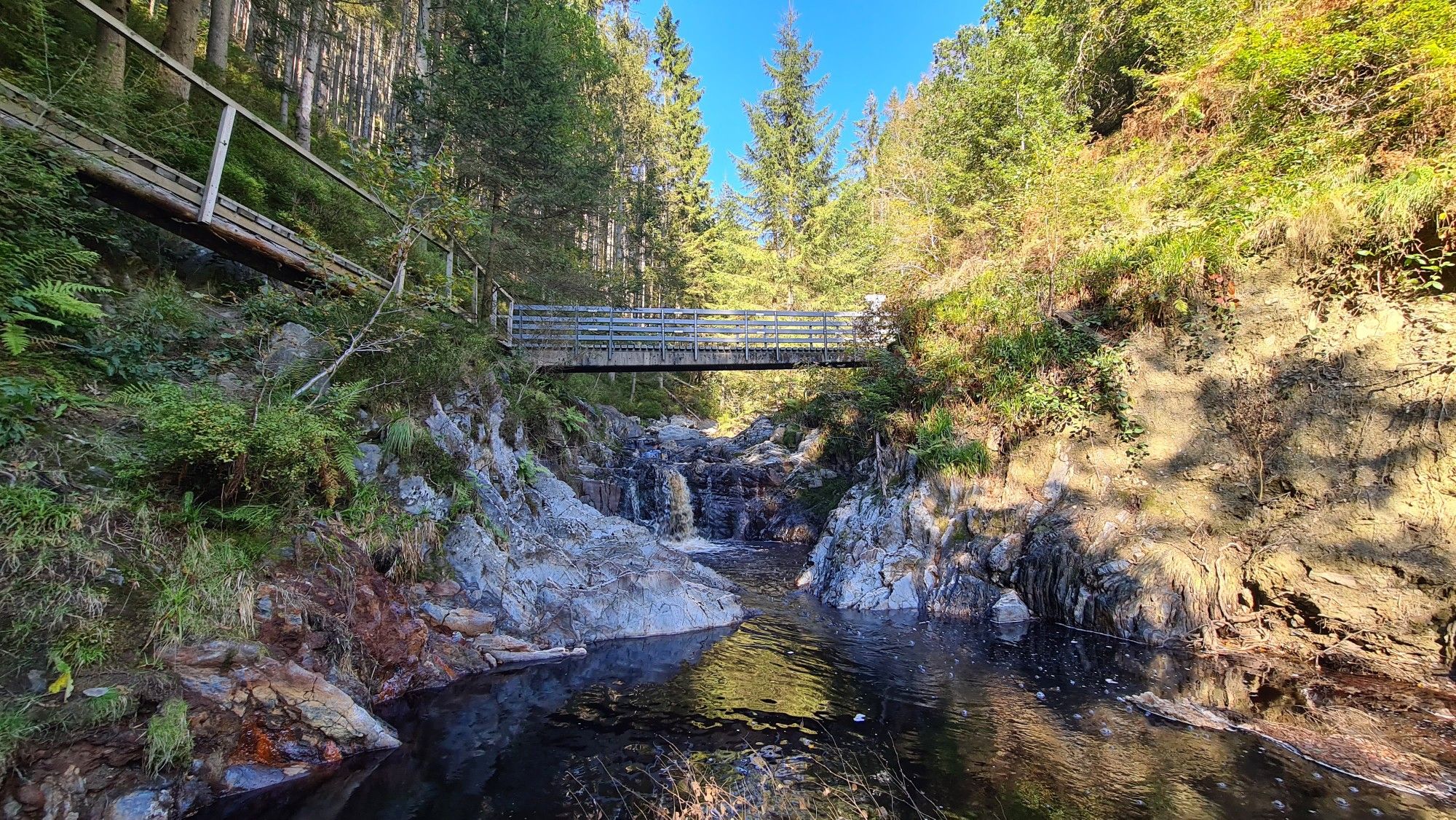
라인하르트슈타인 폭포
하이라이트 • 폭포
번역자 Google •
팁에 의해
이런 장소를 발견하려면 지금 가입하세요
최고의 싱글 트랙, 봉우리 및 다양한 흥미로운 야외 장소에 대한 추천을 받아보세요.
무료 회원 가입
네 드 나폴레옹 전망대
하이라이트 • 전망대
번역자 Google •
팁에 의해


클레르몽-쉬르-베르윈 마을 중심지
하이라이트 • 정착지
The entire town center is worth seeing, but especially the church from 1695 dedicated to Saint James the Elder, the …
번역자 Google •
팁에 의해

무료로 가입하여 잘하이 주변의 더 많은 성을 발견하세요.
무료 회원 가입
이미 komoot 계정이 있나요?
오늘 무료 계정으로 시작하세요
다음 모험이 기다리고 있어요.
로그인 또는 가입하기
잘하이 주변 인기 장소
언 오프 마크업 전년 - 울트라 투르 데 쏘르스
Little adventures — kids on Tour in East Belgium
Walks in the Belgian Ardennes — historic walls & magical forests
Hiking along majestic castles and nature – Belgian Ardennes
Pure nature on the hiking trails in the Belgian Ardennes
잘하이 하이킹
잘하이 러닝 트레일
잘하이 MTB 트레일
잘하이 사이클링
잘하이 로드 사이클링 경로
잘하이 주변의 다른 모험


커뮤니티 팁

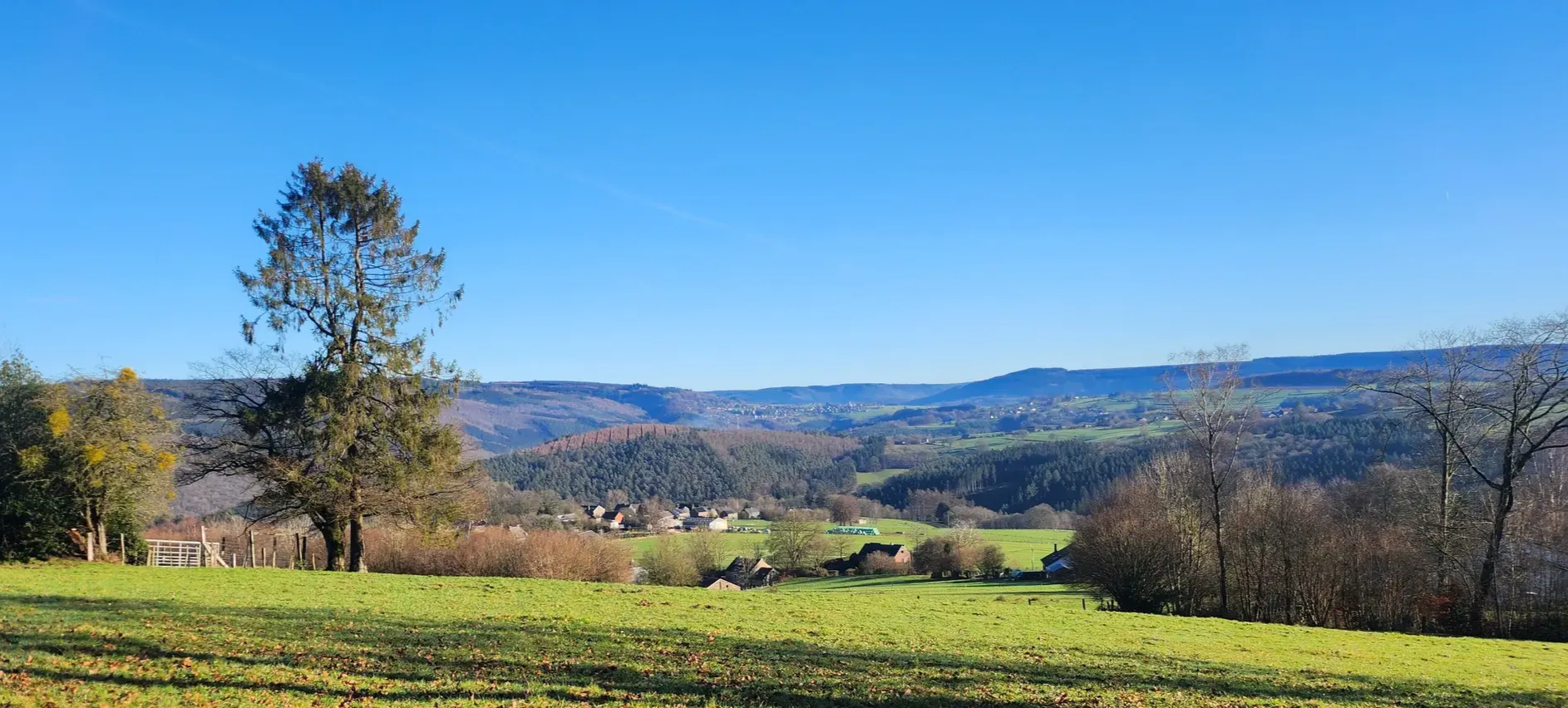
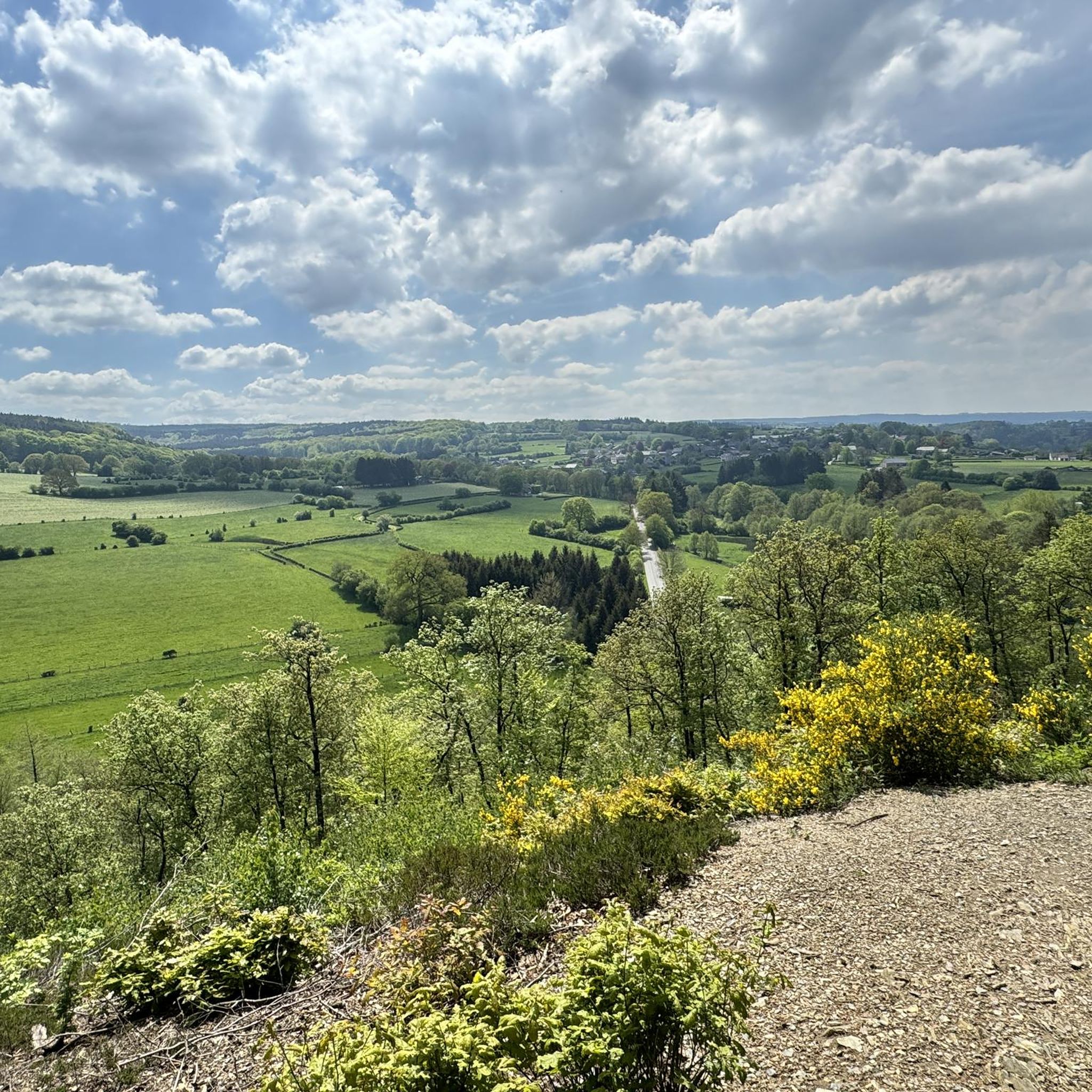
Rock point on the hill path with a beautiful view of the valley and over it. That famous nose of Napoleon you come across more often in the Ardennes as a name for rock points.
5
2

The castle's origins date back to the 11th century. It was first documented in 1155, but the first buildings probably date back to the time of Bishops Henry of Verdun (1075–1091) and Otbert (1091–1119). As one of twelve residences of the Prince-Bishop of Liège, it served to defend the eastern border of the principality.
35
0

Franchimont: a former fortress of the Bishop of Liège in the north of the Belgian Ardennes. The castle of Franchimont (province of Liège, municipality of Theux) was one of twelve residences and fortresses of the Principality of Liège. The fortress was first mentioned in writing in 1155, but the first buildings were probably built during the time of the bishops Henry of Verdun (1075-1091) and Otbert (1091-1119). During the feudal period, both bishops vigorously defended the principality. Nestled in the middle of "non-Liège" territories (Duchy of Limburg and Luxembourg, as well as the Principality of Stavelot), the country thus had not only a defense system, but also an administrative and judicial center where the representative of the Prince-Bishop resided. The castle defended a mark, a kind of border
7
0
The ruins of Franchimont Castle (French: Château de Franchimont) stand on a rocky outcrop in the Ardennes in the municipality of Theux, about eight kilometers from Spa. Franchimont is the name of a former fortress and, until the Liège Revolution, a margraviate in the diocese of Liège. The castle complex originated from a building from the 11th to 12th centuries, which was supplemented by a large protective wall at the beginning of the 16th century. The first written mention dates back to 1156, from the time of Bishop Henry II of Liège. The castle was demilitarized around 1650, as the artillery technology that had been developed in the meantime meant that it was vulnerable to attack from the neighboring hills. After that, it was mostly used as a prison, but also as a summer residence for nobles. In 1676, Louis XIV ordered its destruction, but it was only partially carried out. In the following century, the castle was visited by several crowned heads because of its peculiarities. Since 1967, it has belonged to a non-profit foundation that carries out restoration and maintenance work and carries out excavations in the area surrounding the castle. Today, Franchimont is a tourist destination, with a railway station on the Verviers-Spa-Géronstère railway line.
7
0
Today's ruins can be divided into three concentric surrounding walls. The first enclosing wall is the actual castle, the one with most of the medieval parts that have survived the numerous renovations, especially in the 16th century. Not much remains of the second surrounding wall today. This surrounded the western and northern extent of the fortress and thus the entrances. The most impressive remnant of the second surrounding wall is the eastern reinforcement - also artillery shield wall - of the more than 20 meter high keep. This is the typical example of a passive fortress of the late Middle Ages (around 1387) - a reaction to the advance of artillery. The third pentagonal enclosure wall forms a bastion with a west-facing peak. It can be traced back to the time of Erard de la Marck. With its casemates and bulwark (or cannon tower) at the entrance, it is a typical example of the construction inventions of civil engineers at the beginning of the 16th century. Source: http://chateau-franchimont.be/de/geschichte/
42
1
Franchimont was first mentioned in writing in 1155, but the first buildings were probably built during the reign of Bishops Henry of Verdun (1075-1091) and Otbert (1091-1119). Source: http://chateau-franchimont.be/de/geschichte/
33
1
Franchimont Castle was one of twelve residences and fortresses of the Prince-Bishop of Liège. It defended the eastern border of the principality from the 11th to 12th centuries. Source: http://chateau-franchimont.be/de/startseite/
51
1
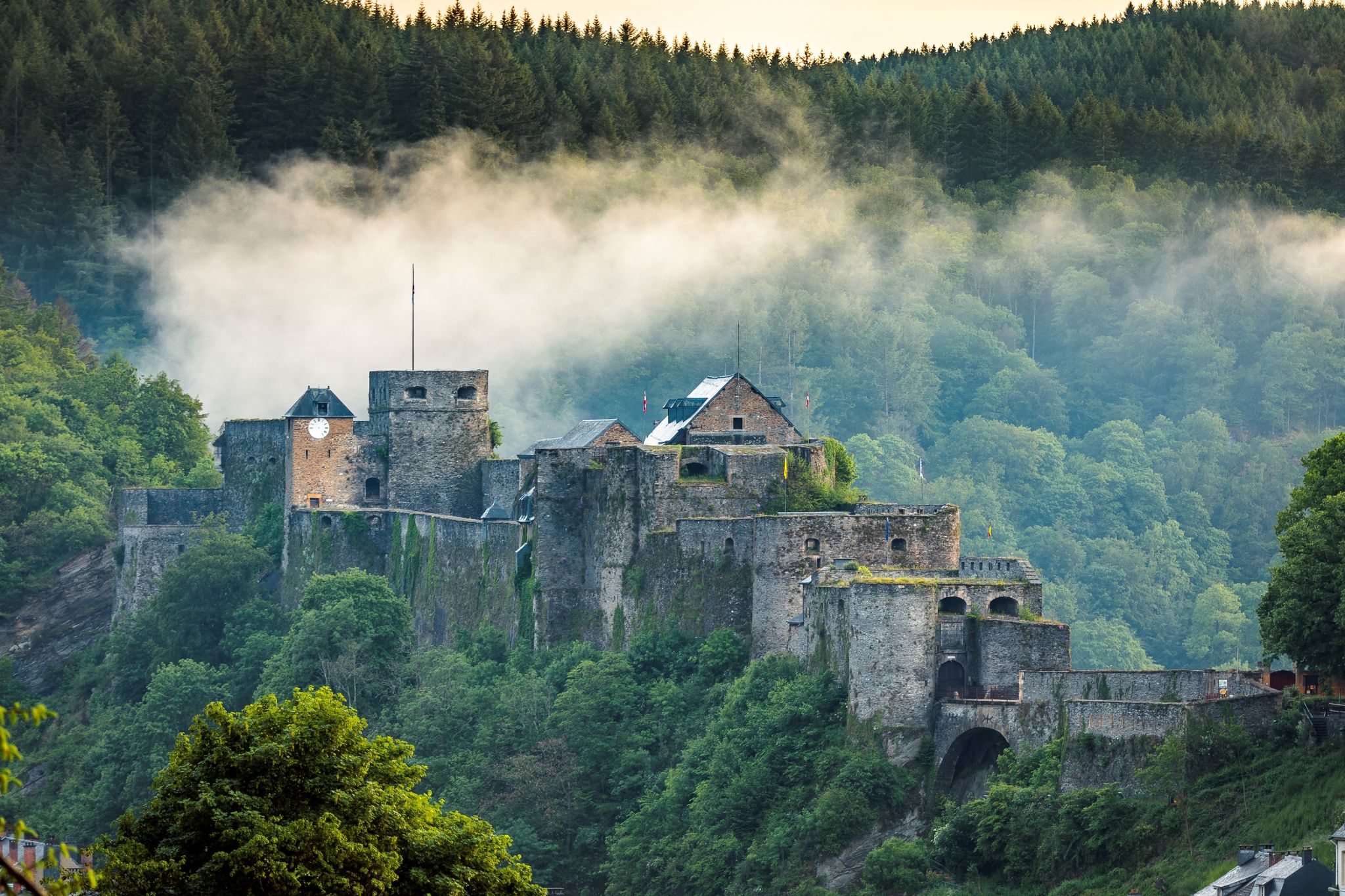
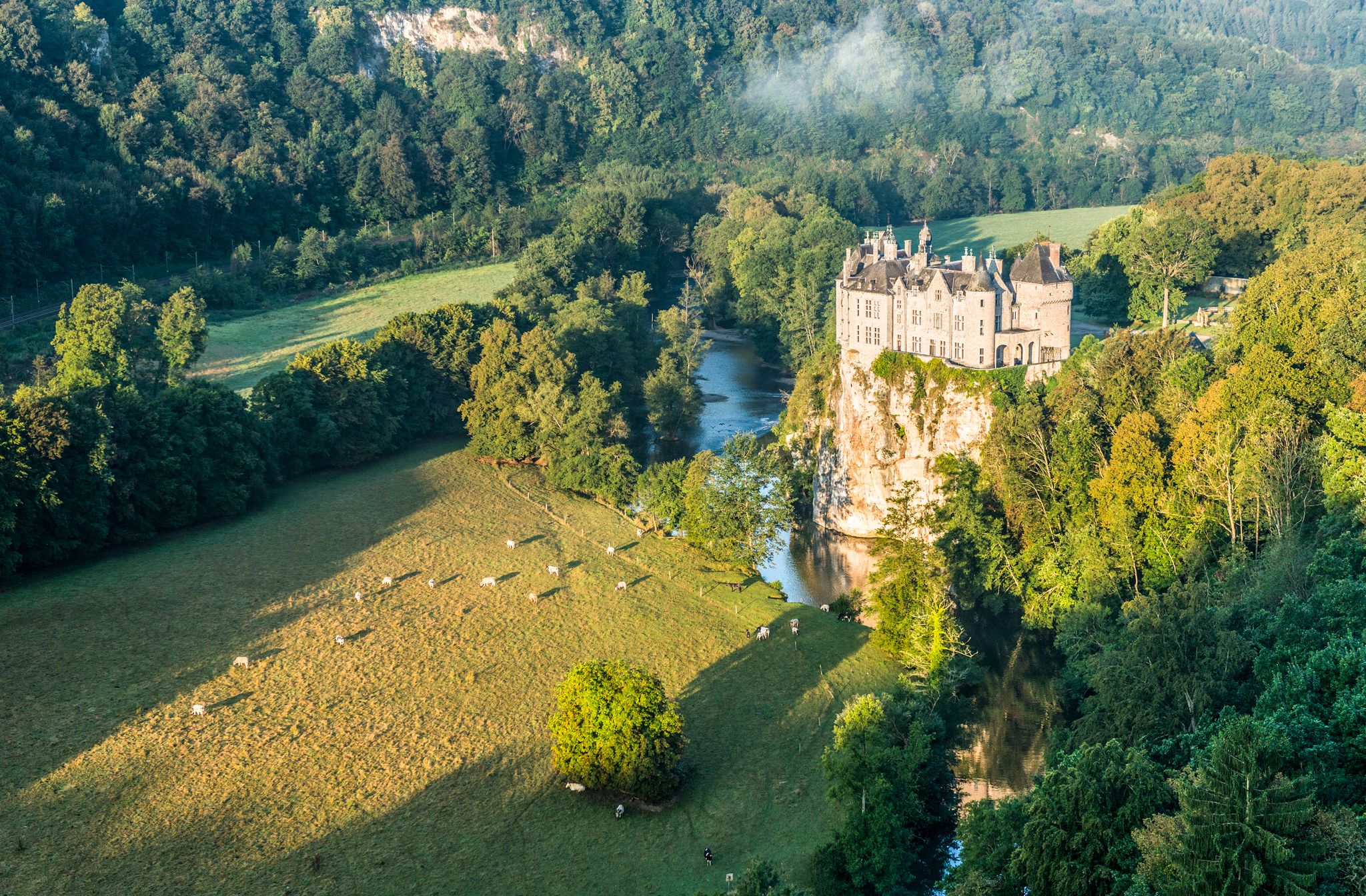
A very beautiful view of the castle, which appears like a fairytale palace on the ridge. In the summer months, this is probably the only place where you can get a distant view of Reinhardstein Castle through the light canopy of leaves.
37
0


더 살펴보기
다른 곳에서 최고의 성을 찾고 계신가요? 다른 가이드를 발견해보세요 잘하이 주변:
