코르테나켄 최고의 라이딩 경로
3.9
(5)
509
자전거 타는 사람
50
라이딩
코르테나켄의 로드 사이클링 경로를 찾으시나요? 그렇다면 코르테나켄 로드 라이딩 컬렉션 중에서 가장 멋진 라이딩 장소를 아래에서 살펴보세요.
마지막 업데이트: 10월 8, 2026
4.5
(2)
46
자전거 타는 사람
45.0km
02:33
200m
200m
보통 도로 자전거 타기. 좋은 체력 필요. 투어 중 라이딩하기 어려운 비포장 구간이 있을 수 있음.
4.0
(1)
41
자전거 타는 사람
59.2km
03:07
340m
340m
보통 도로 자전거 타기. 좋은 체력 필요. 투어 중 라이딩하기 어려운 비포장 구간이 있을 수 있음.

38
자전거 타는 사람
58.8km
02:37
200m
200m
보통 도로 자전거 타기. 좋은 체력 필요. 투어 중 라이딩하기 어려운 비포장 구간이 있을 수 있음.
23
자전거 타는 사람
52.2km
02:50
320m
320m
보통 도로 자전거 타기. 좋은 체력 필요. 투어 중 라이딩하기 어려운 비포장 구간이 있을 수 있음.
33
자전거 타는 사람
67.0km
03:12
370m
370m
보통 도로 자전거 타기. 좋은 체력 필요. 지면 대부분이 잘 포장되어 있고 라이딩하기 쉬움.
더 다양한 경로와 다른 탐험가들의 추천을 살펴보세요.
이미 komoot 계정이 있나요?
투어 추천은 다른 사람들이 komoot에서 완료한 수천 개의 활동을 바탕으로 구성되어 있습니다.
오늘 무료 계정으로 시작하세요
다음 모험이 기다리고 있어요.
코르테나켄 주변의 다른 모험

커뮤니티 팁

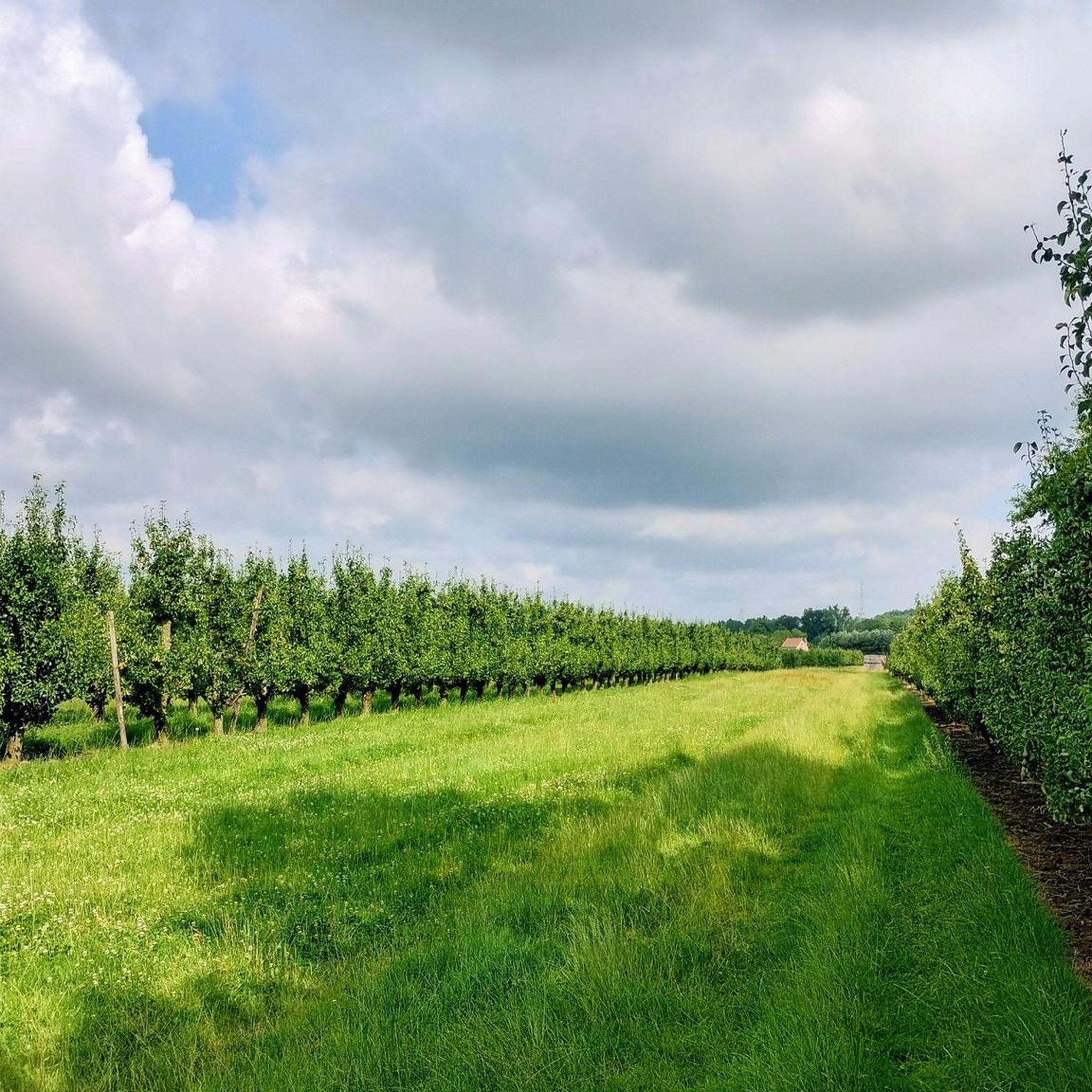
포도밭 바로 옆, 플랑드르 지역도 와인 생산에 적합하네요. 기후가 꽤 쌀쌀하지만요.
0
0


대부분의 예배당은 건축된 성인의 이름을 따서 명명되지만, 베다니 예배당은 지명에서 이름을 따왔습니다. 성경에 나오는 베다니는 예배당이 세워진 즈웃레우의 베다니 수도원의 수호성인인 막달라 마리아의 탄생지라고 합니다. 원래 마리아상은 사라지고 펠르부아쟁의 성모상으로 교체되었습니다.
3
0
웹베콤스 브로이크는 플랑드르 자연 보호 구역 웹베콤스브로이크-보르흐베엠던의 일부로, 플랑드르 자연 및 숲 기관이 관리하는 397헥타르의 연속된 지역입니다. 여기에는 디에스터스 브로이크, 샤펜스 브로이크, 보르흐베엠던: 로트브로이크, 고렌브로이크, 신트-얀스베르흐도 포함됩니다. 여러 수로가 이 지역을 통과합니다. 그중 가장 중요한 것은 데머 강입니다. 다른 수로로는 주로 그 지류인 즈바르테 베이크 강, 흐로터 레이흐라흐트 강, 레이흐라흐트 강이 있습니다. 데머 계곡은 수세기 동안 홍수에 시달려 왔습니다. 최근 역사상 가장 심각한 홍수는 1998년에 발생했습니다. 2008년에도 디에스트에서 심각한 홍수가 있었습니다. 심각한 물난리를 방지하기 위해 저류지와 홍수 지역이 설치되었습니다. 웹베콤스 브로이크와 그 주변 지역은 홍수 지역입니다. 1998년 9월, 웹베콤스 브로이크에 144헥타르 면적의 저류지가 가동되었습니다. 이 지역은 350만 입방미터의 물을 수용할 수 있습니다. 내측 저류지와 외측 저류지가 있습니다. 내측 저류지는 제방으로 둘러싸여 있습니다. 나머지는 외측 저류지를 형성하며, 이곳은 주로 자연 지역으로 기능합니다.
4
0

Pleasant gravel path where you can enjoy the Tienbunders nature reserve. Slow down and savor the unique forest and farmland.
5
0
On the spot where, according to legend, a statue of Our Lady, plowed out by a team of oxen, hung against an oak tree, a late Gothic chapel was built in 1538, which quickly became a place of pilgrimage. The chapel's interior also pleasantly surprises visitors. The rood screen is decorated with a beautiful apostle pew from 1613, probably from the Clerk's Chapel. Pilgrims used to offer a kilo of salt here to prevent children from bedwetting. Even today, the chapel attracts many visitors and, thanks in part to the procession, the May pilgrimage, and the candlelight procession, remains a center of religious life. It is open daily. On Sunday, September 8th, or the following Sunday, there is the annual rosary procession around the chapel to commemorate its dedication. This procession features a modern depiction of the mysteries of the Rosary, which also includes the Seven Sorrows of Our Lady. At the beginning of the procession, a farmer walks with an old plow. This refers to the legend that a farmer in the early sixteenth century allegedly found the statue of the Virgin Mary while plowing. The chapel on Ossenweg is said to have been built later in this neighborhood. The statue of Our Lady of Ossenweg is also carried in the procession. Source: https://www.zoutleeuw.be/kapel-van-de-ossenweg
4
0
코르테나켄 주변에서 가장 인기 있는 명소


더 살펴보기
다른 지역의 최고의 로드 사이클링 경로를 살펴보세요.
