20의 회젤트가지 명소 & 주요 장소
회젤트에는 둘러볼 만한 장소가 많답니다. 하이킹 또는 사이클링을 좋아한다면 회젤트에 숨겨진 20
가지 보석을 만날 수 있을 거예요. 이 지역의 주요 명소를 살펴보면서 다음 모험을 계획해보세요.
마지막 업데이트: 5월 9, 2026
물 위를 달리는 자전거길 — Fietsen Door Het Water (보크라이크)
하이라이트 • 자전거 도로
번역자 Google •
팁에 의해

도어카이크 교회 (Reading Between the Lines)
하이라이트 • 기념물
번역자 Google •
팁에 의해

이런 장소를 발견하려면 지금 가입하세요
최고의 싱글 트랙, 봉우리 및 다양한 흥미로운 야외 장소에 대한 추천을 받아보세요.
무료 회원 가입
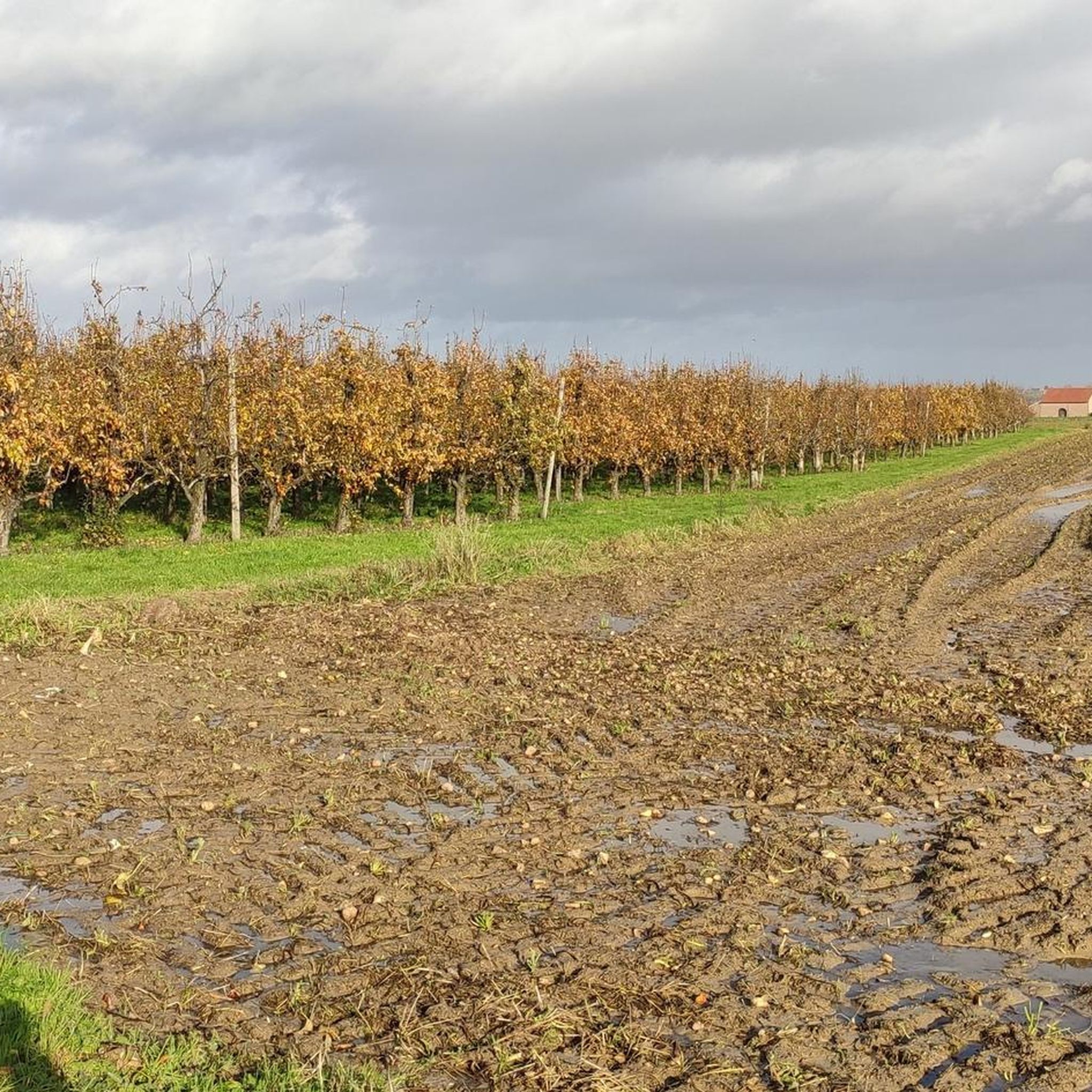
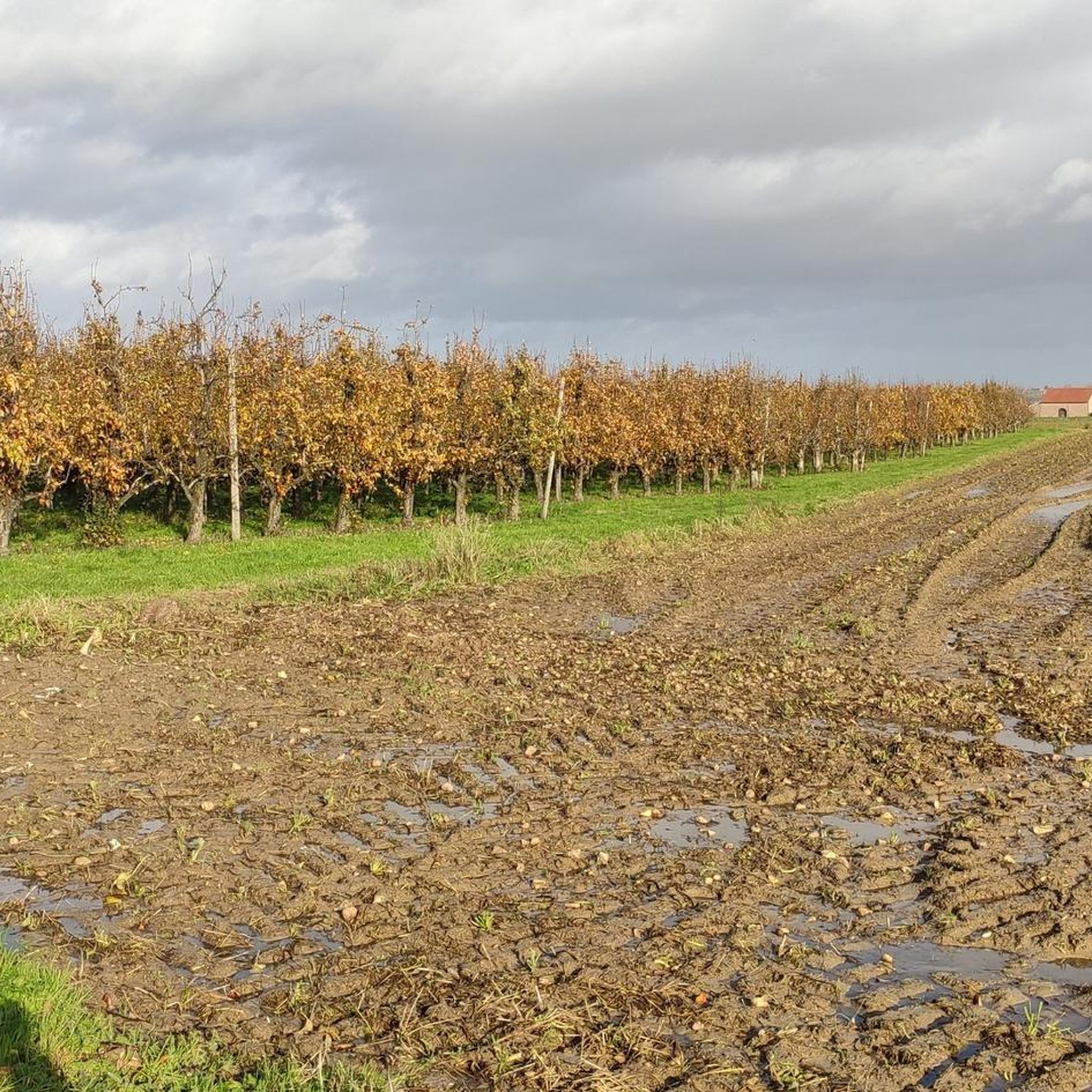
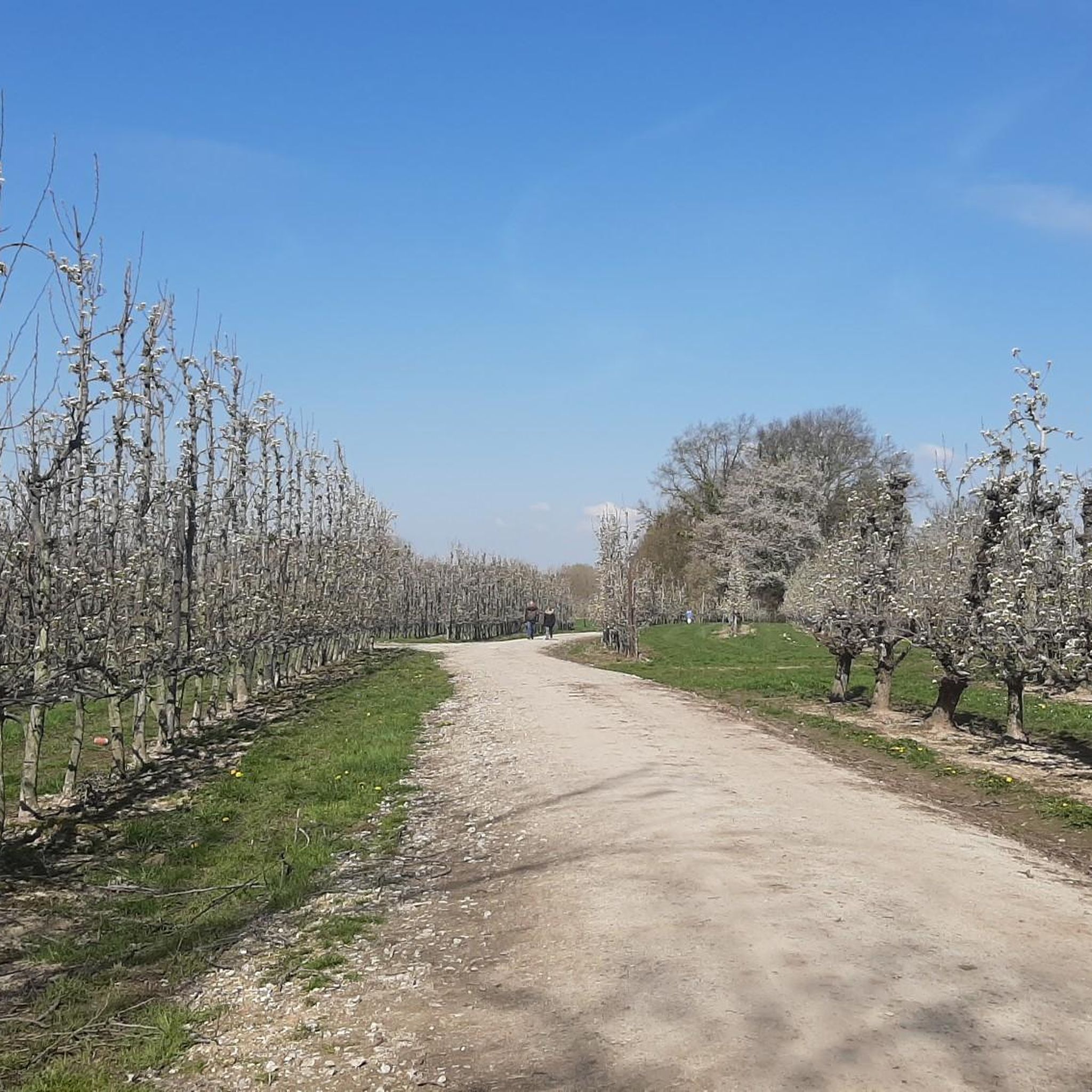
그루틀론 고목 과수원
하이라이트 (구간) • 자연
The area around GrootLoon is characterised by the high density of high-stem orchards. The Ferraris cabinet …
번역자 Google •
팁에 의해


프레드 에에르데켄스의 트베이펠그렌스 조각상
하이라이트 • 기념물
번역자 Google •
팁에 의해
무료로 가입하여 회젤트 주변의 더 많은 명소를 발견하세요.
무료 회원 가입
이미 komoot 계정이 있나요?
오늘 무료 계정으로 시작하세요
다음 모험이 기다리고 있어요.
로그인 또는 가입하기

커뮤니티 팁

No doubt it's beautiful here...
5
0

The Twijfelgrens is located at the Bollenberg viewpoint, which can be reached on foot or by bike. If you are driving, park at the car park on the Sint-Truidersteenweg, between the Grootloonstraat and the Neremstraat. From the car park, follow the signposted (blue or orange) walking route. (Visit Limburg)
12
1
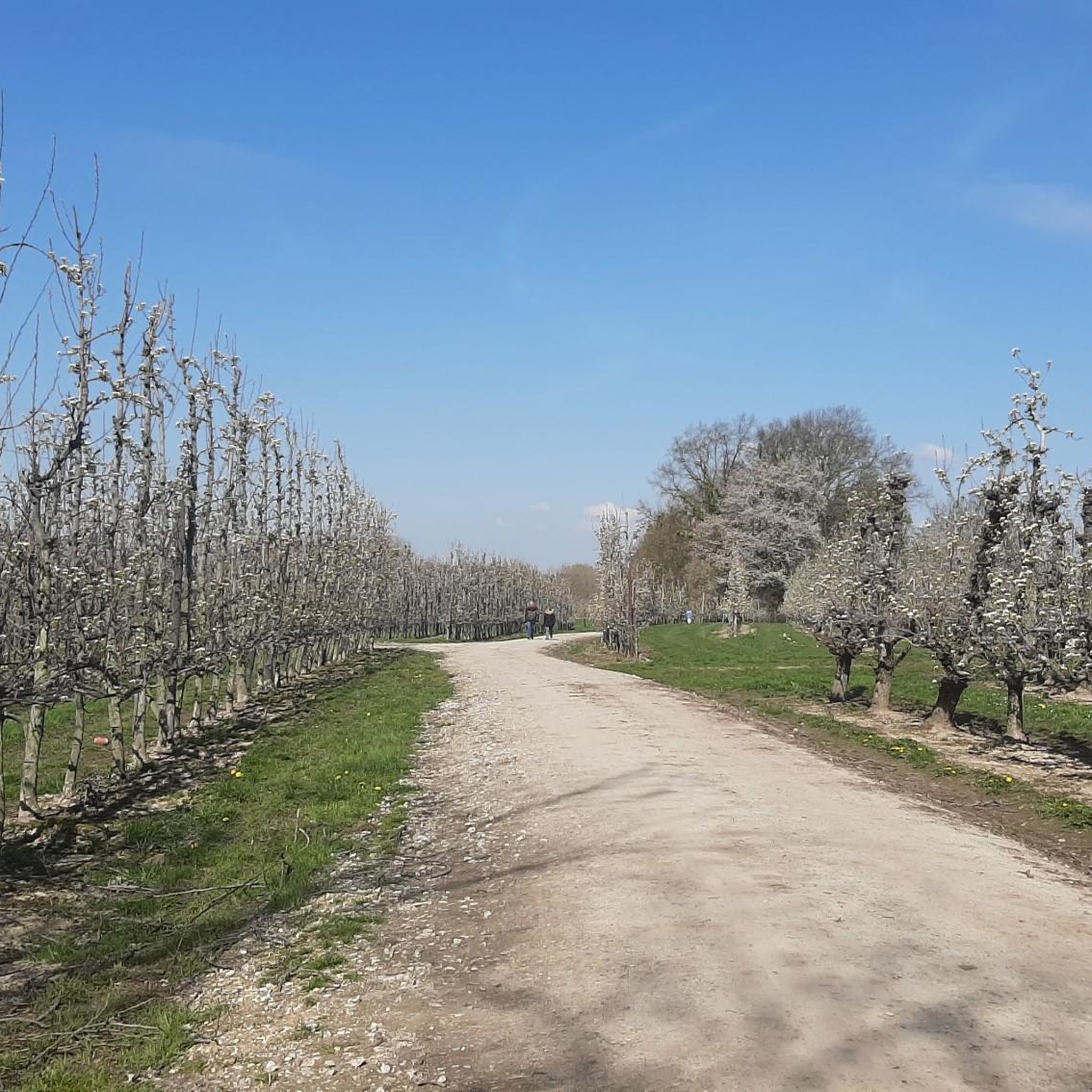
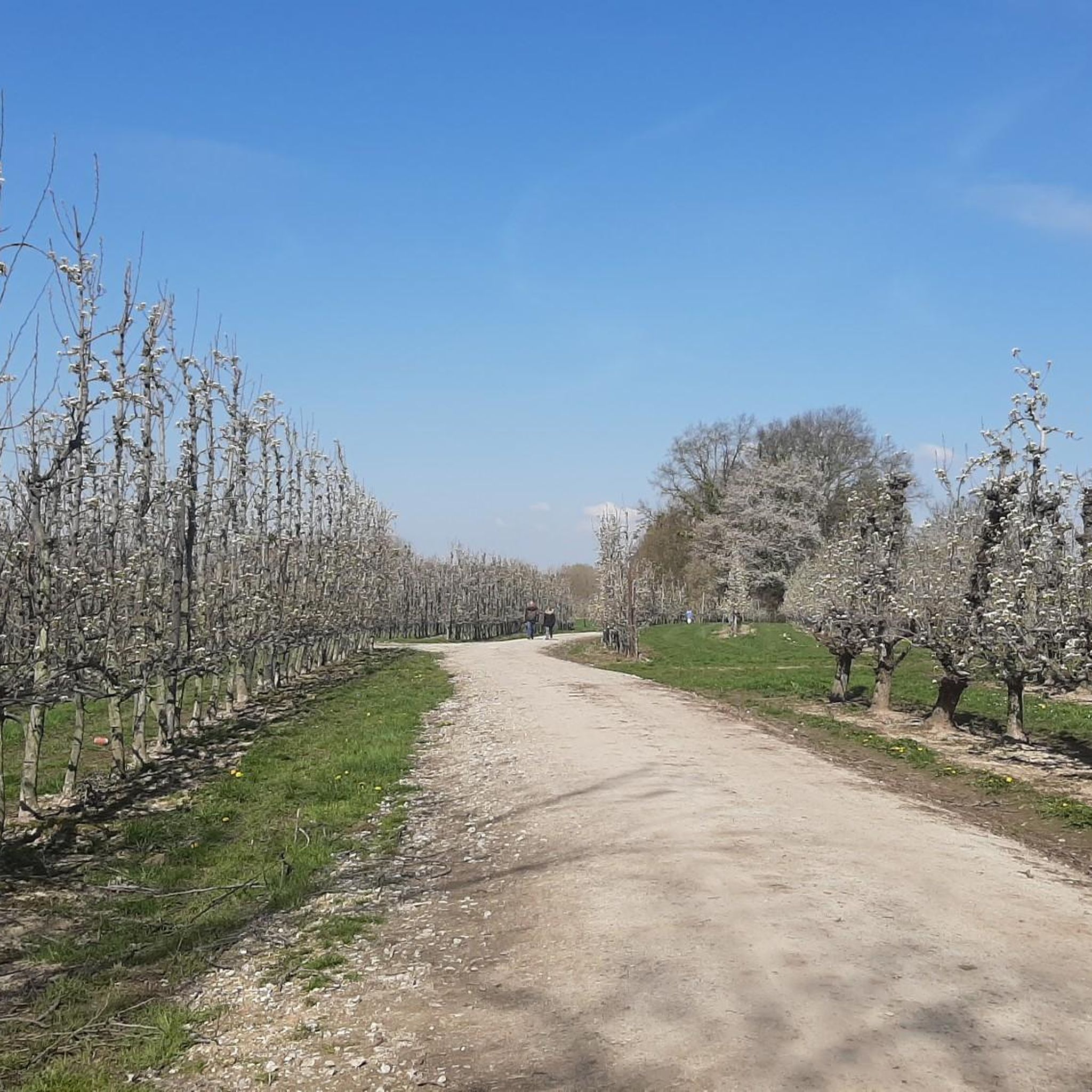
Beautiful to walk through with all those young blossoms.
16
1
When you are in the church, you can admire the beautiful hilly landscape through the 'walls'. In the distance you can see the church of Borgloon. Many photographers also take a photo where you can see the church of Borgloon through the see-through church. You have this view from a certain spot in the meadow.
17
0
The history of Bokrijk goes back to the thirteenth century when the Count of Loon sold the forest ‘Buscurake’ to the sisters of the abbey of Herkenrode who had a model farm built there. The castle was only built in 1891 by Edgard Maris, a rentier from Hasselt. He had bought the entire Bokrijk estate from the Coghen family in 1889. Maris had a castle built in the Maasland neo-Renaissance style on the site where the old manor farm stood. However, Maris got into financial difficulties and three years later the estate came into the hands of Count Ferdinand de Meeûs, who expanded the castle with a right wing and chapel and laid out the park with roads and avenues. The Count died in 1916 and his family sold the estate to Jewish brokers from Germany. After the liberation, in 1918, the estate was seized. It was not until 1928 that the Boerenbond became the owner and sold the domain to the provincial government of Limburg in 1938. In the fifties, the province decided to set up an open-air museum of rural and urban living and living culture through the centuries, which opened in 1958. In 2008, the castle was renovated again and made suitable for conference rooms, equipped with modern communication means and equipment. (Along castles and fortresses)
10
0

You don't see many high-stem orchards anymore, everyone already saw the plantations with smaller fruit trees. So there are initiatives here and there to preserve them. Various places in Limburg that are visited by hikers have pieces of high-stem orchard. The best known is perhaps that of Alden Biesen, where many tourists and hikers come. But here too, along the paths with crowd pullers (the see-through church and so on) there are. Like here in Grootloon where there is a path that takes you to the church. The management is done by local farmers with Natuurpunt. And in addition to the high-stem orchard preservation, there is also attention for the night owl and the dormouse, as the information boards here tell you.
11
1
Bokrijk Castle is relatively 'young' but there used to be a mansion with a farm on the site where the castle is now located. Let's go back in time: the Bokrijk domain came into the possession of the Cistercian abbey of Herkenrode via the Counts of Loon (the domain is also located on the Loonse Route of the Grote Routepaden) under the name of forest "Buscurake". They built ponds there and developed it as agricultural land. Certainly in the sixteenth century there was already an older farm near the castle. After a discussion between Herkenrode and Hasselt, the domain came into the possession of Genk in the sixteenth century and the older farm was replaced by a mansion with a farm in 1744-1745. The entire estate of Herkenrode Abbey - including Bokrijk - was sold in 1797 and the farm with lands evolved into a castle in neo-renaissance style with a farmyard, park and also lands. One of the later owners, the Edgard Maris-Vanhees family, had the castle and accompanying park laid out as it is now in 1890 and in 1898 the mansion was converted into a castle. For the construction of the country house in neo-renaissance style, remains of the square farm to the east of it, dating from the first half of the 18th century, were used. The former farm buildings are arranged around a partly cobbled, square courtyard with some beautiful trees, and are currently in use as a restaurant, offices and storage areas. The castle already evolved into a restaurant at the end of the 1950s when the Bokrijk nature reserve evolved into a recreation area. More on https://inventaris.onroerenderfgoed.be/erfgoedobjecten/120895
12
3
Doubting about boundaries. The border between this beautiful view and another. About the word doubt limit. And the boundary between me and that word in the form of a closure. The doubt line as an artificial boundary between nature and art objects. About landscapes and how they are defined. About the limitless and the attention to a border of doubt sooner than perhaps everything I would see without the attention that this border inevitably requires between pieces of agricultural land, artificially bordered by the crops that grow there and each have their color and shape to create order in the vastness in which doubt may be boundless. About life and death. You and me. Yesterday and tomorrow. And especially the perspective. Because without it you can't even read the doubt line. What about everything else? Are we seeing it from the right angle? To really "read" it. I doubt. And I am limited. Just give me the seemingly limitless views, then the boundary of myself disappears and I merge into the whole, your whole.
9
1
회젤트 주변에서 가장 인기 있는 명소


더 살펴보기
찾고 있는 하이라이트를 아직 못 찾으셨나요? 다른 지역의 주요 명소 가이드를 확인해보세요:
