그레이스 올로뉴 최고의 워킹 & 하이킹 경로
4.2
(2088)
8,938
등산객
23
하이킹
정확한 경로를 찾는 것이 때로는 어렵지만 그레이스 올로뉴에서 하이킹을 하면 다양한 경치를 마음껏 감상할 수 있답니다. 그레이스 올로뉴에서 가장 멋진 하이킹과 워킹 중에서 마음에 드는 활동을 시작해보세요.
마지막 업데이트: 10월 5, 2026
4.8
(11)
60
등산객
5.46km
01:34
140m
140m
초급용 하이킹. 모든 체력 수준에 적합. 실력과 관계없이 누구나 쉽게 갈 수 있는 길.
4.3
(6)
21
등산객
10.8km
02:59
180m
180m
보통 하이킹. 좋은 체력 필요. 실력과 관계없이 누구나 쉽게 갈 수 있는 길.

4.8
(4)
21
등산객
9.24km
02:22
40m
40m
보통 하이킹. 좋은 체력 필요. 실력과 관계없이 누구나 쉽게 갈 수 있는 길.
4.6
(5)
19
등산객
10.9km
02:55
130m
130m
보통 하이킹. 좋은 체력 필요. 실력과 관계없이 누구나 쉽게 갈 수 있는 길.
2.7
(3)
15
등산객
8.42km
02:20
150m
150m
보통 하이킹. 좋은 체력 필요. 실력과 관계없이 누구나 쉽게 갈 수 있는 길.
더 다양한 경로와 다른 탐험가들의 추천을 살펴보세요.
이미 komoot 계정이 있나요?
투어 추천은 다른 사람들이 komoot에서 완료한 수천 개의 활동을 바탕으로 구성되어 있습니다.
오늘 무료 계정으로 시작하세요
다음 모험이 기다리고 있어요.

커뮤니티 팁

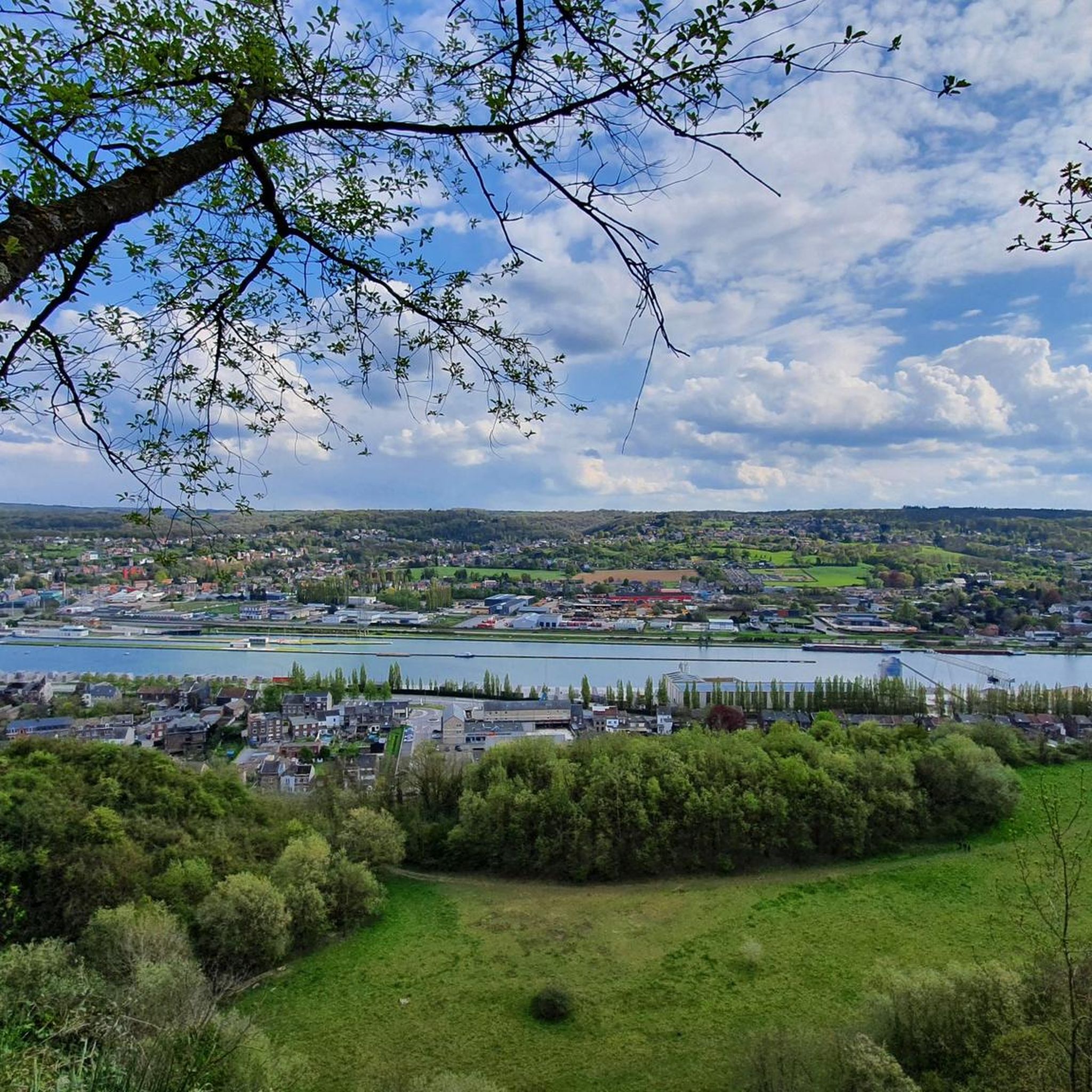
개울이 내려다보이는 새로운 벤치
0
0

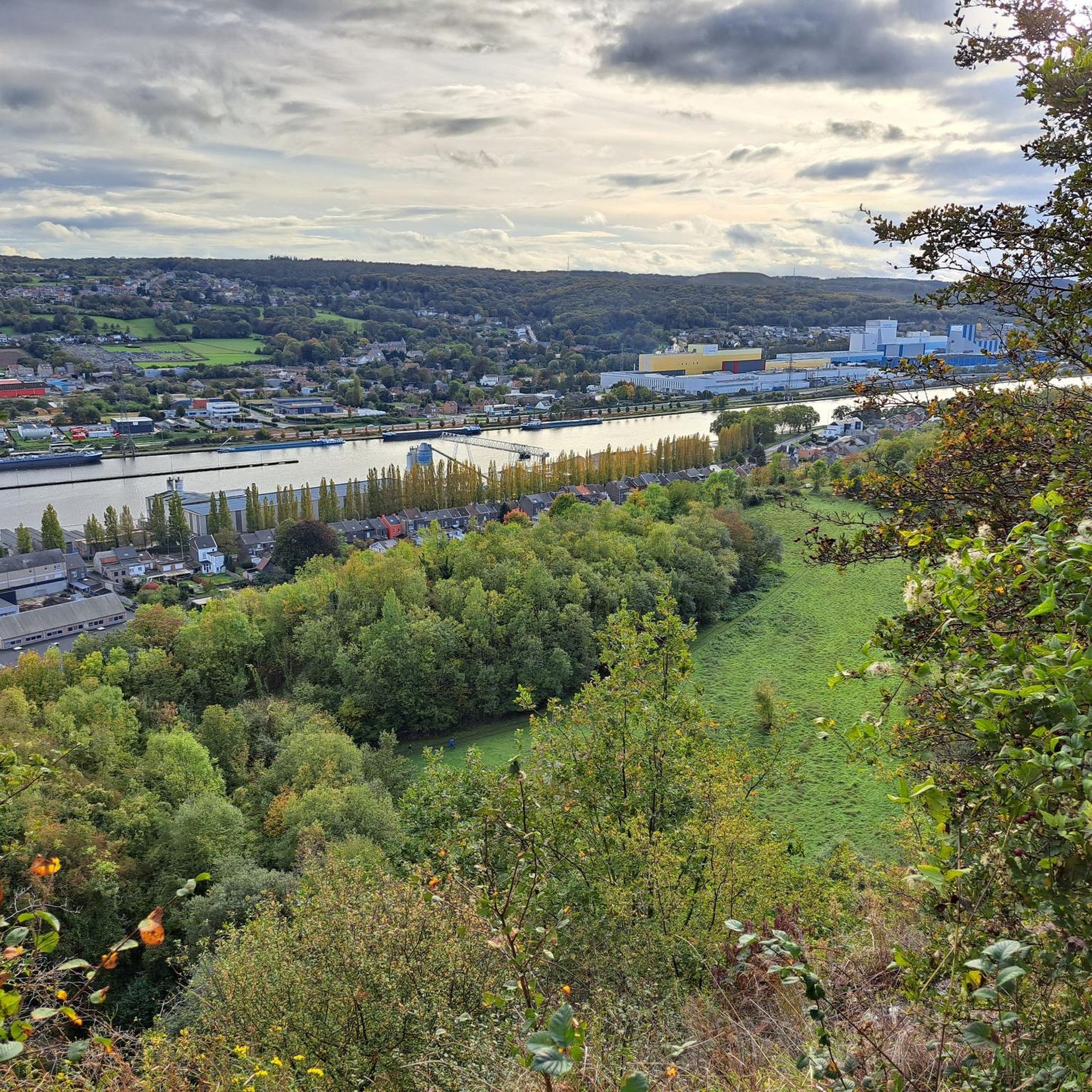
숲속의 아름다운 바위길. 교회에서 시작하여 오르막길을 선택하면 들판으로 이어집니다.
0
0

재미있는 방식으로 석탄산에 대한 많은 정보를 발견할 수 있는 훌륭한 무대 디자인 공간이 설계되었습니다.
0
0
최근에 Gasson-terril에는 Maison des Terrils도 생겼습니다. 이곳은 이전 Gasson 탄광의 Saint-Nicolas에 위치해 있습니다. 석탄 더미에 대한 모든 정보를 찾을 수 있는 크고 인상적인 전시 공간이 있습니다. 주변 지역에 대한 모든 정보를 찾을 수 있습니다. 넓은 카페테리아나 테라스에서 음식을 먹고 마실 수도 있습니다.
0
0
sector video https://youtu.be/lbKk-shnOyc
0
0

This mill, also called the "Herman" mill, was the banal mill of Engis, so it was here that the Engissois had to come to grind their grains. We do not know its date of construction but in a document from 1451, it is mentioned as being in ruins and destroyed. Therefore, it is prior to the aforementioned date. The mill ceased its functions in 1913 but it continued to turn to provide electricity until 1927. It had to endure 2 fires, the last of which was in 1930. The Moulin Servais belonged to the Lords of Haultepenne from 1409. In the corner facing the millrace, you will see a niche that housed a statue of Saint Catherine, patron saint of millers. Today, the niche houses a statue of the Virgin Mary. Opposite the mill entrance, on the right, we can see a spring that flows clear and limpid: it is the eye of an areine. An areine is a gallery dug at the foot of a hill in order to allow the evacuation of water and thus allow the exploitation of coal.
1
0
The Saint-Lambert church is open every Sunday from 10am to 4:30pm with extended hours from 01/04 to 31/10. During this period, it is open from 10am to 6pm on Saturdays and Sundays. Most churches are in the heart of the village. This is not the case here. This one is set back, on a hill surrounded by the cemetery, the old presbytery, in a peaceful, rural setting, at the crossroads of the Mosan and Hesbaye landscapes. This listed church is one of the rare examples of Louis XVI religious architecture in our region. In neoclassical style in brick and limestone, the current church was built between 1779 and 1783 by order of the Cathedral Chapter of Liège. Inside the church dedicated to Saint-Lambert, it is possible to admire a statue of Saint Guy. According to legend, Vitus (Guy in Latin), born in Sicily in the 3rd century, was first martyred around the age of 12 by the governor Valerian, because he refused to worship pagan idols. Provoking miraculous cures, he was then brought before the emperor Diocletian who tortured him until his death in 303. It was in the 9th century, following miracles that occurred during the transfer of the relics of Saint Guy from Saint-Denis, in France, to Saxony, that the cult of Saint Guy, protector of epileptics and patients with chorea, developed. These patients suffered from various disorders that increased as the feast of Saint Guy approached. They then went on pilgrimage to a church dedicated to him to dance there in order to free themselves from their anxieties and their illness. Here too, a pilgrimage once attracted a large crowd during a procession that took place on the Sunday following June 15, the Saint's feast day. It was traditional to participate three years in a row. The statue and the prayer dedicated to Saint Guy can be found in the Saint-Lambert church.
1
0
그레이스 올로뉴 주변에서 가장 인기 있는 명소


더 살펴보기
다른 지역의 최고의 하이킹를 살펴보세요.
