리피안 - 리피아노에서 가장 멋진 20개의 동굴
Riffian - Rifiano 지역 최고의 성들은 이탈리아 남부 티롤 지역에 있으며, 역사적 중요성과 자연 경관으로 유명합니다. 이 지역은 잘 보존된 다양한 성과 역사 유적지를 갖추고 있어 과거를 엿볼 수 있습니다. Riffian - Rifiano는 그림 같은 계곡과 산들 사이에 자리 잡고 있어 이러한 고대 건축물을 탐험하는 배경을 제공합니다. 이 지역의 역사는 많은 성들이 조상의 거처이자 방어 요새로 사용되었던 것과 깊이 얽혀 있습니다.
Riffian - Rifiano 지역 최고의 성들
- 가장 인기 있는 성은 약 1250년에 빙퇴석 원뿔 위에 지어진 브루넨부르크 성(Brunnenburg Castle)…
마지막 업데이트: 9월 25, 2026
도르프 티롤에서 본 티롤 성, 브룬넌부르크 및 포도밭 전경
하이라이트 • 전망대
to the Brunnenburg.
Welcome to Tirol Castle, the residential castle of the Counts of Tyrol. The castle gave the state of …
번역자 Google •
팁에 의해


이런 장소를 발견하려면 지금 가입하세요
최고의 싱글 트랙, 봉우리 및 다양한 흥미로운 야외 장소에 대한 추천을 받아보세요.
파세이어 계곡의 파서 강
하이라이트 • 강
번역문 보기
팁에 의해


오늘 무료 계정으로 시작하세요
다음 모험이 기다리고 있어요.
커뮤니티 팁

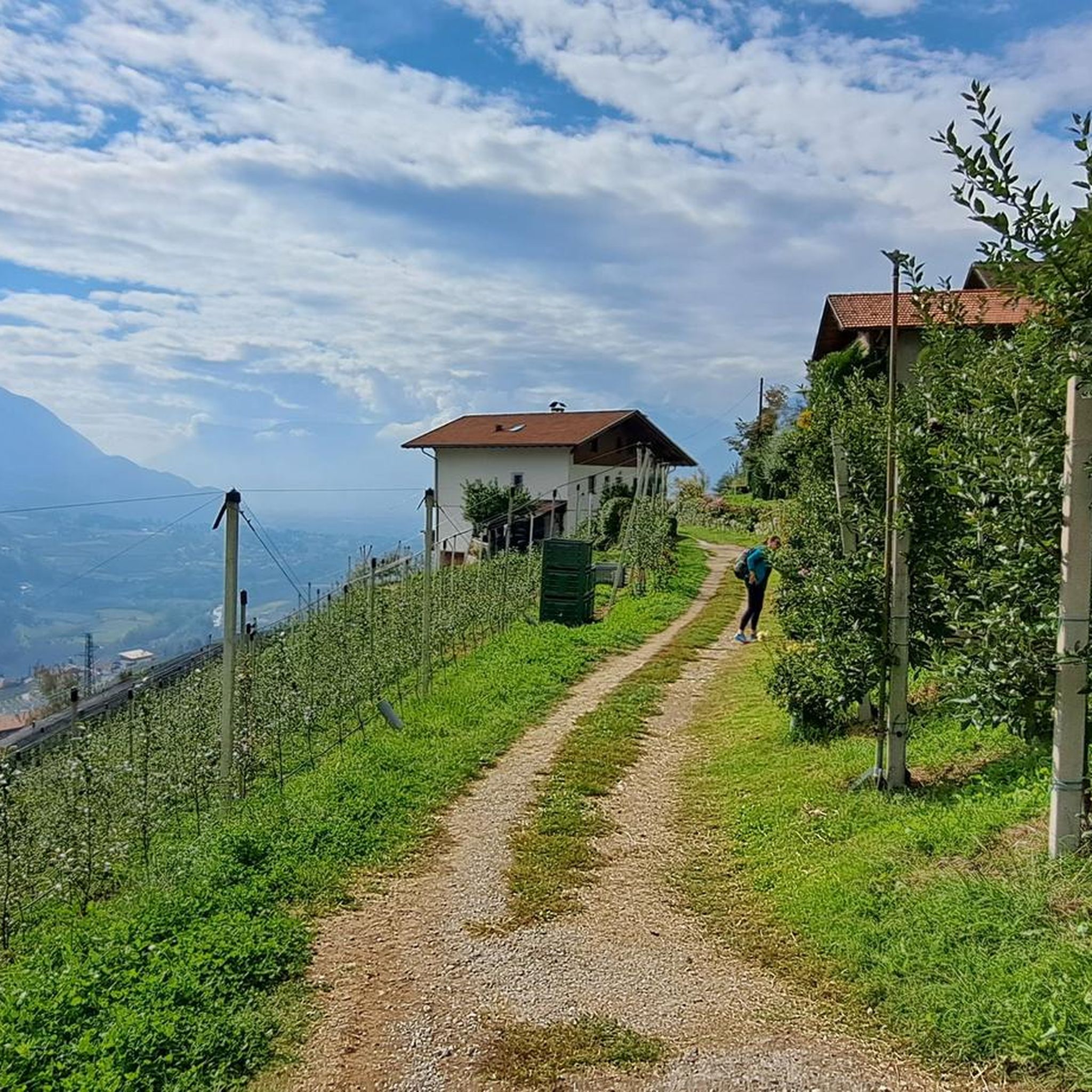
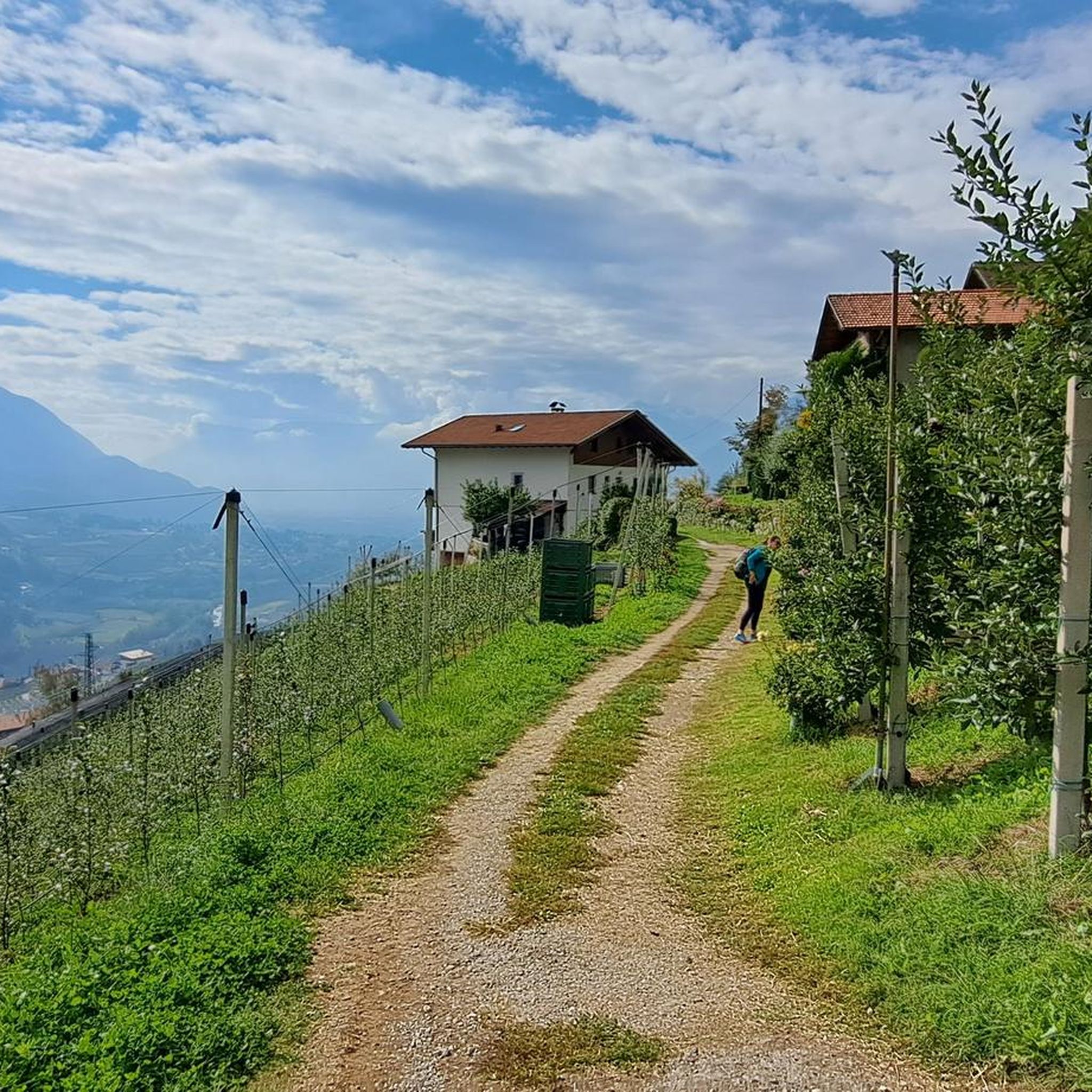
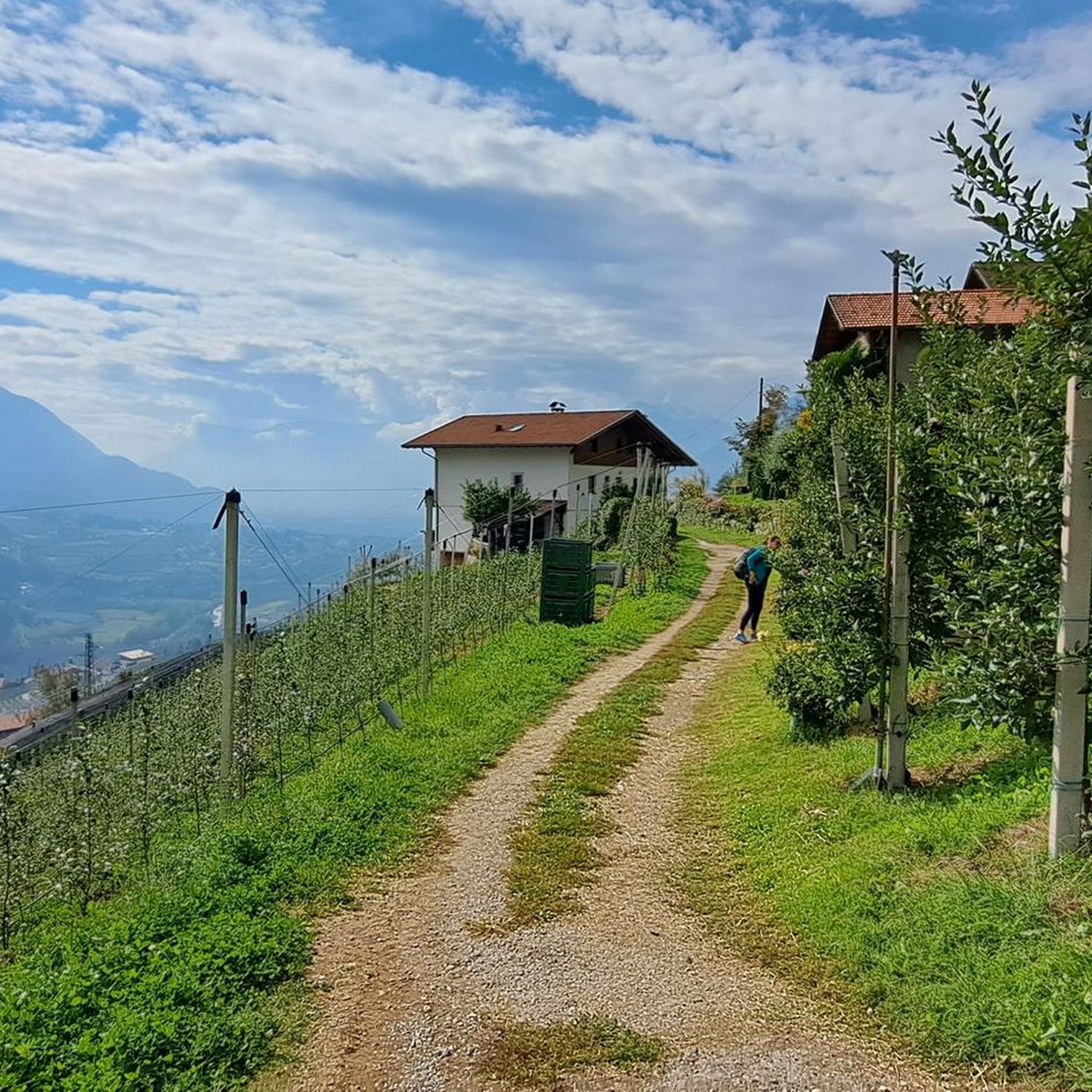
From this vantage point on the paths around Castel Tirolo, the castle from which the Counts of Tyrol originated, you have a splendid view of the castle itself, the town of Merano and the valley of the Passirio river.
1
0

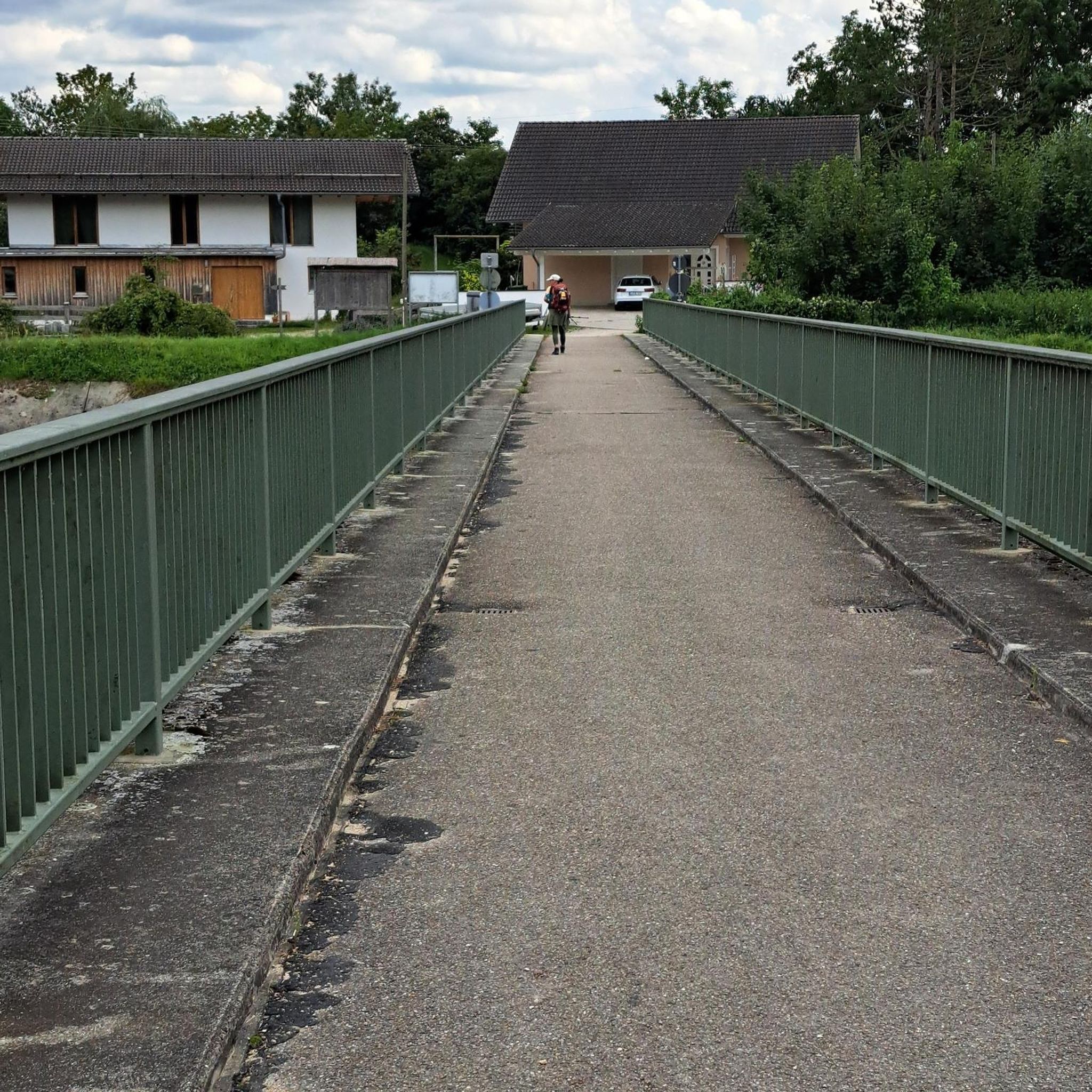
great bike path, sometimes forgiving cyclists in oncoming traffic
5
1

In 1903 he sold the castle to the entrepreneur Karl Schwickert from Pforzheim, who had it rebuilt. After his death in 1927, the castle fell into disrepair again until the de Rachewiltz family took up residence there and over time turned the castle into a center for cultural encounters. The American poet Ezra Pound completed his life's work, the Cantos, here from 1958 to 1962. Source: https://www.brunnenburg.net/de/willkommen-auf-der-brunnenburg/sagengeschichte/
16
0
The Brunneburg was built in 1250 by Wilhelm Tarant on a glacial rubble cone below Tyrol Castle. In 1356 the princely administrator of the Bishopric of Trent, Heinrich von Bopfingen, acquired it; he was pastor of Tyrol, envoy of Ludwig of Brandenburg and until 1359 also governor of Tyrol. In 1421 it was acquired by Ulrich Putsch, chaplain of Duke Frederick with his empty pockets, who later became a patron of art and science as Bishop of Brixen. In 1457 the castle came into the possession of Hans Kripp. It belonged to this Hall family for three and a half centuries. In 1705, Gregor Hofer built a house with a barn and gate at the foot of the castle rock using the “high wall tips” that still existed from the ruins. In 1884 the Brunnenburggut came into the hands of the mayor of Dorf Tirol, Michael Sonnenburger. Source:https://www.brunnenburg.net/de/willkommen-auf-der-brunnenburg/sagengeschichte/
17
0
Here you can see the Tyrol Castle as well to the Brunnenburg. Welcome to Tirol Castle, the residential castle of the Counts of Tyrol. The castle gave the state of Tyrol its name. Aspects of the country's history and rulership are combined here in a clear way. From the outer bailey of Tyrol Castle you have an impressive view of the Etsch Valley and the Vinschgau. Here you will feel like you have been transported back to a distant time when the Counts of Tyrol were the masters of this area. Source: https://www.schlosstirol.it/
20
0
In 1903 he sold the castle to the entrepreneur Karl Schwickert from Pforzheim, who had it rebuilt. After his death in 1927, the castle fell into disrepair again until the de Rachewiltz family took up residence there and over time turned the castle into a center for cultural encounters. The American poet Ezra Pound completed his life's work, the Cantos, here from 1958 to 1962. Source: https://www.brunnenburg.net/de/willkommen-auf-der-brunnenburg/sagengeschichte/
8
0
The Brunneburg was built in 1250 by Wilhelm Tarant on a glacial rubble cone below Tyrol Castle. In 1356 the princely administrator of the Bishopric of Trent, Heinrich von Bopfingen, acquired it; he was pastor of Tyrol, envoy of Ludwig of Brandenburg and until 1359 also governor of Tyrol. In 1421 it was acquired by Ulrich Putsch, chaplain of Duke Frederick with his empty pockets, who later became a patron of art and science as Bishop of Brixen. In 1457 the castle came into the possession of Hans Kripp. It belonged to this Hall family for three and a half centuries. In 1705, Gregor Hofer built a house with a barn and gate at the foot of the castle rock using the “high wall tips” that still existed from the ruins. In 1884 the Brunnenburggut came into the hands of the mayor of Dorf Tirol, Michael Sonnenburger. Source: https://www.brunnenburg.net/de/willkommen-auf-der-brunnenburg/sagengeschichte/
11
0

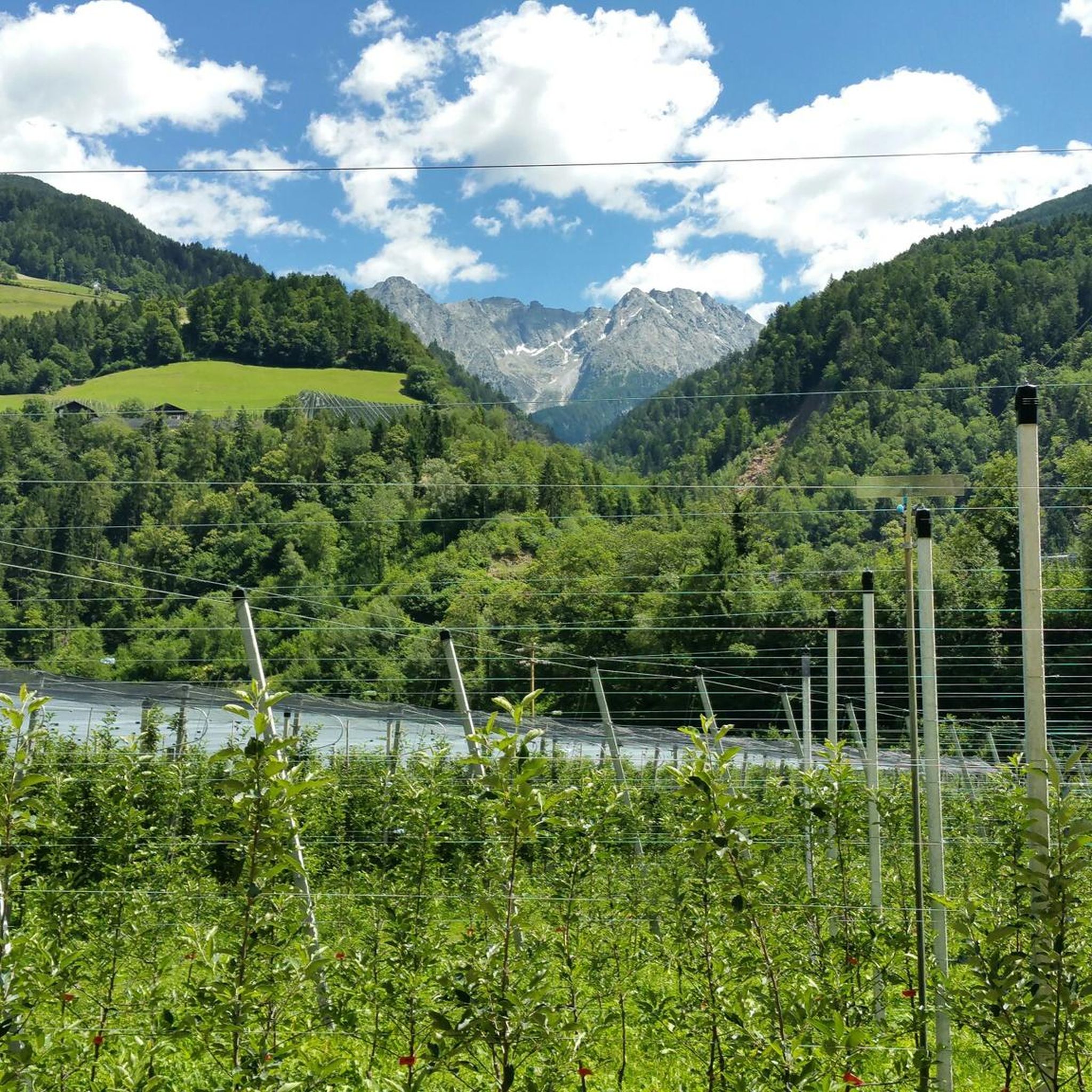
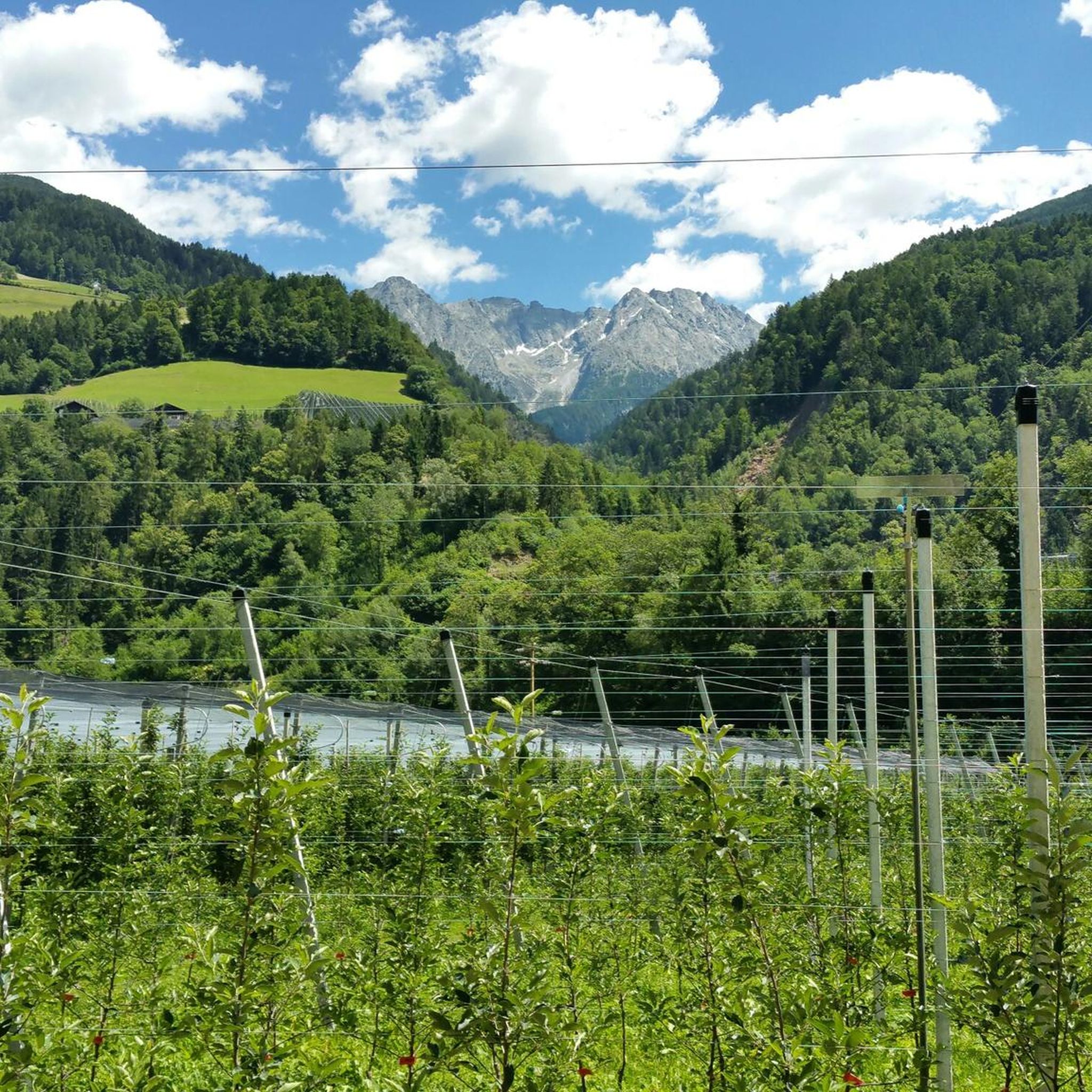
Passeier Cycle Path - spa town of Merano to St. Leonhard in Passeier The 19 km long Passeier Valley cycle path leads from the spa town of Merano to St. Leonhard in Passeier The Passeier Valley cycle path is mostly flat and along a slight incline through the wonderful landscapes of the Passeier Valley. The refreshing Passer accompanies the cyclist along the entire cycle path. The starting point is the spa town of Merano: from the thermal spa square, we head east through the Elisabeth Park into the Passeier Valley. Always continuing on the right bank of the river, we soon leave the city area. The path is still asphalted here, later it becomes a gravel path. Above us on the right we see Schenna with the castle, the church and the mausoleum of Archduke Johann. On the left are the villages of Tirol, Kuens and Riffian. We have already covered half of the route past Saltaus. We cross the river several times as the cycle path changes sides of the bank. At Quellenhof we drive past the golf course and continue to St. Martin. When we arrive in St. Leonhard in Passeier, we have reached the end of the cycle path. On the way there we pass the Sandwirt, the birthplace of the legendary freedom fighter Andreas Hofer. Here the MuseumPasseier awaits us with all its special features and valuable contemporary witnesses to the history of Tyrol. Worth seeing! Author: AT Text / Source: https://www.meranerland.org/de/freizeit-aktiv/rad-mountainbike/passeirer-radweg/
18
3
리피안 - 리피아노 주변에서 가장 인기 있는 명소


더 살펴보기
다른 곳에서 최고의 성을 찾고 계신가요? 다른 가이드를 발견해보세요 리피안 - 리피아노 주변:
