4.7
(643)
2,143
자전거 타는 사람
352
라이딩
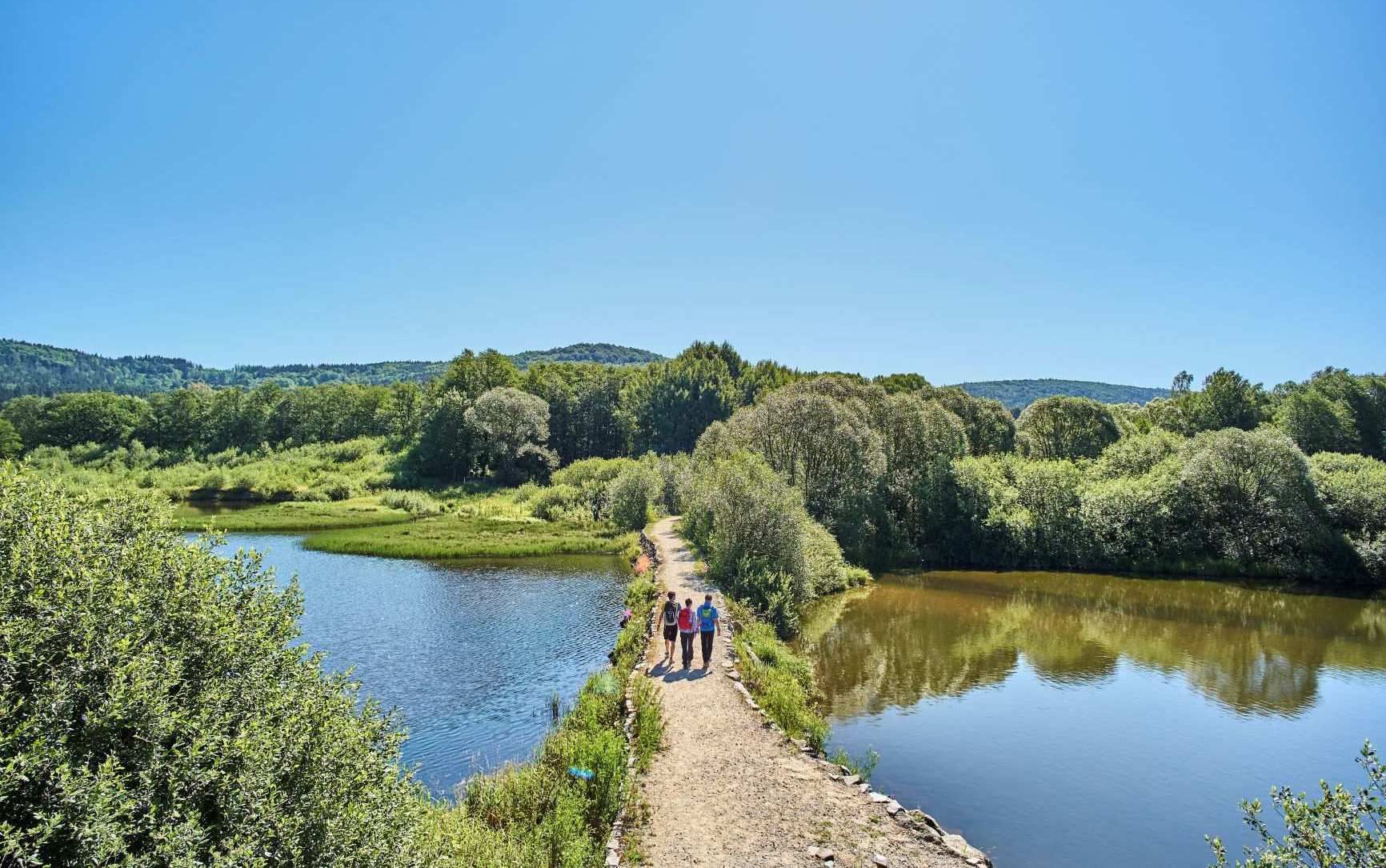
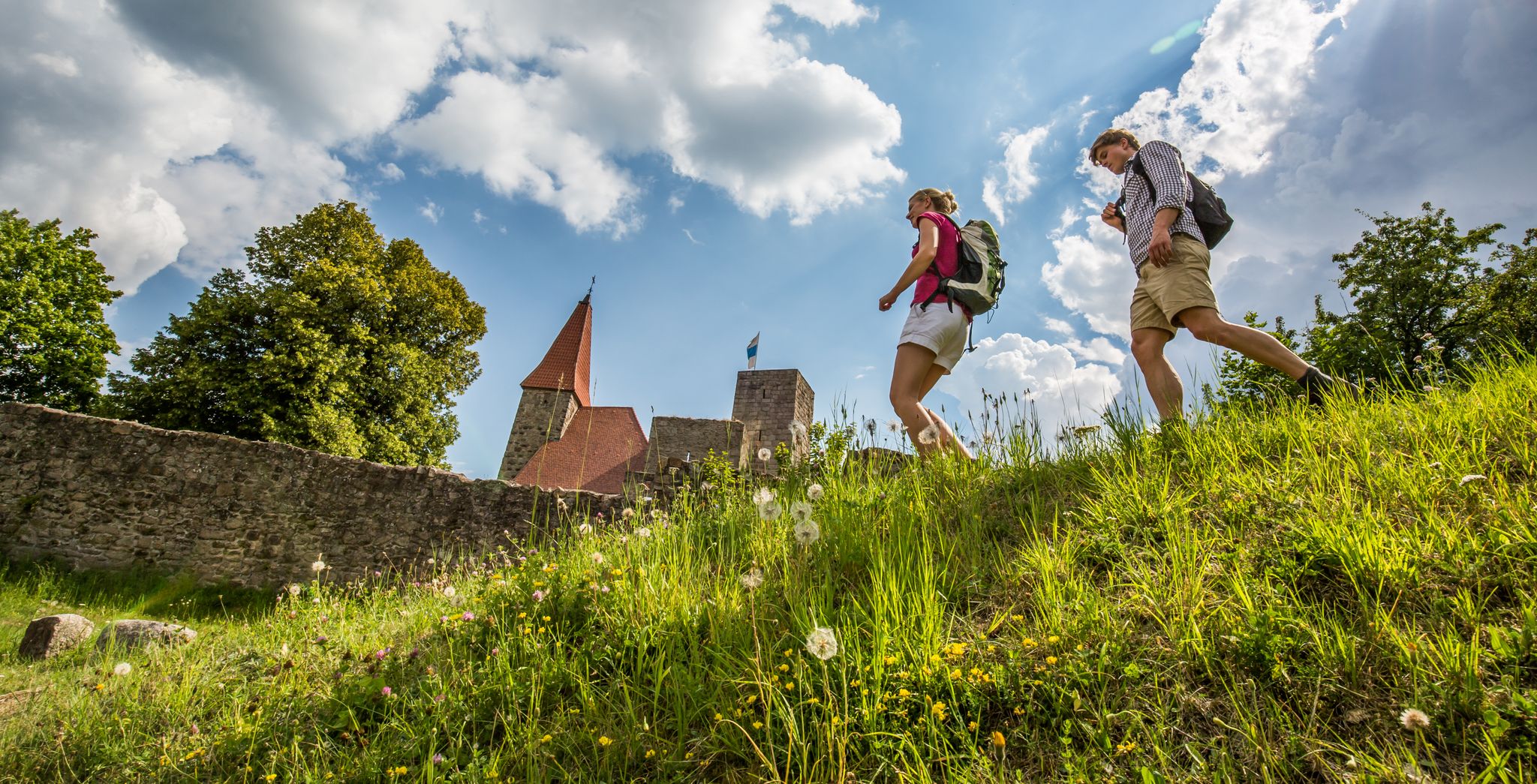
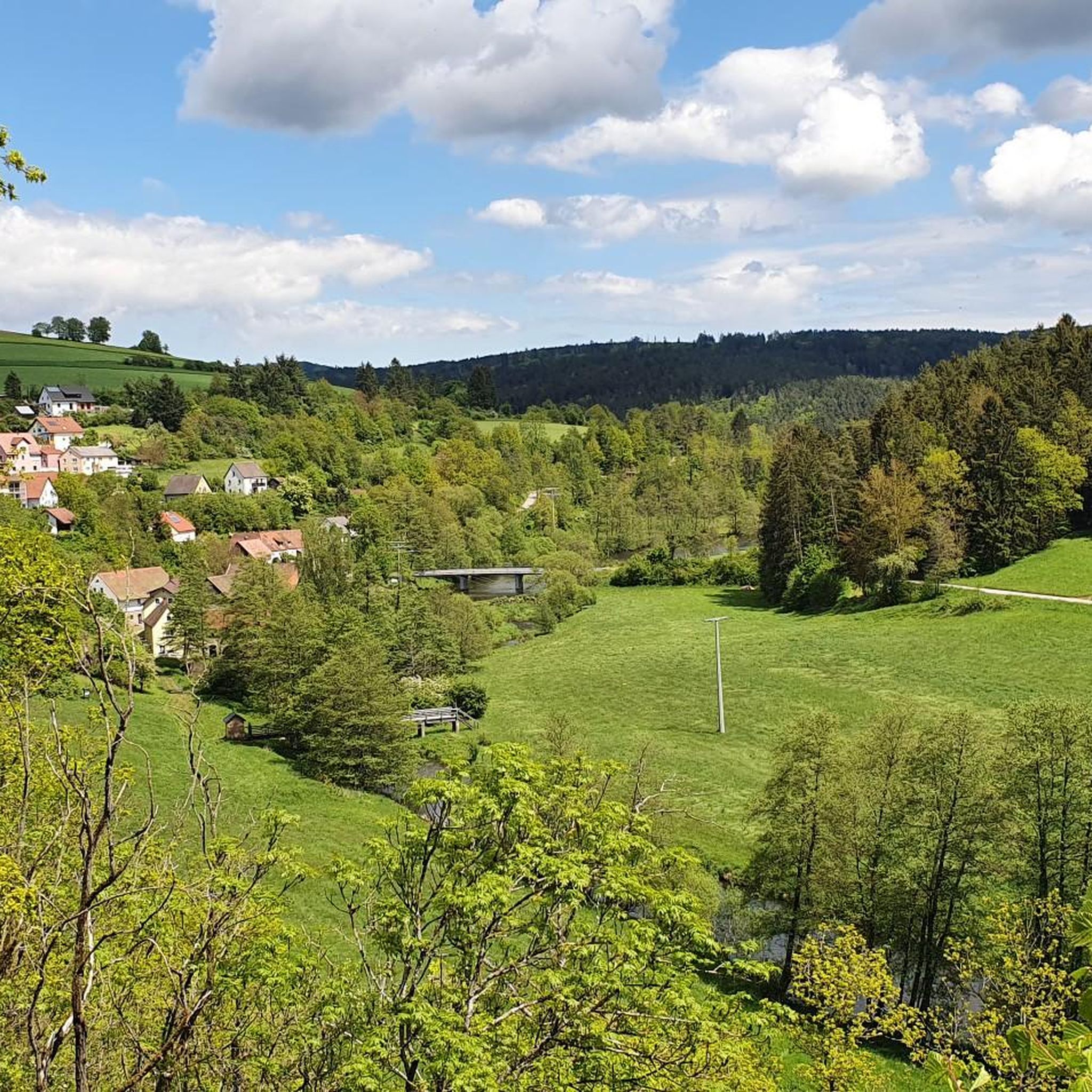
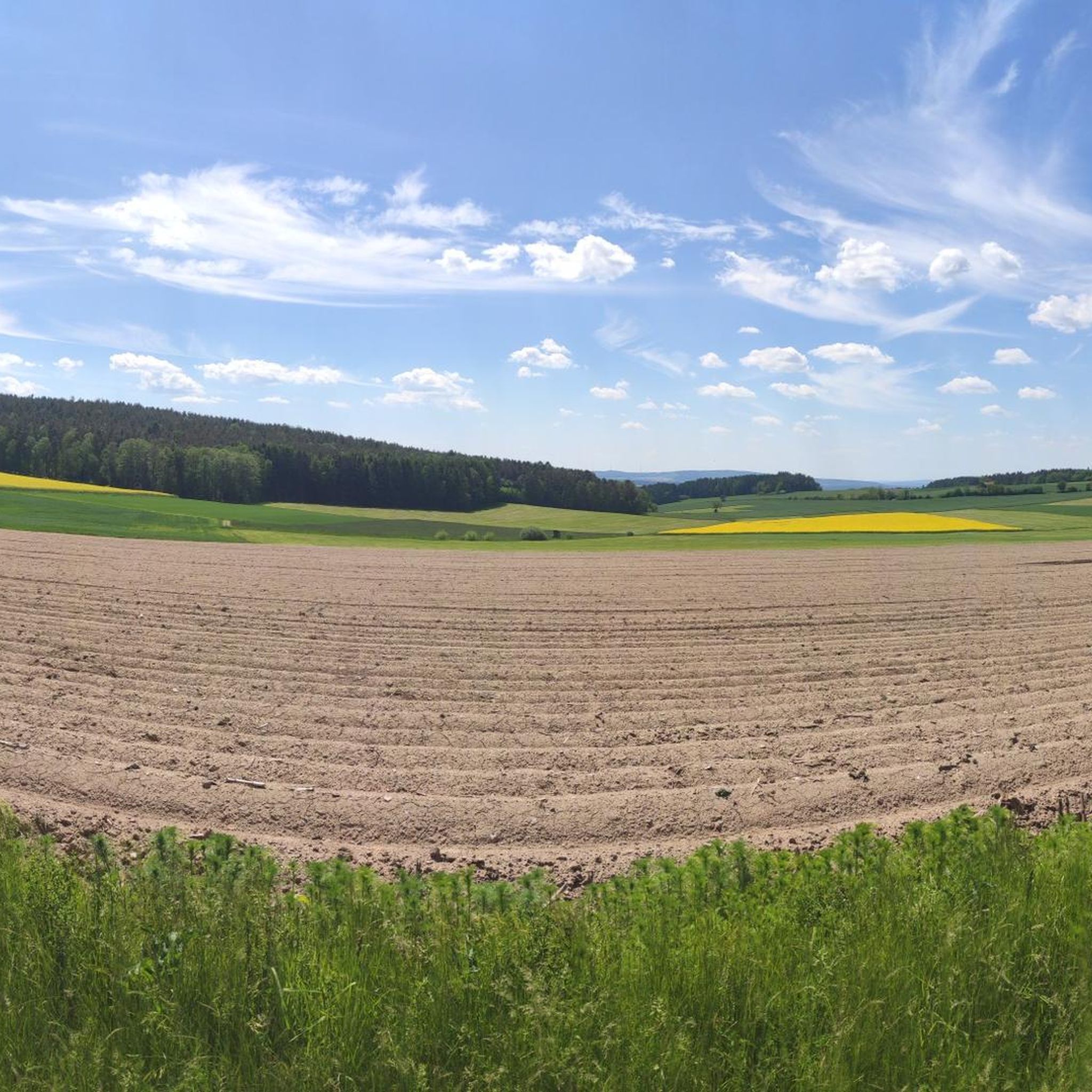
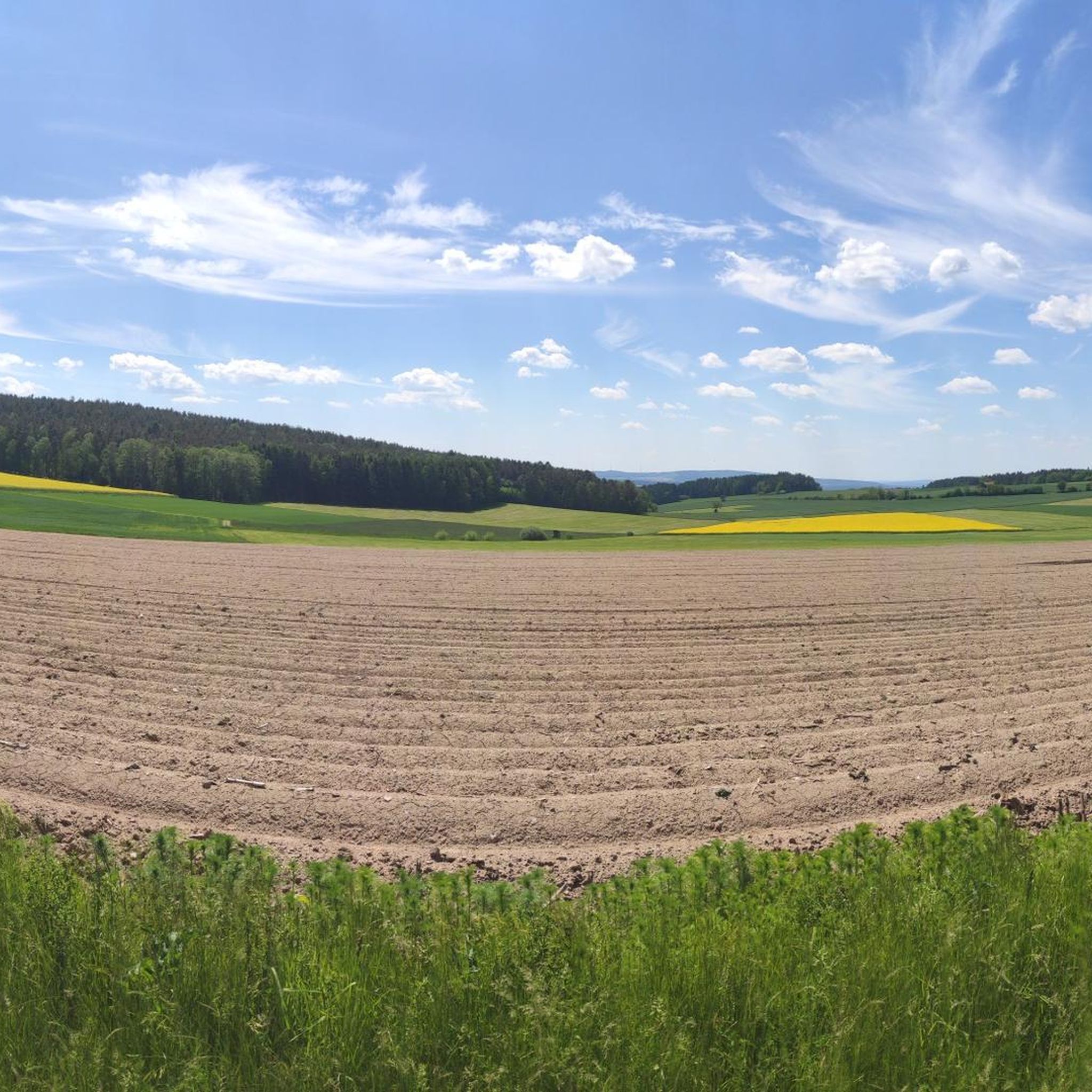
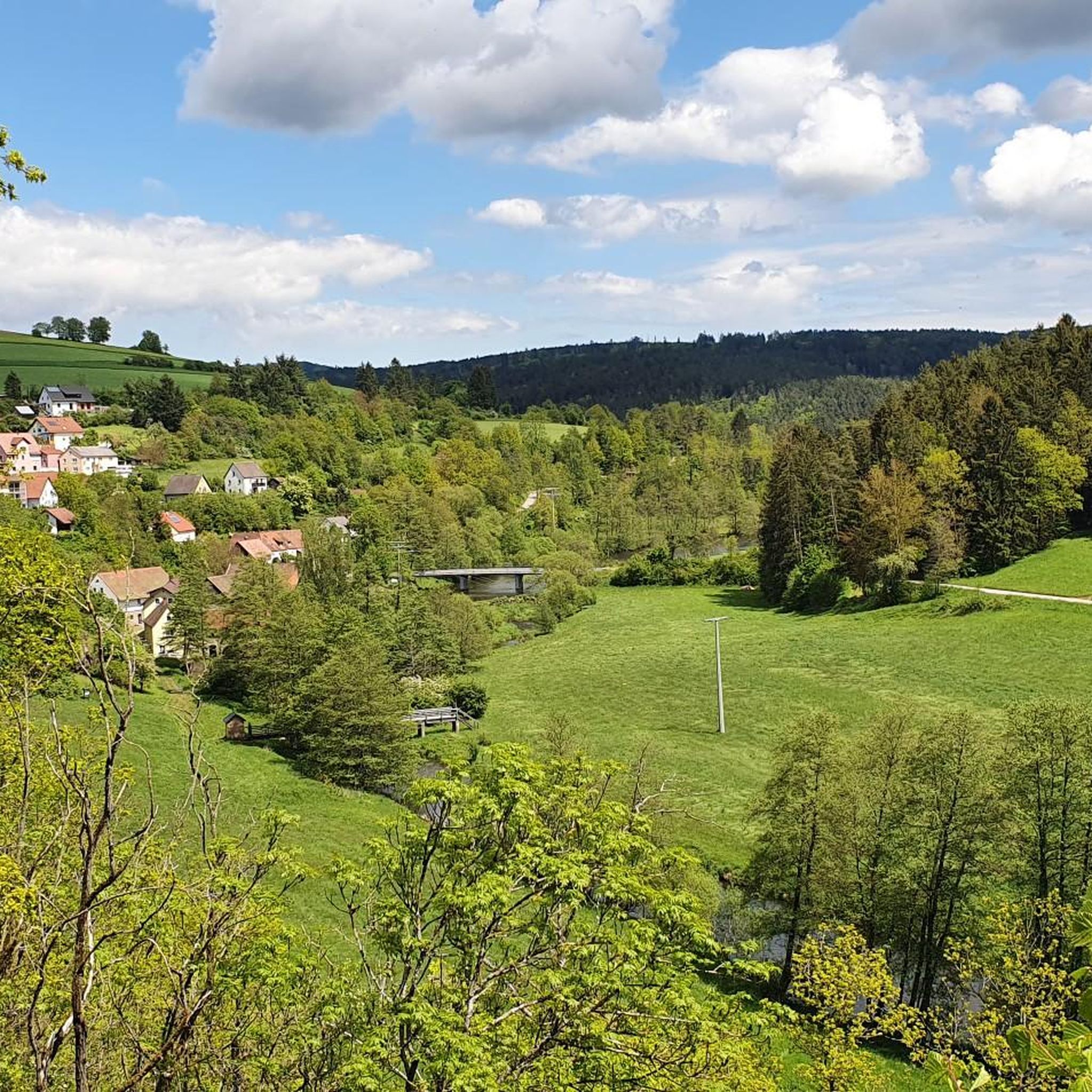
트라우니츠 주변의 산악자전거 코스는 다양한 풍경을 특징으로 하는 저산맥인 오버팔츠 숲(Upper Palatinate Forest) 내에 위치해 있습니다. 이 지역은 프파임트 계곡(Pfreimdtal)을 포함한 구불구불한 언덕, 울창한 숲, 그림 같은 강 계곡이 특징입니다. 지질학적 역사는 현무암 원뿔을 포함하여 풍경에 독특한 특징을 더합니다. 이러한 다양한 지형은 다양한 기술 수준에 맞는 다양한 코스를 제공하며 산악자전거를 타기에 이상적인 환경을 조성합니다.
마지막 업데이트: 4월 6, 2026
4.9
(9)
15
자전거 타는 사람
21.7km
01:47
390m
390m
보통 산악 자전거 타기. 좋은 체력 필요. 뛰어난 라이딩 실력이 필요함.
4.5
(6)
13
자전거 타는 사람
20.0km
01:22
160m
160m
보통 산악 자전거 타기. 모든 체력 수준에 적합. 뛰어난 라이딩 실력이 필요함.
무료 회원 가입
3
자전거 타는 사람
16.0km
01:20
290m
290m
보통 산악 자전거 타기. 모든 체력 수준에 적합. 뛰어난 라이딩 실력이 필요함.
4.5
(2)
3
자전거 타는 사람
38.3km
03:13
630m
630m
보통 산악 자전거 타기. 좋은 체력 필요. 뛰어난 라이딩 실력이 필요함.
4
자전거 타는 사람
36.6km
03:06
670m
670m
보통 산악 자전거 타기. 좋은 체력 필요. 뛰어난 라이딩 실력이 필요함.
더 다양한 경로와 다른 탐험가들의 추천을 살펴보세요.
무료 회원 가입
이미 komoot 계정이 있나요?
투어 추천은 다른 사람들이 komoot에서 완료한 수천 개의 활동을 바탕으로 구성되어 있습니다.
오늘 무료 계정으로 시작하세요
다음 모험이 기다리고 있어요.
로그인 또는 가입하기
The impressive building is somewhat hidden in a beautiful landscape.
2
0
Originally done, a tribute to the artist and decision-maker.
2
0
Wonderful landscape, here is a place of peace and relaxation
1
0
Always nice to have a little snack on the terrace
3
0
Banneux Chapel, Schilternbach Sixty years ago, the small Chapel of the Virgin Mary was built east of Wernberg – tucked away between forest and meadows at the confluence of the Kötschdorfer Bach and Schilterbach streams. It was sometimes called "Madonna im Wiesengrund" or "Maria im Firn" (Our Lady of the Meadows) or "Mary in the Pine Trees." The open, circular structure is dedicated to Our Lady of Banneux. During the Rosary Service on October 27, 1955, hundreds of believers marched in a candlelight procession with the statue of the Virgin Mary from the parish church of St. Anna to the newly built chapel on the Schilterbach stream to dedicate it to the Blessed Virgin of the Poor and Sick. The chapel was donated by Sophie Breu. Sophie Breu, director of the Schlenz sanatorium St. Michael, was a great admirer of the apparitions of the Virgin Mary at Banneux in Belgium. According to the report, Joan Jacob, the pastor of Banneux, where Our Lady is said to have appeared eight times to twelve-year-old Mariette Beco between January 15 and March 2, 1933, traveled specifically for the consecration and brought the statue with him. For many years, the Wernberg Chapel on the Schilterbach stream was a frequent meeting place for May devotions, October rosaries, and supplication processions. The construction of several chapels and the emergence of Marian veneration sites can be traced back to the initiative of Sister Sophie Breu. She ran the well-known Schlenz sanatorium in Wernberg. The many letters of thanks from her patients, which still exist today, testify to her many successful healings. The advertising slogan was "Operation without knife and blood." Sophie Breu, a native of Wernberg, joined the Order of the Sisters of Mercy in 1928 after training as a nurse and nurse. She learned the methods of medicinal herbal and hyperthermic baths from Maria Schlenz. From humble beginnings, she began her own business in 1937 and worked with perseverance and tenacity toward her life's goal of helping the sick with this method. The chapel is owned by the Regensburg Episcopal Administration. Source: Excerpts from www.onetz.de/deutschland-und-die-welt-r/lokales/zur-madonna-im-wiesengrund-d1014170.html
2
0
Wernberg Castle The earliest documented mention of the castle "Werdenberch", which was founded by the Landgraves of Leuchtenberg, dates back to 1280, when the castle came into the possession of Konrad von Paulsdorf. The following year, his daughter brought Wernberg into the possession of the Nothaft family through marriage, who lived here until the 16th century. In 1367, Heinrich I Nothaft gave his free Wernberg Castle to the Kingdom of Bohemia as a fief. In 1509, Georg, Kaspar, Heinrich, Hans and Bernhard Nothaft sold Wernberg Castle to Georg Wispeck von Velburg. In 1530, Johann IV, Landgrave of Leuchtenberg, acquired the castle, which came to the Electorate of Bavaria when the Leuchtenberg family died out in 1647 and became the seat of the custodianship for the Upper Palatinate from 1704 to 1803. During the Thirty Years' War, Wernberg Castle was occupied and plundered by Mansfeld troops in 1621, Swedish troops in 1634, and then imperial troops. At the end of the war, the castle was in a desolate state. From 1856/57 to 1859, the castle served as a forced labor house and from 1861 as a "rescue center for fallen women and neglected girls." In 1918, Wernberg passed to Andreas Graf Schall-Riacour, who rented it out as a home for asylum seekers. From 1804, Wernberg temporarily degenerated into a penal institution. In 1992, the municipality, the state, and Klaus Conrad, owner of the Conrad electronics group, raised a total of 27 million DM to fundamentally renovate the partially ruined castle. First, the castle became a modern hotel and conference center with Michelin-star cuisine, then a private clinic in 2019. Since then, it has been closed to visitors. This means that a unique medieval building is unfortunately hidden from the public. The Wernberg Castle, built in the middle of the 13th century, included the mighty square keep, the palace in the north and the ring wall. The Nothafts increased the density of the buildings and built, among other things, the castle chapel of St. George, which was consecrated in 1401 and then remodeled in the Baroque style in 1712. The south wing was built in 1478, and the north wing was remodeled at the same time. The front moat and the castle gate, which was fortified by a drawbridge, probably also date from this period. The inner courtyard with its two-storey arcades and the stair tower clearly exudes the Renaissance style. In 1731, further repairs were necessary. In 1920, under Andreas Graf Schall-Riacour, the south wing was rebuilt, but it partially burned down in 1942. Source: www.hdbg.eu/burgen/detail/burg-wernberg/98
4
0
다른 지역의 최고의 MTB 트레일를 살펴보세요.
무료로 가입하기