4.4
(122)
829
자전거 타는 사람
16
라이딩
베글리에 있는 멋진 산악자전거 라이딩 경로를 따라 어디로 가 볼까요? 베글리에 있는 MTB 경로 컬렉션 중에서 가장 멋진 장소를 아래에서 살펴보세요.
마지막 업데이트: 5월 28, 2026
9
자전거 타는 사람
55.3km
03:53
160m
160m
어려운 산악 자전거 타기. 좋은 체력 필요. 뛰어난 라이딩 실력이 필요함. 투어 중 자전거를 끌고 가야 하는 구간이 있을 수 있음.
5.0
(1)
8
자전거 타는 사람
28.7km
02:08
110m
110m
보통 산악 자전거 타기. 좋은 체력 필요. 실력과 관계없이 누구나 갈 수 있음.

무료 회원 가입
4
자전거 타는 사람
62.9km
04:24
190m
190m
보통 산악 자전거 타기. 좋은 체력 필요. 뛰어난 라이딩 실력이 필요함.
5.0
(1)
8
자전거 타는 사람
43.3km
02:40
70m
70m
보통 산악 자전거 타기. 좋은 체력 필요. 실력과 관계없이 누구나 갈 수 있음.
8
자전거 타는 사람
31.4km
02:17
90m
90m
보통 산악 자전거 타기. 좋은 체력 필요. 실력과 관계없이 누구나 갈 수 있음.
더 다양한 경로와 다른 탐험가들의 추천을 살펴보세요.
무료 회원 가입
이미 komoot 계정이 있나요?
투어 추천은 다른 사람들이 komoot에서 완료한 수천 개의 활동을 바탕으로 구성되어 있습니다.
오늘 무료 계정으로 시작하세요
다음 모험이 기다리고 있어요.
로그인 또는 가입하기
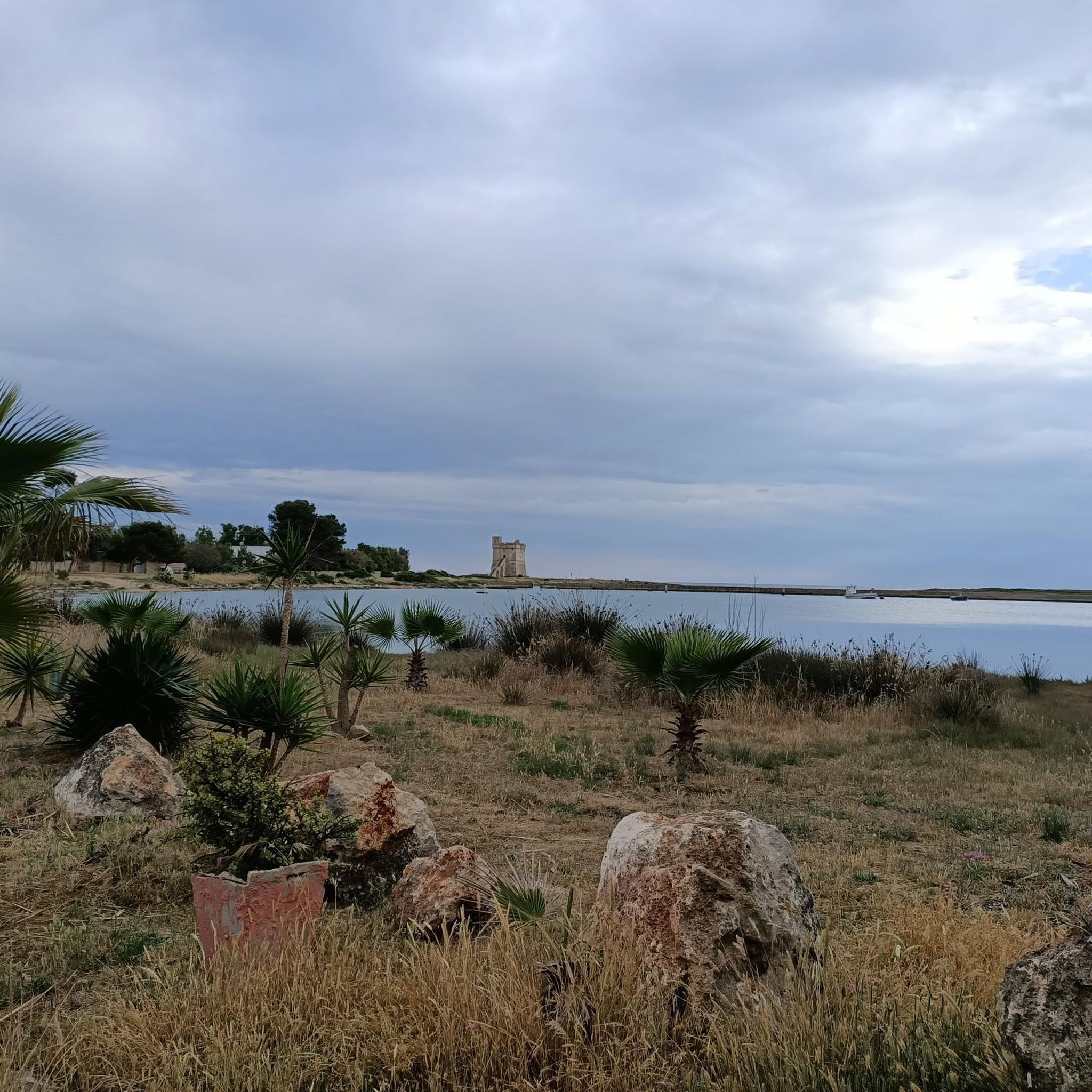
COLIMENA TOWER The Colimena cove was chosen as the highest lookout point by the engineer Giovanni Maria Tommaso Scala, responsible for designing new watchtowers. A small tower already existed, but for economic reasons, it was decided to preserve it and incorporate it into the base of the new one, completed in 1570. From that moment on, Torre Colimena represented a fully-fledged defense structure, with its harquebusiers, machicolations and falconate and access regulated by retractable ladders. Its garrison was entrusted to a tower keeper with the rank of corporal, accompanied by companeros with whom he monitored the horizon to promptly warn of the arrival of the enemy with alarm signals (smoke during the day, fires at night, shots from stone cannons and the sounds of the trumpet). Once the Turkish danger had subsided, in 1730, the tower passed into the custody of Giulio Briganti; in 1777 to that of the soldiers of the Invalid Regiment; in 1820 to the Customs Guards and then went through a period of abandonment, until it was entrusted in 1877 to a Brigade
2
0
A beautiful example of a medieval defensive tower on the coast of southern Italy with a museum of selected ceramics As part of the activities for the knowledge and enhancement of ancient, modern and contemporary ceramics, the National Association of Friends of Ceramics carried out research on ceramic containers for wine, in particular the Grottagliese jar. In Grottaglie the origins of the figurative art are lost in time, but it is the wine jar, called srulu in the local dialect, that characterizes the production of the last two centuries, when the wine for daily consumption was extracted from the capason in the srulu. The word srulu derives from the Latin urceolus, a diminutive of urceus, orcio, first adulterated in ursulu, then by apheresis in rsulu and finally by metathesis in srulu. probably it is an onomatopoeic voice that indicates the sound yes before when the wine is sucked out of the ceramic container SOTS I give with enthusiasm. Its shape is characterized by the ovoid body on a disc base and the wide neck esti or. the ribbon handle and the inverted nose pourer. Over time it suffers lie actions: in the nineteenth-century examples it is pot-bellied, while in those SH vi tends to lengthen gradually from 20 to 40 cm. with the ability to make it from poorly cleaned local clay and cover it with different enamels from ivory white to matte yellow. therefore from a simple, meager artifact that the figures of Grottaglie represent from embellished by short brushstrokes and with chromatic vivacity: ochre to iron yellow, from light blue to intense blue, from fat green to manganese brown; More or less bright colors, tastefully combined in a balanced and bright relationship with the base glaze. Meape covered Elumi, ilos values of ceramic production. The decorative motifs constitute the iconographic repertoire of the Grotagliese craftsmanship of the 19th and 20th centuries: from the anthropomorphic elements to the twisted, phytomorphic, landscape and geometric elements, up to the double continuous thread with daisies that always defines the limit of the artistic. It is therefore authentic folk art, expressing general feelings and views of authentic folk art, inspired by sophisticated or traditional models of thought. The more convincing the Arinium, the more authentic Tsula his language niae, the cultivated convinced". An art that every Rono or Rework Vescio Quil Sa Fire "Core in Heni's reality Well, dear friends, you know how to make exaggerations, but also joys, hopes and faith. Elio Scarciglia
2
0
A Wonderful Example of a Battle Tower from the Middle Ages on the Southern Coast As part of the activities aimed at understanding and enhancing ancient, modern and contemporary ceramics, the National Association of Friends of Ceramics has conducted research on ceramic containers for wine, in particular on the Grottaglie jug. In Grottaglie, the origin of the art of pottery is lost in time, but it is the jug, called srulu in the local dialect, that characterizes the production of the last two centuries, when, for daily consumption, wine was poured from the capasone into the srulu. The word srulu derives from the Latin urceolus, diminutive of urceus, jug, corrupt or first in ursulu then, by apheresis, in rsulu and finally, by metathesis, in srulu. it is probably an onomatopoeic word, which indicates the sound that is made when the wine is sucked from the ceramic container SOTS done with gusto. Car zano its shape the ovoid body on a disk base, the wide neck esti o. the ribbon handle and the upturned nose pourer. Over time it has undergone changes: in the nineteenth-century examples it is pot-bellied, while, in the SH vi ones, it gradually tends to lengthen, from 20 to 40 cm. with a capacity of 20 to 40 cm. made with poorly purified local clay and covered with a variable glaze, from ivory white to dull yellow. a therefore of a simple, poor artefact, which the potters of Grottaglie da embellished with short brush strokes and with chromatic vivacity: ochre to iron yellow, from light blue to intense turquoise, from greasy green to manganese brown; more or less bright colors, tastefully combined in a balanced and luminous relationship on the background glaze. Meape ocqui brato elumi so ilos values of ceramic production. the decorative motifs constitute the iconographic repertoire of the Grotagliese manufacture of the 19th and 20th centuries: from anthropomorphic elements to twisted, phytomorphic, landscape and geometric ones, ending with the continuous double thread with daisies, which always defines the edge of the artistic, it is therefore authentic popular art, which expresses common feelings and siliations of authentic nal art, ana from sophisticated or rastal models of thought; a more persuasive arinio even more, though tsula his language niae an that persuaded cultured". An art that every rono or rework vescio quil sa fire "core in the reality of heni Bon, to pivar nichi mie of sa far i isiperssioni, but also of joys, of hopes and of faith. Elio Scarciglia
1
0
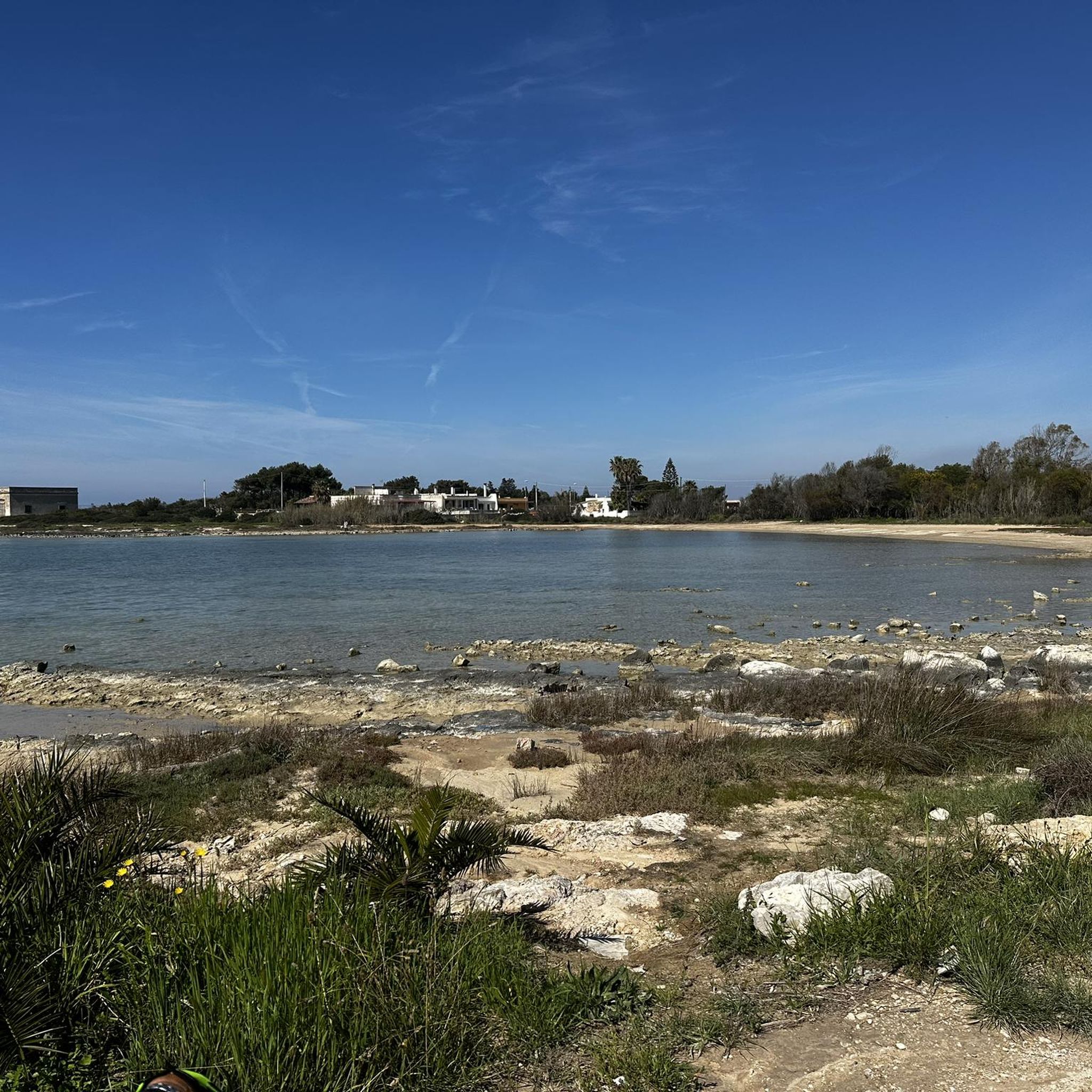
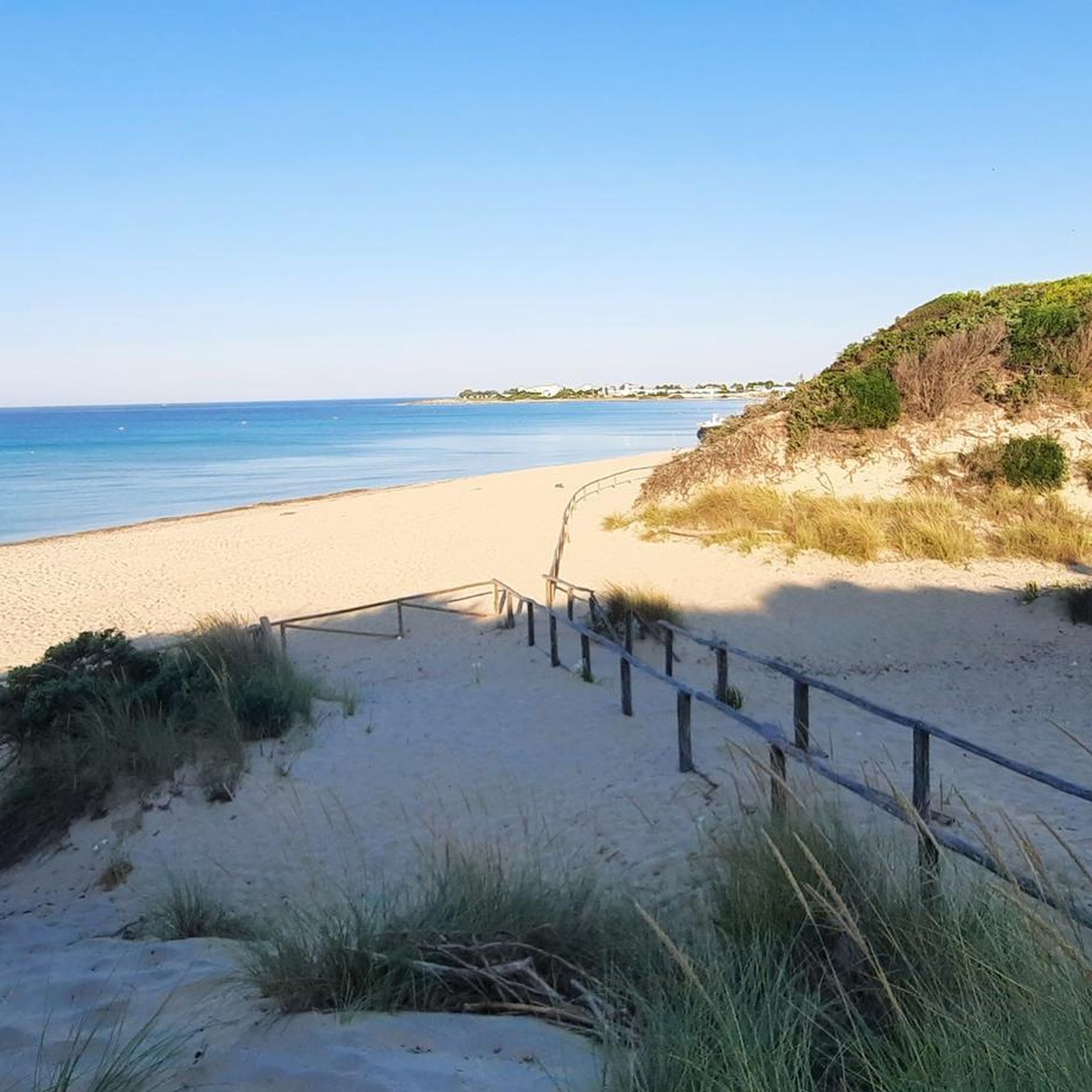
Torre Colimena (Salina dei Monaci) is a seaside hamlet in the municipality of Manduria, not far from Torre Lapillo. It is a protected nature reserve and is a place not affected by mass tourism and for this reason its landscape is almost uncontaminated: a place rich in natural species, such as flamingos and various types of birds. A quiet place, far from crowded and noisy beaches, an oasis of peace. Once you arrive under the tower, turn left until you find the interrupted road, park and continue on foot.
3
0
The coastal tower of Torre Colimena is one of the many towers built along the Salento coast to defend itself against Turkish incursions. It was commissioned by Emperor Charles V, King of Spain, in the 16th century. It has a square shape with four corner merlons and a panoramic terrace which overlooks the bay with a splendid view of the sea and the Salina dei Monaci. Entrance to the first floor is free, while the second floor has been hosting the Ceramics Museum since 2021, a collection of ceramic artefacts from different periods and types.
1
0
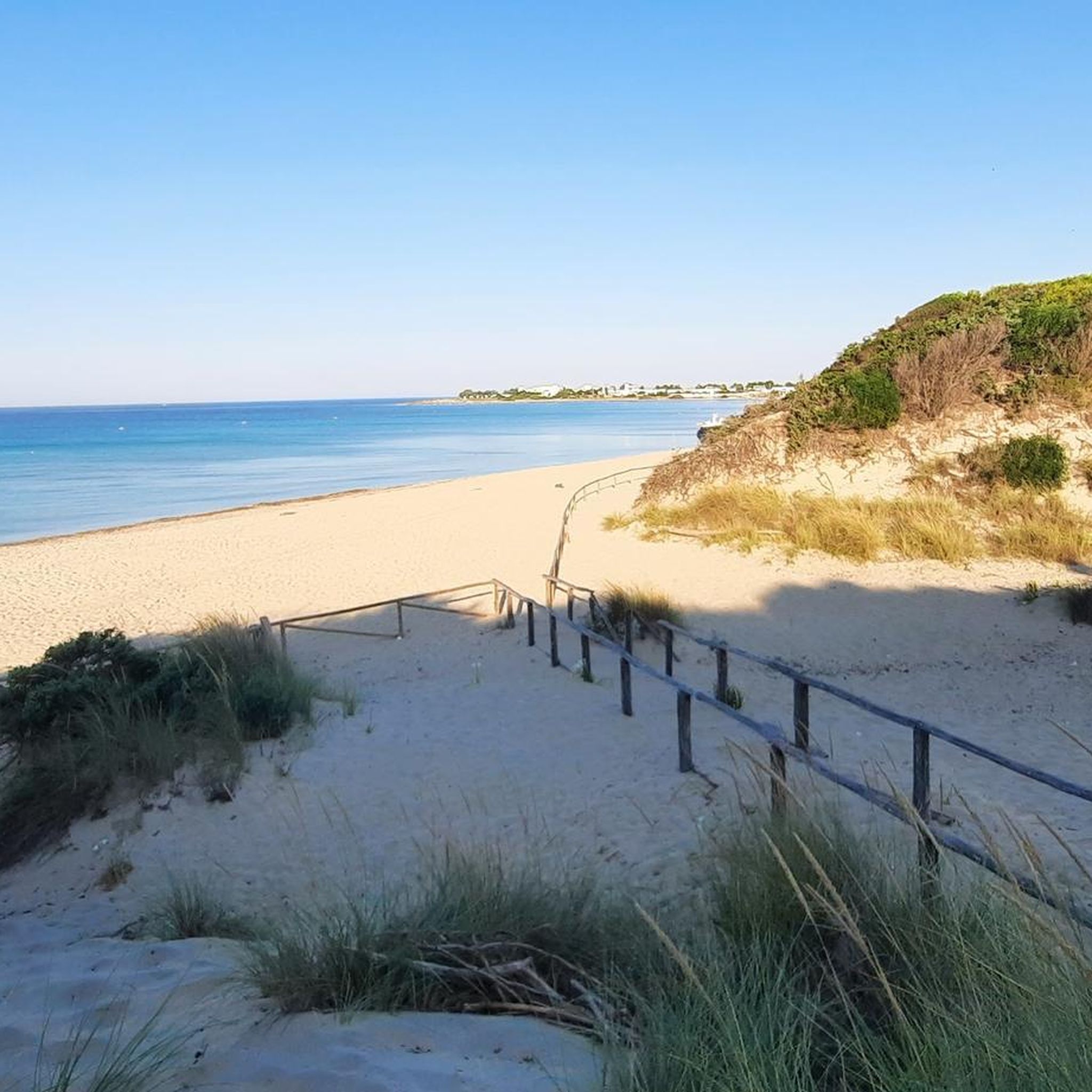
A natural oasis! It is possible to admire the salt pan, with beautiful colors at sunset, and the sea; the latter can be reached by walking along the wooden walkways that cross the dunes. Immense beach and spectacular sea!
1
0
다른 지역의 최고의 MTB 트레일를 살펴보세요.