20의 마이라고가지 명소 & 주요 장소
마이라고에는 둘러볼 만한 장소가 많답니다. 하이킹 또는 사이클링을 좋아한다면 마이라고에 숨겨진 20
가지 보석을 만날 수 있을 거예요. 이 지역의 주요 명소를 살펴보면서 다음 모험을 계획해보세요.
마지막 업데이트: 5월 26, 2026
비토리아 광장, 로디
하이라이트 • 역사적 장소
번역자 Google •
팁에 의해


이런 장소를 발견하려면 지금 가입하세요
최고의 싱글 트랙, 봉우리 및 다양한 흥미로운 야외 장소에 대한 추천을 받아보세요.
무료 회원 가입


오늘 무료 계정으로 시작하세요
다음 모험이 기다리고 있어요.
로그인 또는 가입하기

커뮤니티 팁

The villa was built according to its original design by Count Antonio Cavazzi della Somaglia, VIII Count and Baron of Somaglia, to showcase the power of his family, in an area where he owned several lands and estates. The count entrusted the design to architect Giovanni Ruggeri. Upon his death in 1688, Antonio bequeathed the villa to his great-nephew Antonio Dati, who subsequently assumed the title of Count of Somaglia. Dati oversaw the expansion of the palace, transforming it into a majestic residence intended as a holiday resort and meeting place for great figures of 18th-century Italian literature and culture, but he never lived to see the work completed, which was completed by his son Antonio Giovanni Battista in 1749.
1
0
I don't know when they will be finished but a cycle bridge is being planned downstream from the road bridge and it will avoid the stretch of SS 234, to date (March 2025) the foundations have been laid on both banks then we'll see...
1
0

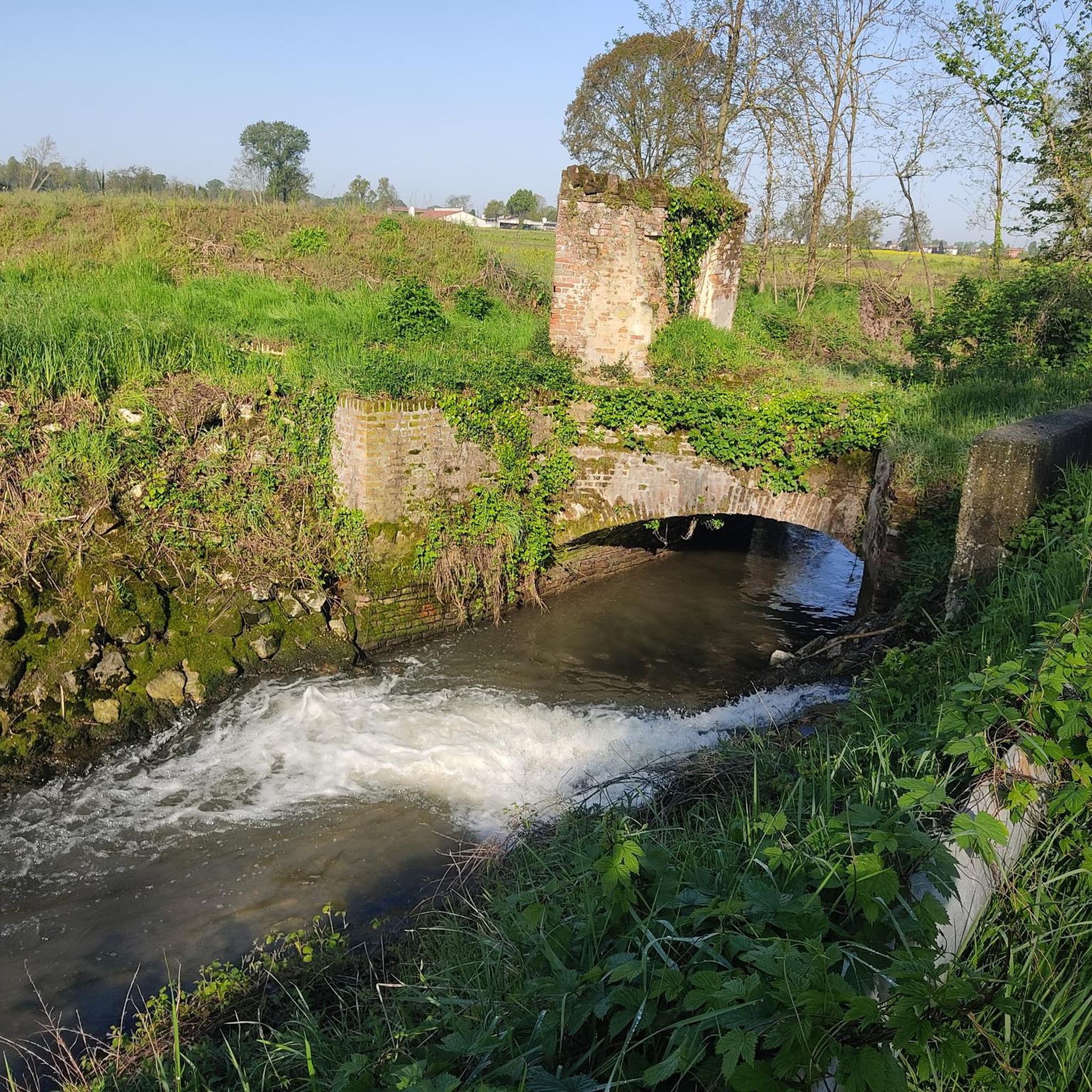
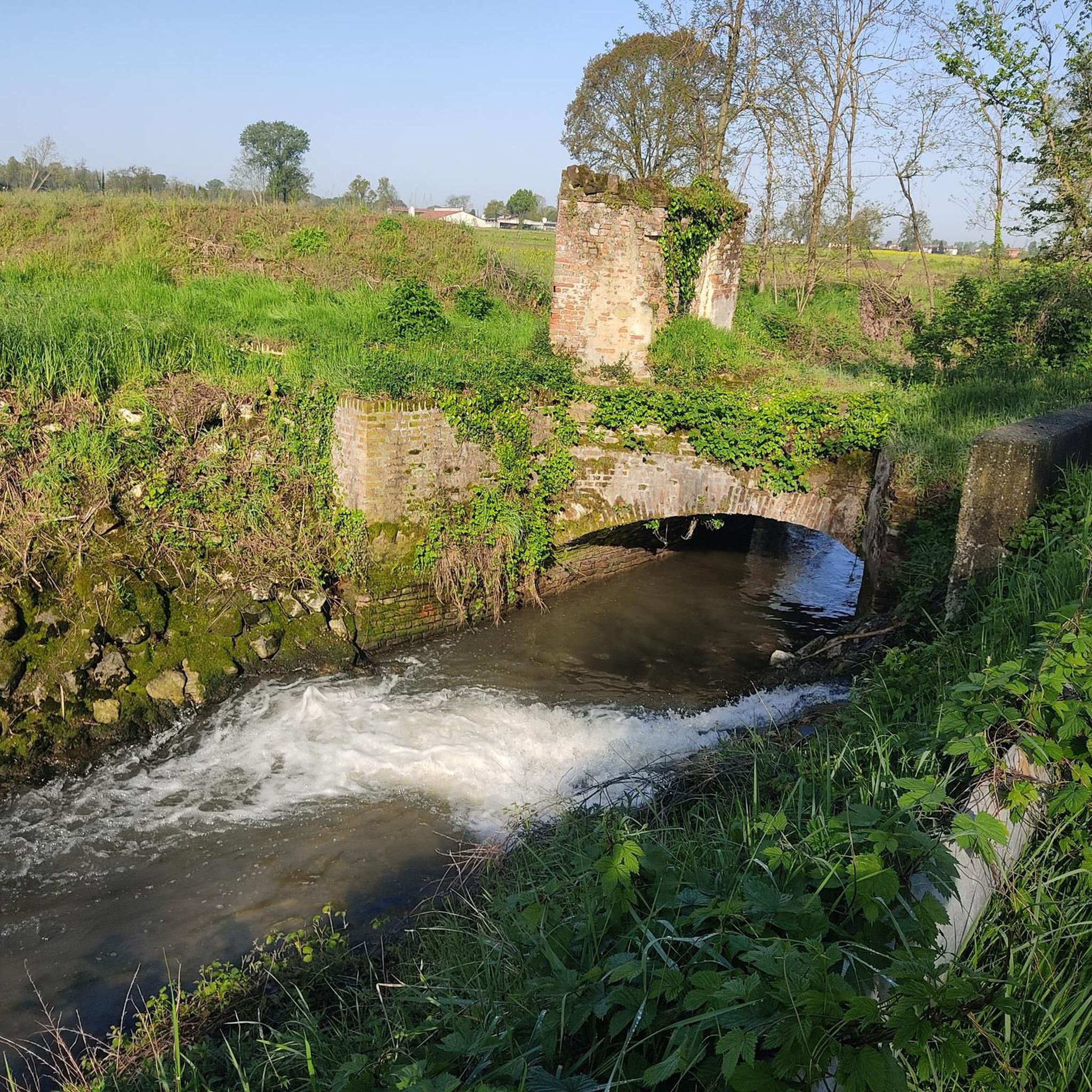
Beautiful photo of the bridge over the Del Lambro🤩... And enjoy the rest days😎... The last week is starting🤪...
0
0

nice square with bars and restaurants
1
0

It's impossible to think of passing through here without visiting the town's castle. Its origins seem to date back to the 6th century but over time it underwent numerous transformations and rearrangements, resulting from the needs of the owners who followed one another over the centuries. First there was Frederick I, known as Barbarossa, who destroyed the previous castle to rebuild it. There were the Visconti-Sforzas and finally the Belgioioso family. The structure of the castle is divided into two parts: on one side the shelter, i.e. the area where daily life took place, on the other the fortress, with military functions and for this reason located high up on the hillside.
0
0

Villa Litta Carina (little Versailles of the Lodi area) dates back to the second half of the 17th century and was designed by the renowned architect Giovanni Ruggeri. It is considered a national historical and artistic heritage by the Belle Arti. The villa has had illustrious visitors, including King Umberto I and Giacomo Puccini. Villa Litta Carini envelops you in its magnificent atmosphere and enchants you with its suggestive beauty. The villa is available for banquets, receptions, meetings, congresses and other events.
6
0
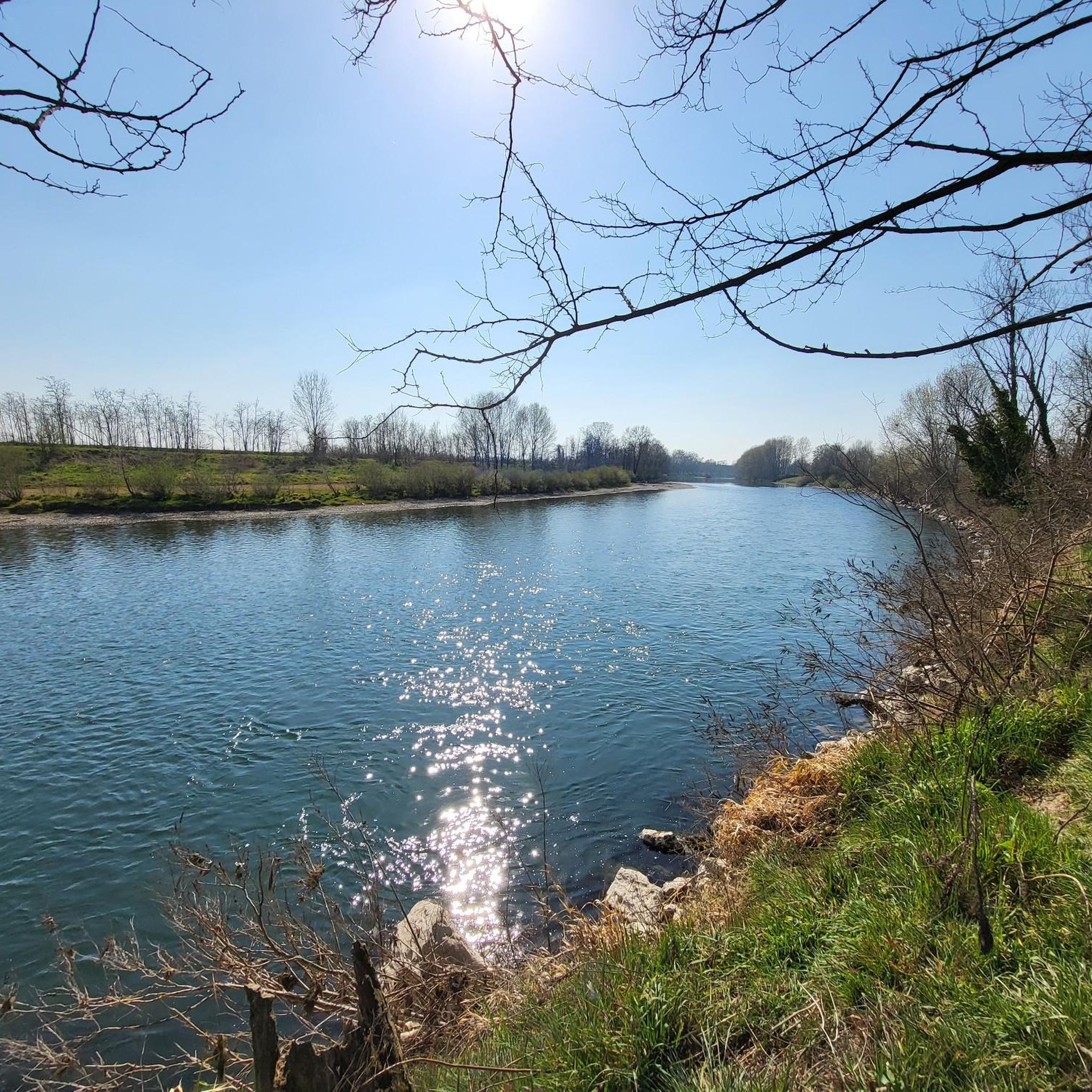
"Attraverssamento del fiume Lambro"; The Lambro is a river in the Italian region of Lombardy. The total length of the river is approximately 130 kilometers. The source of the Lambro, Menaresta is located on the flank of Monte San Primo (1685 m), the highest mountain of the Triangolo Lariano that divides Lake Como in two. The first kilometers the river flows through the Valassina, then the Lambro crosses Lake Pusiano and later flows further into the Brianza. Between Lake Pusiano and the city of Monza, the river and the surrounding area have been declared a protected area (Parco Regionale della Valle del Lambro). Arriving at the conurbation of Milan, the river flows straight through Monza, and past the cities of Sesto San Giovanni and Milan. The last kilometers the Lambro flows through the flat Po Valley past the town of Melegnano and eventually flows into the Po river in Orio Litta.
8
0

The Cathedral of Lodi is the oldest sacred building in the city. Its construction was commissioned by Frederick Barbarossa and began in the year 1160 and ended a hundred years later. The composition of the facade, the use of exposed bricks and the design layout make the Lodi Cathedral one of the most famous examples of Lombard-Emilian style, more commonly known as Romanesque.
3
0
마이라고 주변에서 가장 인기 있는 명소


더 살펴보기
찾고 있는 하이라이트를 아직 못 찾으셨나요? 다른 지역의 주요 명소 가이드를 확인해보세요:
