20의 폴베라라가지 명소 & 주요 장소
주변의 폴베라라(Polverara)에서 볼 수 있는 최고의 명소와 장소는 역사 유적지와 문화 명소가 혼합된 곳으로, 주로 근처 도시 파도바(Padua)와 브렌타 리비에라(Brenta Riviera)를 따라 위치해 있습니다. 폴베라라 자체는 일반적으로 평평한 농업 지역에 위치한 작은 곳입니다. 이 지역은 농업 역사에 대한 통찰력을 제공하며 짧은 거리에 있는 중요한 건축 및 역사 유적지에 대한 접근성을 제공합니다.
폴베라라 주변 최고의 명소 및 볼거리
- 가장 인기 있는 명소는 파도바 시뇨리 광장(Piazza dei Signori, Padua)으로, 건축적 중요성과 활기찬 분위기로 유명한 역사 유적지입니다. 이곳에는 카피타노 궁전(Palazzo del Capitano)과…
마지막 업데이트: 10월 9, 2026
Villa Pisani
하이라이트 • 성
번역자 Google •
팁에 의해

Villa Giovannelli Colonna
하이라이트 • 역사적 장소
번역자 Google •
팁에 의해

이런 장소를 발견하려면 지금 가입하세요
최고의 싱글 트랙, 봉우리 및 다양한 흥미로운 야외 장소에 대한 추천을 받아보세요.
피아차 데이 시뇨리, 파도바
하이라이트 • 역사적 장소
번역자 Google •
팁에 의해


Ponte Benito Daga
하이라이트 • 다리
번역자 Google •
팁에 의해

무료로 가입하여 폴베라라 주변의 더 많은 명소를 발견하세요.
이미 komoot 계정이 있나요?
오늘 무료 계정으로 시작하세요
다음 모험이 기다리고 있어요.


커뮤니티 팁

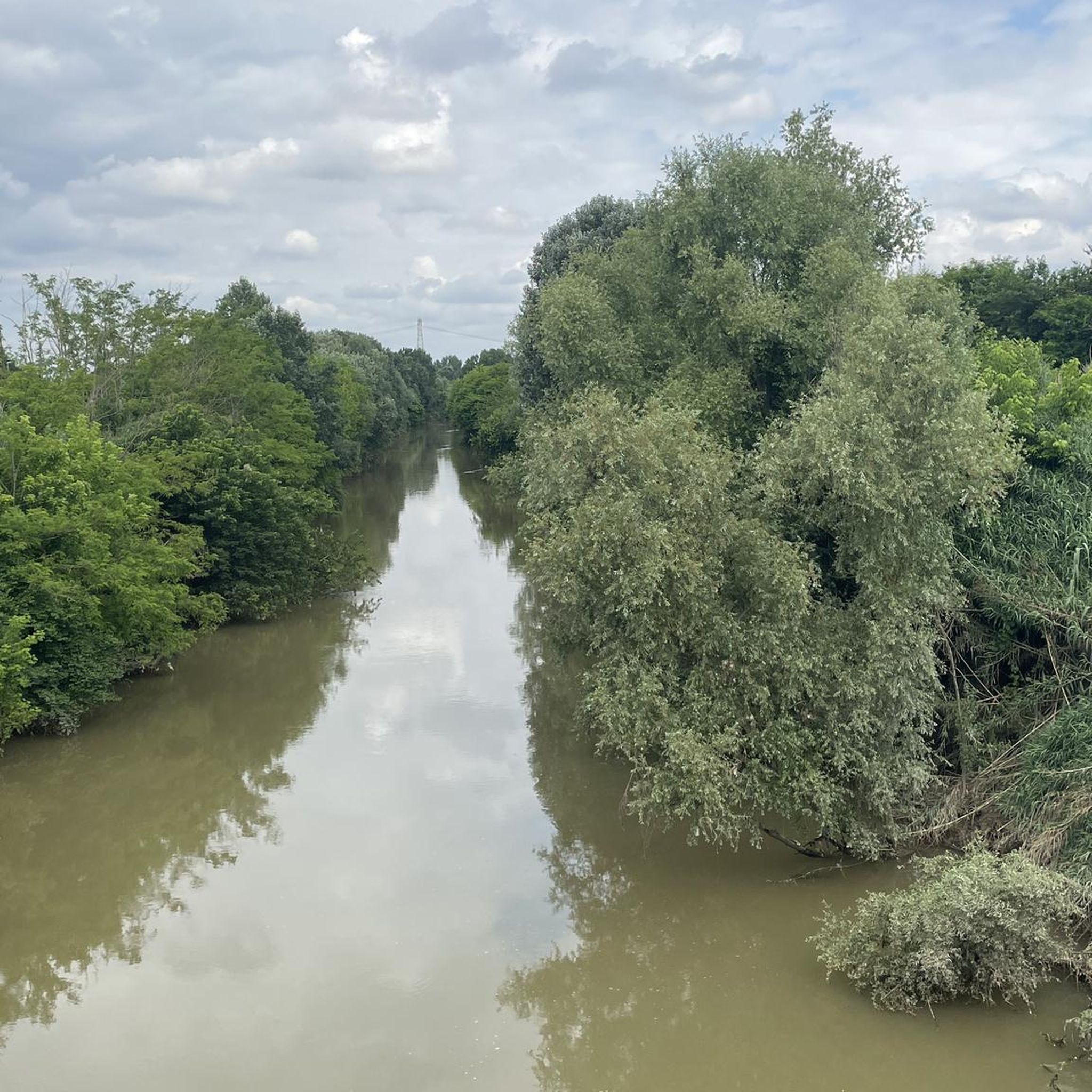
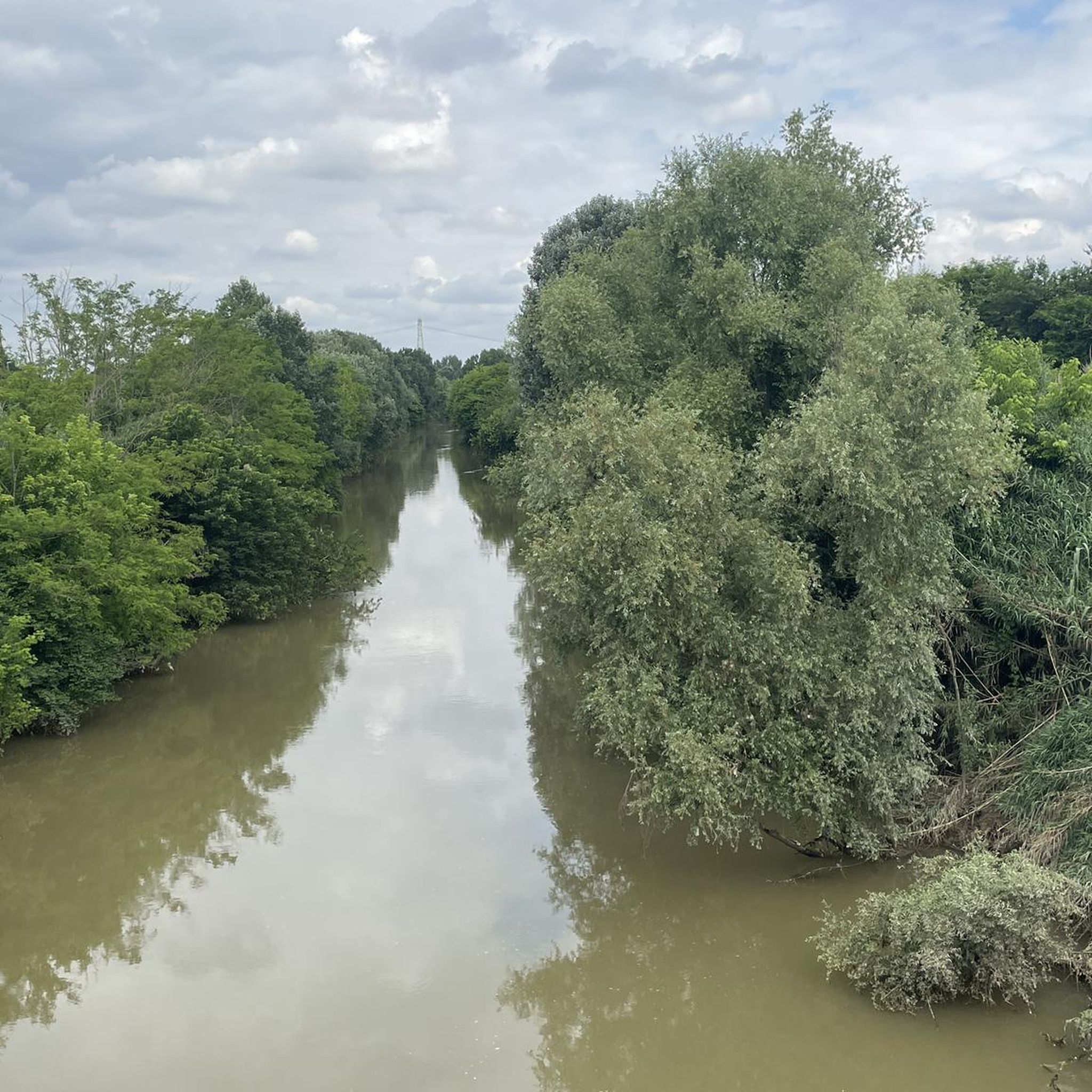
베니토 다가 다리(Ponte Benito Daga)는 파도바 남서부 지역에 위치한 카노티에리 파도바(Canottieri Padova) 본부 근처의 전략적인 강변 구역에 있는 자전거 및 보행자 다리입니다. 이 구조물은 1991년에 사망한 베니토 다가(Benito Daga)의 이름을 따서 명명되었습니다. 그는 파도바와 이탈리아 스포츠계에서 존경받는 인물로, 패럴림픽 이탈리아 수영 국가대표팀의 코치이자 감독으로 활동한 것으로 알려져 있습니다. 물류적 관점에서 이 다리는 도시의 부드러운 이동성을 위한 중요한 연결 지점입니다. 브루세가나(Brusegana)와 바사넬로(Bassanello)의 강변 도로를 연결하며, 러너, 보행자, 자전거 여행객에게 필수적인 통로 역할을 합니다. 파도바의 유명한 강변 순환로를 이용하거나 에우가네오 언덕(Colli Euganei)으로 향하는 자전거 도로 및 브렌텔라 운하(Canale Brentella)를 따라가는 자전거 도로로 진입하는 사람들에게 핵심적인 지점입니다.
0
0

Piazza dei Signori, Padua For the people of Padua, a stroll to the squares of the historic center, such as Piazza della Frutta, Piazza delle Erbe, and Piazza dei Signori, means immersing oneself in the markets that traditionally enliven the city every morning. Shopping is simultaneously a pleasure, a social occasion, a kind of daily ritual. But it's also worthwhile to look up and admire the architecture of the houses, balconies, and historic buildings that frame them. Piazza dei Signori is surrounded on its two main sides by two wings with colonnades, elegantly enhanced by terraces with antique wrought-iron balconies. The two shorter sides are bordered by the Church of San Clemente and the Palazzo del Capitanio with its clock tower, whose colonnade leads to the Corte Capitaniato and the nearby square of the same name. Here once stood the Castello dei Carraresi, which today houses the University of Padua with its Faculty of Literature and Philosophy and the rooms painted by Altichiero. On the south side of the square stands the elegant Loggia del Consiglio, or Gran Guardia, the 16th-century building where the city's Maggior Consiglio (Great Council) used to meet. The wide staircase leading to the loggia and the council chamber on the main floor are particularly worth seeing. Text / Source: Turismo Padova https://www.turismopadova.it/de/orte/piazza-dei-signori/
17
0
Prato della Valle, Padua The Prato della Valle, one of Padua's landmarks, is a large, monumental space distinguished by a central green island, Isola Memmia, named in honor of the city's governor who commissioned its creation. This island is surrounded by a canal adorned with a double pedestal featuring numbered statues of famous figures from the past. Since antiquity, this public space has served both economic and recreational functions. In Roman times, a large theater, the Zairo, stood here; remains of the theater's foundations have been found in the canal surrounding Isola Memmia, along with a circular racecourse for chariots. During the Middle Ages, fairs, tournaments, festivals, and competitions were held here; it was the site of large gatherings of "all the free men of Padua," and as early as 1077, it was a marketplace. Until 1767, it belonged to the Abbey of Santa Giustina. Then, the Senate of Veneto declared it municipal land and, together with Andrea Memmo, Provveditore della Serenissima (Governor of the Venetian Republic), implemented a radical redevelopment project. The aim was to create a new urban commercial center, a space suitable for fairs and events. Later, pavilions were erected on Isola Memmia to establish a market. Subsequently, trees were planted, giving the square a distinctly English feel, while the surrounding buildings made it unique, original, and memorable. The design is inspired by the great Venetian tradition of the patrician garden, which here, for the first time, is taken out of private use and proposed according to neoclassical concepts as an urban planning solution and ecological enhancement. Text / Source: Turismo Padova https://www.turismopadova.it/de/orte/prato-della-valle/
16
0

This cycle/pedestrian bridge, which stands near the headquarters of Canottieri Padova, was named after Benito Daga: he died in 1991 and was a sports instructor and coach of the national swimming team for the Paralympics.
4
0

Piazza dei Signori; a large square with the Palazzo del Capitano (from the 14th-16th centuries), where the Venetian governors resided and the watch tower with arcade and the elegant Loggia del Consiglio in Renaissance style. The clock still works on the almost 600 year old mechanism. Entrance is free, groups of maximum 10 people (guided tours only in the morning on Wednesday, Friday and Saturday).
10
1
Prato della Valle is one of the largest squares in Europe dating from the 17th century. It is the green heart of the city, a welcoming meeting place. The oval-shaped square, planted with plane trees, is surrounded by a tranquil waterway flanked by statues of famous figures.
7
0
After the restoration work, which allowed the reopening of the tower in Piazza dei Signori in June 2010, the Astrarium clock, made in 1344 by Jacopo Dondi da Chioggia, is back in use in Padua. In 1437, the Astrario clock was faithfully reconstructed by the clockmakers Matteo Novello, Giovanni and Giampietro dalle Caldiere. The clock represents the Ptolemaic astronomical theory of a geocentric system that placed the Earth at the centre of the universe. The tower, 30 m high from the street level, has 5 internal floors, the first 3 of which were intended to house the parts of the clock mechanism, the other 2 formed the residence of the master clockmaker, custodian and maintainer. The cage clock is equipped with 2 "trains": the time train and the bell sound train. The dial has a round shape: the numbering of the hours is engraved on the external band with Roman characters, the internal band, made of lead plates, shows the copper stars. The third band, however, contains the zodiac symbols in relief. In the center is planet Earth. The lance that indicates the hours with the sun is at the base, while the moon appears in a round window. All the zodiac signs, except that of Libra which is missing, are finished with pure gold leaf. Source: https://www.padovanet.it/informazione/orologio-astrario-di-piazza-dei-signori
8
0
Since ancient times, this open space has had an economic and recreational function. In Roman times it was the site of a huge theater, the Zairo, the foundations of which were found in the canal around the island of Memmia, and of a horse racing circus. In the era of the persecution of the first Christians, the circus was used for fighting. Two of the city's four patron saints, Santa Giustina and San Daniele, were martyred here. In the Middle Ages it was instead the site of fairs, jousts, public festivals and competitions, such as the "sedoli" races, a kind of typical Paduan chariot or the "castello d'amore", which ended with the capture of beautiful maidens to marry some of the young men who came from all over the Veneto. Source: https://www.padovanet.it/informazione/prato-della-valle
8
0
폴베라라 주변에서 가장 인기 있는 명소


더 살펴보기
찾고 있는 하이라이트를 아직 못 찾으셨나요? 다른 지역의 주요 명소 가이드를 확인해보세요:
