20의 카메라타 피세나가지 명소 & 주요 장소
카메라타 피세나에는 둘러볼 만한 장소가 많답니다. 하이킹 또는 사이클링을 좋아한다면 카메라타 피세나에 숨겨진 20
가지 보석을 만날 수 있을 거예요. 이 지역의 주요 명소를 살펴보면서 다음 모험을 계획해보세요.
마지막 업데이트: 9월 13, 2026
산타 마리아 델라 피아짜 교회
하이라이트 • 종교적 장소
번역자 Google •
팁에 의해

산 치리아코 대성당
하이라이트 • 종교적 장소
번역자 Google •
팁에 의해
이런 장소를 발견하려면 지금 가입하세요
최고의 싱글 트랙, 봉우리 및 다양한 흥미로운 야외 장소에 대한 추천을 받아보세요.
팔라초 델리 안치아니
하이라이트 • 역사적 장소
번역자 Google •
팁에 의해
Mole Vanvitelliana
하이라이트 • 역사적 장소
번역자 Google •
팁에 의해


오늘 무료 계정으로 시작하세요
다음 모험이 기다리고 있어요.

커뮤니티 팁

안코나의 역사적 기념물, Museo Tattile Omero 방문을 추천합니다
0
0

산 치리아코 대성당은 안코나의 장엄한 랜드마크이며 과스코 언덕 꼭대기에 장엄하게 자리 잡고 있습니다! 🏛️🌊 인상적인 대성당은 로마네스크와 비잔틴 건축 양식을 결합했으며, 유명한 두 마리의 붉은 대리석 사자가 있는 주 출입구에서 여러분을 맞이합니다 🦁✨ 전문가 팁: 특히 배경을 위해 올라가는 길은 가치가 있습니다! 대성당 광장에서 아드리아 해와 분주한 항구의 탁 트인 360도 전망을 감상할 수 있습니다 📸⛵ 늦은 오후에 오세요. 하얀 돌담에 비치는 따뜻한 햇살과 뒤편의 바다는 정말 숨 막힐 듯 아름답습니다! 🌅💙
1
0

산타 마리아 델라 피아차 교회는 건축적 가치와 안코나 시 기독교 기원에 대한 증언적 가치 모두에서 특별히 중요한 사례입니다. 12세기 말, 최초의 기독교 순교자인 성 스테파노에게 헌정되었던 교회의 유적 위에 세워진 이 교회는 (그의 유물은 주교좌 박물관에 보존되어 있습니다) 우리에게 전해진 기념물들을 통해 표현된 기독교의 역사적 연속성을 나타내며, 동시에 도시 역사의 발전을 보여주는 문서이기도 합니다. 이 교회는 로마네스크 건축의 보석입니다. 직사각형 평면에 라틴 십자가 형태이며 세 개의 신도로 나뉩니다. 종탑은 원래 전략적 기능을 가지고 있었는데, 이는 뒤쪽 언덕과 연결된 요새에 붙어 있는 탑이었습니다. 장식이 풍부한 입구는 아치와 기둥의 움직임과 섬세한 짜임새로 인상적입니다. 1972년 지진 이후 시작된 보강 공사를 거쳐, 이 교회의 역사를 2세기에서 4세기 사이 안코나의 가장 오래된 기독교 숭배의 기억과 연결하는 것이 가능해 보이며, 그 명칭을 트라야누스 시대 건물 유적 위에 세워진 최초 순교자 스테파노에게 헌정된 아주 오래된 바실리카의 명칭과 동일시합니다.
1
0
1947년까지, 그리고 2007년부터 현재까지 시의 시청사였던 팔라초 델리 안치아니는 피아차 벤베누토 스트라카에 있습니다. 그 기원은 매우 오래되어 서기 425년 로마 제국 행정부의 sede로 거슬러 올라갑니다. 이 첫 번째 건물은 839년에 사라센 침공으로 심각한 피해를 입었습니다. 현재 건물은 마르가리토네 다레초의 설계에 따라 1270년에 고딕 양식으로 지어졌습니다. 매우 가파른 경사면에 지어진 이 건물은 상당히 독특한 건축 구조를 가지고 있으며, 경사면에 기대어 원래는 항구 쪽이 6층, 언덕 쪽이 3층이었습니다. 주요 정면은 두 개이며, 하나는 서쪽 바다를 향한 정면이고, 다른 하나는 동쪽 앞 광장을 향한 정면입니다. 항구 쪽 정면은 대체로 원래 형태를 유지하고 있지만, 코네로 석회암으로 완전히 만들어졌던 위쪽 정면은 17세기에 개조되었습니다. 1348년 도시의 넓은 지역을 파괴한 끔찍한 화재 당시, 이 궁전은 심각한 손상을 입었습니다. 교황령 지배 하에 마침내 복구 작업이 이루어져 다시 시 행정부의 sede로 사용되었습니다. 제2차 세계 대전의 피해가 복구된 후, 이 궁전은 먼저 시립 미술관의 sede가 되었고, 그 다음에는 안코나 대학교 경제 상학부의 sede가 되었습니다. 내부의 마지막 복원이 완료된 후, 2011년 11월 21일에 시의회는 다시 이 오래된 궁전에서 회의를 열게 되었습니다.
1
0
The Lazzaretto of Ancona, also known as the Mole Vanvitelliana, is an 18th-century monumental complex designed by architect Luigi Vanvitelli. It stands on a specially constructed artificial island in the southern part of the port basin. Originally completely isolated from the mainland, over the two centuries following its construction, it was connected to the shore by three bridges. Covering a surface area of 20,000 m², it was originally a multipurpose medical and military facility and has been a national monument since 1909. Today, it is a cultural center, home to the Omero Tactile Museum, an auditorium, and events and art exhibitions. The canal separating it from the mainland is called the Mandracchio, and houses the city's fishing fleet. The main building consists of two pentagonal structures, both designed by Vanvitelli; the two structures are adjacent, one inside the other, sharing a perimeter wall. The building occupying the ravelin dates back to the early decades of the 20th century. The main portal is made entirely of Istrian stone and is located on the side facing Porta Pia. A second, simpler, masonry portal still faces the Mandracchio side, and is therefore known as the "Water Gate." The gate remained closed for decades and opens onto a short dock that once housed clam traps. At the center of the courtyard stands the Temple of San Rocco, a small Doric-style sacred building, also built of Istrian stone, with transitional forms between Baroque and Neoclassicism. https://anconatourism.it/arte-e-cultura/monumenti/mole-vanvitelliana/
1
0
The Cathedral of Ancona, dedicated to Saint Cyriacus, is the metropolitan cathedral of the Archdiocese of Ancona-Osimo. It is a medieval church blending Romanesque and Byzantine styles, evident in its Greek cross plan and in the many works of art housed within. It stands in a scenic location atop Colle Guasco, formerly occupied by the acropolis of the Greco-Doric city, overlooking the entire city of Ancona and its gulf. It was designated a basilica in May 1926 by Pope Pius XI, and has been a national monument since 1940. Inside is the painting of Our Lady Queen of All Saints, the subject of an event considered "miraculous" by Catholic tradition, known as the Marian Miracle of Saint Cyriacus. The building has a history of over 2,000 years, during which five major events can be distinguished: - 4th-2nd century BC - Construction of the Temple of Aphrodite, whose perimeter corresponds exactly to the transept and the left wing of the current church; - 6th century AD - Construction of the early Christian Basilica of San Lorenzo, built on the ruins of the ancient temple; - 11th century AD - The Basilica of San Lorenzo became a cathedral and was expanded. With the translation of the body of Saint Cyriacus, it changed its name and took on its current title; - 12th century AD - Transformation of the plan into a Greek cross, giving the church an oriental layout, its main characteristic. - 13th century AD - Construction of the dome and porch, interventions that gave the building its current appearance.
2
0

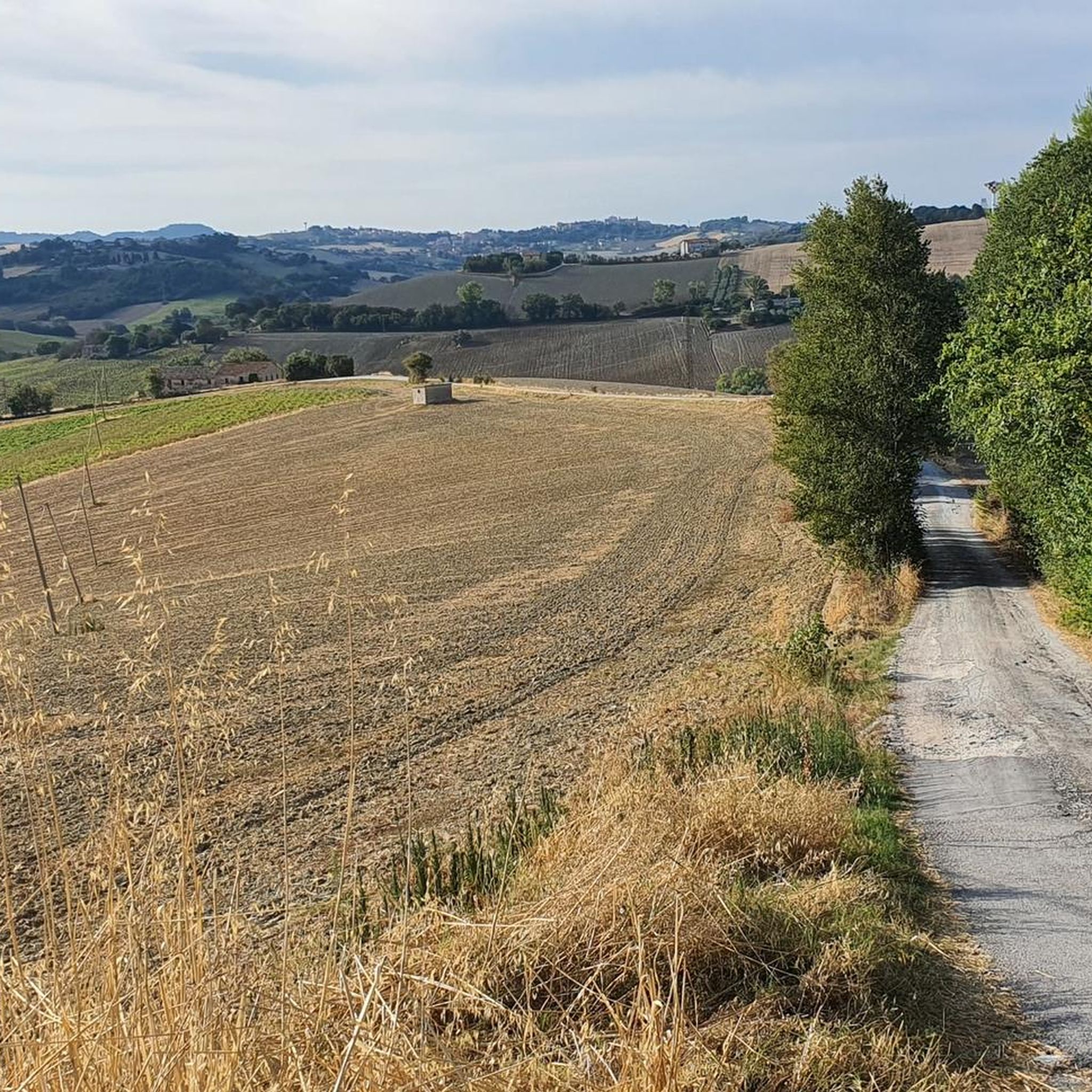
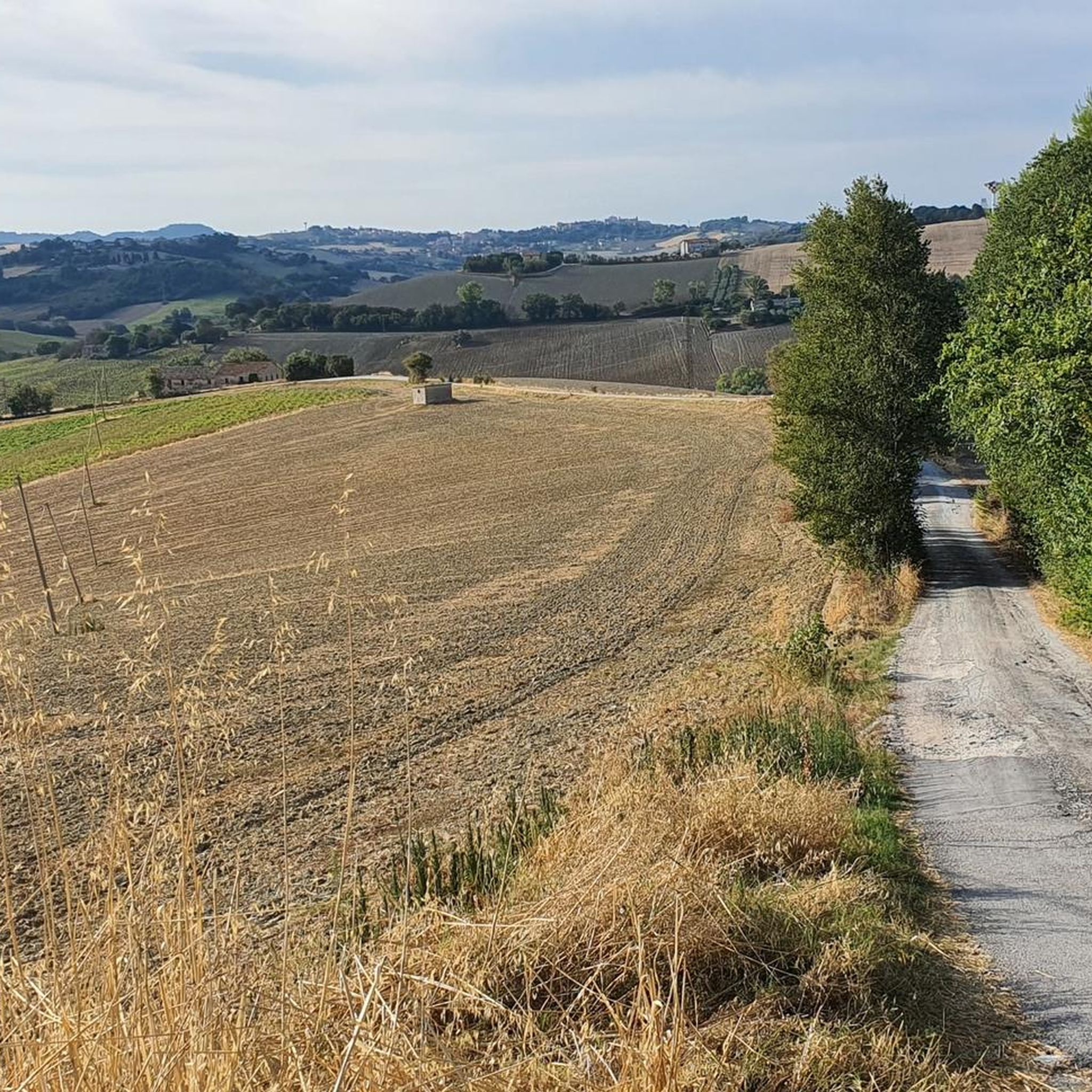
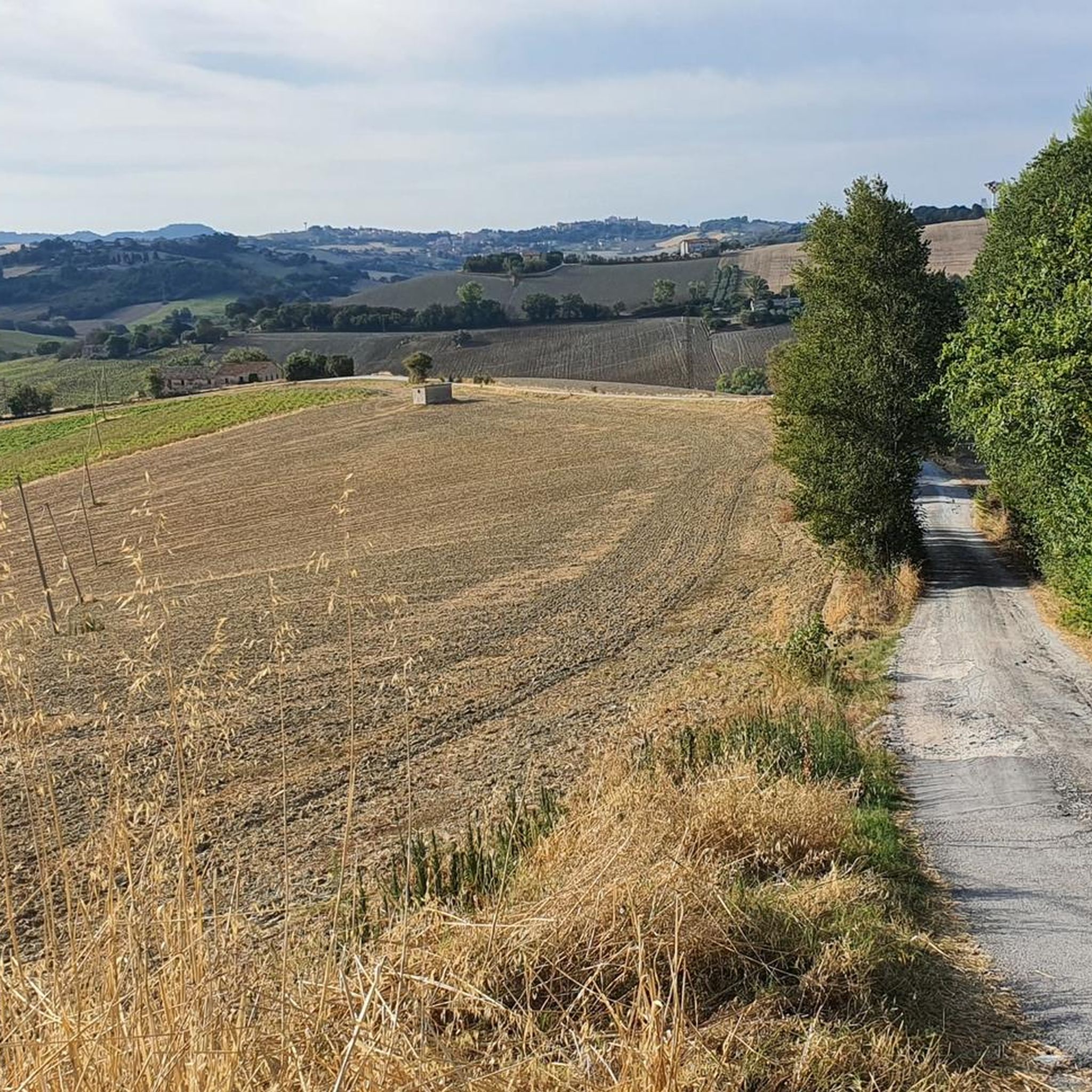
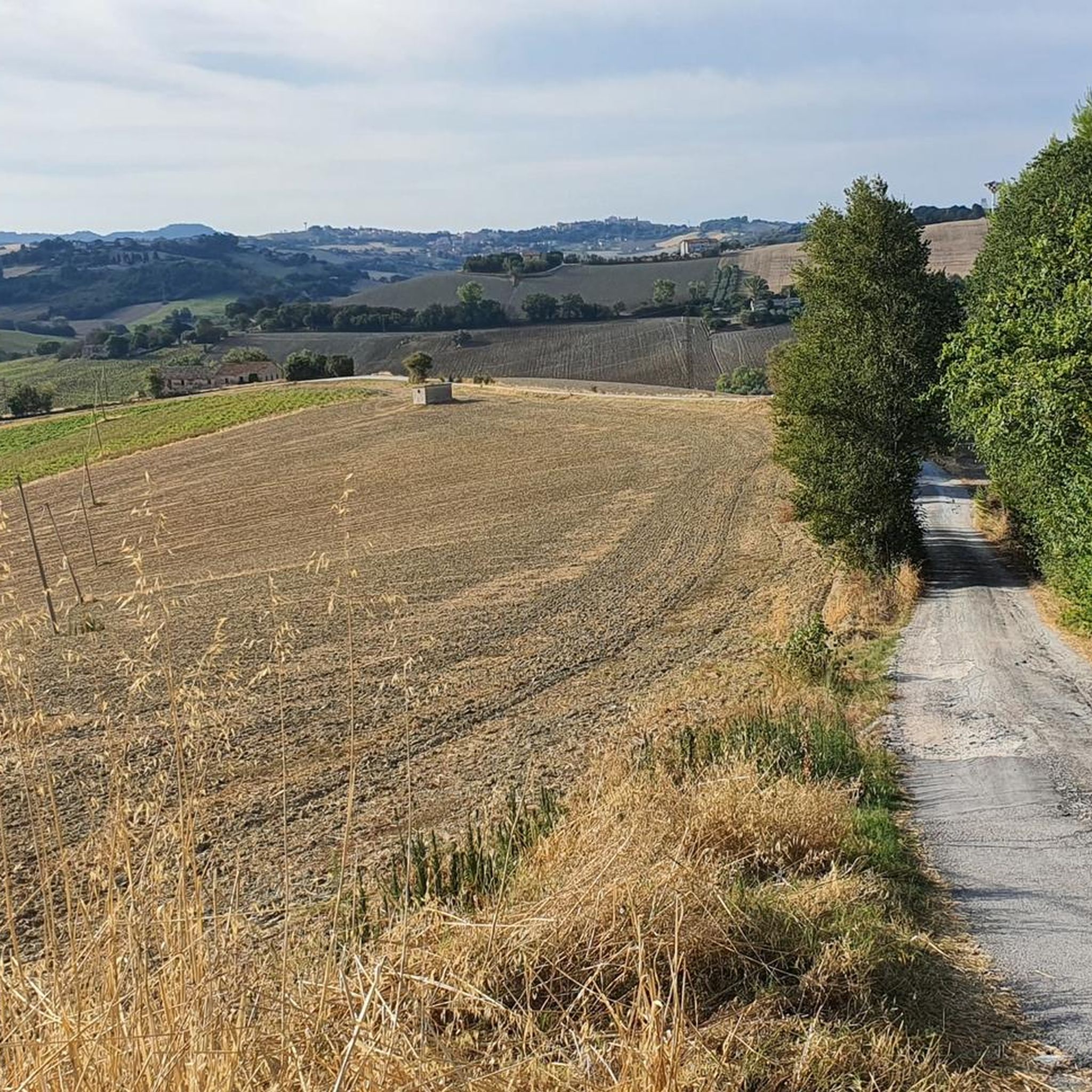
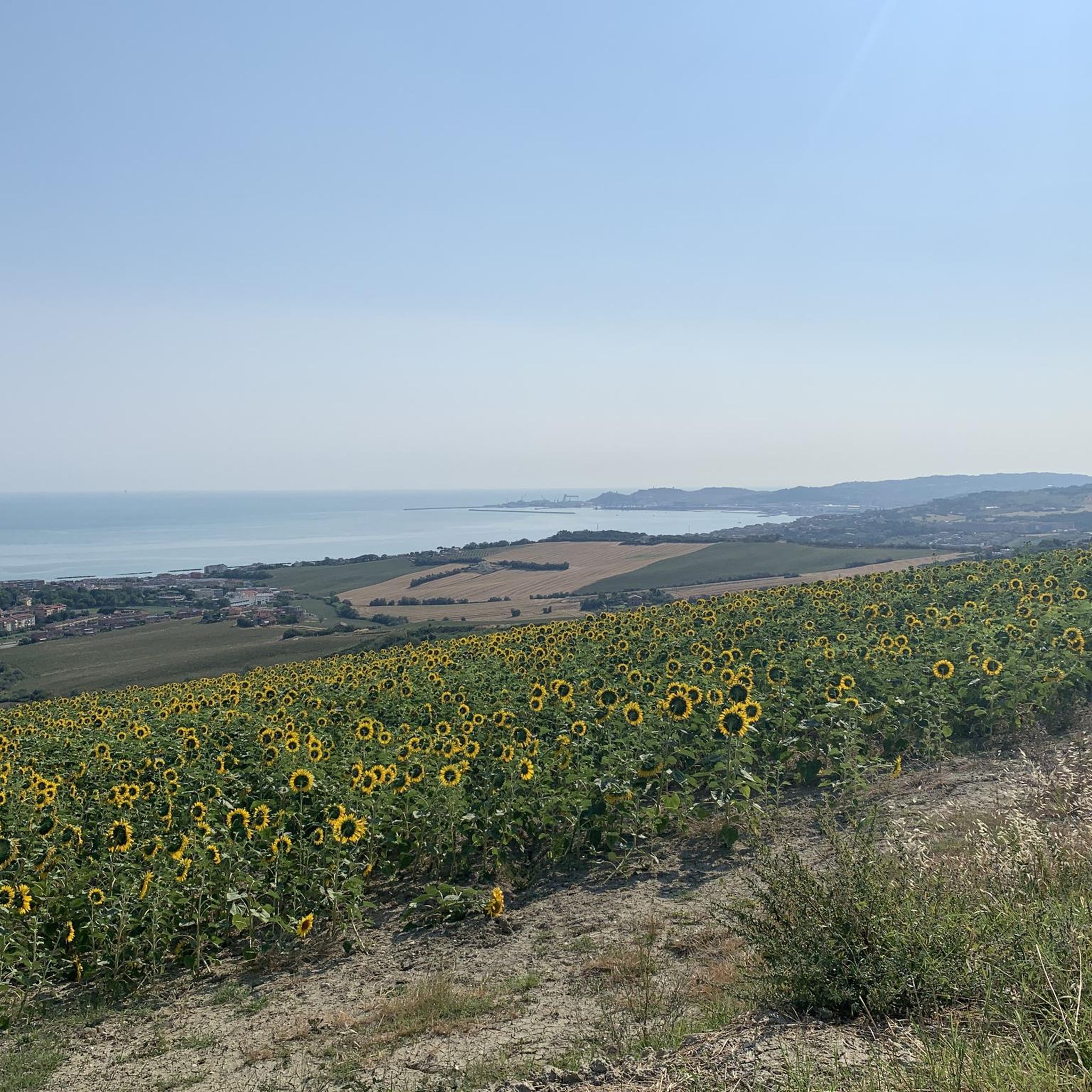
Beautiful view of the Ancona hills and the port
1
0


더 살펴보기
찾고 있는 하이라이트를 아직 못 찾으셨나요? 다른 지역의 주요 명소 가이드를 확인해보세요:
