오란/오라니 최고의 워킹 & 하이킹 경로
4.0
(110)
507
등산객
27
하이킹
정확한 경로를 찾는 것이 때로는 어렵지만 오란/오라니에서 하이킹을 하면 다양한 경치를 마음껏 감상할 수 있답니다. 오란/오라니에서 가장 멋진 하이킹과 워킹 중에서 마음에 드는 활동을 시작해보세요.
마지막 업데이트: 8월 31, 2026
7
등산객
14.0km
04:35
660m
660m
보통 하이킹. 좋은 체력 필요. 대부분 갈 수 있는 길. 미끄러지지 않게 조심해야 함.
5.0
(1)
13
등산객
5.13km
01:24
80m
80m
초급용 하이킹. 모든 체력 수준에 적합. 실력과 관계없이 누구나 쉽게 갈 수 있는 길.

무료 회원 가입
2
등산객
초급용 하이킹. 모든 체력 수준에 적합. 실력과 관계없이 누구나 쉽게 갈 수 있는 길.
8
등산객
10.2km
03:05
270m
270m
보통 하이킹. 좋은 체력 필요. 대부분 갈 수 있는 길. 미끄러지지 않게 조심해야 함.
5.0
(2)
4
등산객
17.7km
05:53
810m
810m
어려운 하이킹. 우수한 체력 필요. 실력과 관계없이 누구나 쉽게 갈 수 있는 길.
더 다양한 경로와 다른 탐험가들의 추천을 살펴보세요.
무료 회원 가입
이미 komoot 계정이 있나요?
투어 추천은 다른 사람들이 komoot에서 완료한 수천 개의 활동을 바탕으로 구성되어 있습니다.
오늘 무료 계정으로 시작하세요
다음 모험이 기다리고 있어요.
로그인 또는 가입하기
오란/오라니 주변 인기 장소
커뮤니티 팁

정치적으로 참여하고 사회주의 이론을 옹호하며 사르데냐의 평등을 위해 싸웠고 27세의 나이로 제1차 세계 대전에서 전사한 언론인 Deffenu를 기리는 기념 명판
0
0
교회는 잠겨 있으며 외부에서만 볼 수 있습니다
0
0
사르데냐 산업화 창시자를 위한 기념비. 그는 전기를 생산하여 기계를 구동하는 댐을 건설했으며 최초의 가로등을 설치했습니다.
0
0

Séuna is the first Nuoro, the farmers' neighborhood. Satta depicts it as a "cluster of small, single-story houses," dirt courtyards enclosed by dry-stone walls, and "cassi" (small boxes) at the doorstep: an order born from disorder. In the center, the little Church of the Grazie: simple, rustic, almost a house like any other, surmounted by a pediment with a bell. Here, Satta places a crucial part of his popular chorus: the peasant-priest, the vegetable garden, the almsgiving, the minimal rites of a very poor but cohesive community. Séuna, he says, could be a seaside village "if there were a sea": instead, there is a merciless white light that splits the shadows of the courtyards and accompanies the funerals that, as they pass, force the "lords of Tettamanzi" to rise and uncover their heads. Strolling today through the narrow streets that climb toward the Corso means recognizing the material grammar of the novel: courtyards, gates, irregular paving stones. Stop in front of the church facade and look at the low houses: you'll understand why Satta, in his "balance sheets," makes Séuna the origin of the village and at the same time its limit—proud, industrious, poor. It's the necessary counterpoint to the city of courts, classrooms, and cafés.
0
0
The house on the corner of Via Angioy and Via Sebastiano Satta is the author's biographical and fictional fulcrum. Now owned by the diocese, it houses a residential community: a purpose consistent with the charitable legacy left to the Satta-Galfré family. In the novel, the building becomes the setting for a domestic sociology: the notary's upper-floor study, the ground-floor living room, the constant ascents and descents of stairs too solemn for a provincial home. Ahead, the dark palace of engineer Mannu: Satta makes it the reverse shot of his own home, describing a "capital" project descended upon a village that had "made itself" over the centuries. Don't miss the rear courtyards: Satta evokes them as a "series of courtyards" that end in a small vegetable garden, with an oleander hated by Donna Vincenza—minimal details that become domestic symbols (poison, obstinacy, time). The street door ("portoncino") is contrasted by the large portal facing the countryside, a metaphor for the two faces of the house and its inhabitants: one public, controlled; the other open to the wind and the crops. Passing by today, one understands how Satta's architecture is above all an architecture of memory.
0
0

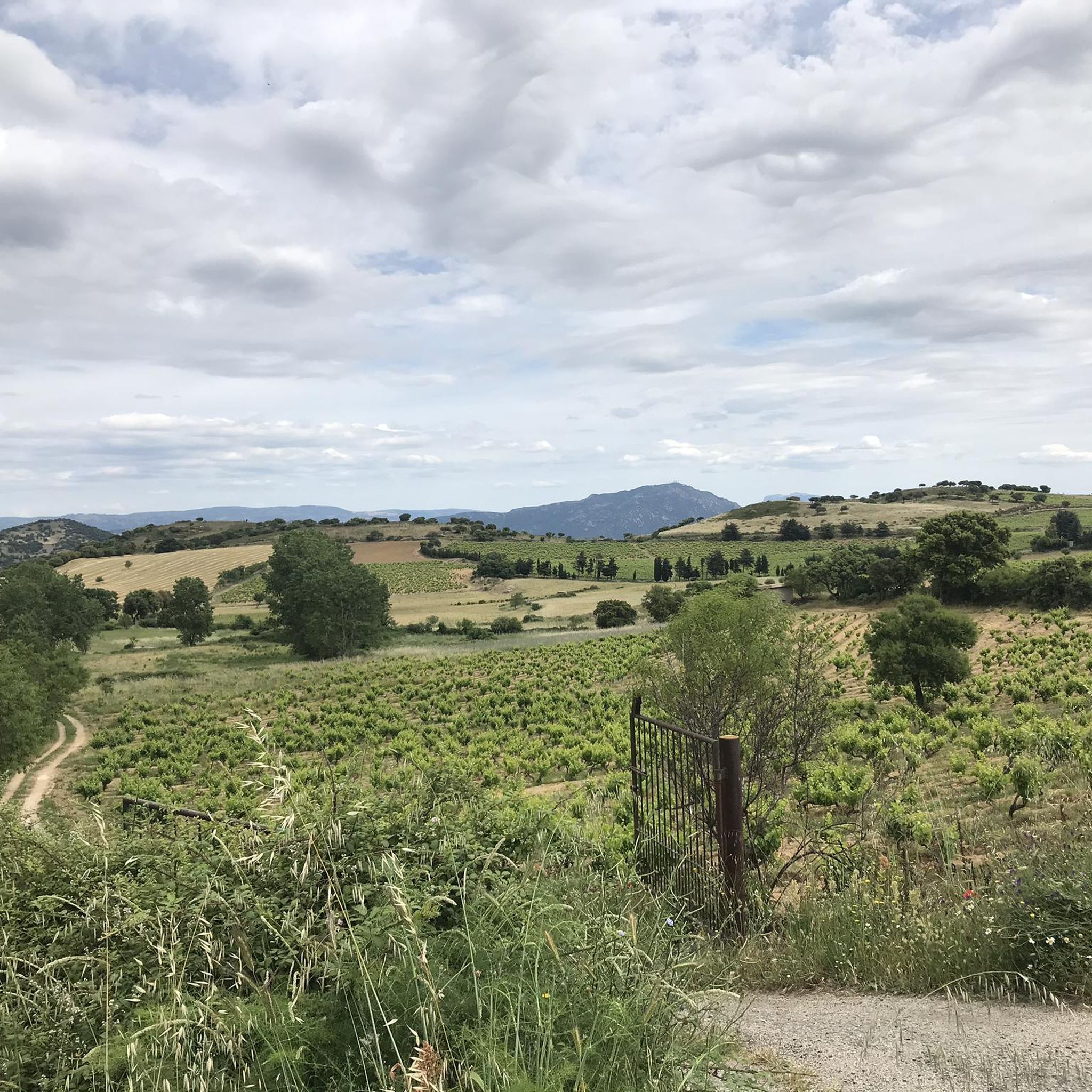
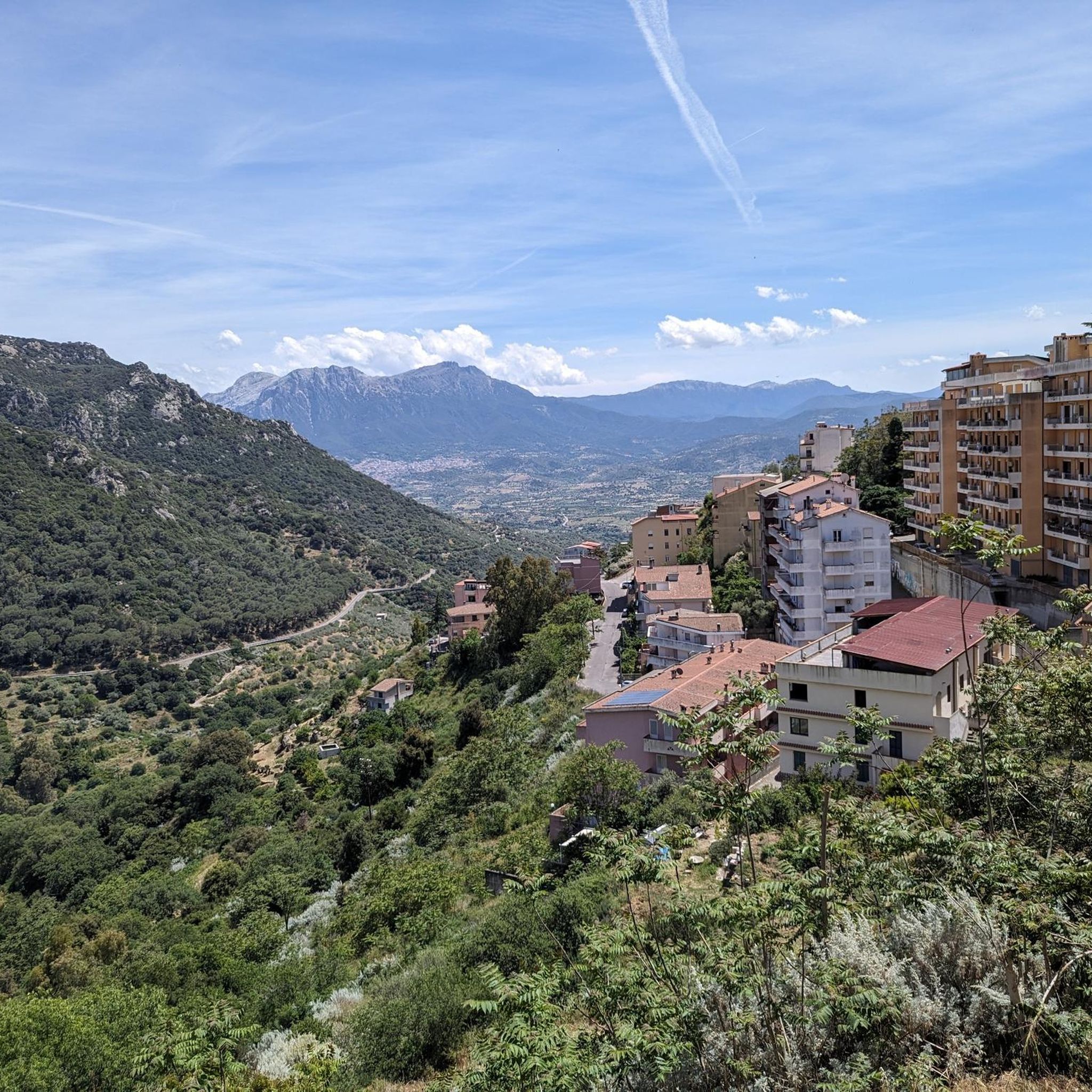
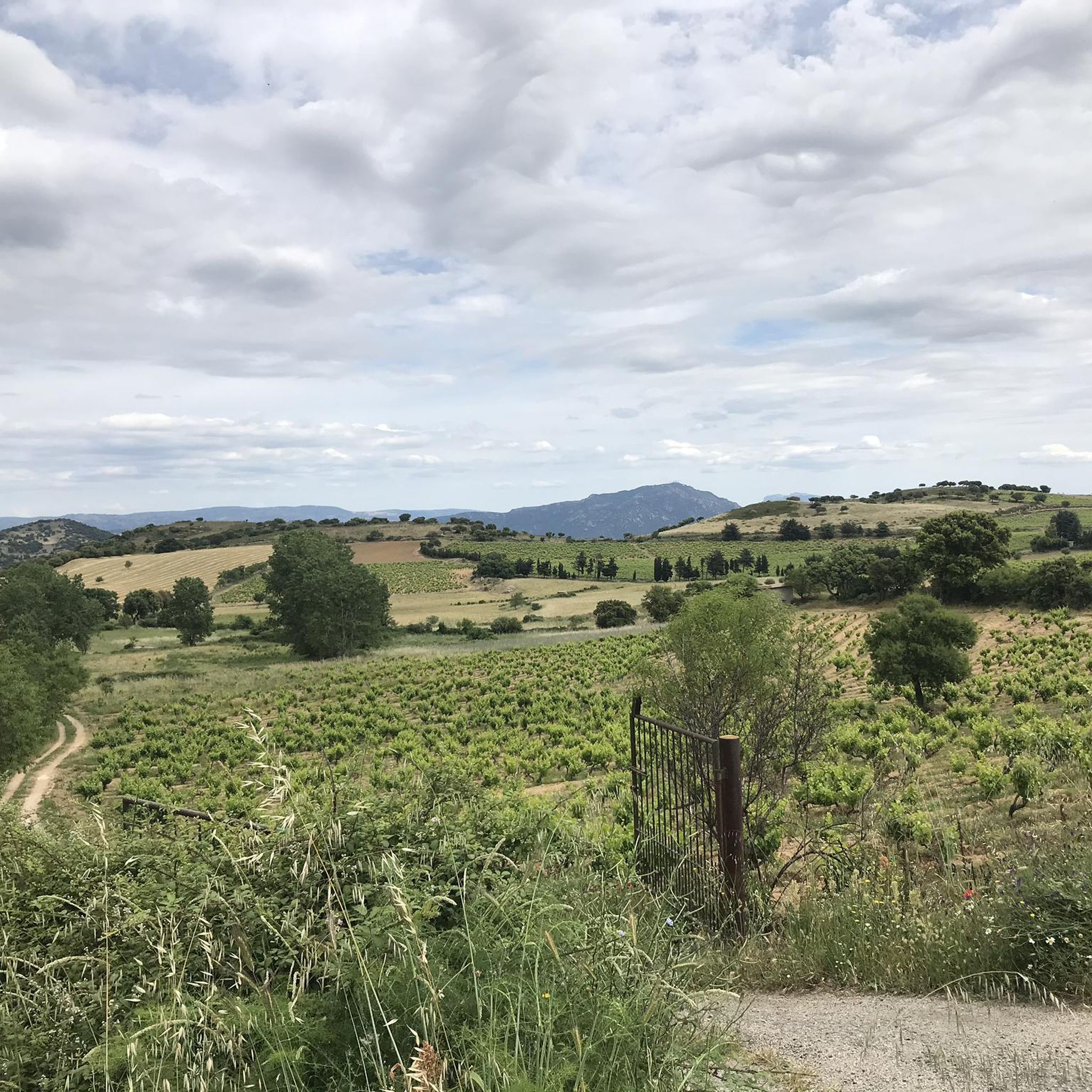
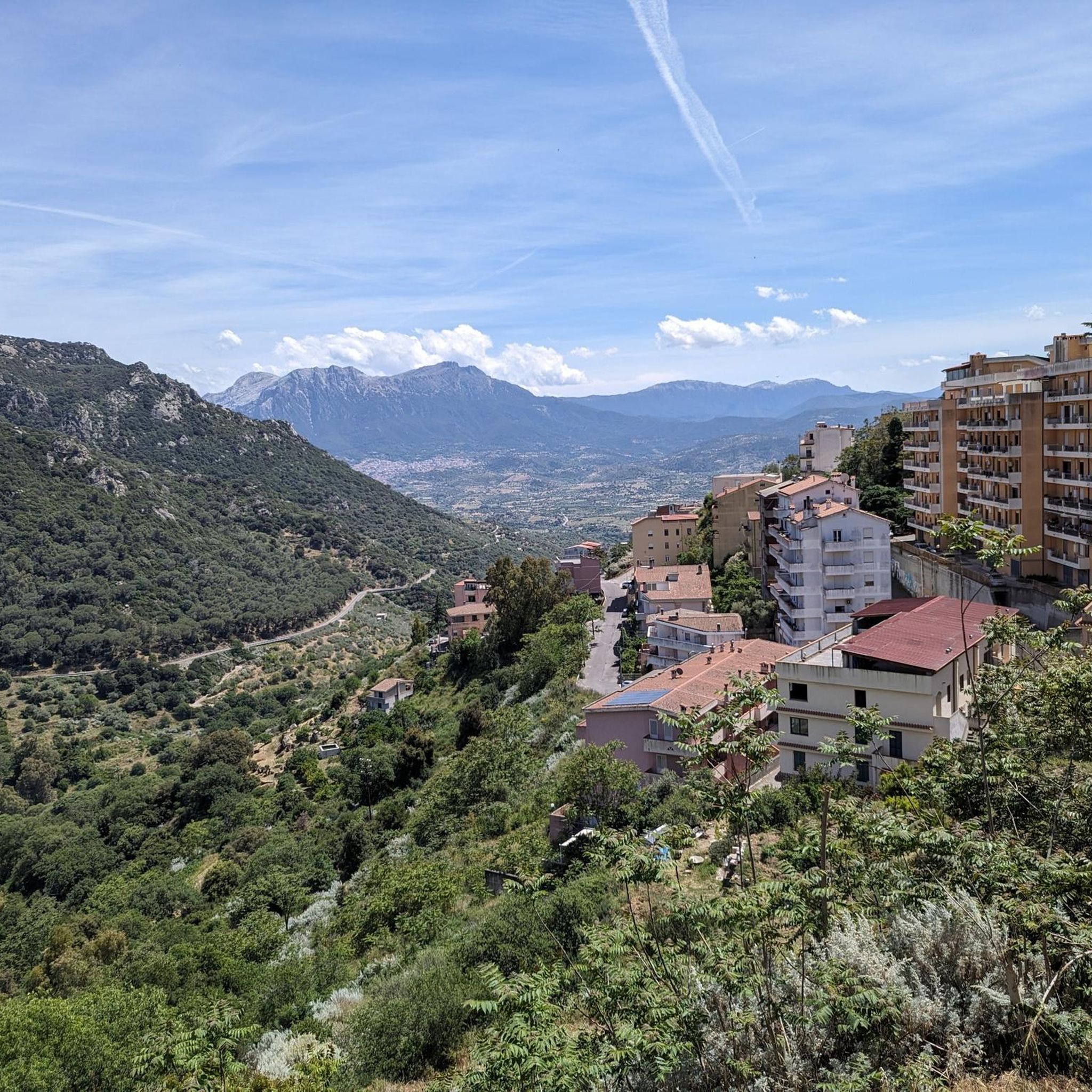
In good weather you have a wonderful panoramic view from the lookout rock.
1
0
Punta Palai is 1,195 meters high. You can still climb the rock and enjoy the view in good weather. It's a wonderfully quiet and peaceful place.
1
1
A hike to Punta Palai is highly worthwhile. In good weather, the views are spectacular.
1
0
오란/오라니 주변에서 가장 인기 있는 경로
오란/오라니 주변에서 가장 인기 있는 명소


더 살펴보기
다른 지역의 최고의 하이킹를 살펴보세요.
