네비우노 최고의 사이클링 경로
4.3
(3058)
23,153
자전거 타는 사람
10
라이딩
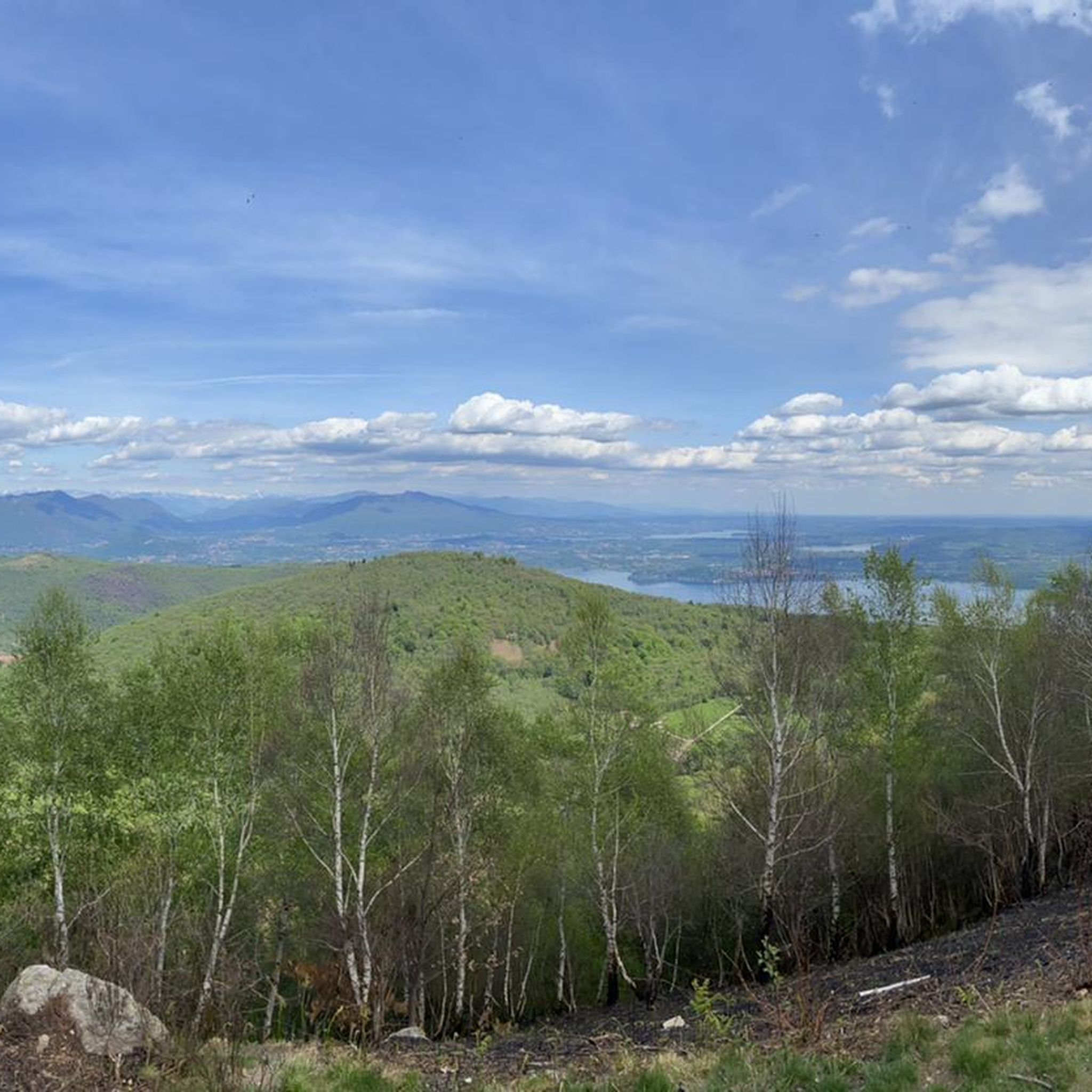
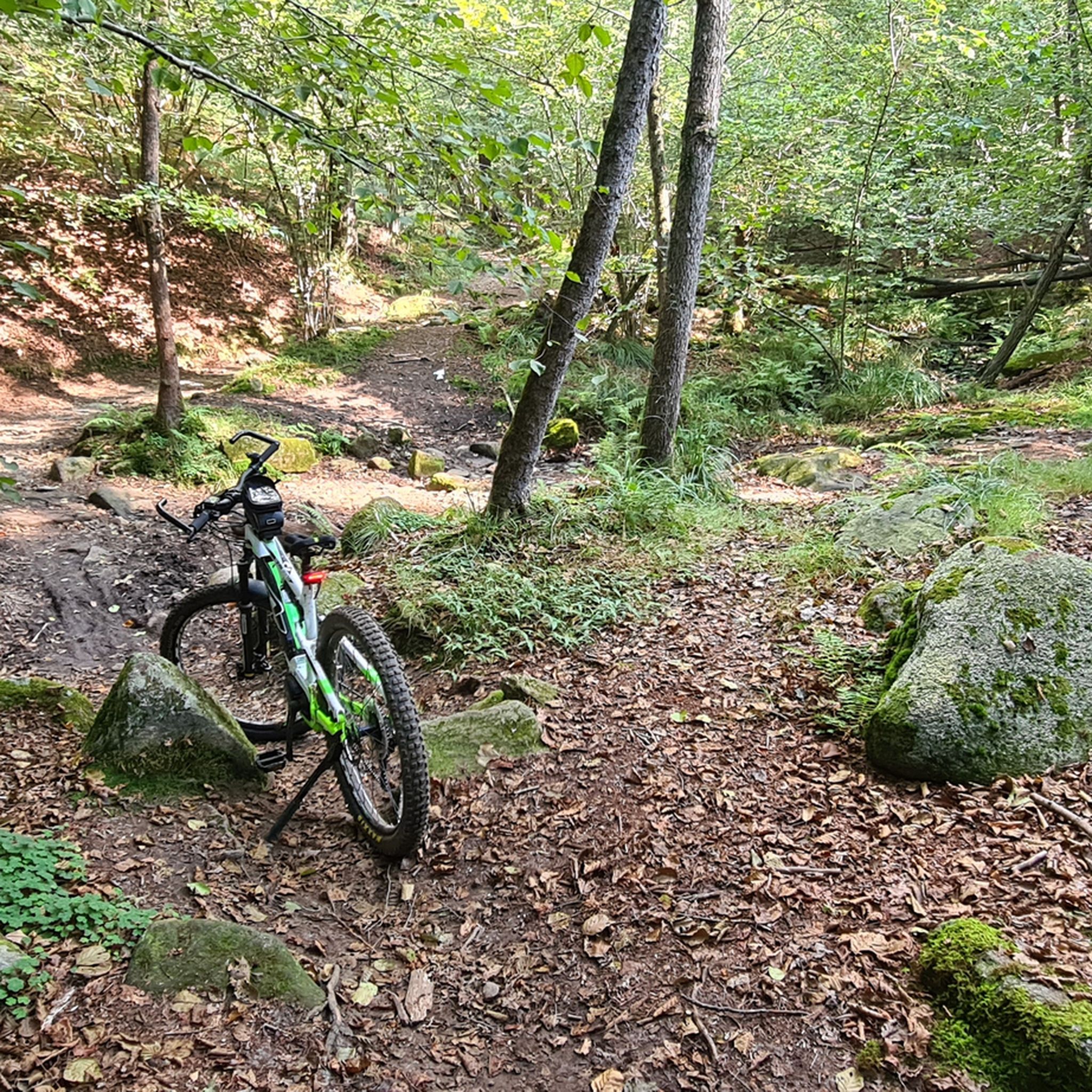
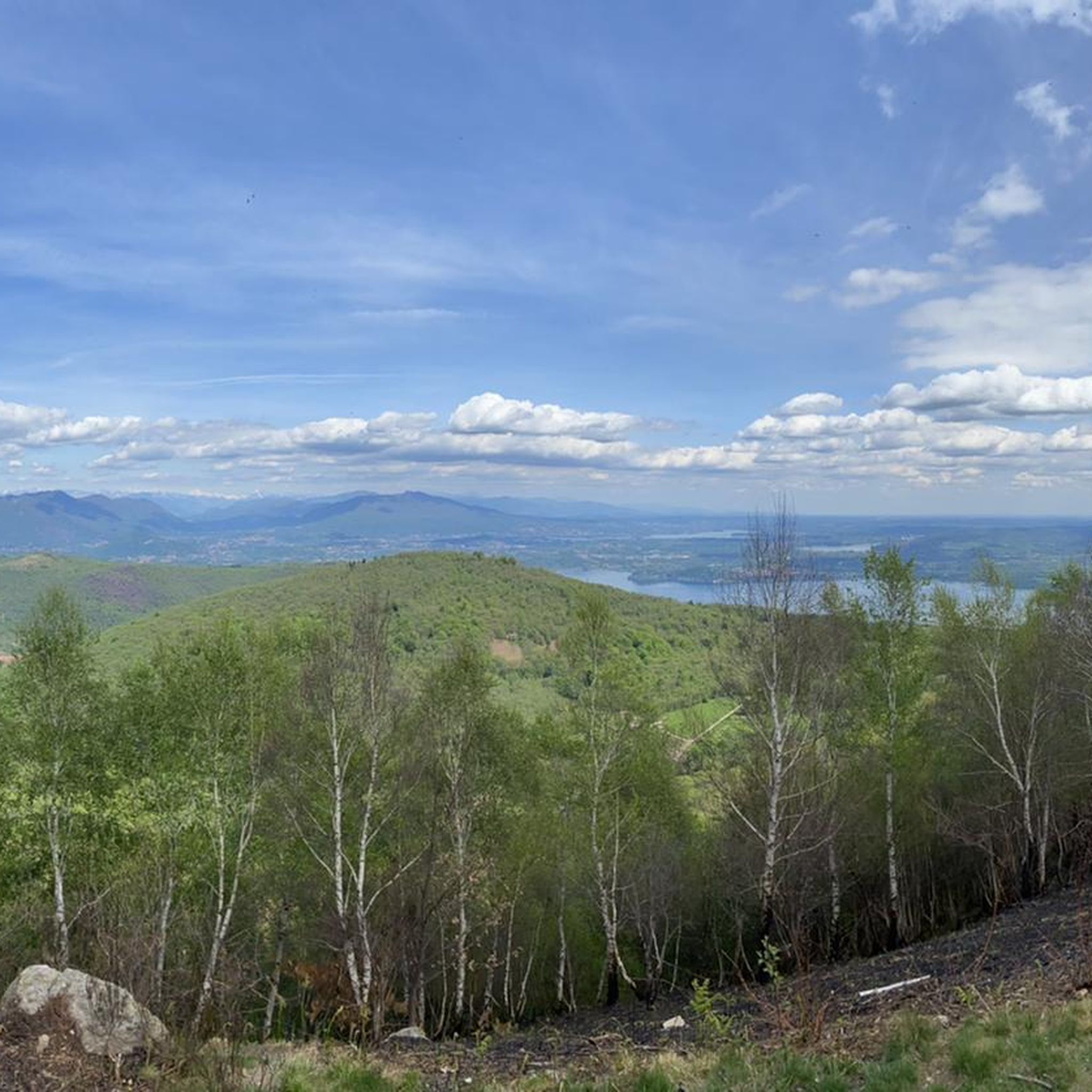
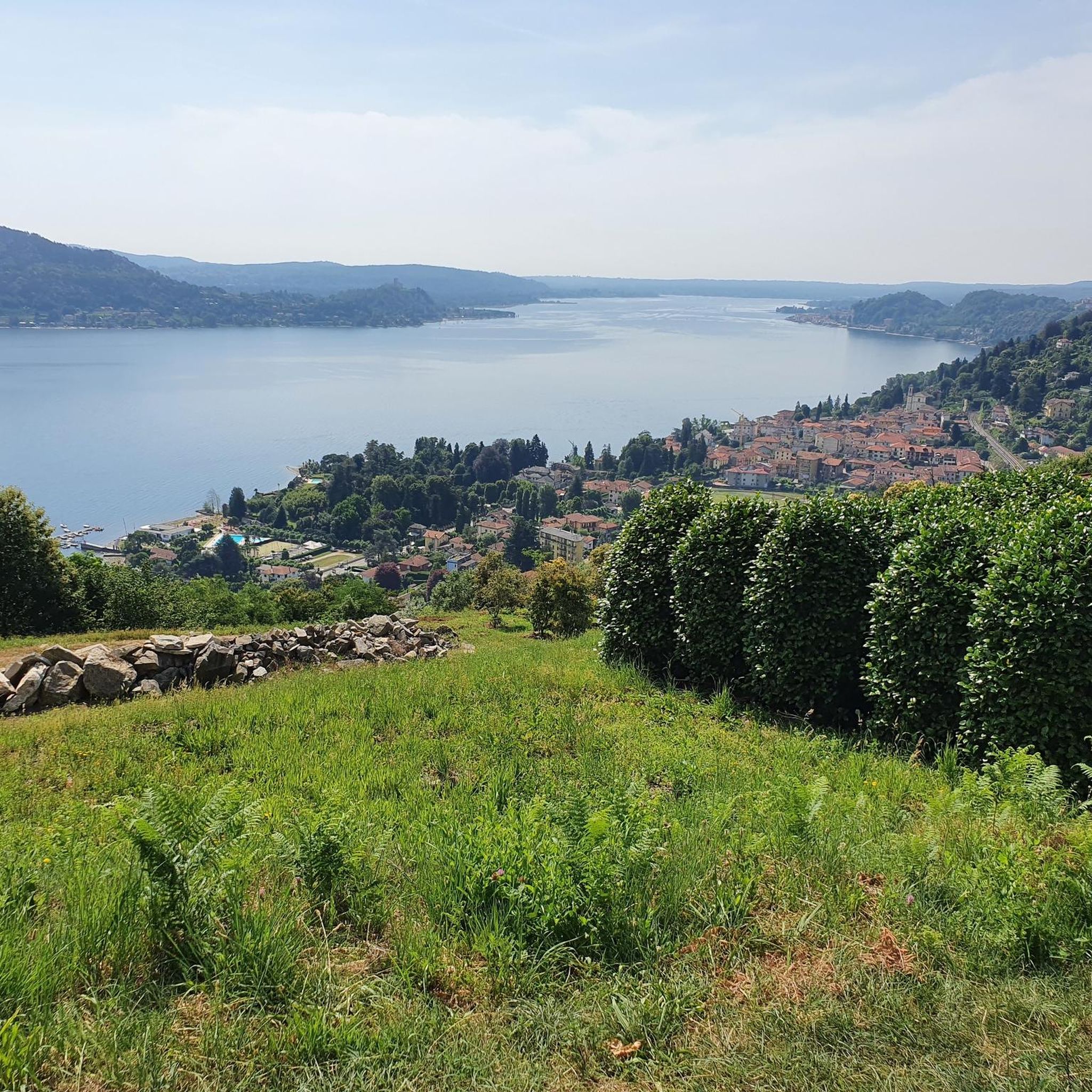
사이클링 투어는 네비우노 주변의 다양한 풍경과 높은 곳에서 마조레 호수의 탁 트인 전망을 제공합니다. 이 지역은 호수 옆의 평평하고 구불구불한 구간을 포함한 다양한 지형과 주변 삼림이 우거진 언덕으로 이어지는 도전적인 오르막길을 특징으로 합니다. 사이클리스트는 코르나지아 산과 토리지아 산과 같은 봉우리로 이어지는 길을 탐험할 수 있습니다. 이 지역은 다양한 체력 수준에 맞는 다양한 경험을 제공합니다.
네비우노 주변 최고의 사이클링 투어 루트
- 가장 인기 있는 사이클링 투어 루트는 메이나 출발 젤라테리아 무카텔라 인보리오 – 메이나 헤드 포 미나 루프로, 2시간 12분이…
마지막 업데이트: 9월 4, 2026
4.5
(2)
20
자전거 타는 사람
45.4km
03:45
1,030m
1,030m
어려운 자전거 타기. 우수한 체력 필요. 대부분 포장된 지면. 실력과 관계없이 누구나 갈 수 있음.
4.8
(6)
28
자전거 타는 사람
25.9km
01:54
580m
580m
어려운 자전거 타기. 우수한 체력 필요. 대부분 포장된 지면. 실력과 관계없이 누구나 갈 수 있음.

7
자전거 타는 사람
19.4km
01:19
330m
330m
보통 자전거 타기. 좋은 체력 필요. 대부분 포장된 지면. 실력과 관계없이 누구나 갈 수 있음.
5.0
(1)
16
자전거 타는 사람
27.3km
02:04
680m
680m
어려운 자전거 타기. 우수한 체력 필요. 대부분 포장된 지면. 실력과 관계없이 누구나 갈 수 있음.
4.5
(4)
5
자전거 타는 사람
24.4km
01:34
300m
300m
보통 자전거 타기. 좋은 체력 필요. 대부분 포장된 지면. 실력과 관계없이 누구나 갈 수 있음.
더 다양한 경로와 다른 탐험가들의 추천을 살펴보세요.
이미 komoot 계정이 있나요?
투어 추천은 다른 사람들이 komoot에서 완료한 수천 개의 활동을 바탕으로 구성되어 있습니다.
오늘 무료 계정으로 시작하세요
다음 모험이 기다리고 있어요.

커뮤니티 팁

빌라 크레스피는 오르타 호숫가에 있는 오르타 산 줄리오에 위치한 신고전주의 양식의 19세기 역사적인 저택입니다. 이 건물은 19세기 말 면화 제조업자 크리스토포로 베니뇨 크레스피가 의뢰했으며, 특징적인 미나렛 탑과 정교한 동양풍 장식이 돋보입니다. 현재 이 건물은 유명한 럭셔리 호텔과 셰프 안토니노 칸나바추올로의 유명한 레스토랑을 운영하고 있습니다.
0
0

For lovers of walking, historical monument, on the route
0
0


Tiny village, but worth "crossing" and from which you can have a beautiful view of the lake
0
0

In Arona, the birthplace of San Carlo Borromeo, stands the imposing statue dedicated to the saint, built after his canonization to celebrate the greatness of the Milanese archbishop. For almost two centuries, this statue held the record for being the tallest in the world. The city preserves many places linked to the life of Borromeo: the Rocca, his birthplace, today transformed into an enchanting panoramic park with the remains of the ancient fortress; the collegiate church of Santa Maria Nascente, where he was baptized; and the church of the Santi Martiri, where he celebrated his last mass before returning to Milan, where he died in 1584.
5
2

The hamlet of Lortallo was a very pleasant surprise for me. Leaving Ameno, I was attracted by the sight of the mighty tower, which I later discovered was built in the 13th century. It is in excellent condition. Next to the tower, there is the Church of San Grato, which dates back to the 18th century (the bell tower is dated 1758). To the side of the tower and the church (which unfortunately I found closed and which is rarely open), closing the pretty little square, there is one of the entrances to Palazzo Decio, which I could only see from the outside because it is privately owned. However, the palace is used as a location for weddings and other celebrations, so online it is possible to see the interior, which develops around a large garden with a splendid view of Lake Orta. But the surprises offered by Lortallo do not stop there. In fact, I read that archaeological research conducted in Lortallo between 1915 and 1938, brought to light one of the most important necropolises of the early First Iron Age. The necropolis complex features tombs dating from the 9th to the 5th century BC and the findings can be placed within the Golasecca Culture, a common expression of various Celtic tribal groups that lived in the early Iron Age in western Lombardy, the Novara area and the Canton of Ticino. In short, it seems that Lortallo has been inhabited since the dawn of time.
0
0
The Church of San Donato is a true jewel of the sacred architecture characteristic of Vergante. The original place of worship, developed on a single nave plan, was built in the 11th century, but the oldest evidence of its existence dates back to 1169. During the fourteenth century the church was partially rebuilt in Romanesque-Gothic style and enlarged. In 1780 a large churchyard was built in front of the main façade, surrounded by fourteen chapels of the Via Crucis. In the nineteenth century the ancient medieval bell tower adjacent to the building was struck by lightning, which caused it to collapse; in its place, a new stone bell tower was erected. In 1902 the church was declared a national monument, confirming its importance as a very valuable example of the sacred architecture of the entire Vergante area.
0
0
The Church of San Leonardo stands on a hill and from the churchyard a very wide panorama opens up. The current appearance highlights a fairly recent structure, but the facade reveals its ancient Romanesque derivation. Its origin is unknown. Based on the devotion to San Leonardo, to whom the sacred building has always been dedicated, it can be plausibly hypothesized around the year one thousand. To support this conjecture, the interesting data provided by the Milanese historian Goffredo da Bussero (1220-1289), in the manuscript Liber notitiæ sanctorum Mediolani, published in 1917 edited by Marco Magistretti and Ugo Monneret de Villard, containing the list of all the Churches of the Milanese Pievi of the 13th century and of the saints who are venerated there. On page 215, n. 241, we read: In plebe Angera, loco Campeliano, ecclesia sancti Leonardi – In the Pieve of Angera, in the town of Tapiliano [Campeliano is a clear error by the copyist] the Church of San Leonardo. In 1820, the works to expand the Church began: the base and the first level of the Bell Tower, the Baptistery, the Chapel of the Holy Crucifix and the Sacristy were built.
0
0
네비우노 주변에서 가장 인기 있는 명소


더 살펴보기
다른 지역의 최고의 자전거 경로를 살펴보세요.
