스트로피아나 최고의 워킹 & 하이킹 경로
4.4
(111)
611
등산객
79
하이킹
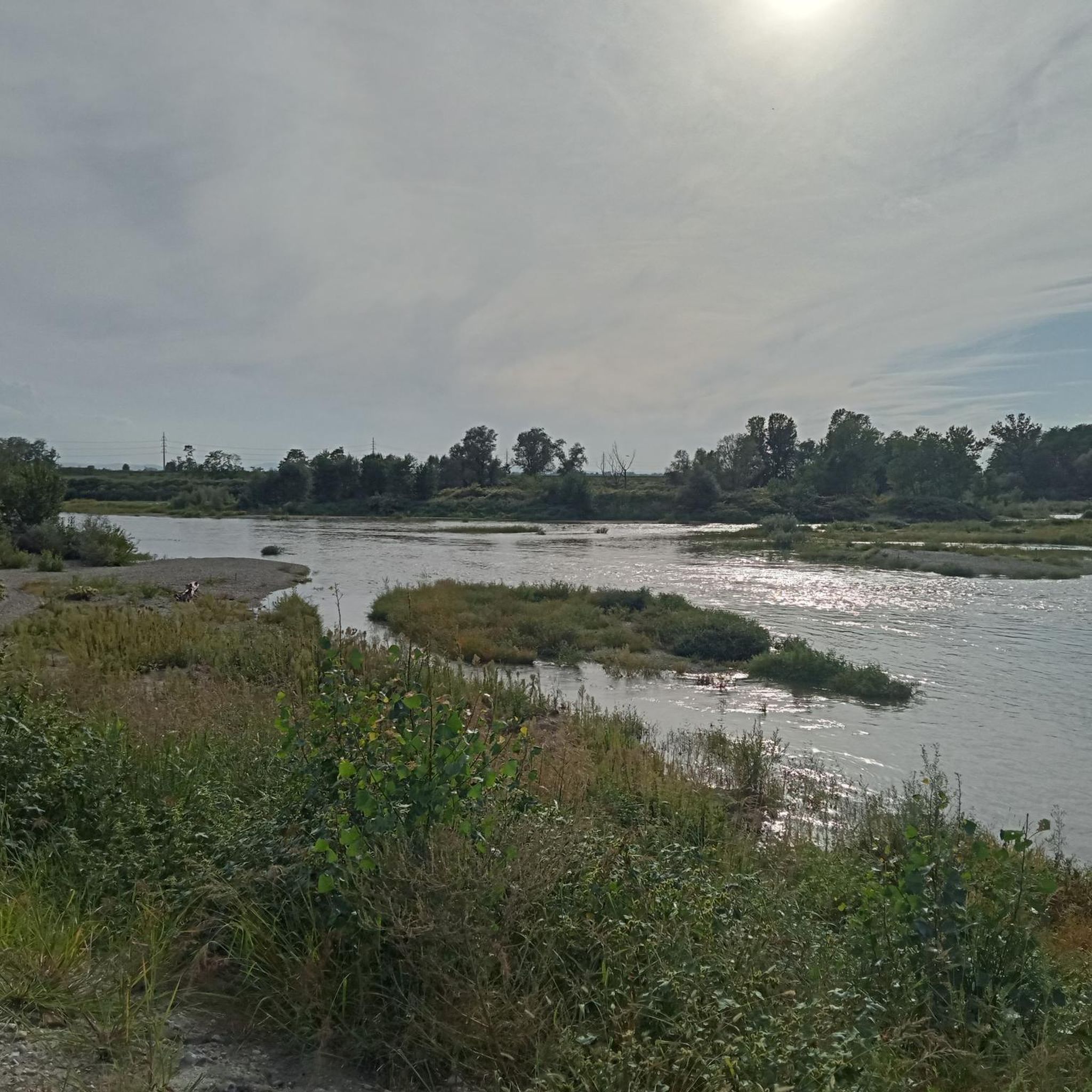
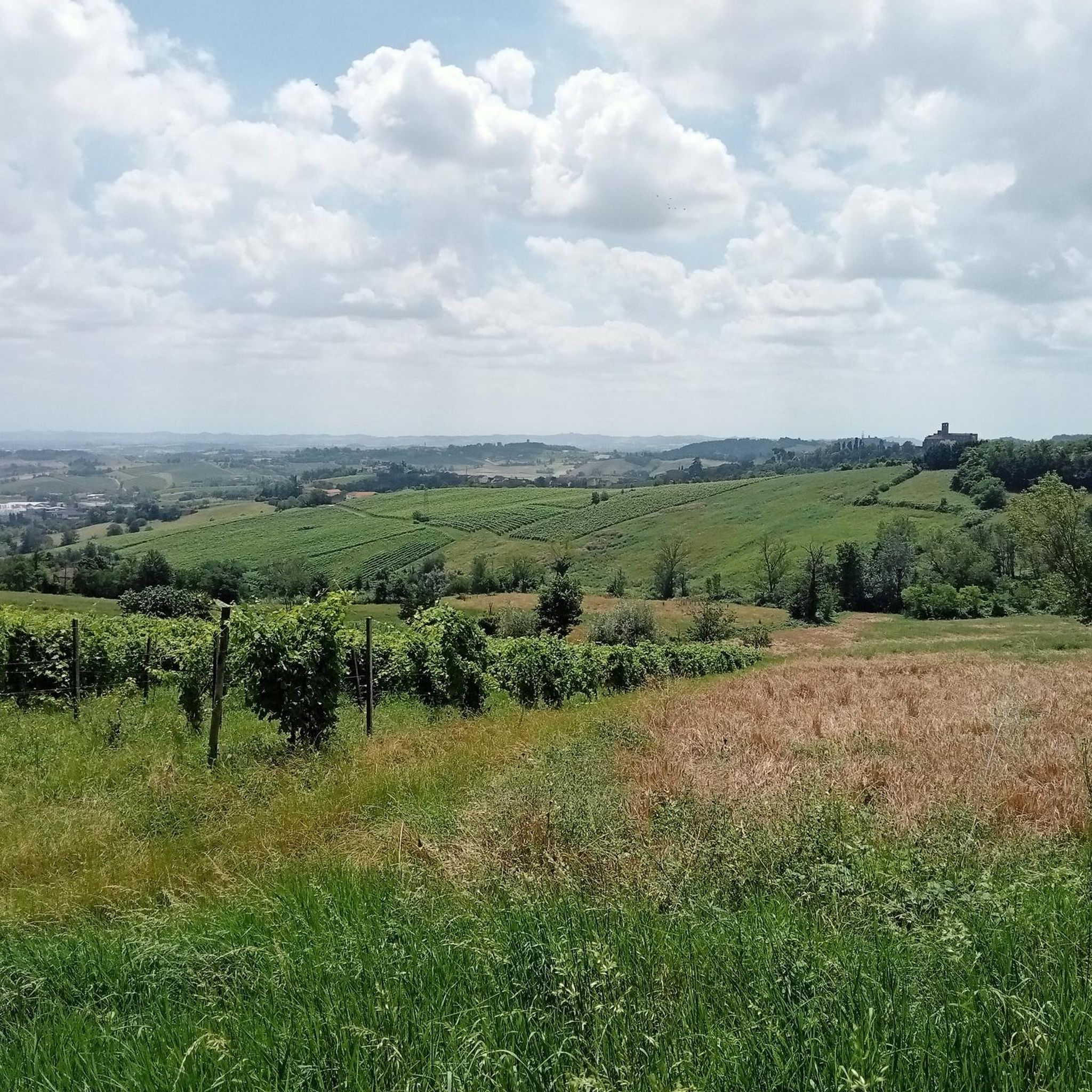
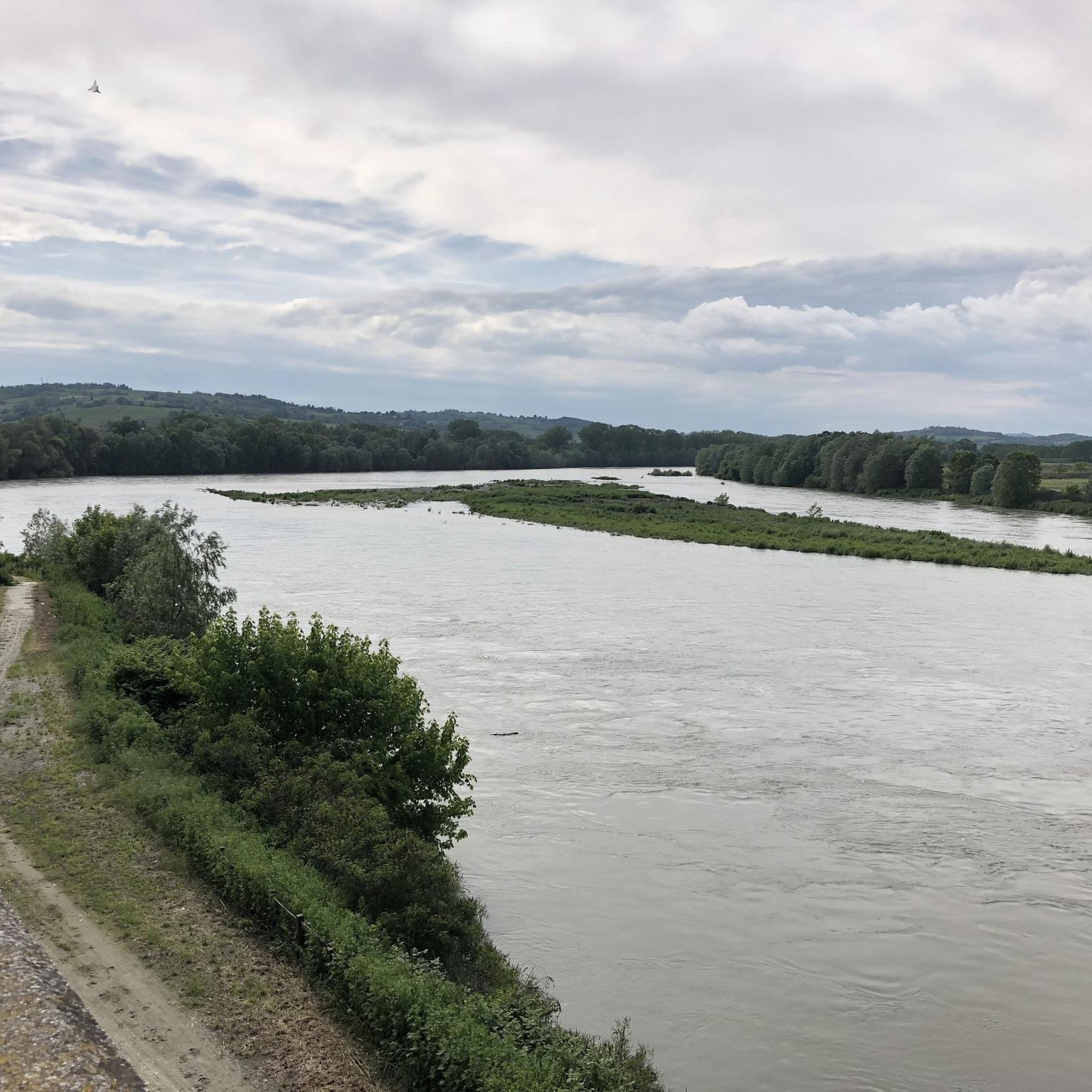
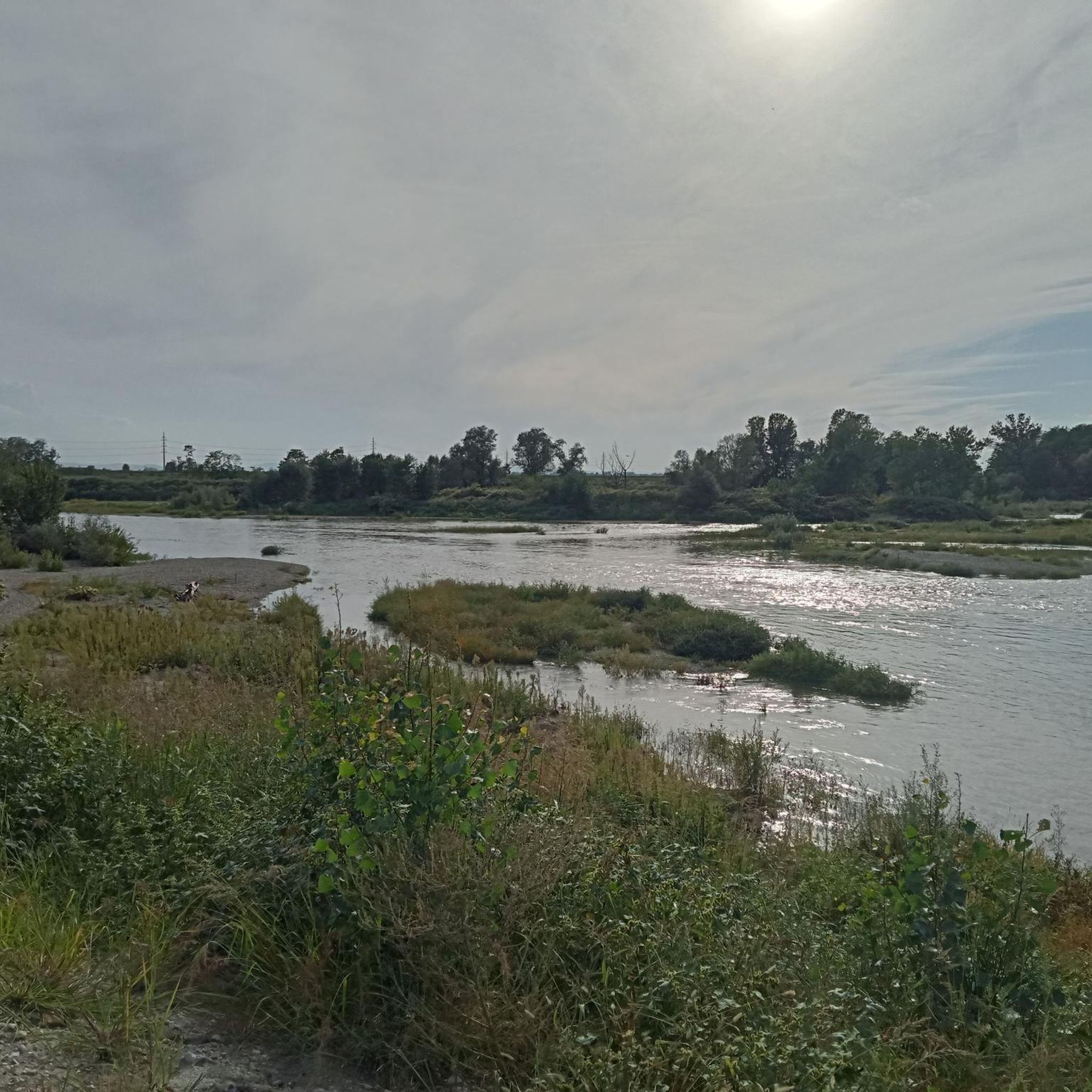
하이킹은 이탈리아 베르첼리 현의 스트로피아나 주변에서 즐길 수 있으며, 세시아 강 근처의 위치와 농업 풍경이 특징입니다. 이 지역은 고도 변화가 거의 없는 완만한 지형으로 접근성이 좋은 산책에 적합합니다. 트레일은 역사적인 장소와 작은 마을들을 연결하며 자연과 문화를 탐험할 수 있는 기회를 제공합니다. 이 지역의 평지는 주로 벼 재배지와 강변 환경으로 이루어져 있습니다.
스트로피아나 주변 최고의 하이킹 트레일
- 가장 인기 있는 하이킹 코스는 세시아 강 횡단 산책 (루트 924 경유)로, 12.4km(7.7마일) 길이이며 완료하는 데 3시간 7분이 소요됩니다. 이 적당한 난이도의 코스는…
마지막 업데이트: 10월 4, 2026
3.9
(24)
119
등산객
18.7km
04:45
20m
40m
보통 하이킹. 좋은 체력 필요. 실력과 관계없이 누구나 쉽게 갈 수 있는 길.
12.4km
03:07
10m
10m
Riverside walk crossing the historic Sesia River through Piemonte's rice paddies and quiet countryside.

5.0
(1)
57
등산객
5.44km
01:23
20m
20m
초급용 하이킹. 모든 체력 수준에 적합. 실력과 관계없이 누구나 쉽게 갈 수 있는 길.
4.7
(15)
15
등산객
9.11km
02:19
30m
30m
보통 하이킹. 좋은 체력 필요. 실력과 관계없이 누구나 쉽게 갈 수 있는 길.
17
등산객
초급용 하이킹. 모든 체력 수준에 적합. 실력과 관계없이 누구나 쉽게 갈 수 있는 길.
더 다양한 경로와 다른 탐험가들의 추천을 살펴보세요.
이미 komoot 계정이 있나요?
투어 추천은 다른 사람들이 komoot에서 완료한 수천 개의 활동을 바탕으로 구성되어 있습니다.
오늘 무료 계정으로 시작하세요
다음 모험이 기다리고 있어요.

커뮤니티 팁


19세기와 20세기에 Casale Monferrato를 특징지었던 시멘트 및 벽돌 생산과 관련된 산업 고고학 유적지 중 하나입니다.
8
0


Giovanni II Paleologo, Marquis of Monferrato, ordered the current castle to be built and work continued until 1357. When Casale assumed the role of capital of the Margraviate of Monferrato and obtained the title of city in 1474, it also changed castle, seat of the court, after the restoration with the marquises Guglielmo VIII (1464-1483) and Bonifacio V (1483-1494). When Giovanni II Paleologo died, the Gonzaga of Mantova took control of Casale. The castle was strengthened by new military techniques, so the walls and the plan shape were adjusted so that it became hexagonal (which we can still see today). The towers were also strengthened and four new ravelins were added. At the beginning of the seventeenth century, the castle returned to its role as the seat of the court. The Dukes of Mantova, who were busy negotiating with Savoia, stayed there. Later it became the principality of Duke Carlo II Gonzaga-Nevers (1637-1665), who holidayed there many times with his entire court, which gave a boost to the cultural life in Casale. Due to the crisis of the Gonzaga dynasty, the castle was on the verge of decline. The city fell to Savoia in 1708 and the castle became a barracks. In the mid-19th century, Casale was fortified in preparation for a war against Austria and the castle became a defensive structure. The eastern ravelin was demolished, creating the current Piazza Castello, which became an open-air market zone. With the unification of Italy, the other three ravelins were also demolished.
1
0
Santa Croce was originally a Gothic church, to which a neoclassical facade was added in 1748, designed by the Casalese architect Francesco Ottavio Magnocavallo. Today it is a deconsecrated church whose internal space has been converted into an original setting for shops, restaurants and a bar. The MyCafe is not only a popular stop for an aperitif, but also organizes evenings of music and entertainment. The complex is located on the main pedestrian street in the city center.
1
0

This beautiful church was built in 1220, during a prosperous period. The style is a combination of Northern Gothic (vertical towers and octagonal bell tower) and the typical style from the Po Valley (triangular gable, arches and use of brick). The facade, a colorful whole of stone and marble, is flanked by high towers and has three vaulted porches; The tympanums are probably by sculptor Benedetto Antelami. The very massive bell tower (right) dates from the 15th century. The sober interior with three naves has a choir with wooden inlay and the funerary monument (14th century) of Tomasso Gallo, first abbot of the basilica (second chapel in the right transept). The left aisle leads to the monastery buildings and to the cloister, which offers beautiful views of the complex.
8
0

In addition to the Basilica of Sant' Andrea and the Cathedral of Sant' Eusebio, also interesting are the Avogadro Tower, Piazza Cavour with its porticoes, the statue of Cavour and the nearby Torre dell'Angelo visible from the square.
2
0

The Basilica of Sant'Andrea is one of the most important and well-known monuments in Vercelli. It is the first Gothic monument in Piedmont, one of the earliest in Italy in this style, an example of Romanesque-Gothic architecture, in which local Romanesque and the novelties of Cistercian Gothic coexist. It has the dignity of a minor basilica. It was begun in 1219 by the will of Cardinal Guala Bicchieri and completed in 1227. Source: Wikipedia
4
0
스트로피아나 주변에서 가장 인기 있는 명소


더 살펴보기
다른 지역의 최고의 하이킹를 살펴보세요.
