20의 페졸로 발레 우조네가지 명소 & 주요 장소
페졸로 발레 우조네에는 둘러볼 만한 장소가 많답니다. 하이킹 또는 사이클링을 좋아한다면 페졸로 발레 우조네에 숨겨진 20
가지 보석을 만날 수 있을 거예요. 이 지역의 주요 명소를 살펴보면서 다음 모험을 계획해보세요.
마지막 업데이트: 10월 23, 2026
Cortemilia
하이라이트 • 정착지
번역자 Google •
팁에 의해


이런 장소를 발견하려면 지금 가입하세요
최고의 싱글 트랙, 봉우리 및 다양한 흥미로운 야외 장소에 대한 추천을 받아보세요.

산투아리오 마돈나 데이 몬티
하이라이트 • 종교적 장소
번역자 Google •
팁에 의해
무료로 가입하여 페졸로 발레 우조네 주변의 더 많은 명소를 발견하세요.
이미 komoot 계정이 있나요?
오늘 무료 계정으로 시작하세요
다음 모험이 기다리고 있어요.
커뮤니티 팁

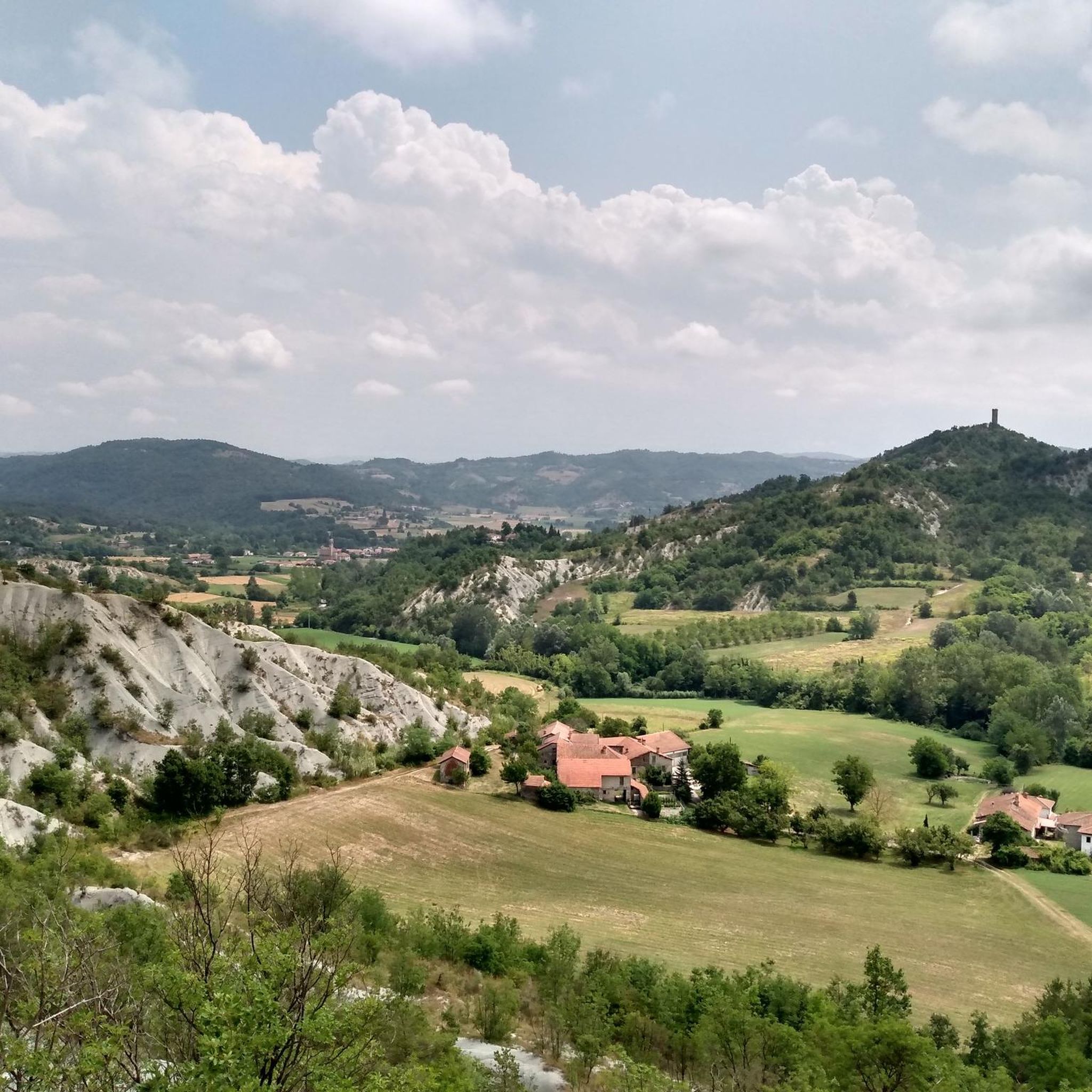
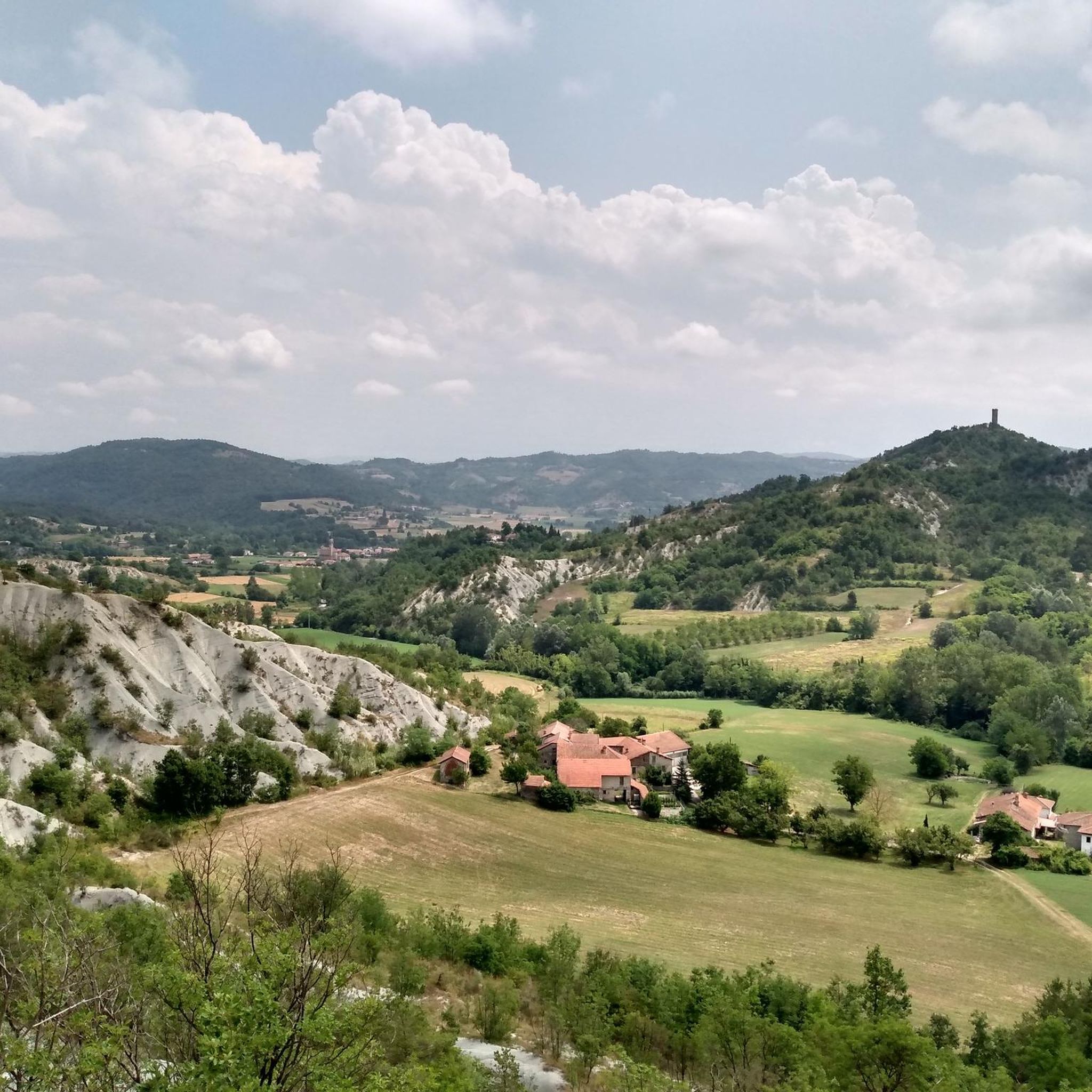
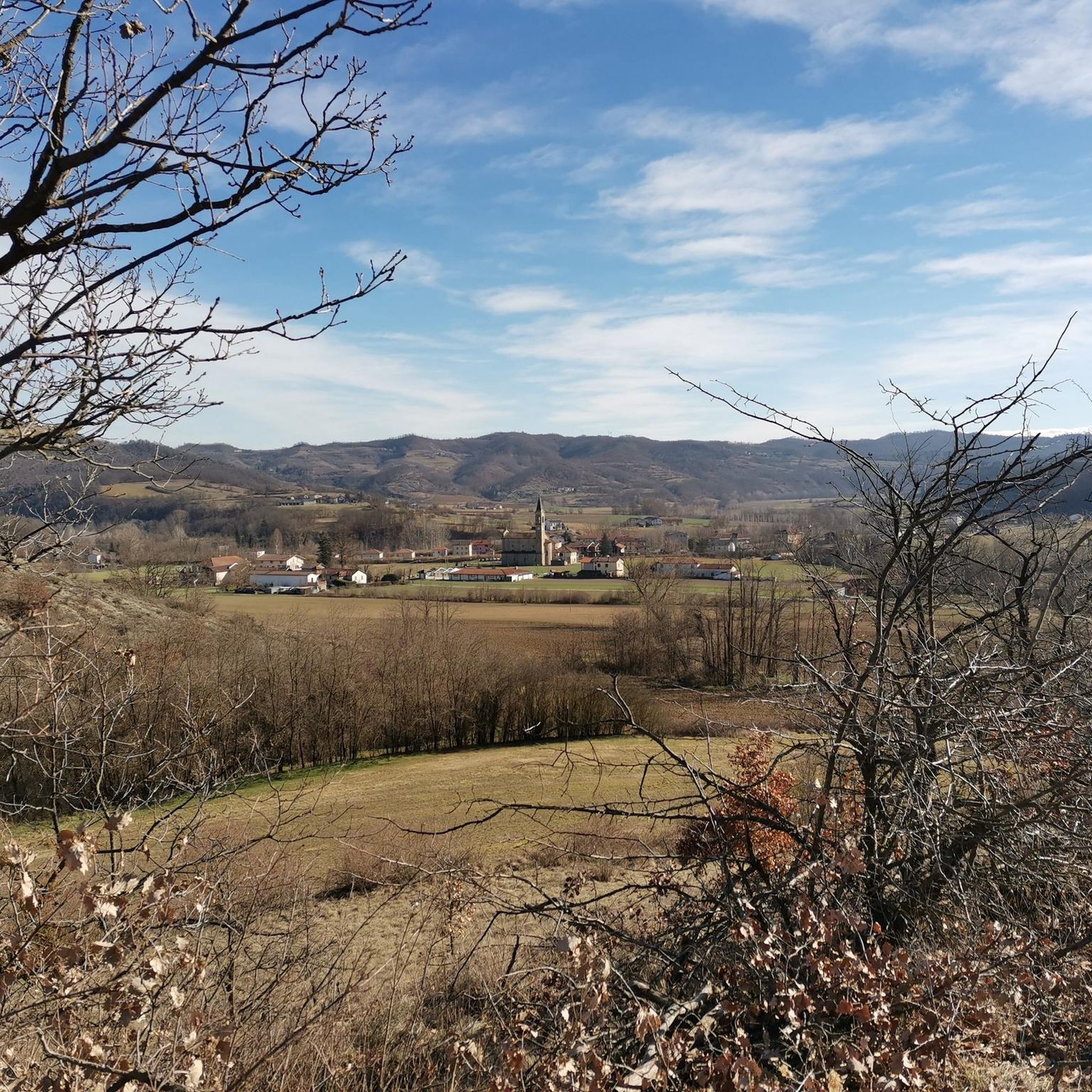
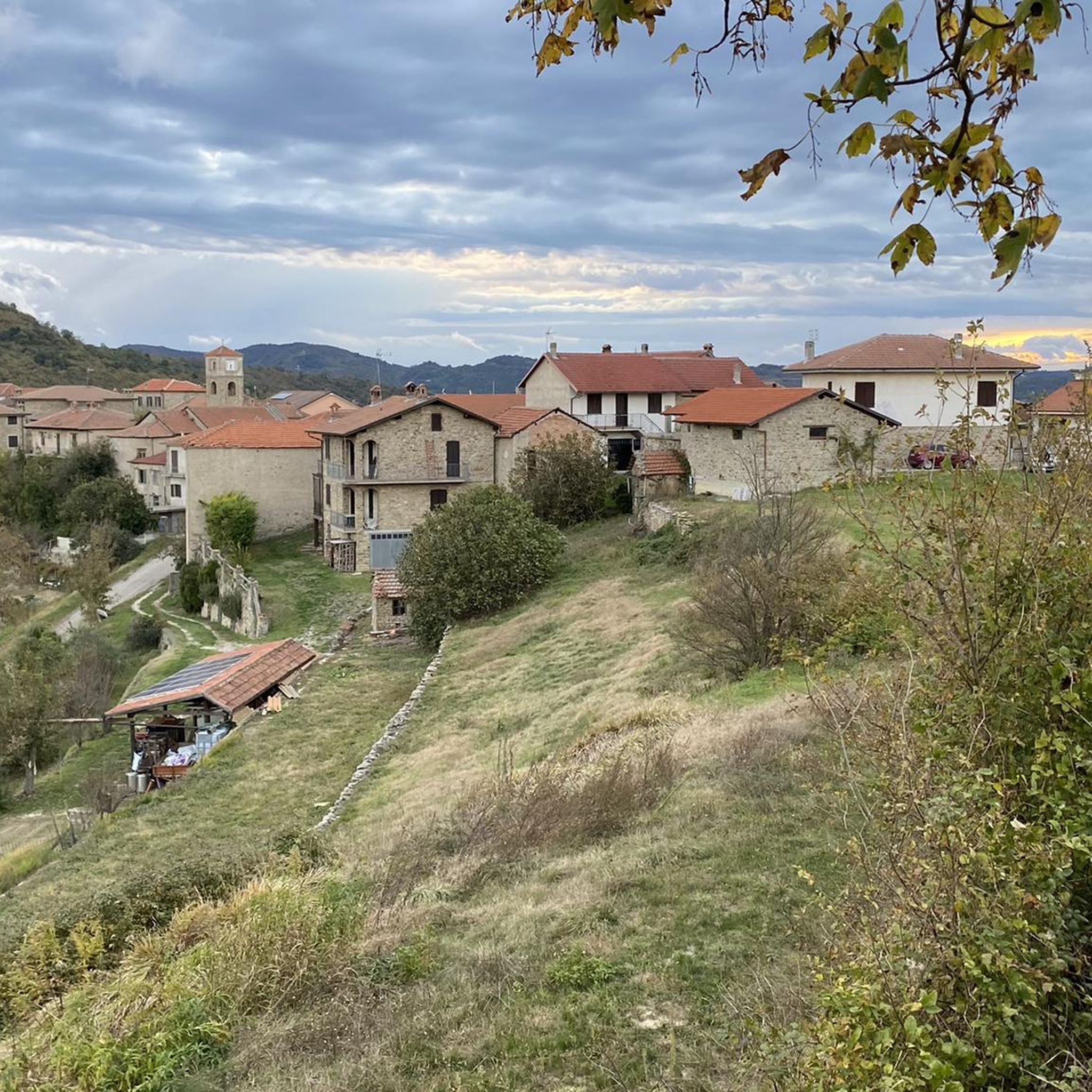
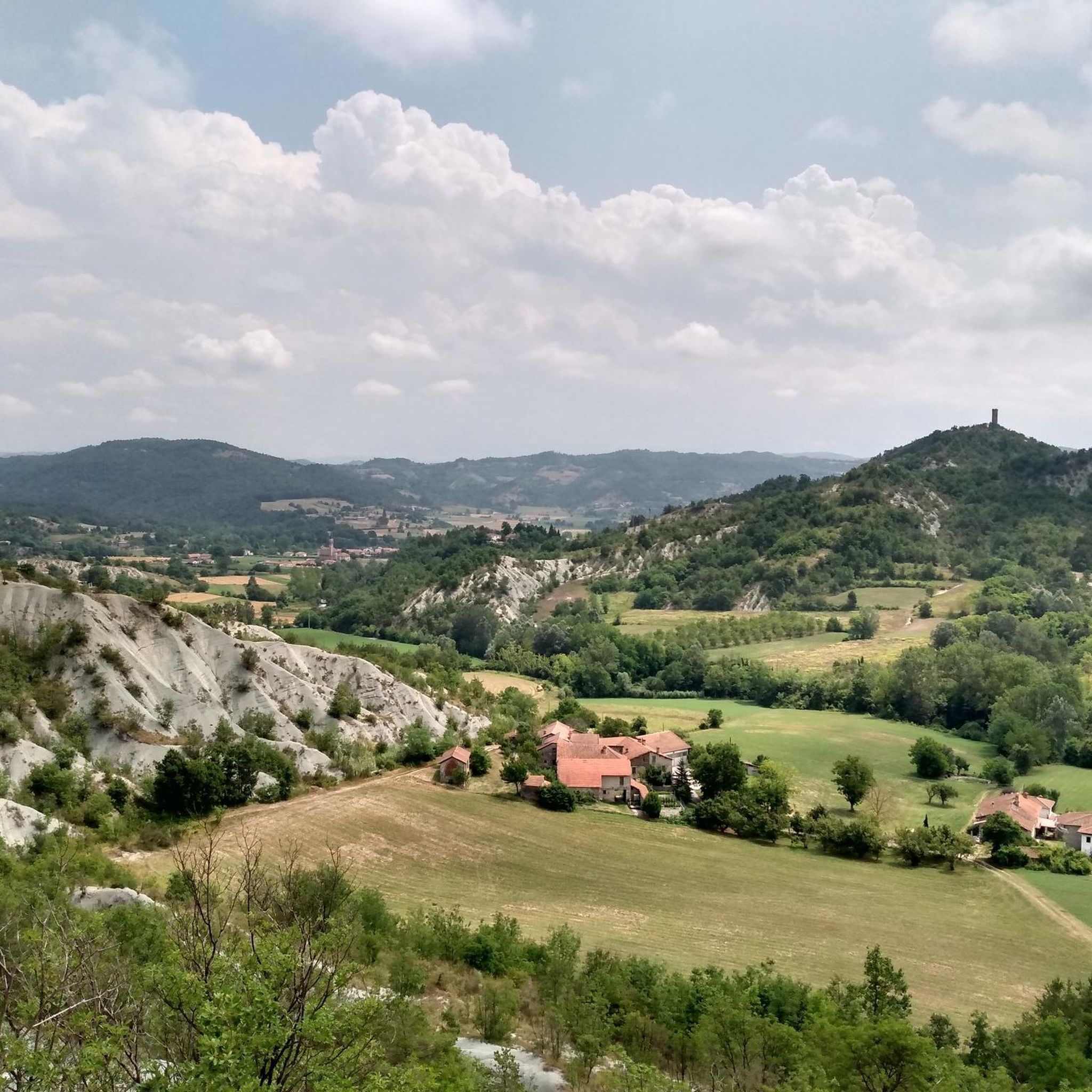
로카베라노는 피에몬테주 아스티현에 위치한 매력적이고 진정한 이탈리아 코무네입니다. 해발 약 800미터에 위치하며, 보르미다 계곡을 나누는 언덕 위에 솟아 있으며 아스티아노 지역 전체에서 가장 높은 거주지입니다. 이 그림 같은 중세 마을은 풍부한 역사 유산과 유명한 로카베라노 DOP 치즈 생산이라는 두 가지 주요 이유로 국제적으로 유명합니다.
0
0

In a splendid panoramic location, built of Langa stone, it is notable for the Baroque-style decoration of its brick façade. The building's design is attributed to Francesco Gallo, who worked in the Cuneo and Mondovì areas in the first half of the 18th century. The interior retains no decoration. The altar is noteworthy, the last vestige of the pre-existing building. This is evidenced by the fresco depicting the Madonna enthroned breastfeeding the Child, with Saint George, patron saint of Niella Belbo, at her side, dating to the late 15th century. (Quote from the lovelanghe website)
0
0

Roccaverano is one of the highest elevations in the area, from the town you can enjoy a 360° panorama of both the surrounding hills and the mountains of the Alpine arc (guaranteed view, in good weather, from Monte Rosa to the Maritime Alps!) The road that goes up from Vesime is quite regular, with gradients that almost never exceed 9%, furthermore I found it pleasantly free of traffic (I went up on a Saturday) The central square is very beautiful, dominated by the remains of the castle and the eighteenth-century church, the bar/restaurant is also strategic, perfect for a beer or a snack. An ideal place for a stop, before taking the road back.
1
0

The Sanctuary is dedicated to the Mother of Divine Grace and stands where the Madonna appeared to a young deaf and dumb shepherdess, healing her. The beautiful church is also immersed in a fascinating landscape, it is worth a visit.
4
0

Great picnic spot. there is also a fountain.
4
0

A climb that always deserves, wherever you tackle it
3
0
The sanctuary, of origin prior to 1400, is built in Baroque style with materials from the surroundings (Langa stone). Despite being a rather bare construction (even the interior is devoid of decorations), it is notable for its splendid panoramic position, clearly visible from afar both coming from Mombarcaro and climbing from Niella Belbo. It deserves a stop, both to enjoy the 360 ° panorama (in good light conditions both the Maritime Alps are visible and, to the north, good portions of the Alps), and to enjoy the shade guaranteed by leafy trees. The only drawback, there are no fountains!
1
0

Small medieval village in the heart of the Alta Langa, a stone's throw from Alba, immersed in the green hills, among hazelnut groves and vineyards, the ideal place for those who love outdoor sports, contact with nature, good food and good wine.
27
0
페졸로 발레 우조네 주변에서 가장 인기 있는 명소


더 살펴보기
찾고 있는 하이라이트를 아직 못 찾으셨나요? 다른 지역의 주요 명소 가이드를 확인해보세요:
