4.5
(79)
365
자전거 타는 사람
37
라이딩
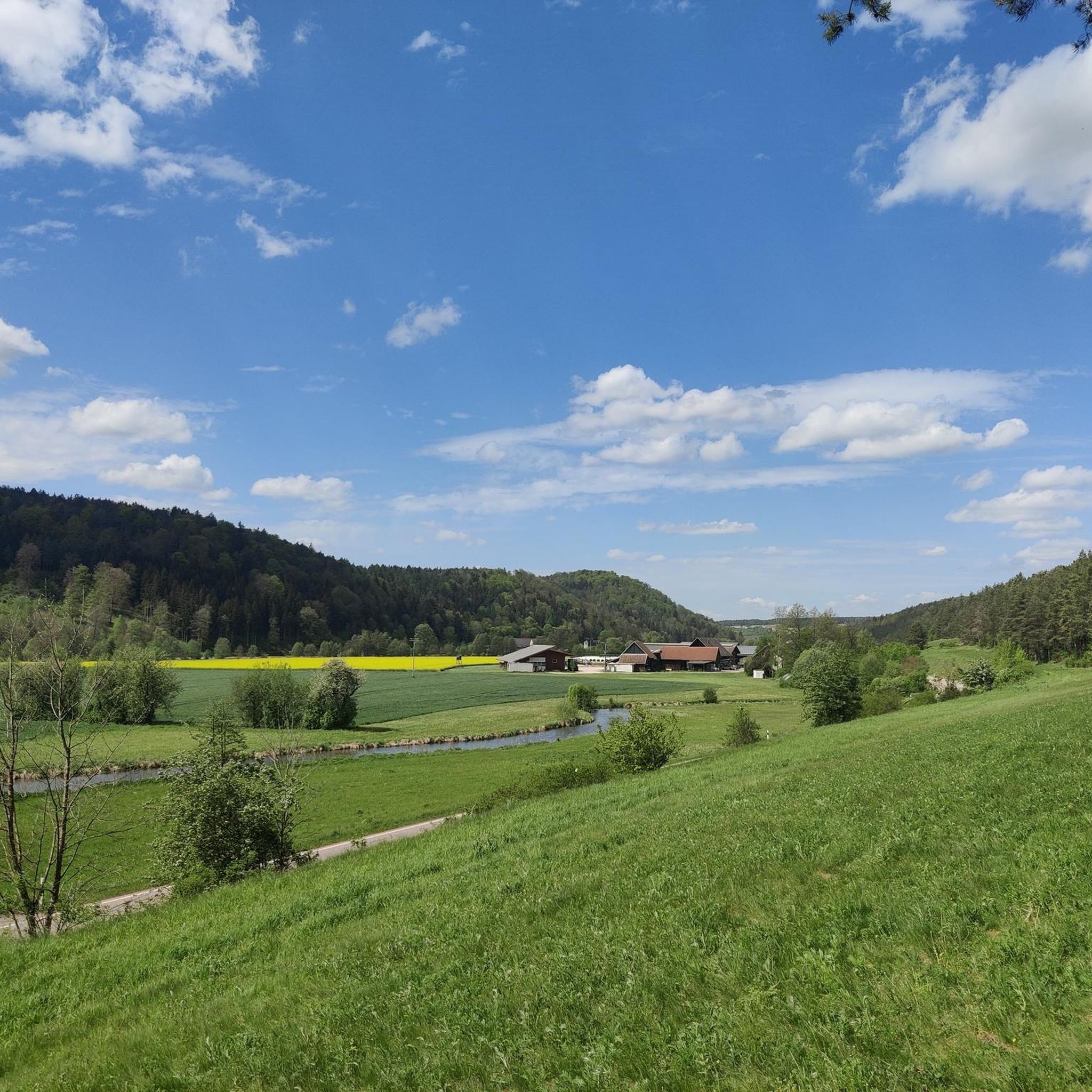
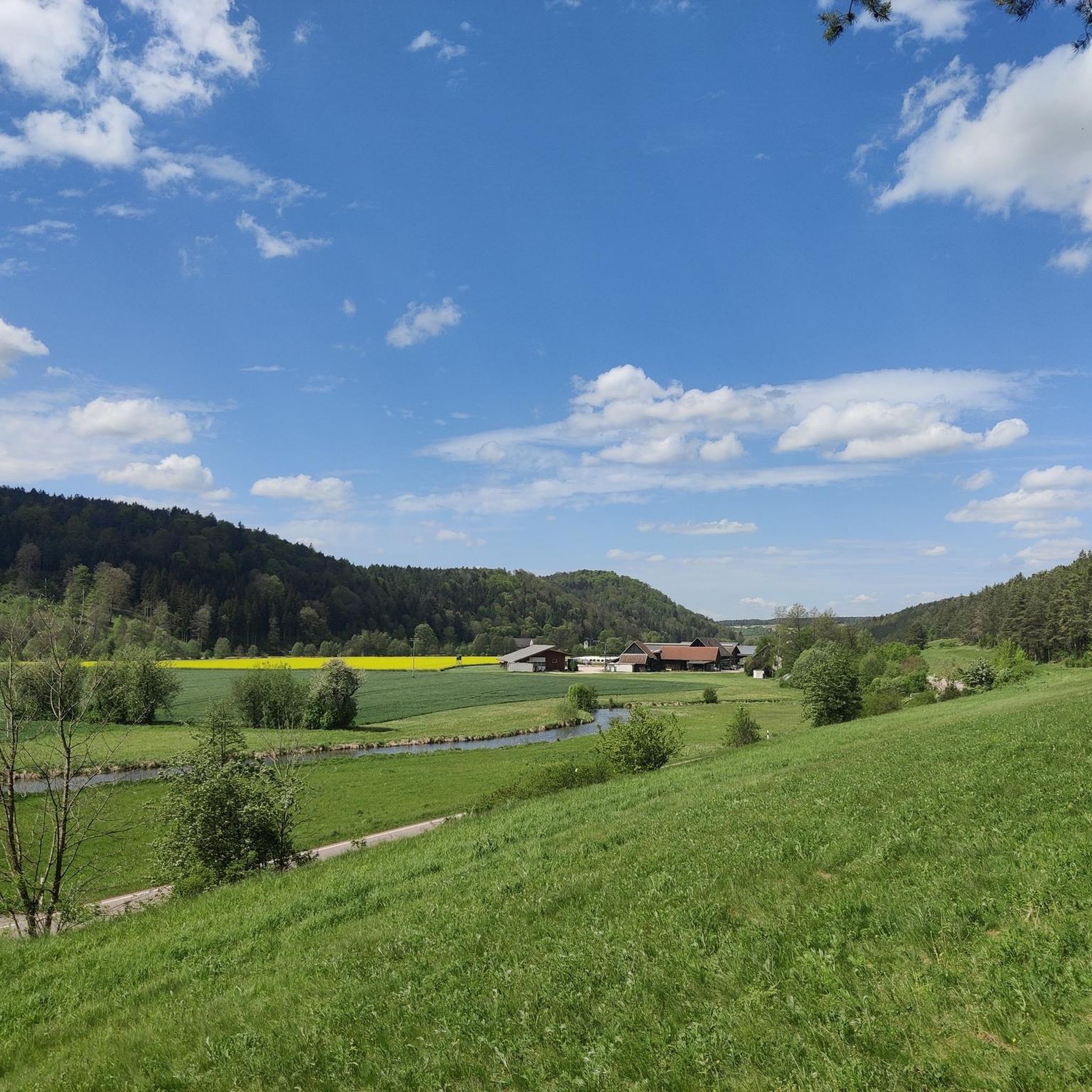
Schmidmühlen 주변의 산악자전거 코스는 완만한 언덕, 울창한 숲, 그리고 빌스 강과 라우터라흐 강의 그림 같은 계곡으로 특징지어지는 풍경을 가로지릅니다. 이 다양한 지형은 산악자전거를 위한 다양한 조건을 제공하며, 고도 상승은 중간 정도에서 상당한 수준까지 다양합니다. 라이더들은 강변 길과 도전적인 오르막길의 조합을 기대할 수 있습니다. 이 지역의 자연적 특징은 야외 활동을 위한 역동적인 배경을 만듭니다.
마지막 업데이트: 7월 18, 2026
4.8
(22)
109
자전거 타는 사람
54.3km
04:12
830m
830m
보통 산악 자전거 타기. 좋은 체력 필요. 뛰어난 라이딩 실력이 필요함.
4.3
(3)
12
자전거 타는 사람
37.2km
03:04
520m
520m
보통 산악 자전거 타기. 좋은 체력 필요. 뛰어난 라이딩 실력이 필요함.

무료 회원 가입
5.0
(3)
17
자전거 타는 사람
46.5km
04:06
800m
800m
보통 산악 자전거 타기. 좋은 체력 필요. 뛰어난 라이딩 실력이 필요함.
4.5
(8)
43
자전거 타는 사람
30.1km
01:47
310m
310m
보통 산악 자전거 타기. 좋은 체력 필요. 실력과 관계없이 누구나 갈 수 있음.
5.0
(1)
25
자전거 타는 사람
21.6km
01:13
160m
160m
초급용 산악자전거 라이딩. 모든 체력 수준에 적합. 실력과 관계없이 누구나 갈 수 있음.
더 다양한 경로와 다른 탐험가들의 추천을 살펴보세요.
무료 회원 가입
이미 komoot 계정이 있나요?
투어 추천은 다른 사람들이 komoot에서 완료한 수천 개의 활동을 바탕으로 구성되어 있습니다.
오늘 무료 계정으로 시작하세요
다음 모험이 기다리고 있어요.
로그인 또는 가입하기
상부 성 상부 성은 슈미트뮐렌의 영주들이 수성(水城)으로 지었습니다. 12세기 중반부터 에른스트 폰 슈미트뮐렌(1166–1170)을 시작으로 이곳에 거주한 기록이 있습니다. 레겐슈타우프의 관리였던 게오르크 하우즈너 폰 빈부흐(1595–1614)가 현재 성의 건축가입니다. 1600년이라는 숫자는 기사 홀의 화려한 문틀 중 하나에서 볼 수 있습니다. 상부 성은 박공지붕을 갖춘 3층 높이의 석조 건물입니다. 팔각형 계단탑이 증축되었고 서쪽에도 추가 증축이 있습니다. 이 성의 1층에는 작은 예배당도 있었지만, 오랫동안 흙으로 메워지고 벽으로 막혔습니다. 탑 위쪽에는 꽃과 로제트로 그려진 둥근 천장이 있으며, 섬세한 나무 기둥으로 지지됩니다. 전체 2층은 독일 르네상스 시대의 가장 흥미로운 소장품 중 하나에 속합니다. 그곳에 있는 세속적인 벽화는 란츠후트의 트라우우스니츠 공성 성채의 벽화를 연상시킵니다. 제2차 세계 대전 중과 그 이후에 상부 성은 점령군의 주둔으로 인해 심각한 피해를 입었습니다. 2층에 있던 귀중한 세라믹 난로가 파괴되었습니다. 1937년에 이 성은 슈미트뮐렌 시장의 소유가 되었습니다. 전후 시대부터 이 성은 슈미트뮐렌 시장의 시청으로 사용되고 있습니다. 1977년과 1980년 사이에 철저한 복원이 이루어졌으며, 이 과정에서 성과 성 정원의 모습이 바뀌었습니다. 리노베이션은 2003년에 완료되었습니다. 성 안에는 슈미트뮐렌의 향토 및 협회 박물관도 있습니다. 성 앞 분수대에는 모리스크 무용수의 주조된 형상이 서 있으며, 뮌헨 구 시청사의 연회장을 위해 유명한 후기 고딕 양식의 모리스크 무용수들을 만든 슈미트뮐렌의 조각가 에라스무스 그라서(Erasmus Grasser)를 기리고 있습니다. 출처: 위키백과
4
0
Raitenbuch Castle In Kallmünz, this former castle estate was owned by the von Raitenbuch family. In 1341, Louis the Bavarian freed his steward, Heinrich von Raidenbuch, and granted him the right to seal documents with red wax. The noble residence is mentioned in the Palatinate-Neuburg land register of 1514. In 1283, Kallmünz became the seat of a regional court (Landgericht) of the Duchy of Upper Bavaria, which had been established in 1255. The regional court convened in Raitenbuch Castle. Since the necessary offices for judges and court officials first had to be built, records of this regional court do not begin until 1323. The court building also included a court official's house with a prison. Regional judges serving here are documented from 1300 onward. The list begins with Hainrich von Sigenheim around 1300 and ends with Franz Sigmund Freiherr von Wildenau in 1772. Raitenbuch Castle was acquired by the market town of Kallmünz from the lord of the manor, von Fleischmann zu Markstetten, in 1806 and adapted as a school building. The prison was sold to a private individual. In the 1990s, the municipality of Kallmünz used the castle for social housing. Today, the renovated building is used as a hotel. The renovated building received the Hypo Cultural Foundation's Heritage Award in 2013. In 1805, the street-side entrance with its external staircase, which is still preserved today, was created. In 1885, the building was raised by one story to create additional classrooms. Raitenbuch Castle is therefore a four-story hipped-roof building with a corner oriel window. It features 17th-century stucco decoration. The ground floor was built directly on bedrock. The ground floor contains vaulted ceilings. Source: Excerpts from www.wikipedia.de
2
0
Raitenbuch Castle (sometimes simply called Raitenbuch House) is a listed building at Vilsgasse 10 in the Upper Palatinate market town of Kallmünz, in the Regensburg district (Bavaria). Today, a small, fine boutique hotel with a long history. This former castle estate in Kallmünz was owned by the Raitenbuch family. In 1341, Ludwig the Bavarian exempted his court master, Heinrich von Raidenbuch, from tax, raiß (= military campaign), and blacksmithing, granting him the right to seal with red wax. ... In 1804, the 15 district courts of Palatinate-Neuburg were reduced to eight, and Kallmünz was merged with Burglengenfeld. Raitenbuch Castle was acquired by the market town of Kallmünz in 1806 from the lord of the manor, von Fleischmann zu Markstetten, and converted into a school building. The Keuche (church) was sold to a private individual. In the 1990s, the municipality of Kallmünz used the castle for social housing. Today, the renovated building serves as a hotel. The renovated building received the Hypo Cultural Foundation's Monument Prize in 2013. The street-side entrance with the external staircase, which still stands today, was created in 1805. In 1885, the building was raised by a story to create additional classrooms. Raitenbuch Castle is therefore a four-story hipped-roof structure with a corner bay window. It features stucco detailing (base rustication with parapet panels and corner pilasters) dating from the 17th century. The basement was built directly on natural rock. The ground floor features vaulted ceilings. Source: https://de.wikipedia.org/wiki/Raitenbucher_Schloss
0
0
The summit offers seating, an information board, and a beautiful view. More information at: https://peakhunter.com/de/peaks/rechenfels
1
0
a nice idea, hang watering cans on the tree
3
0
다른 지역의 최고의 MTB 트레일를 살펴보세요.