카프리바 델 프리울리 최고의 MTB 라이딩 경로
4.6
(895)
6,903
자전거 타는 사람
360
라이딩
카프리바 델 프리울리에 있는 멋진 산악자전거 라이딩 경로를 따라 어디로 가 볼까요? 카프리바 델 프리울리에 있는 MTB 경로 컬렉션 중에서 가장 멋진 장소를 아래에서 살펴보세요.
마지막 업데이트: 10월 13, 2026
4.6
(5)
15
자전거 타는 사람
31.6km
02:24
470m
470m
보통 산악 자전거 타기. 좋은 체력 필요. 실력과 관계없이 누구나 갈 수 있음.
4.3
(3)
14
자전거 타는 사람
74.6km
05:16
1,210m
1,210m
어려운 산악 자전거 타기. 우수한 체력 필요. 뛰어난 라이딩 실력이 필요함.

5.0
(2)
14
자전거 타는 사람
21.5km
01:36
420m
420m
보통 산악 자전거 타기. 좋은 체력 필요. 실력과 관계없이 누구나 갈 수 있음.
5.0
(1)
12
자전거 타는 사람
보통 산악 자전거 타기. 모든 체력 수준에 적합. 뛰어난 라이딩 실력이 필요함.
3
자전거 타는 사람
27.5km
01:46
300m
300m
보통 산악 자전거 타기. 좋은 체력 필요. 실력과 관계없이 누구나 갈 수 있음.
더 다양한 경로와 다른 탐험가들의 추천을 살펴보세요.
이미 komoot 계정이 있나요?
투어 추천은 다른 사람들이 komoot에서 완료한 수천 개의 활동을 바탕으로 구성되어 있습니다.


커뮤니티 팁


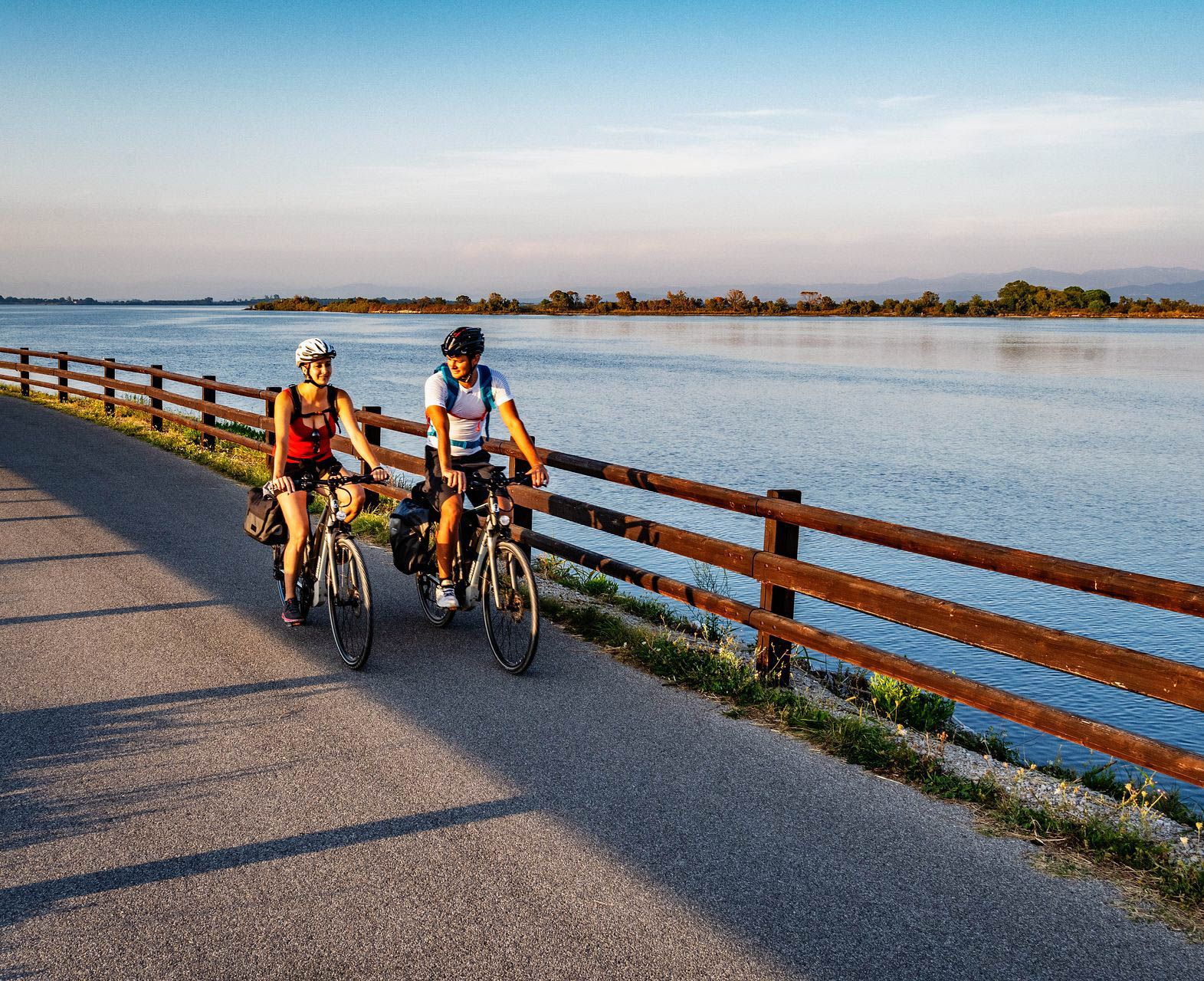
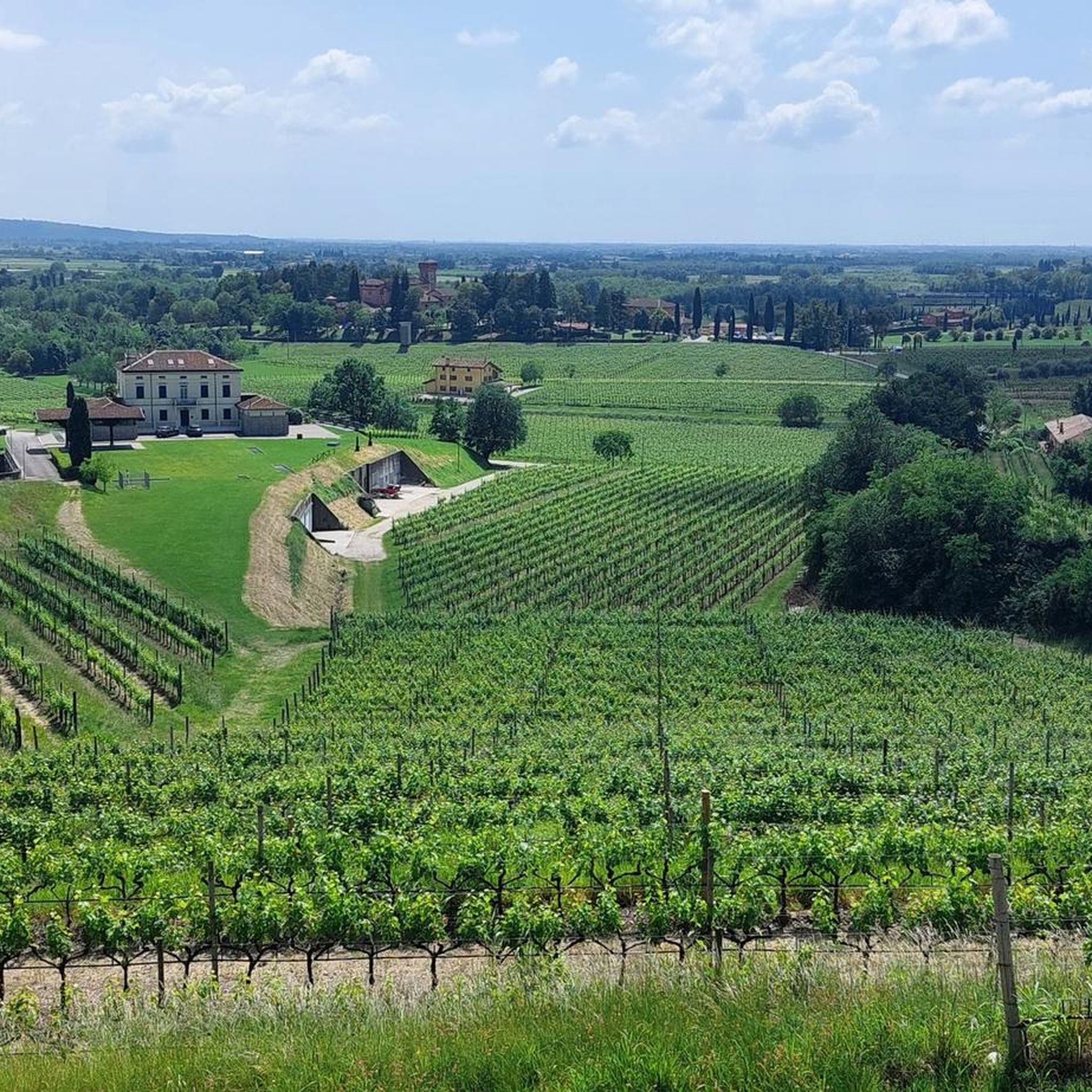
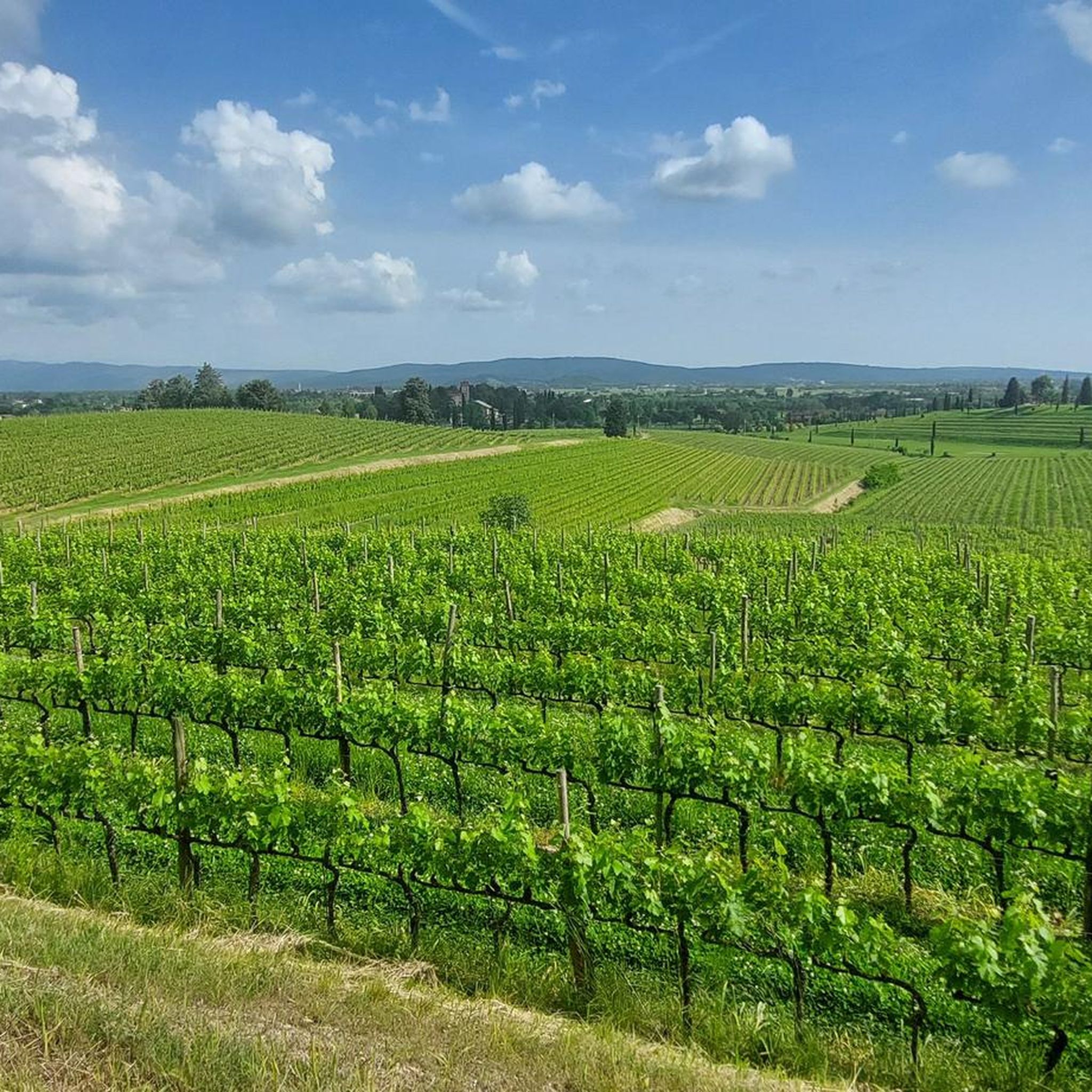
완만한 경사를 가진 Collio를 따라가는 자전거 도로는 보행자와 자전거 이용객 모두에게 매우 인기가 많습니다. 풍경을 즐기기 위해 천천히 가야 하는 코스입니다.
0
0

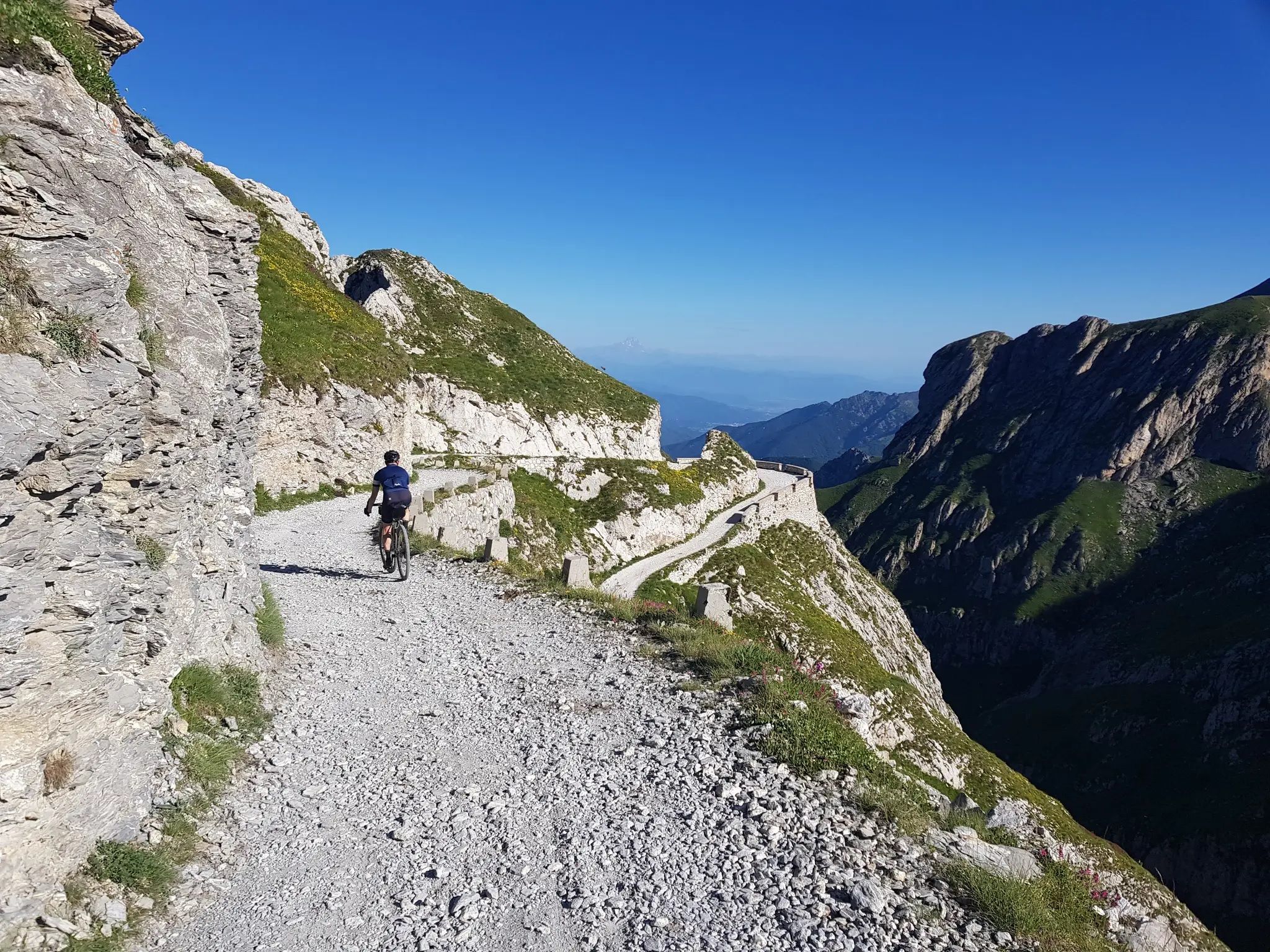
그래블 바이크와 산악자전거로 달릴 수 있는 자전거 도로망이 지역 전체를 덮고 있습니다
0
0
A bridge that allows you to admire the peaceful Isonzo River with its incredible colors.
0
0

The medieval village of Šmartno is one of the most beautiful villages in the central Brda region. Built on Roman foundations, it is now considered an architectural gem and cultural monument. Behind its walls, it leads back to the rich and picturesque stories of the past and reveals the charm of Brda hospitality. The village of Šmartno is located in the geographical center of Brda, with views stretching from Nanos in the east to the Carnic Alps in the northwest, and from the vast Friuli region to the Adriatic Sea. The village, surrounded by walls and fortified with defensive towers, was first mentioned in 1317. In the first half of the 16th century, a medieval fortress was built on the remains of a Roman outpost around the church. The village served as a border fortress until the mid-18th century, when the Venetian threat was over. The houses in the center are grouped around the Church of St. Martin, the largest parish church in Brda, after which the village was named. The church's bell tower was originally a fortress tower. The bell, featuring the motif of the Three Kings, dates from 1857. The Baroque church features three marble altars, one of which is particularly rich. The presbytery and the Stations of the Cross were painted by Tone Kralj.
4
0
The medieval village of Šmartno is one of the most beautiful villages in the central Brda region. Built on Roman foundations, it is now considered an architectural gem and cultural monument. Behind its walls, it leads back to the rich and picturesque stories of the past and reveals the charm of Brda hospitality. The village of Šmartno is located in the geographical center of Brda, with views stretching from Nanos in the east to the Carnic Alps in the northwest, and from the vast Friuli region to the Adriatic Sea. The village, surrounded by walls and fortified with defensive towers, was first mentioned in 1317. In the first half of the 16th century, a medieval fortress was built on the remains of a Roman outpost around the church. The village served as a border fortress until the mid-18th century, when the Venetian threat was over. The houses in the center are grouped around the Church of St. Martin, the largest parish church in Brda, after which the village was named. The church's bell tower was originally a fortress tower. The bell, featuring the motif of the Three Kings, dates from 1857. The Baroque church features three marble altars, one of which is particularly rich. The presbytery and the Stations of the Cross were painted by Tone Kralj.
6
0

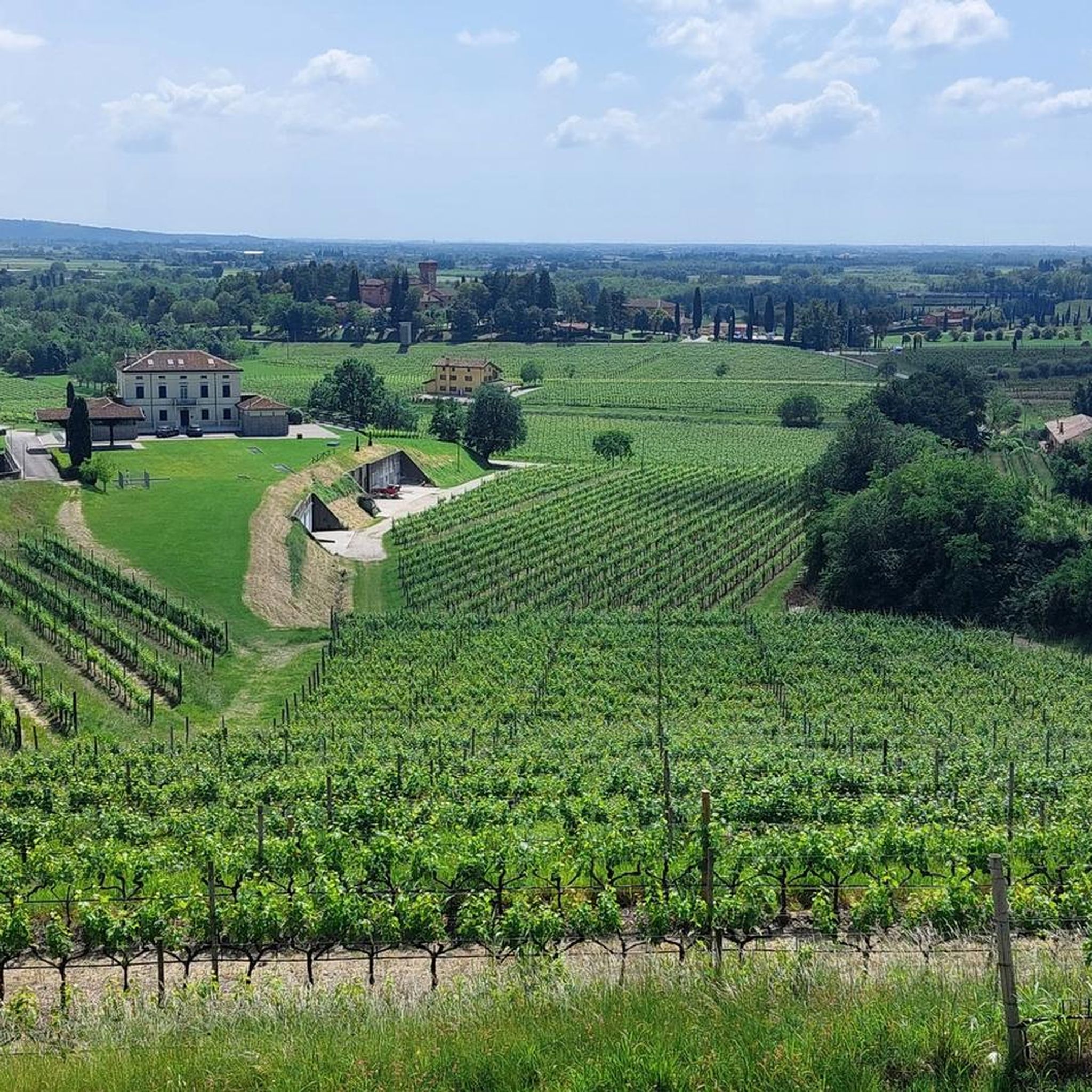
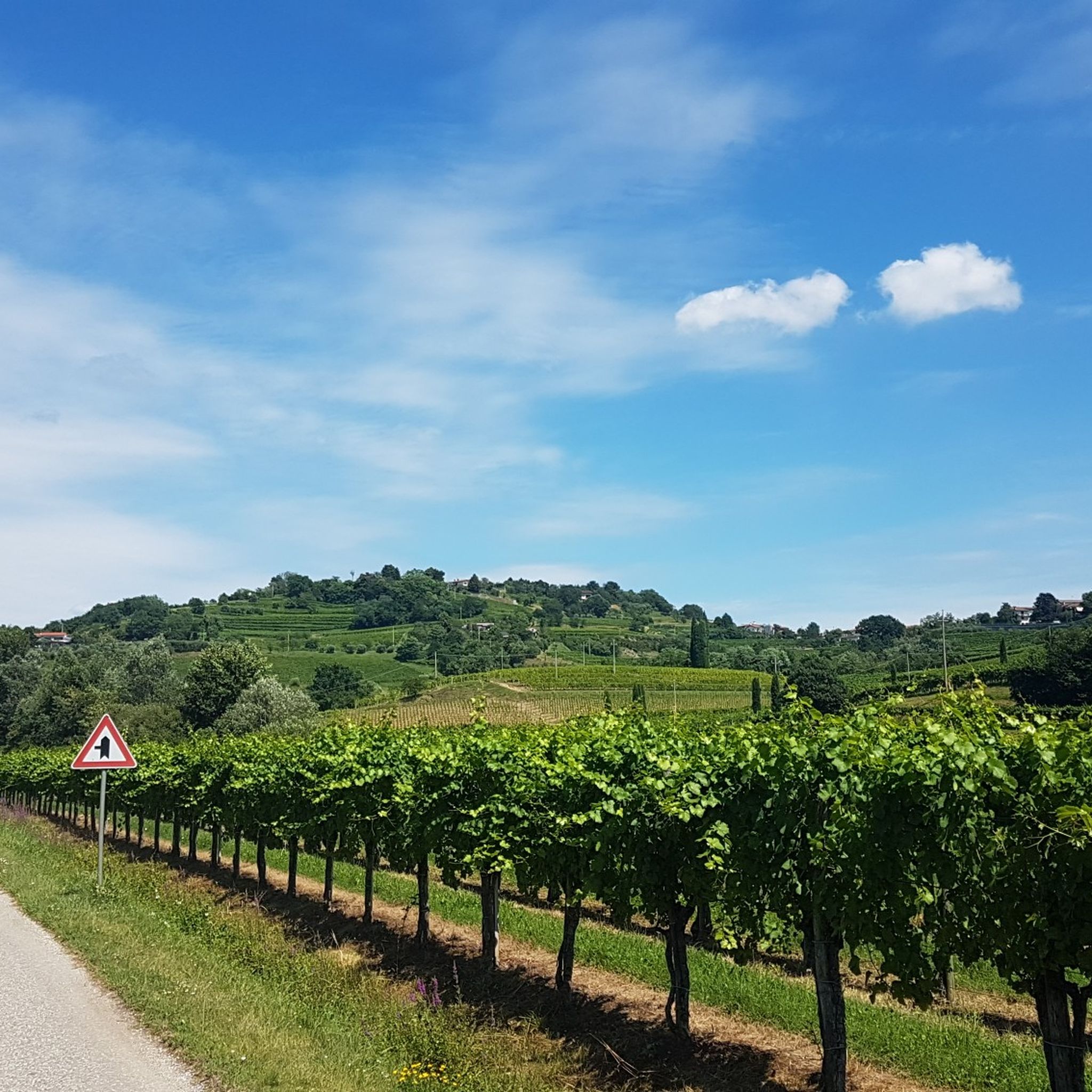
Beautiful flat paths through the fields with mountain views
0
0
카프리바 델 프리울리 주변에서 가장 인기 있는 명소


더 살펴보기
다른 지역의 최고의 MTB 트레일를 살펴보세요.
