20의 피아넬로 발 티도네가지 명소 & 주요 장소
피아넬로 발 티도네에는 둘러볼 만한 장소가 많답니다. 하이킹 또는 사이클링을 좋아한다면 피아넬로 발 티도네에 숨겨진 20
가지 보석을 만날 수 있을 거예요. 이 지역의 주요 명소를 살펴보면서 다음 모험을 계획해보세요.
마지막 업데이트: 10월 23, 2026
"파베제 '리틀 스텔비오'
하이라이트 (구간) • 자전거 도로
번역자 Google •
팁에 의해

피에트라 페르두카와 산타 안나 오라토리오
하이라이트 • 종교적 장소
번역자 Google •
팁에 의해

이런 장소를 발견하려면 지금 가입하세요
최고의 싱글 트랙, 봉우리 및 다양한 흥미로운 야외 장소에 대한 추천을 받아보세요.
번역자 Google •
팁에 의해

로카 디 보르고노보 발 티도네
하이라이트 • 성
Piazza Giuseppe Garibaldi, 18, 29011 Borgonovo Val Tidone PC
번역자 Google •
팁에 의해

무료로 가입하여 피아넬로 발 티도네 주변의 더 많은 명소를 발견하세요.
이미 komoot 계정이 있나요?
오늘 무료 계정으로 시작하세요
다음 모험이 기다리고 있어요.
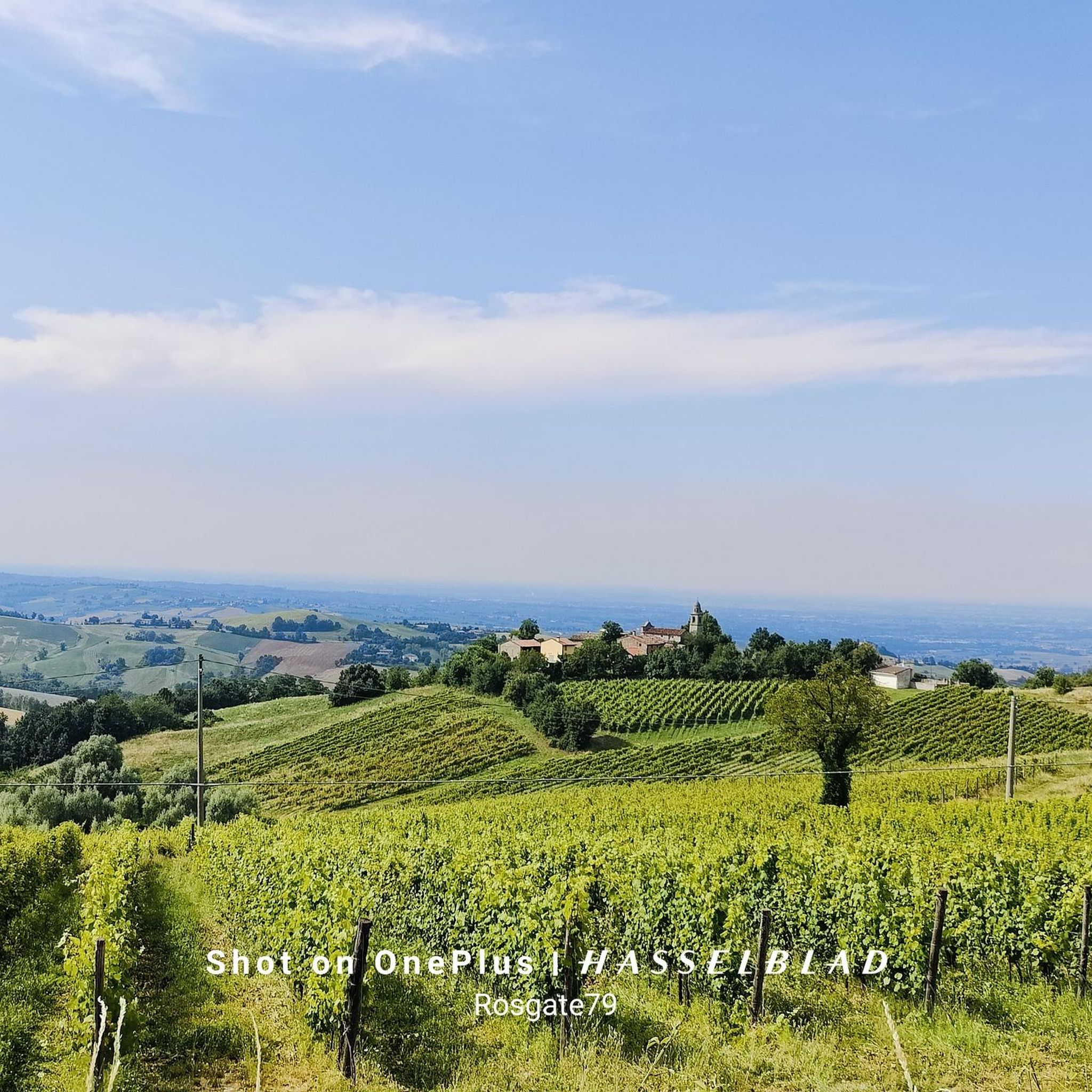

커뮤니티 팁

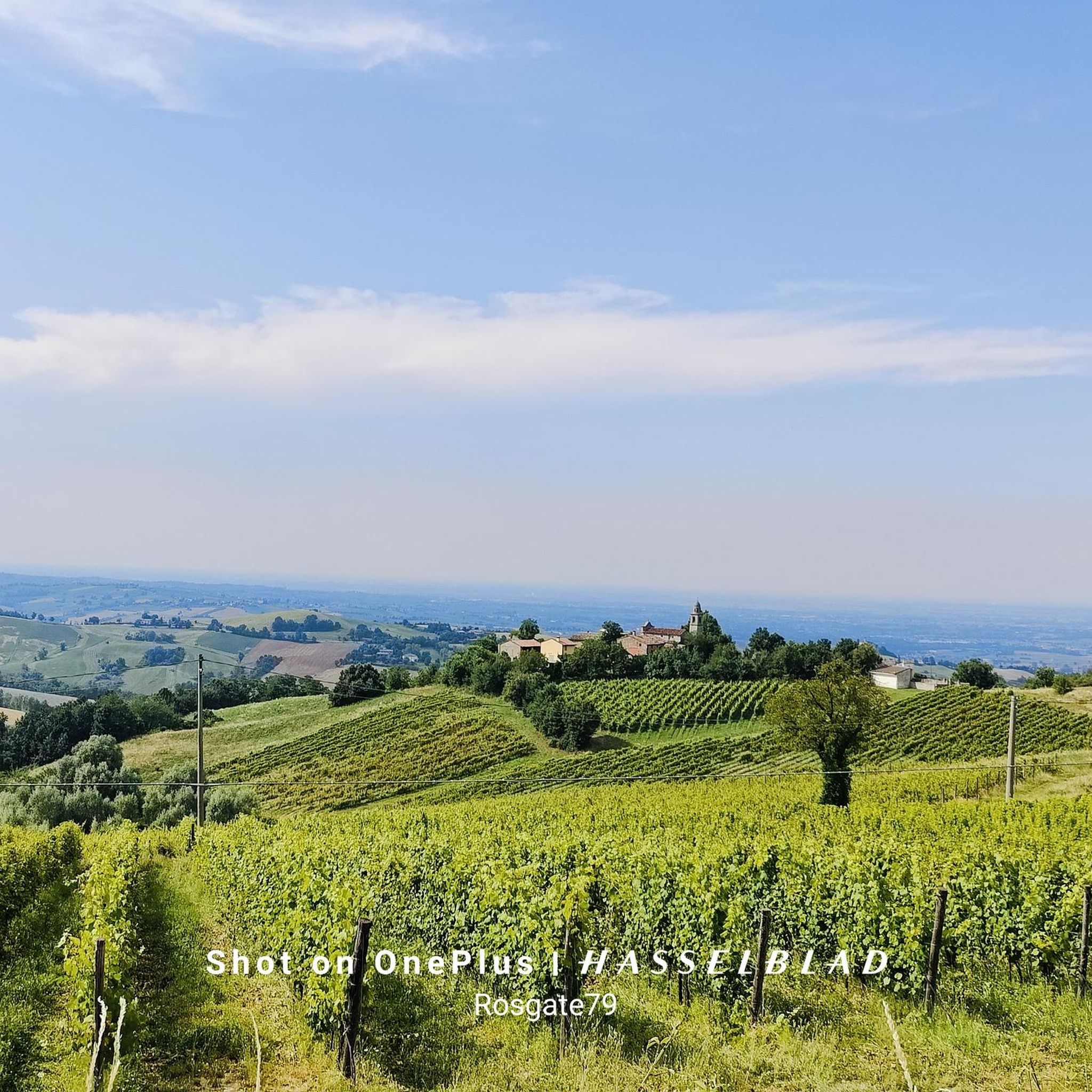
Oltrepò Pavese의 Il Piccolo Stelvio는 Trebecco 호수에서 Pometo 능선까지 이어지는 구불구불한 멋진 도로입니다. 위치: Oltrepò Pavese, Val Tidone와 Nizza 개울 계곡 사이. 약 20개의 연속적인 급커브와 250미터의 고도 상승을 포함한 4km의 오르막길.
1
0

very scenic and fun road near Lake Trebecco
2
0

Beautiful ride between the provinces of PV and PC to do not immediately after a day of rain, terrain in parts clay and muddy. At km. 6.40 take the low variant because the one that gives the track is impassable.
0
0

enchanting place on a splendid panorama, there are on the crest of the rock some tanks with newts, unique animals
2
0

The Castle was first mentioned in a document from 1001. On this occasion, Bishop Sigifredo granted the Benedictine monks of San Savino (Piacenza) some land, including the area of the Castle. The building has a trapezoidal plan and has four circular towers. The first of the four towers dates back to around the year 1000, which only later became four. The Castle was often the scene of clashes and battles. In 1212, the Guelphs of Piacenza took refuge there, threatened by the Ghibellines of Visconti, but they were worsted because they were defeated later in two battles. In the fourteenth century, the Castle was inhabited by Gabriello Boccapiccina, then it passed to the Chiapponi family. When the Chiapponi family died out, in the eighteenth century they were replaced by the Scotti di San Giorgio, who profoundly adapted the building, transforming it into a stately home. At the beginning of the twentieth century, the Castle belonged for a short period to the Lombardi of Genoa; it was then sold to Eng. Giuseppe Manfredi, who had it restored by Prof. Camillo Guidotti. From 1930 to 1987, the building was owned by the Ursuline Mothers of Piacenza. Today, the Castle is used by the current owner as a venue for private events.
0
0


The Castle of Rezzanello appears mentioned for the first time in a document from 1001. On this occasion Bishop Sigifredo granted some land to the Benedictine monks of San Savino, including the Castle area. The castle has a trapezoidal plan with four towers that stand out from the corners and a large internal courtyard. The turrets have a round base, are elegantly slender and crowned by a projection supported by arches and covered by a conical roof. The same type of arches in double order creates a decorative motif in the attic. To adapt it to housing needs, numerous large windows were opened, regularly distributed on all the facades. Located in the center of a valley, it is surrounded by a splendid seven-hectare park with centuries-old plants, a fountain and streams. At the beginning of the twentieth century, the castle was transformed into a stately home. The new owner, Eng. Giuseppe Manfredi entrusted the intervention to the architect Camillo Guidotti who conducted it according to the late-romantic criteria then in vogue, altering the original design.
1
0
The Borgonuovo oppidum was founded in 1196 by the Municipality of Piacenza to defend the western border of its territories, equipped with a fortress, towers and city walls with an escarpment and fortified entrances. In the current complex, built entirely of bricks, the fortress and the receptacle can clearly be distinguished. These buildings together with the church and the pilgrims' hospital once formed the village of Calendasco. The body of the fortress has typical elements of fourteenth-century Po Valley castles, such as the sawtooth motif combined with the crowning of small windows with segmental arches. The deep moat, the entrance, once equipped with a drawbridge as can be seen from the recesses of the ravelin, and the pusterla, or small door, with drawbridge access are still visible. To the south is a semicircular tower much higher than the rest of the building; the north-east wing, equipped with a scarp and with a rustic appearance and lack of homogeneity, dates back to a later period. The entrance hall, covered by a cross vault decorated with sixteenth-century frescoes, leads into the courtyard where a portico with three arches is visible. The receptacle, a rustic body with small arched windows and a decorative sawtooth motif, is outside the moat, near the bridge-beater.
1
0
피아넬로 발 티도네 주변에서 가장 인기 있는 명소


더 살펴보기
찾고 있는 하이라이트를 아직 못 찾으셨나요? 다른 지역의 주요 명소 가이드를 확인해보세요:
