20의 칼리스 알 코르노빌리오가지 명소 & 주요 장소
칼리스 알 코르노빌리오에는 둘러볼 만한 장소가 많답니다. 하이킹 또는 사이클링을 좋아한다면 칼리스 알 코르노빌리오에 숨겨진 20
가지 보석을 만날 수 있을 거예요. 이 지역의 주요 명소를 살펴보면서 다음 모험을 계획해보세요.
마지막 업데이트: 9월 13, 2026
피에베 디 산토 스테파노 디 소라노
하이라이트 • 종교적 장소
번역자 Google •
팁에 의해

말라스피나 성 탑, 빌라프란카 인 루니자나
하이라이트 • 성
번역자 Google •
팁에 의해

이런 장소를 발견하려면 지금 가입하세요
최고의 싱글 트랙, 봉우리 및 다양한 흥미로운 야외 장소에 대한 추천을 받아보세요.
루수올로 성과 중세 마을
하이라이트 • 성
번역자 Google •
팁에 의해

Filetto의 역사적인 아치형 입구
하이라이트 • 역사적 장소
팁에 의해


오늘 무료 계정으로 시작하세요
다음 모험이 기다리고 있어요.
커뮤니티 팁

빌라프란카 인 루니지아나(Villafranca in Lunigiana) 코무네에 있는 말라스피나 성(Castello Malaspina)의 탑은 주로 말그라테(Malgrate)에 있는 말라스피나 성(Castello Malaspina)의 인상적이고 유명한 원통형 구조물을 가리키지만, 코무네의 중심지에는 원래 감시탑을 갖추고 있었던 말라스피나 후작들의 역사적인 단테 시대 거주지인 말니도 성(Castello di Malnido)의 유적도 있습니다. 가장 잘 보존되고 날씬한 탑으로 유명한 요새는 바로 말그라테(Malgrate) 지역에 있습니다. 원통형의 마스티오(mastio)가 계곡 위로 솟아 있으며 루니지아나(Lunigiana)의 풍경을 상징하는 틀림없는 상징입니다.
0
0
Filetto 마을(Massa-Carrara의 Villafranca in Lunigiana에 위치)의 유명한 남쪽 문으로, 중세 마을을 방문하는 사람들을 맞이하는 장엄한 석조 아치입니다. 두 번째 경우, 건축에서는 벽돌을 "a filetto"(옆으로 또는 가장자리로) 쌓아 구조적 또는 장식적 아치를 만드는 것을 의미하며, 이는 입구, 복도 또는 주방에 소박하고 우아한 느낌을 주는 데 많이 사용되는 쌓기 기술입니다.
0
0

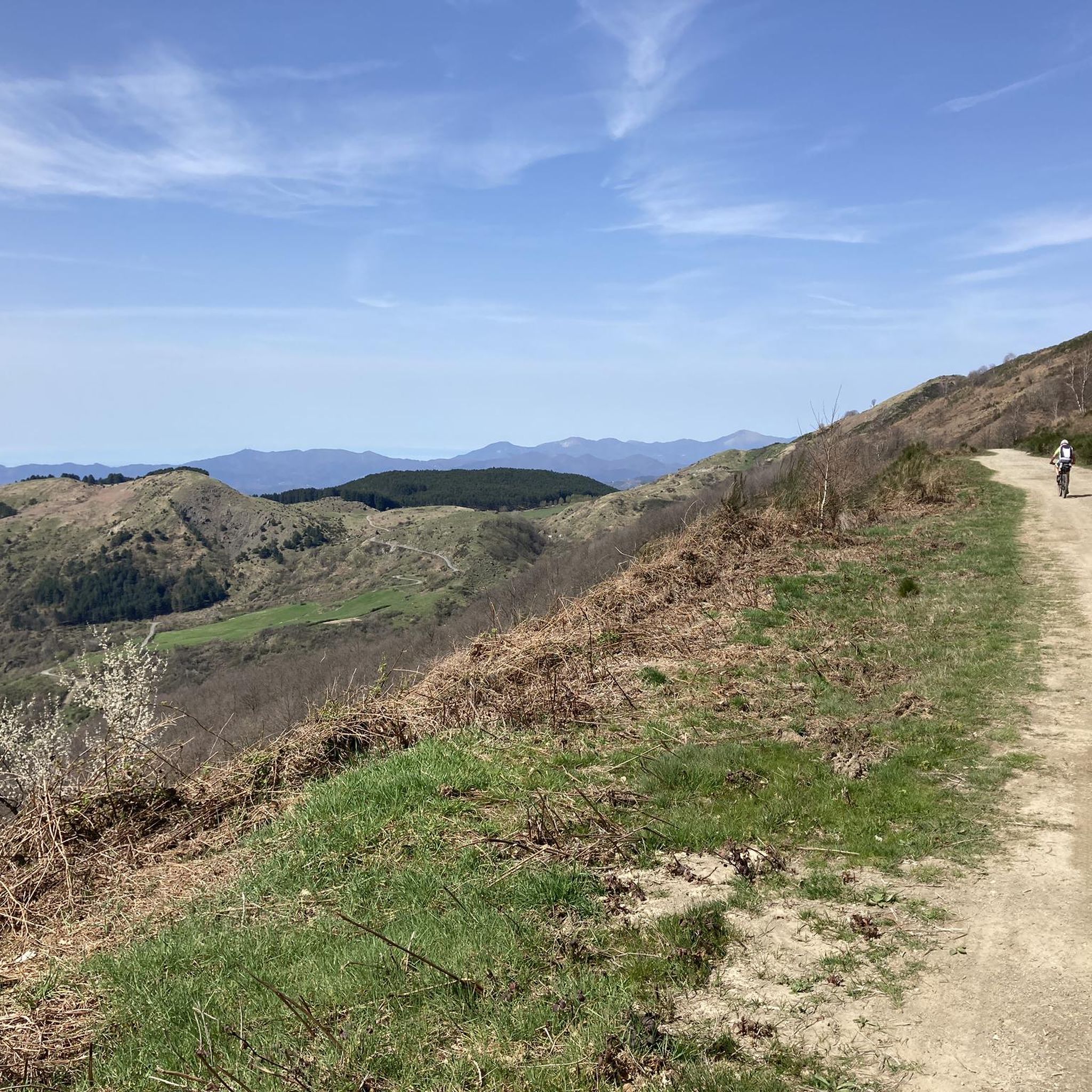
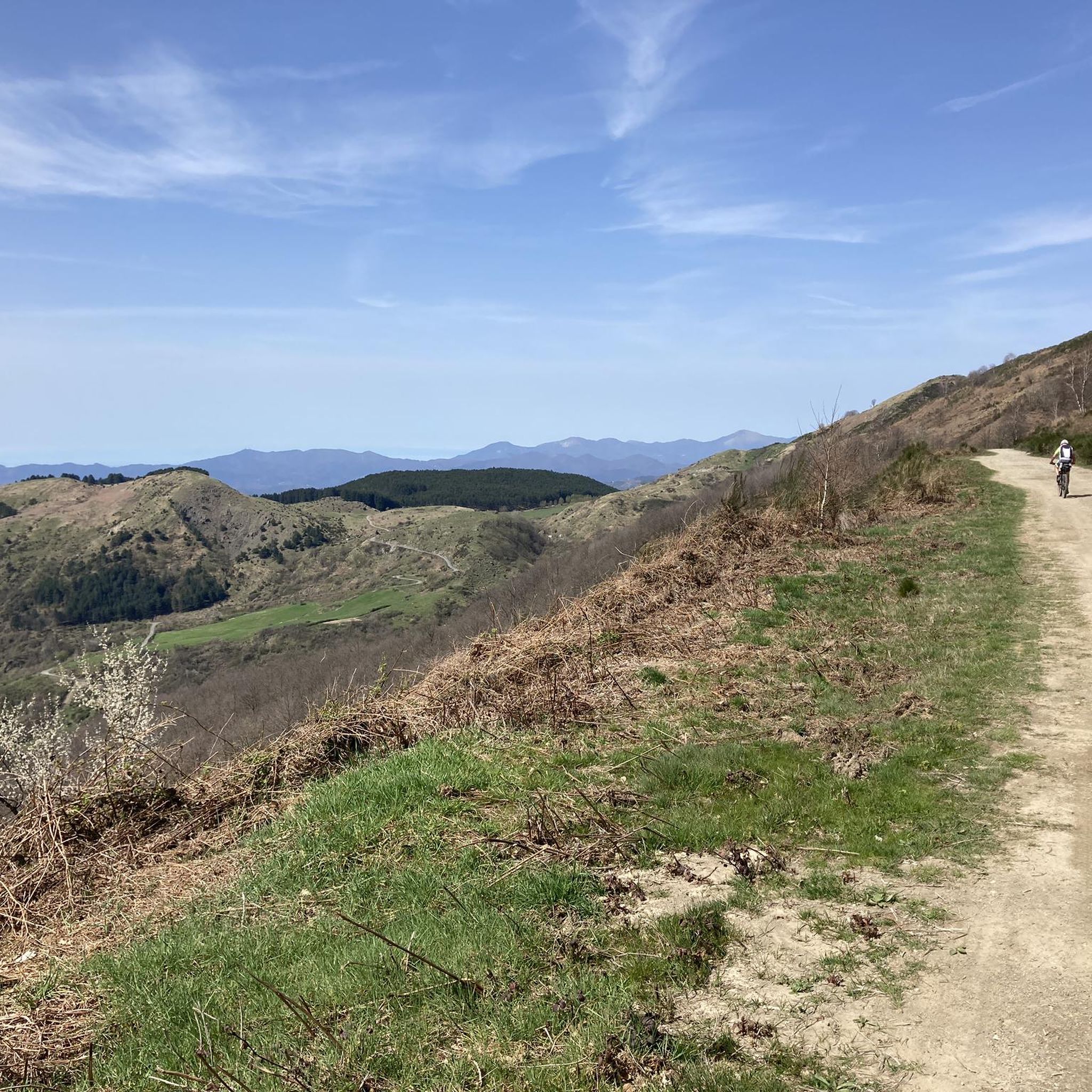
We parked there for a mountain bike ride. It's very picturesque, and there are even some picnic tables.
0
0

Aula is a fundamental hub of the Via Francigena, it was tormented by the bombings of the Second World War, causing the almost total destruction of its historic center, of which very few vestiges remain. It is located a few kilometers from the border with Liguria, on a narrow strip of land at the confluence of the Magra river and the Aulella stream, a decisive place for the civil and religious life of the entire area before the year 1000. Aulla in that period was already a small village and its importance was linked precisely to its central position along the Via Francigena, both as a pilgrimage road and as a commercial artery. The center of the town had an important role in defending the roads that led from the Lucca area and Liguria towards the Cisa Pass.
0
0
The Brunella Fortress owes its name to the hill on which it was built in the mid-16th century. The fort is a typical example of Renaissance military architecture, designed to defend against firearm attacks. It is an almost square construction with large polygonal struts. What is certain is that the complex represents the most powerful military work in Lunigiana and its strategic position allowed it, in the past, to control all the main routes in the area and the arrivals from the Apennine passes.
0
0
probably the best known of the many well-preserved medieval villages that you come across along the route, which reveals its Byzantine origins both in its name and in its shapes: the term “Filetto”, in fact, derives from the Greek Fulacterion, which means “fortified village”. The town still retains the quadrangular shape typical of the villages of foundation and late ancient camps, with perpendicular streets and central squares. To the oldest part, characterized by narrow alleys such as the Jewish village and a large market square, is added a late Renaissance “addition”, the fascinating Borgo degli Ariberti. The Ariberti family enlarged the village by building a wide central street, a square and a stately building adjacent to the church of Saints Jacopo and Antonio and the Fatebenefratelli Convent. The addition is linked to the village in an elegant way, with suspension bridges and arches that overlook the entrance gates to the town and that connect the main buildings.
1
0
Ruins of the Malnido Castle, with the square dedicated to Dante Alighieri, ancient guest of the Malaspina, and the remains of the church of San Nicolò, the medieval road leads to the parish church of San Giovanni
0
0

칼리스 알 코르노빌리오 주변에서 가장 인기 있는 명소


더 살펴보기
찾고 있는 하이라이트를 아직 못 찾으셨나요? 다른 지역의 주요 명소 가이드를 확인해보세요:
