타르퀴니아 최고의 MTB 라이딩 경로
4.5
(65)
654
자전거 타는 사람
67
라이딩
타르퀴니아에 있는 멋진 산악자전거 라이딩 경로를 따라 어디로 가 볼까요? 타르퀴니아에 있는 MTB 경로 컬렉션 중에서 가장 멋진 장소를 아래에서 살펴보세요.
마지막 업데이트: 10월 8, 2026
4.3
(8)
44
자전거 타는 사람
49.4km
03:52
870m
880m
보통 산악 자전거 타기. 좋은 체력 필요. 실력과 관계없이 누구나 갈 수 있음.
5.0
(3)
34
자전거 타는 사람
42.9km
03:31
600m
600m
보통 산악 자전거 타기. 좋은 체력 필요. 실력과 관계없이 누구나 갈 수 있음.

4.3
(3)
31
자전거 타는 사람
70.4km
04:58
930m
930m
어려운 산악 자전거 타기. 우수한 체력 필요. 실력과 관계없이 누구나 갈 수 있음.
4.8
(6)
33
자전거 타는 사람
39.2km
03:23
580m
580m
보통 산악 자전거 타기. 좋은 체력 필요. 실력과 관계없이 누구나 갈 수 있음.
5.0
(2)
27
자전거 타는 사람
60.6km
04:39
930m
930m
어려운 산악 자전거 타기. 우수한 체력 필요. 실력과 관계없이 누구나 갈 수 있음.
더 다양한 경로와 다른 탐험가들의 추천을 살펴보세요.
이미 komoot 계정이 있나요?
투어 추천은 다른 사람들이 komoot에서 완료한 수천 개의 활동을 바탕으로 구성되어 있습니다.
오늘 무료 계정으로 시작하세요
다음 모험이 기다리고 있어요.

커뮤니티 팁

There was just a little bit of mud...
0
0


Ruins of the old city of Cencelle
2
0
It is a historic place where the old Civitavecchia-Orte railway passed
1
0
It is a place rich in history surrounded by wild nature
2
0

from Wiki: "According to what is reported in the Liber Pontificalis, the city was founded by Pope Leo IV on 15 August of the year 854 to give a safer seat to the citizens of Centumcellae (Civitavecchia) and the related diocese[1], being the city hit by the raids of the Saracens on the Tyrrhenian coast. According to his biographer, the pope gave the new city the name of Leopoli, but in all the documents, in the first centuries, the name of Centumcellae - civitas or castrum centumcellensis, later changed, is found in Centucelle - Cincelle - Cencelle. The new city was founded on a branch of the Via Aurelia, on an easily defensible hill between the Mignone river and its tributary Melledra, which had also been occupied in ancient times by the Etruscans. At the time of the foundation, the city walls were built, a first church, an episcopal seat, with an adjoining cemetery and wooden houses, later replaced by brick houses and buildings. The main church dedicated to Saint Peter was rebuilt larger between the end of the 11th and the beginning of the 12th century. The city was damaged by the earthquake of 1349 and the buildings were subsequently restored. It progressively declined and at the beginning of the 15th century the lands were, according to sources, "destroyed and uninhabited". In the second half of the fifteenth century the city area was used for the exploitation of the alum mines in the Tolfa mountains and in the seventeenth century it was probably the center of an agricultural company".
0
0

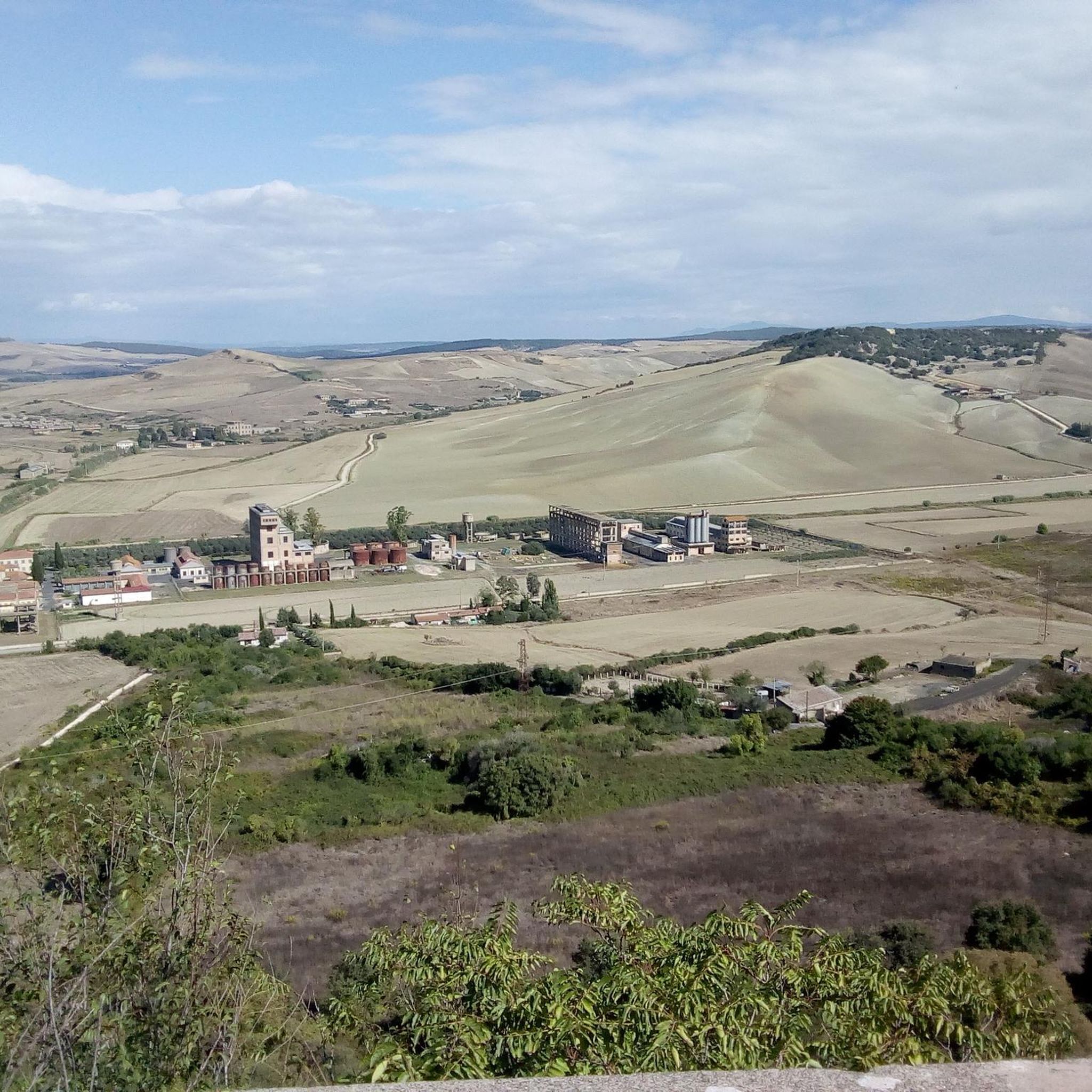
The village was born to house the miners who worked in the area. Here, in fact, alunite mines were discovered.
1
0
타르퀴니아 주변에서 가장 인기 있는 명소


더 살펴보기
다른 지역의 최고의 MTB 트레일를 살펴보세요.
