포지오 나티보 최고의 사이클링 경로
4.6
(35)
840
자전거 타는 사람
83
라이딩
포지오 나티보 최고의 사이클링 경로를 따라 지역을 둘러볼까요? 포지오 나티보에서 가장 멋진 자전거 라이딩 장소 중에서 가장 마음에 드는 라이딩을 선택해보세요.
마지막 업데이트: 9월 12, 2026
21
자전거 타는 사람
111km
08:03
2,220m
2,220m
어려운 자전거 타기. 우수한 체력 필요. 대부분 포장된 지면. 실력과 관계없이 누구나 갈 수 있음.
5.0
(1)
26
자전거 타는 사람
51.3km
05:03
1,480m
1,480m
어려운 자전거 타기. 우수한 체력 필요. 투어 중 자전거를 끌고 가야 하는 구간이 있을 수 있음.

4.5
(2)
10
자전거 타는 사람
어려운 자전거 타기. 우수한 체력 필요. 대부분 포장된 지면. 실력과 관계없이 누구나 갈 수 있음.
18
자전거 타는 사람
71.8km
04:58
1,320m
1,320m
어려운 자전거 타기. 우수한 체력 필요. 대부분 포장된 지면. 실력과 관계없이 누구나 갈 수 있음.
11
자전거 타는 사람
80.8km
05:54
1,690m
1,690m
어려운 자전거 타기. 우수한 체력 필요. 대부분 포장된 지면. 실력과 관계없이 누구나 갈 수 있음.
더 다양한 경로와 다른 탐험가들의 추천을 살펴보세요.
이미 komoot 계정이 있나요?
투어 추천은 다른 사람들이 komoot에서 완료한 수천 개의 활동을 바탕으로 구성되어 있습니다.
오늘 무료 계정으로 시작하세요
다음 모험이 기다리고 있어요.
포지오 나티보 주변 인기 장소
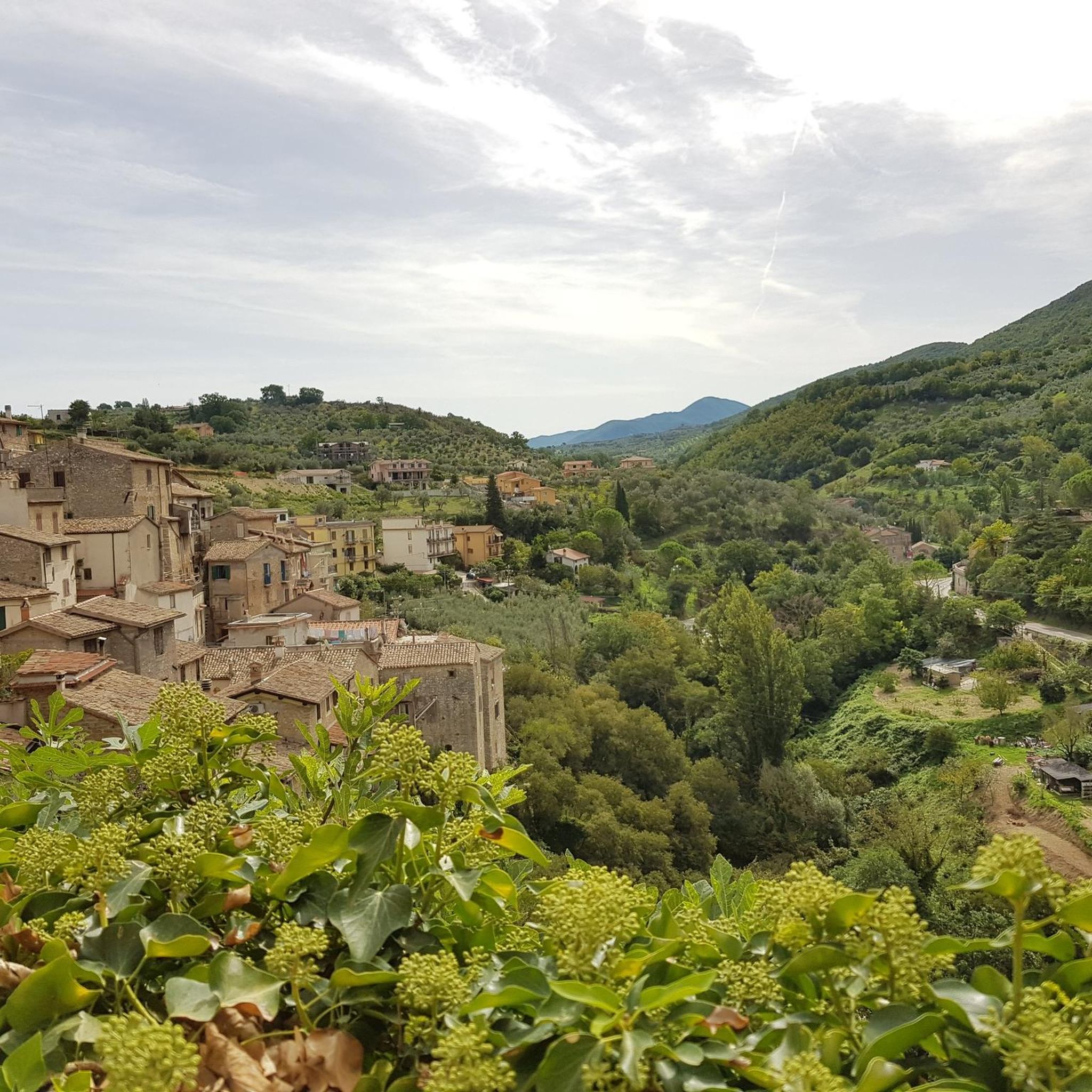
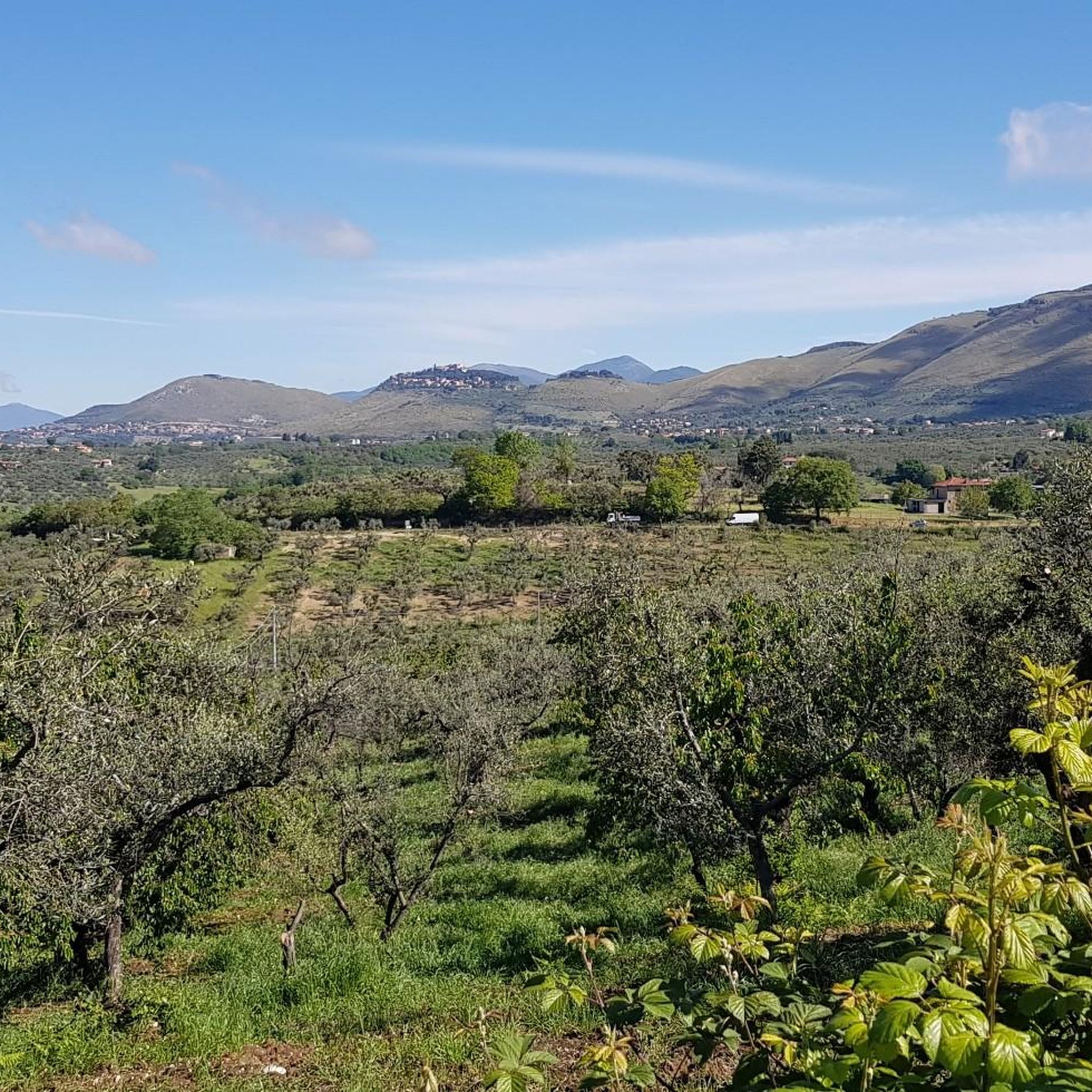
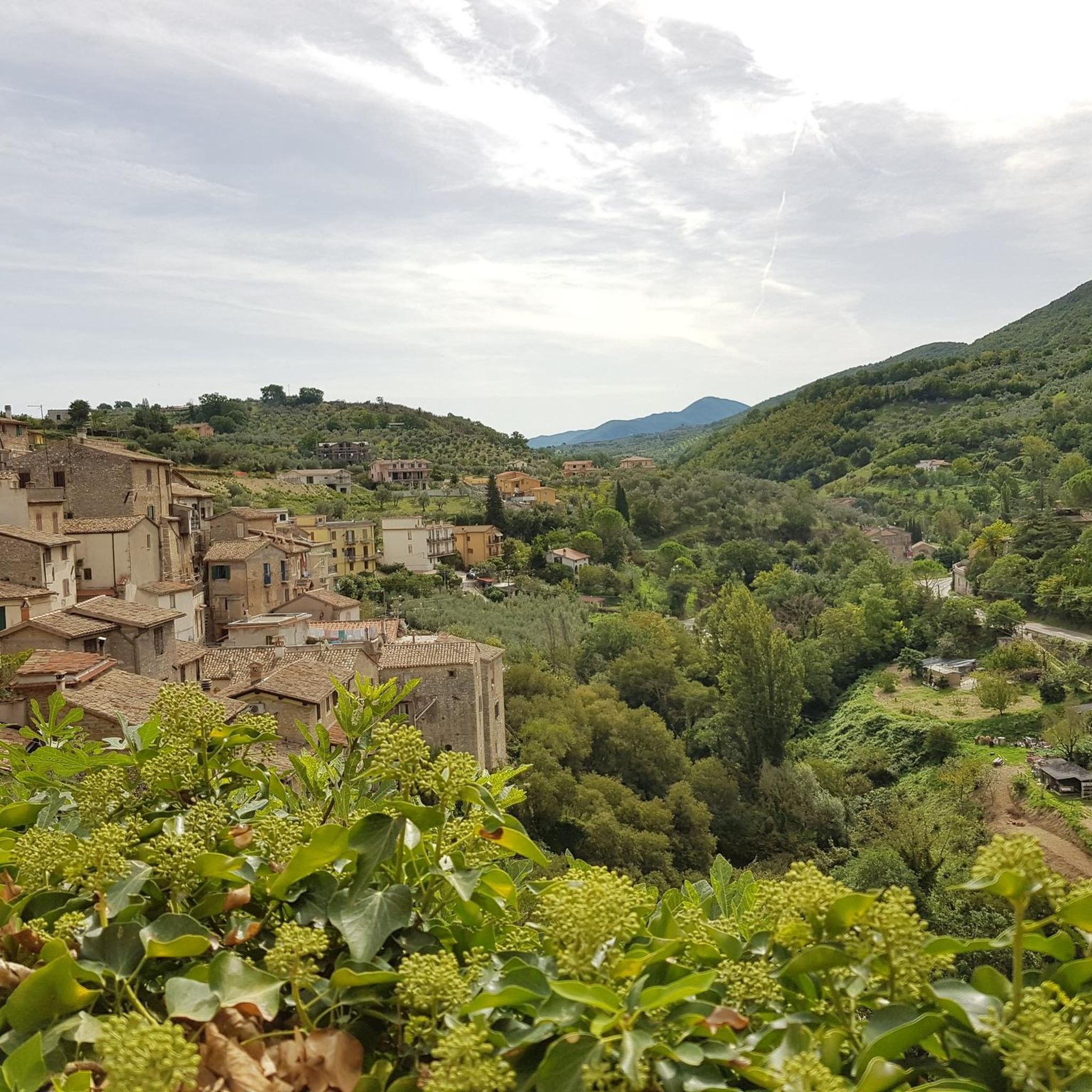

커뮤니티 팁

산 로코 예배당
0
0
보르고 안투니 전망 (가이드 투어는 www.camminandocon.org)
0
0
꼭 방문해야 할 마을
0
0

Traveling along the path of San Benedetto by bike and coming from Rieti, after the climb you find this crossroads. You must take a left for the beautiful village of Rocca Sinibalda.
3
0
It is located just before the bridge that crosses the lake and leads to Castel di Tora
4
0

Enchanting views, intense climbs. A little extra attention is needed due to the uneven asphalt and motorcyclists.
0
0

Beautiful village with an abbey that is worth a visit. From Fara Sabina there is a very long singletrack that is very fun to do only by MTB
0
0

San ROCCO was chosen as the patron saint for this church and the corresponding parish. Saint Roch was born in the middle of the 14th century in Montpellier, France. He is popularly regarded as the "plague saint" - alongside Saint Sebastian. A characteristic feature of Roch's depiction in paintings and as a statue is that he is usually pointing to a plague boil on his leg; a dog can also often be seen at his feet, because according to legend, when he was caring for plague victims, he himself became ill and withdrew into solitude, and the dog provided him with bread every day. The memorial day of San Rocco in the calendar of saints is August 16th.
0
0
포지오 나티보 주변에서 가장 인기 있는 명소


더 살펴보기
다른 지역의 최고의 자전거 경로를 살펴보세요.
