동굴 최고의 러닝 경로
4.5
(6)
358
달리기 하는 사람
35
러닝
동굴에서 하이킹하며 로마 구석 부분까지 살펴볼까요? 동굴에 있는 모든 하이킹 및 워킹 경로 컬렉션 중 가장 멋진 하이킹 경로를 엄선하여 소개해드릴게요. 다른 하이커가 공유한 실제 팁과 사진을 살펴보고 후기를 읽으며 마음에 드는 동굴 워킹 경로를 찾아보세요.
마지막 업데이트: 10월 11, 2026
4.0
(1)
19
달리기 하는 사람
10.1km
01:08
180m
180m
보통 조깅. 좋은 체력 필요. 대부분 포장된 지면. 실력과 관계없이 누구나 갈 수 있음.
17
달리기 하는 사람
9.95km
01:07
260m
260m
보통 조깅. 좋은 체력 필요. 대부분 포장된 지면. 실력과 관계없이 누구나 갈 수 있음.

4.0
(1)
11
달리기 하는 사람
7.79km
00:49
100m
100m
보통 조깅. 좋은 체력 필요. 대부분 포장된 지면. 실력과 관계없이 누구나 갈 수 있음.
8
달리기 하는 사람
18.5km
02:02
330m
330m
어려운 조깅. 우수한 체력 필요. 대부분 포장된 지면. 실력과 관계없이 누구나 갈 수 있음.
5
달리기 하는 사람
8.54km
00:54
80m
80m
보통 조깅. 좋은 체력 필요. 대부분 포장된 지면. 실력과 관계없이 누구나 갈 수 있음.
더 다양한 경로와 다른 탐험가들의 추천을 살펴보세요.
이미 komoot 계정이 있나요?
투어 추천은 다른 사람들이 komoot에서 완료한 수천 개의 활동을 바탕으로 구성되어 있습니다.
오늘 무료 계정으로 시작하세요
다음 모험이 기다리고 있어요.
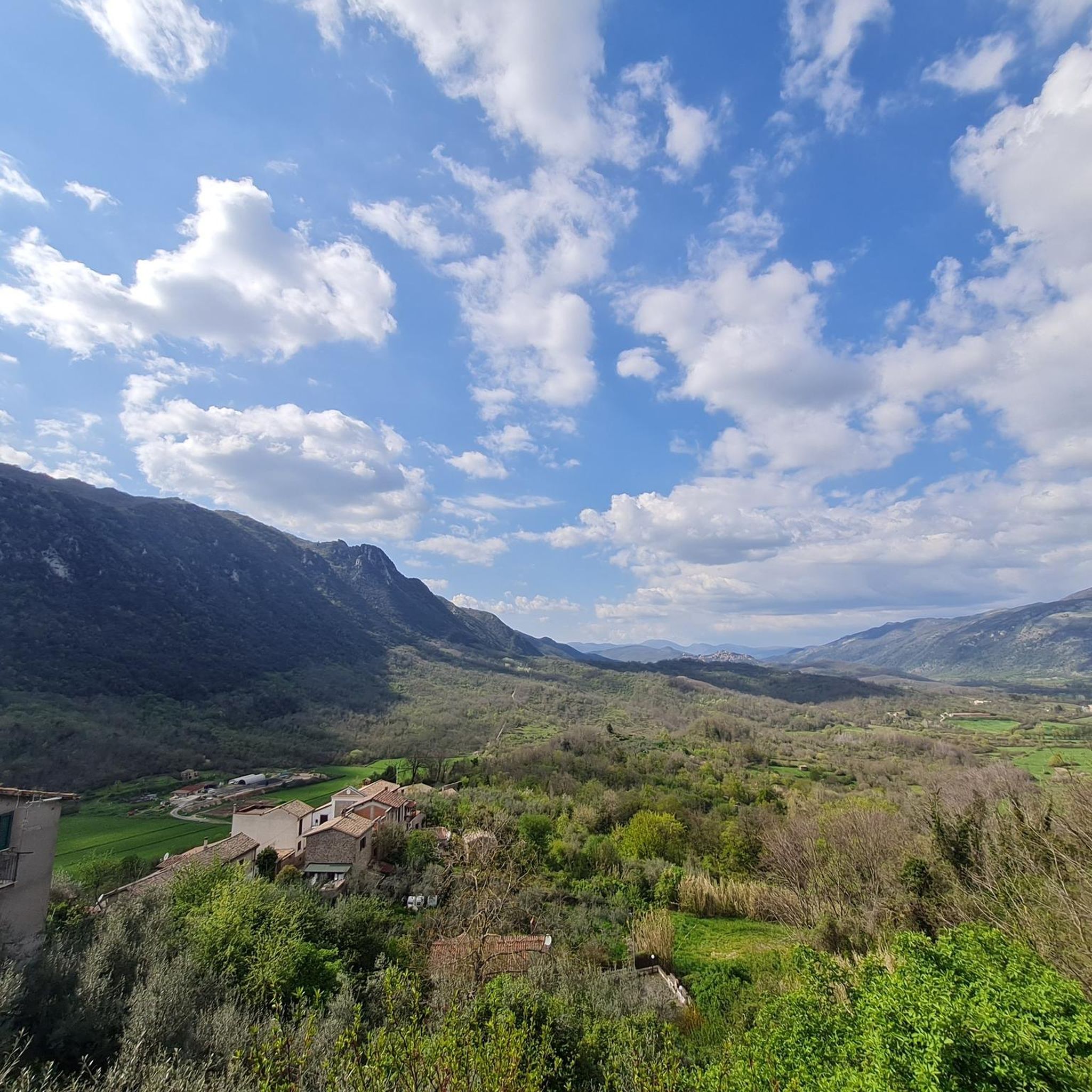
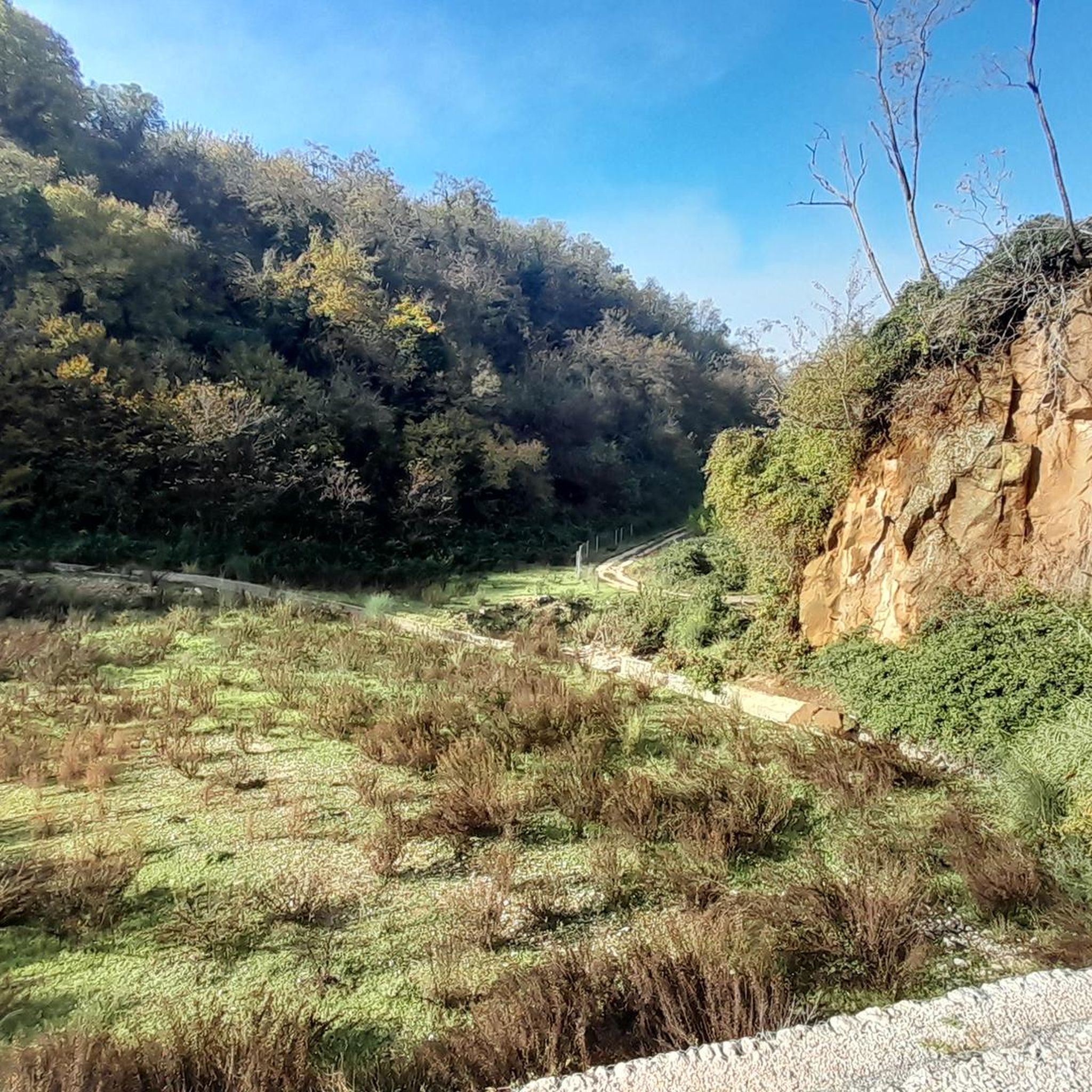
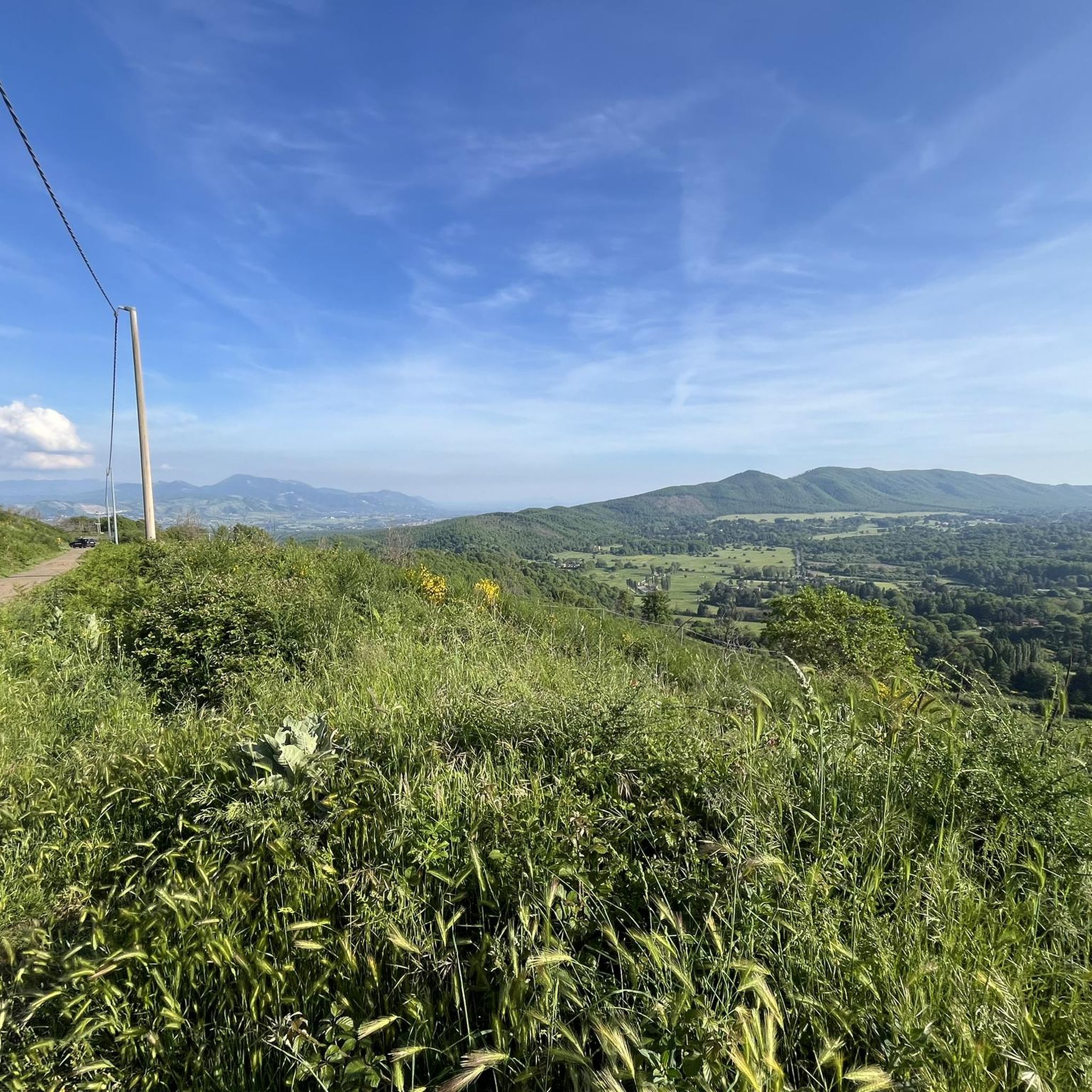
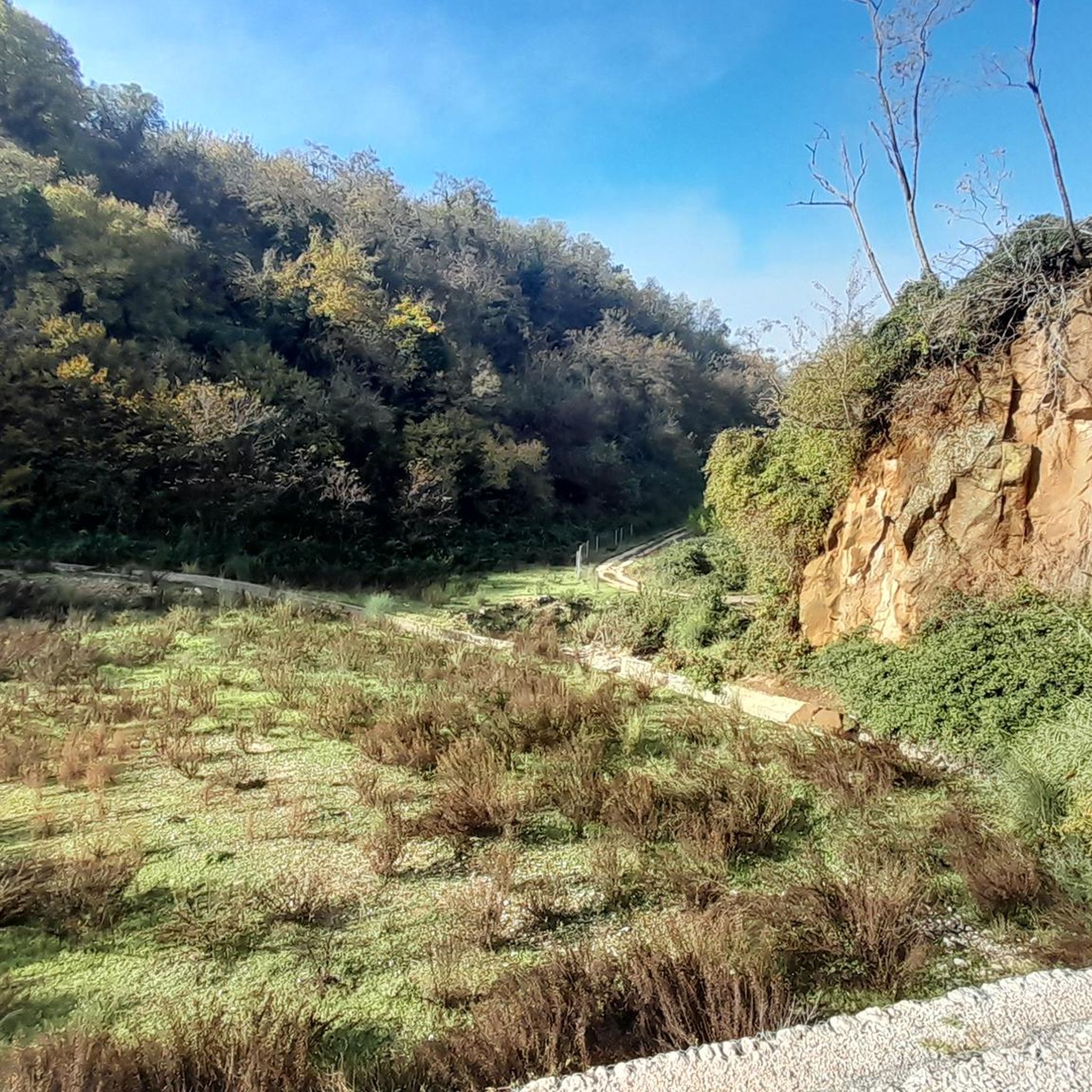

커뮤니티 팁

Genazzano is an Italian town in the province of Rome. This picturesque place offers a mix of medieval history, contemporary art and natural beauty.
1
0

Genazzano is a jewel of the Prenestini mountains. In addition to its architectural beauties from the Colonna era (the castle and Bramante's nymphaeum), it is worth visiting on the first Sunday of July for the Infiorata. On this day the streets of the town are covered with artistic carpets. Just in 2012 Genazzano won the Guinness record for the largest carpet of flower petals in the world!
3
0
Palestrina is one of the most fascinating villages of the Prenestini mountains. It should be noted that the name Prenestina comes from this town which in Latin times was called Praeneste. What is striking about this town are the medieval stone buildings and the perfectly preserved remains of various structures from the Roman and Latin periods. An open-air museum with only 3000 years of history behind it!
0
0

Among the most fascinating monuments of Genazzano there is the "Nymphaeum". At the beginning of the sixteenth century, the Colonna family conceived the idea of creating a garden in the Soglia valley, where they owned directly dominated property and where the Moat flowed, flanking the public road that led from Genazzano to Paliano. In the garden there was a lake and a Nymphaeum. In fact, four steps have been identified that would have articulated the lake into several bodies of water on three levels; the first is located at the height of the Ponticello sul Fossato, upstream of the Nymphaeum, the second and third at the height of the sides of the Nymphaeum, the fourth corresponds to the existing dam south of the Nymphaeum, referred to in documents as Muro Lungo. The actual "Nymphaeum" consists of a casino with a loggia façade of three spans, open towards the small valley and apsidal on the two short sides. Behind the portico a raised room extends in parallel consisting of three rectangular rooms with cross vaults, the walls of which are articulated by circular and rectangular niches, the central room is apsed. On the north side of this room there is an octagonal room that has large niches arranged diagonally, with seats inside them that allowed you to rest while enjoying the shady cool and the jets of water while remaining dry, and a circular water tank at the center. Power had to be guaranteed from a nearby source. On the sides of the central body of the factory there are two square rooms with two respective rooms behind them. (source: http://www.turismoqr.it/genazzano/10.html)
1
1
Genazzano è caratterizzato dalla bellezza del borgo medioevale e dal maestoso Castello Colonna che lo sormonta: è posto ad un altitudine di 375 metri s.l.m., fu abitato fin da epoche remotissime e fin dall’epoca romana, vista la vicinanza con la capitale e la amenità del luogo situato tra i monti Prenestini, tra uliveti, castagneti e vigneti, fu sede di ville e dimore lussuose imperiali e aristocratiche. Una serie abbondante di reperti archeologici è stata infatti rinvenuta lungo il corso dei secoli in varie zone del paese per essere poi riutilizzata, come era consuetudine all’epoca, dai signori Colonna o trasferita, in tempi più recenti, nei musei romani. L’etimologia del nome Genazzano rimane ancora oggi controversa: il primo documento in cui compare il nome del paese risale al 1022 nell’ambito di una donazione familiare per la quale Giovanni di Pietro Domenico e la moglie Francesca vengono chiamati habitatores in Castello, qui appellatur Genazzano. Sono varie e controverse le origini che gli storici negli anni hanno attribuito al toponimo: il Nibby lo riconduce alla gente Genucia, una famiglia romana di origine plebee che, stando a Plutarco e Dionigi di Alicarnasso, al pari di altre nobili famiglie romane, avrebbe posseduto in questo territorio ricco di luoghi di culto, oppida e residenze fastose, una sontuosa villa. Secondo altri studiosi il nome andrebbe ricondotto ai giochi ginnici, “Ginnasio”, che si svolgevano nelle ville romane degli imperatori antonimi, in particolar modo nella villa imperiale di Claudio Tiberio o, per altri, in una villa imperiale appartenuta a Augusto prima e Marco Aurelio poi, da localizzare nelle vicinanze del convento di San Pio. Un’altra ipotesi fa derivare il nome da Jani-Fanum, ovvero un tempio eretto in onore del dio Giano, mai localizzato ma che si crede esistesse pensando allo stemma antico di Genazzano che riportava il dio bifronte. Mentre un’altra ipotesi, meno citata negli scritti sulla storia e la nascita di Genazzano, sostiene che il toponimo venga da Gens Nova, riferendosi ai nuovi abitanti che andarono a vivere nel borgo medioevale alla sua nascita. Infine va citata quella secondo cui il toponimo non sia legato a famiglie illustri o attività particolari che vi si svolgevano bensì alla grande diffusione nell’intera zona della pianta delle ginestre. Lo stemma di Genazzano prende spunto dalla famosa "Disfida di Barletta": uno scudo con corona turrita e rami di alloro, che racchiude tredici triangoli contornati dal motto "L'abbattimento" in memoria dei tredici italiani che nel 1503 parteciparono vittoriosi alla Disfida, tra i qual Giovanni Brancaleone, cittadino genazzanese che con animo grande e valoroso difese l'onore ed il valore degli italiani rappresentando degnamente gli italiani.
1
0
I forgot: birthplace of the very important late Renaissance composer Giovanni Pierluigi da Palestrina (https://it.wikipedia.org/wiki/Giovanni_Pierluigi_da_Palestrina)
2
0
The current urban core of Palestrina rises on the ancient city of Praeneste, of Latin origin, whose fame, in ancient times, was linked to the Sanctuary of Fortuna Primigenia, a place of worship of considerable historical importance. Palestrina is located at 450 meters above sea level. on the slopes of the Prenestini Mountains. It is one of the richest towns in Lazio in historical, artistic and architectural testimonies, starting with the well-known Palazzo Colonna Barberini. Palazzo Colonna Barberini was built in the 11th century in the place where the Sanctuary of Fortuna Primigenia stood, inside it houses the Prenestino Archaeological Museum. Another important monument is the Sanctuary of Fortuna Primigenia of which some sectors remain today. It is one of the most important testimonies of the late Republican age, its origins date back to the 2nd century BC. Together with the museum, this ancient monument is part of the Lazio museum system. Among the religious buildings that enrich the historical heritage of Palestrina we can undoubtedly mention the Basilica-Cathedral of Sant'Agapito martire built between the seventh and eighth centuries and consecrated in 1117. The facade retains the Romanesque tympanum in its upper part, while the portal of marble dates back to 1503. Traces of an ancient sundial from the Roman era can be seen. The interior consists of three naves divided by pillars with side chapels. The church houses significant works of art, including the depiction of the beheading of Sant'Agapito by Carlo Saraceni in the final chapel of the right aisle, the crucifixion with Maria and San Lorenzo by Girolamo Siciolante da Sermoneta inside the Chapel of San Lorenzo and, a small wooden throne depicting the Savior, preserved in the Baptistery. Continuing the visit of Palestrina, we can admire the Church of Santa Rosalia located near the Palazzo Colonna Barberini. This was built by Maffeo Barberini between 1656 and 1660. Another important place of worship is, without doubt, the Church and the convent of San Francesco built in the fifteenth century. The construction of the church began in 1495 while its consecration dates back to 1504. In the 1600s, at the behest of Urban VIII Barberini, work began on the expansion and restoration of the complex. During the visit to the ancient heart of Palestrina, we will also meet the Church of Sant’Antonio Abate and the 17th century Carmelite convent. Furthermore, we can come across the austere and sober Church of Santa Croce and the Monastery of the Poor Clares dating back to 1565 and consecrated in 1570. Finally, a visit deserves the Church of Santa Lucia, whose external appearance is simple, but hides rich inside and suggestive decorations. (source: https://www.lazionascosto.it/borghi-piu-belli-del-lazio/palestrina/)
1
0
동굴 주변에서 가장 인기 있는 명소


더 살펴보기
다른 지역의 최고의 러닝 트레일 & 경로를 살펴보세요.
