산니칸드로 디 바리 최고의 워킹 & 하이킹 경로
4.6
(278)
743
등산객
152
하이킹
정확한 경로를 찾는 것이 때로는 어렵지만 산니칸드로 디 바리에서 하이킹을 하면 다양한 경치를 마음껏 감상할 수 있답니다. 산니칸드로 디 바리에서 가장 멋진 하이킹과 워킹 중에서 마음에 드는 활동을 시작해보세요.
마지막 업데이트: 10월 11, 2026
4.3
(8)
18
등산객
10.6km
02:49
110m
110m
보통 하이킹. 좋은 체력 필요. 실력과 관계없이 누구나 쉽게 갈 수 있는 길.
4.7
(9)
20
등산객
12.0km
03:14
160m
160m
Hike a moderate 7.5-mile loop through the lush Foresta di Mercadante in Parco Nazionale dell'Alta Murgia, featuring ancient oaks and diverse

3.0
(3)
7
등산객
18.7km
04:50
110m
110m
Hike a moderate 11.6-mile loop from Bitetto, exploring the Apulian countryside with olive groves, trulli, and historical sites.
5.0
(5)
9
등산객
9.41km
02:33
130m
130m
보통 하이킹. 좋은 체력 필요. 실력과 관계없이 누구나 쉽게 갈 수 있는 길.
4.8
(6)
15
등산객
7.54km
02:03
100m
100m
보통 하이킹. 좋은 체력 필요. 실력과 관계없이 누구나 쉽게 갈 수 있는 길.
더 다양한 경로와 다른 탐험가들의 추천을 살펴보세요.
이미 komoot 계정이 있나요?
투어 추천은 다른 사람들이 komoot에서 완료한 수천 개의 활동을 바탕으로 구성되어 있습니다.
오늘 무료 계정으로 시작하세요
다음 모험이 기다리고 있어요.

커뮤니티 팁

Beautiful forest walk in an area where there are few other opportunities to walk in the forest. Very quiet.
0
0


Trulli - or trullo when you’re talking about just one dwelling - were initially built to provide temporary field shelters and storehouses. Over time they also became permanent dwellings for agricultural families and labourers of smallholdings. The simple traditional lime whitewash that decorates the trulli’s exterior complements the local geology and pastoral landscapes. To protect against the elements and balance the temperature all year round, the trulli walls are incredibly thick, made up of a double skin filled with rubble. Similarly, the doorways and windows are small. These iconic rural dwellings began appearing as early as the 14th century, and their popularity originated because of a 15th century decree that made urban settlers pay taxes to the crown under feudal rule. If the king’s inspectors came collecting, the villagers could easily demolish these inexpensive buildings into a pile of stones and hide in the forest, and then rebuild them once they’d gone.
0
0
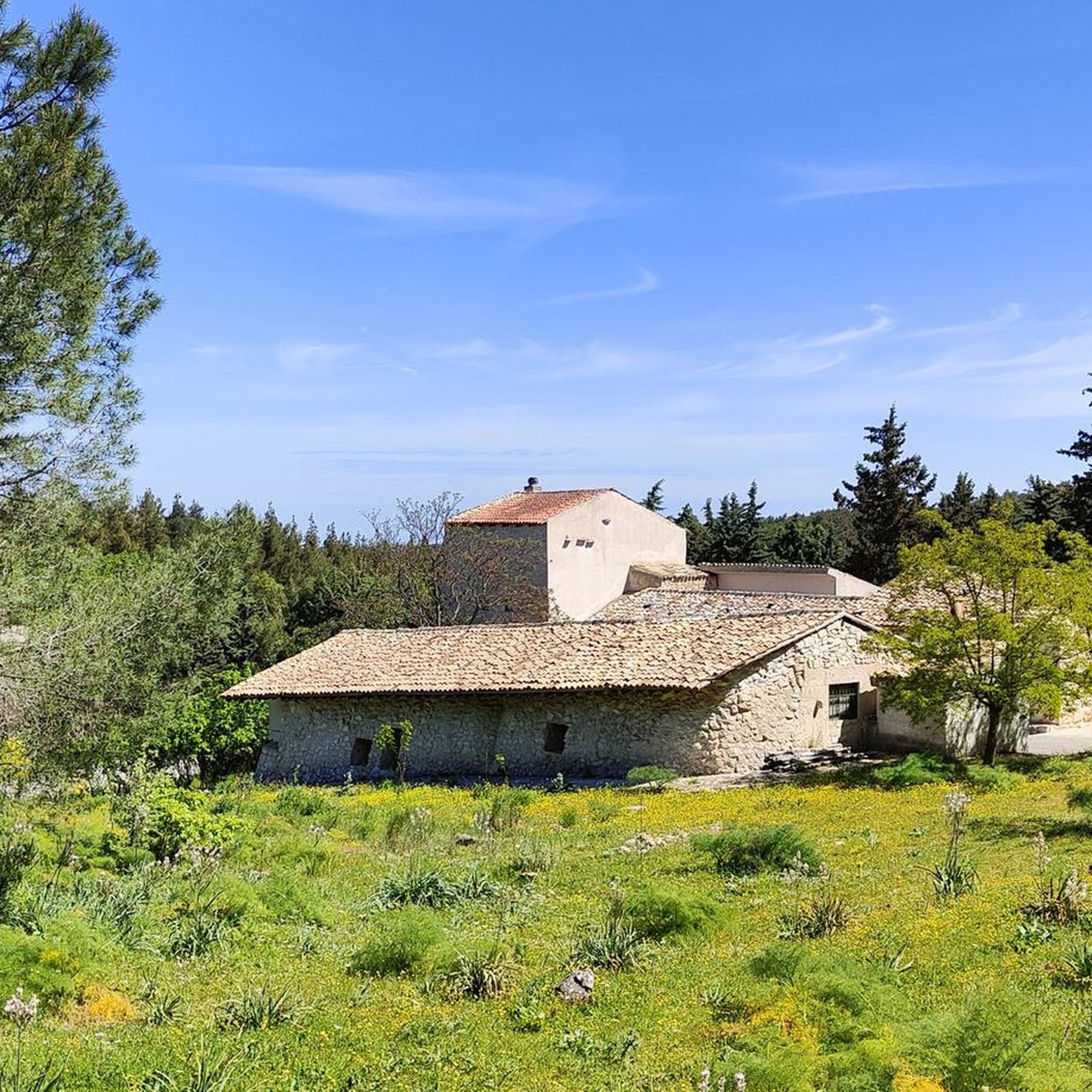
The "Torre del marchese Arcamone" is a fortified two-storey farmhouse whose last phase is certainly from the modern age, which has on the ground floor rooms for stables, warehouses and an oil mill. But what is its history and why is the district called this way? In 1399 the king of Naples, Louis, ceded the barony of Bitetto together with the fief of Ceglie and Bari, for having fought bravely in a war near Taranto, to Marcello Arcamone. Since 1382, during the reign of Charles III, he had come to Puglia with his brother Lionello, who had been given the Lordship of Ceglie. The Arcamone family lived in Bitetto for a long time. In 1407 Pope Martin V transferred Bishop the son of Marcello, Carlo Arcamone, from his seat in Venafro to Bitetto. The farm had many changes of ownership and in 1806, already belonging to the Noja family of Mola, it was confiscated for the abolition of the feudal regime.
0
0
Bitetto ist known for the presence of the remains of Blessed Giacomo , a lay friar who died in the odor of sanctity, whose body has remained intact over the centuries. The main monument of the town, the church of San Michele Arcangelo is one of the purest examples of Apulian Romanesque . The epigraph near the portal reveals that the facade was built in 1335 by Mastro Lillo da Barletta on commission from Bishop Bonocore, who wanted to rebuild the city temple on the site of an older cathedral. Bitetto had in fact been a diocesan seat since the 11th century . Oriented according to ancient custom with the presbytery to the east, the church has a severe façade divided into three parts by pilasters and equipped with a large archivolted rose window . Of the three portals, the central one is characterized by a rich sculptural apparatus: two stone lions, crouched on mighty corbels, support columns with capitals with vegetal motifs that support a lunette with bas-reliefs of Christ and the twelve Apostles. The external jambs instead present scenes from the New Testament. The interior, which was heavily plastered in the eighteenth century and was restored to its original Romanesque style in 1959 , is divided into three naves by triple-order wall partitions, where the double-arched arches are surmounted by false matronei and higher up by single-lancet windows. The transept has three apses according to the stylistic features of Apulian Romanesque. The fourteenth-century body is flanked on both sides by two eighteenth-century chapels, that of Purgatory (on the left) and that of the Blessed Sacrament (on the right). Outside, the bell tower, also dating back to the eighteenth century, rests on the Romanesque façade with a typical gabled structure.
0
0

Equipped area of the Mercadante forest, with fountain, bar and refreshment. Nearby, an enclosure with farm animals.
1
0


Path immersed in the nature of the Mercadante Forest, in the Alta Murgia National Park.
0
0
산니칸드로 디 바리 주변에서 가장 인기 있는 명소


더 살펴보기
다른 지역의 최고의 하이킹를 살펴보세요.
