타블라스 드 다이미엘 최고의 라이딩 경로
5.0
(1)
141
자전거 타는 사람
10
라이딩
타블라스 드 다이미엘 최고의 로드 사이클링 경로를 찾으시나요? 그렇다면 아름다운 만차 자연공원 주변의 라이딩 컬렉션을 아래에서 살펴본 후, 타블라스 드 다이미엘의 여러 가지 모습을 직접 만나보세요.
마지막 업데이트: 9월 11, 2026
89.0km
03:40
300m
300m
보통 도로 자전거 타기. 좋은 체력 필요. 지면 대부분이 잘 포장되어 있고 라이딩하기 쉬움.
11
자전거 타는 사람
48.4km
02:00
190m
190m
보통 도로 자전거 타기. 좋은 체력 필요. 지면 대부분이 잘 포장되어 있고 라이딩하기 쉬움.

87.0km
03:34
240m
240m
Cycle 54.1 miles through La Mancha, passing towns and the unique wetlands of Parque Nacional de las Tablas de Daimiel.
27
자전거 타는 사람
65.7km
03:19
1,090m
1,090m
어려운 도로 자전거 타기. 우수한 체력 필요. 지면 대부분이 잘 포장되어 있고 라이딩하기 쉬움.
5.0
(1)
15
자전거 타는 사람
47.6km
02:01
200m
200m
보통 도로 자전거 타기. 좋은 체력 필요. 투어 중 라이딩하기 어려운 비포장 구간이 있을 수 있음.
더 다양한 경로와 다른 탐험가들의 추천을 살펴보세요.
이미 komoot 계정이 있나요?
투어 추천은 다른 사람들이 komoot에서 완료한 수천 개의 활동을 바탕으로 구성되어 있습니다.
오늘 무료 계정으로 시작하세요
다음 모험이 기다리고 있어요.
타블라스 드 다이미엘 주변 인기 장소
커뮤니티 팁

This municipality is located in the La Mancha region, between the first foothills of the Montes de Toledo and the vast La Mancha plain. It is known for its cultural and natural heritage, including the Ojos del Guadiana site, the source of the Guadiana River. It also shares the Tablas de Daimiel National Park, an important wetland, with the neighboring municipality of Daimiel. Villarrubia de los Ojos has a rich history dating back to the Middle Ages, when control of the territory passed from the Order of Saint John of Jerusalem to the Order of Calatrava after the Battle of Las Navas de Tolosa in 1212. The town also boasts an interesting architectural and cultural heritage, including the Hermitage of San Cristóbal and the "San Isidro Labrador" Ethnographic Museum.
15
0
Villarrubia de los Ojos is a charming place to visit! Historic Center: Stroll through its streets and discover the traditional architecture and history of the town. San Isidro Labrador Ethnographic Museum: Learn more about local culture and traditions. Tablas de Daimiel National Park: Just 20 km away, this wetland is perfect for nature lovers. Sanctuary of the Virgin of the Sierra: A place of great religious and cultural significance.
18
0
The parish was built in the 17th century and is the most famous building in Fuente el Fresno. It is built on the side of the mountain and has a double function: religious and defensive. The temple is mainly made of masonry, although some corners of the façade have been reinforced with brick. Inside the temple, you can find the image of Santa Quiteria and a baroque main altarpiece. In addition, it houses crosses of military orders, reflecting its history and relevance in the community. I hope this information is useful to you!😊
19
0

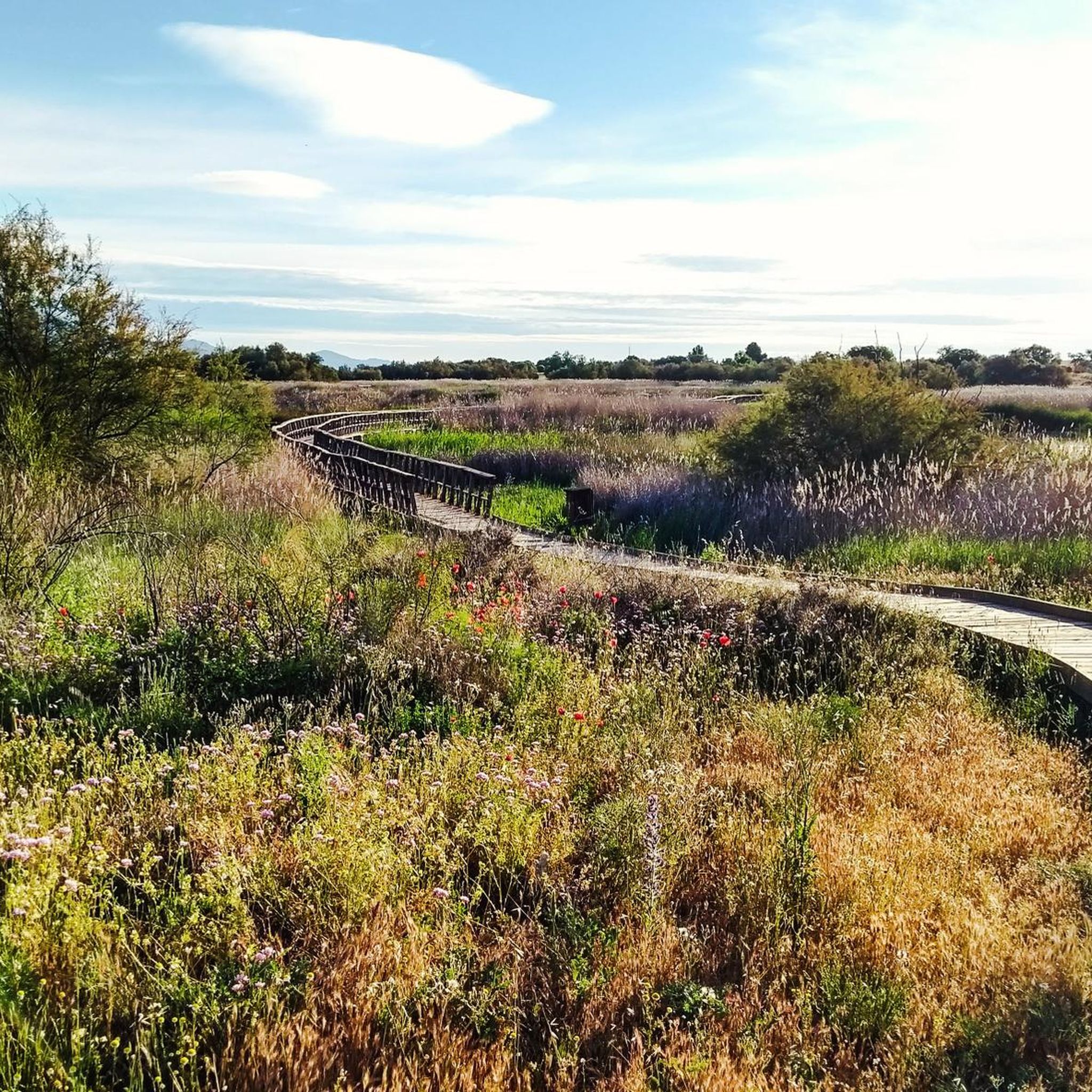
Very beautiful wooden walkways provide impressive insights into the flora and fauna of the wetland.
8
2
From the 15th and 16th centuries. It is a large building, as corresponds to the style of buildings located next to important roads. It has a three-nave plan, apse and central pilasters.
29
0
The original church was built between the 15th and 16th centuries. Located near the Camino Real de la Plata and behind the missing Castle, it was the only parish in Malagón until 1962, the year in which a new parish was erected with the name of Santa Teresa de Jesús. The current church preserves its original layout: three-nave floor plan, apse and central pilasters. The dome that tops the transept has been replaced by a modern lantern that illuminates the transept and the presbytery.
32
0
The name Fuente el Fresno comes from a fountain located on a hillside above the old Roman road that links Toledo with Córdoba. Houses have been built along its route since an undetermined date. Its 17th century Parish Church of Santa Quiteria stands out as a place of interest. Declared a Historic-Artistic Monument in 1991.
8
0
Located at the entrance to the National Park, the “Molino de Molemocho” Visitor Center is an old hydraulic mill, like so many others that once served, taking advantage of the abundant flow of water, to grind grain. The mill is accessed through a pleasant walk of about 400 meters in length, along a boardwalk whose beginning is in the parking lot set up for this purpose. This mill is mentioned in the Topographical Relations of Philip II, in the year 1575. The Molemocho Mill has been recently restored, and inside it offers us an ethnographic exhibition of the different hydraulic elements that were part of the facilities of a mill. .
3
0
타블라스 드 다이미엘에서 가장 인기 있는 명소


더 살펴보기
다른 지역의 최고의 로드 사이클링 경로를 살펴보세요.
