뮐렌 아이히센 최고의 사이클링 경로
4.5
(1181)
4,934
자전거 타는 사람
14
라이딩
뮐렌 아이히센 최고의 사이클링 경로를 찾으시나요? 뮐렌 아이히센에서 가장 멋진 자전거 라이딩 장소를 살펴본 후에 바로 떠나보세요. 여기서 마음에 드는 경로만 고르시면 돼요!
마지막 업데이트: 10월 10, 2026
5.0
(1)
16
자전거 타는 사람
36.0km
02:07
140m
140m
보통 자전거 타기. 좋은 체력 필요. 대부분 포장된 지면. 실력과 관계없이 누구나 갈 수 있음.
4.0
(1)
12
자전거 타는 사람
28.2km
02:02
130m
130m
보통 자전거 타기. 좋은 체력 필요. 대부분 포장된 지면. 실력과 관계없이 누구나 갈 수 있음.

4.0
(3)
14
자전거 타는 사람
18.0km
01:03
60m
60m
초급용 자전거 라이딩. 모든 체력 수준에 적합. 대부분 포장된 지면. 실력과 관계없이 누구나 갈 수 있음.
5.0
(1)
7
자전거 타는 사람
37.4km
02:13
180m
180m
보통 자전거 타기. 좋은 체력 필요. 대부분 포장된 지면. 실력과 관계없이 누구나 갈 수 있음.
5.0
(2)
10
자전거 타는 사람
12.1km
00:42
50m
50m
초급용 자전거 라이딩. 모든 체력 수준에 적합. 대부분 포장된 지면. 실력과 관계없이 누구나 갈 수 있음.
더 다양한 경로와 다른 탐험가들의 추천을 살펴보세요.
이미 komoot 계정이 있나요?
투어 추천은 다른 사람들이 komoot에서 완료한 수천 개의 활동을 바탕으로 구성되어 있습니다.
오늘 무료 계정으로 시작하세요
다음 모험이 기다리고 있어요.
뮐렌 아이히센 주변 인기 장소
커뮤니티 팁

3개의 본당으로 이루어진 벽돌 교회, 핵심은 1200-1230년경. 낮은 서쪽 탑. 내부에 볼 만한 청동 세례반.
0
0

오늘날의 묄렌 아이크센(Mühlen Eichsen)은 처음 언급될 당시 몰네크센(Molnecsen)이라는 이름으로 불렸으며, 단지 하나의 방앗간 농장이었습니다. 1639년 아돌프 프리드리히 1세 공작은 이 영지를 가데부슈의 행정관 훈트(Hundt)에게 팔았습니다. 1680년부터 1781년까지는 폰 슈바르츠(von Schwartz) 가문이 이곳에 거주했으며, 그 뒤를 이어 폰 티넨(von Thienen) 가문, 1791년부터는 폰 쾨네만(von Könemann) 가문, 1817년부터는 폰 레어스(von Leers) 가문이 거주했습니다. 이들은 19세기 중반에 당시 매우 전형적이었던 신 고딕 양식의 첨두 아치형 창문이 있는 영주관을 건축하게 했습니다. 1930년대에는 이 영지가 분할되었습니다. 1945년 이후 영주관은 지방 자치 단체의 목적과 주거용 건물로 사용되었습니다. 1989년 이후 부분적으로 개조되어 이후 지방 자치 단체에서 사용했습니다. 2006년 3월 노르트베스트메클렌부르크의 정신 질환 및 장애인 지원 협회가 이곳에 사회 치료 시설을 열었습니다. 영주관은 잘 관리된 공원으로 둘러싸여 있습니다. 바로 근처에는 13세기에 지어진 교회가 있습니다. 옛날의 수차 방앗간은 오늘날 순수한 주택이며, 방앗간 기술은 보존되지 않았습니다. Mühlen Eichsen 남쪽에는 화장묘지가 있습니다. 기원전 600년경부터 기원후 100년까지 약 5,000번의 매장이 이곳에서 이루어졌습니다.
0
0

Not only interesting for railway enthusiasts
1
0

There is a sculpture here that shows a so-called coin striker.
1
0

The Gadebusch church was built around 1225, at the same time as the Vietlübber church, by Duchess Agnes of Mecklenburg and Queen of Sweden, with the oldest sections dating back to 1215. No other Mecklenburg town church exhibits as much "Romanesque" style as the Gadebusch church. The western chapel dates from 1445. The bronze fifth, the wooden baptismal vestment from 1659, the pulpit from 1697, remains of choir stalls from before 1461, limestone gravestones with brass inlays of the deceased, and valuable paintings of sacred themes – these are just a few of the numerous furnishings of this church, which has been extensively restored since 1955.
0
0

The historic Gadebusch station opened on October 12, 1897, and is a remarkable testament to Mecklenburg's railway history. It was built on the Schwerin–Rehna railway line, operated by the Grand Ducal Mecklenburg Friedrich-Franz Railway. The listed building impresses with its elaborate architecture, featuring a half-timbered upper story and a striking turret. After years of vacancy and impending decay, the station was sold and extensively renovated in 2009. Since May 2012, it has housed the "Station Burgsee" restaurant and has been transformed into a lovingly designed adventure station. A special highlight for visitors—especially those on bike tours—are the two historic sleeping cars on site: a former GDR government train from 1968 with six sleeping compartments, and a faithfully restored Orient Express car from 1941. Both can now be booked as exceptional overnight accommodations. Anyone taking a cycling tour through West Mecklenburg should definitely plan a cultural detour to Gadebusch station – whether for a coffee break in a historic setting or a special overnight stay with railway flair.
1
0

On July 2, 2011, the Münzschlägerbrunnen was ceremoniously unveiled on the north-east side of the Gadebusch town hall. The fountain and its figure (a naked, muscular man) are made of bronze and reach a height of 210 cm with the 80 cm high granite base. It illustrates the history of the city, which had a mint in the Middle Ages (1542 to 1624), in a slightly exaggerated depiction. The work of art, which was inaugurated on the occasion of the 2011 coin festival, was donated to the city by the Sparkasse Foundation and the Schotte family from Gadebusch. The family had commissioned the sculptor Wolfgang Knorr to create it. Description: “65 copies of original coins stored in the Schwerin coin cabinet adorn the base.” The person who came up with the idea, Gerhard Schotte, was allowed to make silicone impressions of the coins for the work of art in the coin cabinet. Each coin reproduced here refers to people from contemporary history such as Albrecht the Fair (1542), Johann Albrecht I or Adolf Friedrich I, Duke of Mecklenburg. The man with the strong arm checks the embossed image again before striking and lifts the stamp again. - Knorr has designed a small wing on the left shoulder blade of the striker, placing his depiction somewhat in the mythical realm. In 2016, visitors to the city were able to purchase a re-stamping of the 1549 coin, which is considered a Reformation thaler. The suggestion came from the city church's support association, which also received the proceeds. https://de.wikipedia.org/wiki/Gadebusch
2
0

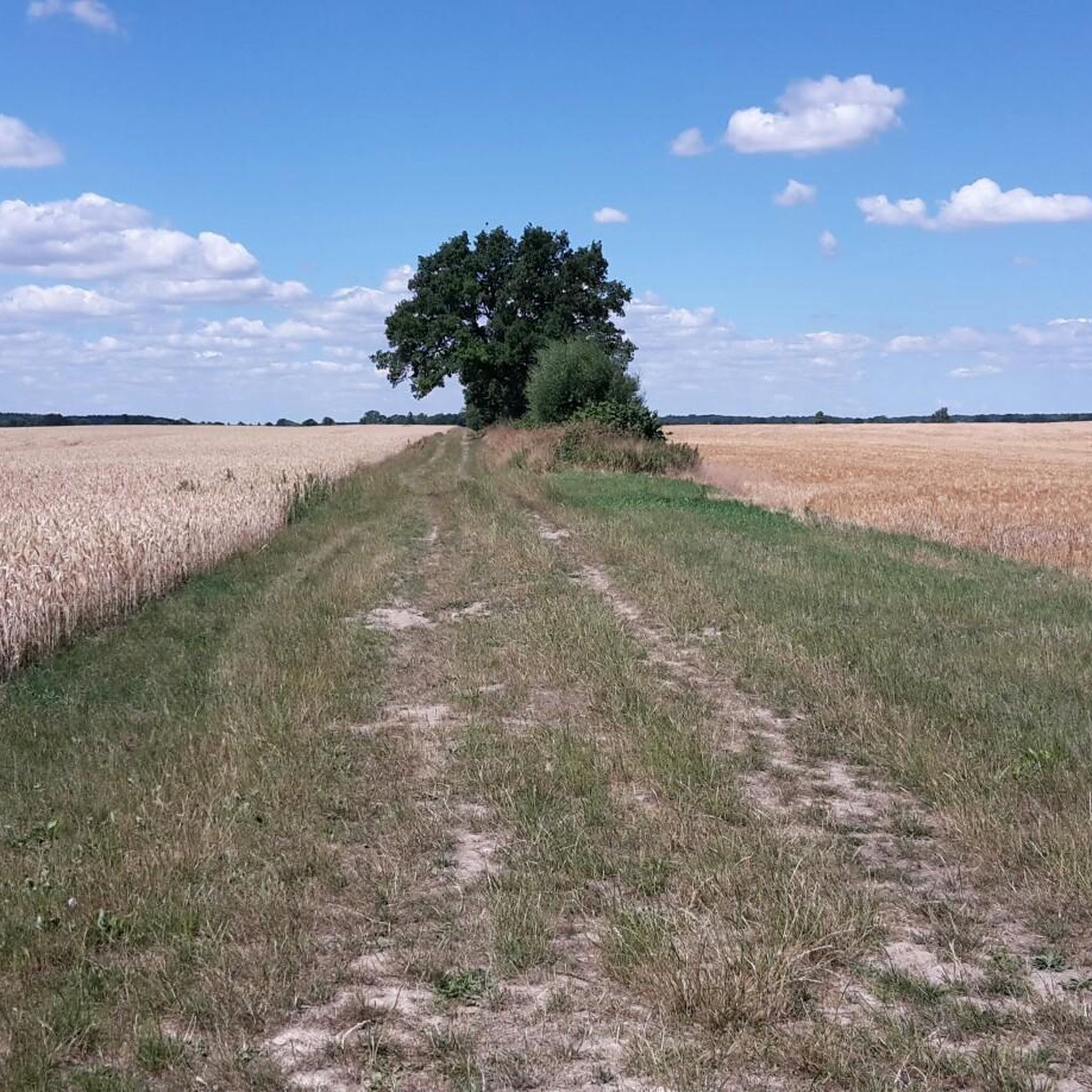
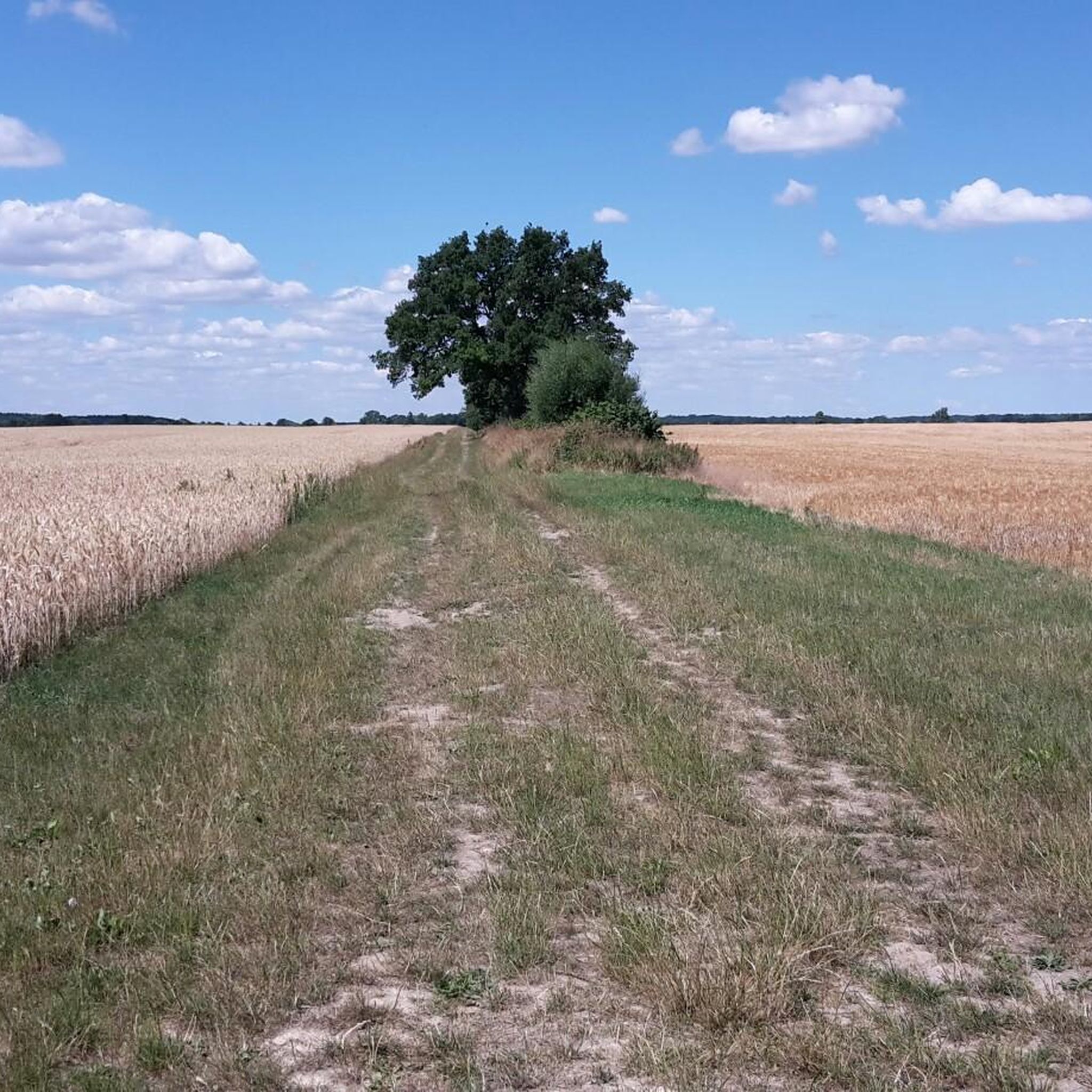
Quiet, low-traffic and very scenic country road!
0
0
뮐렌 아이히센 주변에서 가장 인기 있는 명소


더 살펴보기
다른 지역의 최고의 자전거 경로를 살펴보세요.
