스타우지 기거왈드에는 둘러볼 만한 장소가 많답니다. 하이킹 또는 사이클링을 좋아한다면 스타우지 기거왈드에 숨겨진 8
가지 보석을 만날 수 있을 거예요. 이 지역의 주요 명소를 살펴보면서 다음 모험을 계획해보세요.
마지막 업데이트: 5월 26, 2026
하이라이트 • 역사적 장소
번역자 Google •
팁에 의해
이런 장소를 발견하려면 지금 가입하세요
최고의 싱글 트랙, 봉우리 및 다양한 흥미로운 야외 장소에 대한 추천을 받아보세요.
무료 회원 가입
하이라이트 (구간) • 호수
번역자 Google •
팁에 의해
하이라이트 • 기념물
번역자 Google •
팁에 의해
하이라이트 (구간) • 호수
번역자 Google •
팁에 의해
무료로 가입하여 스타우지 기거왈드 주변의 더 많은 명소를 발견하세요.
무료 회원 가입
이미 komoot 계정이 있나요?
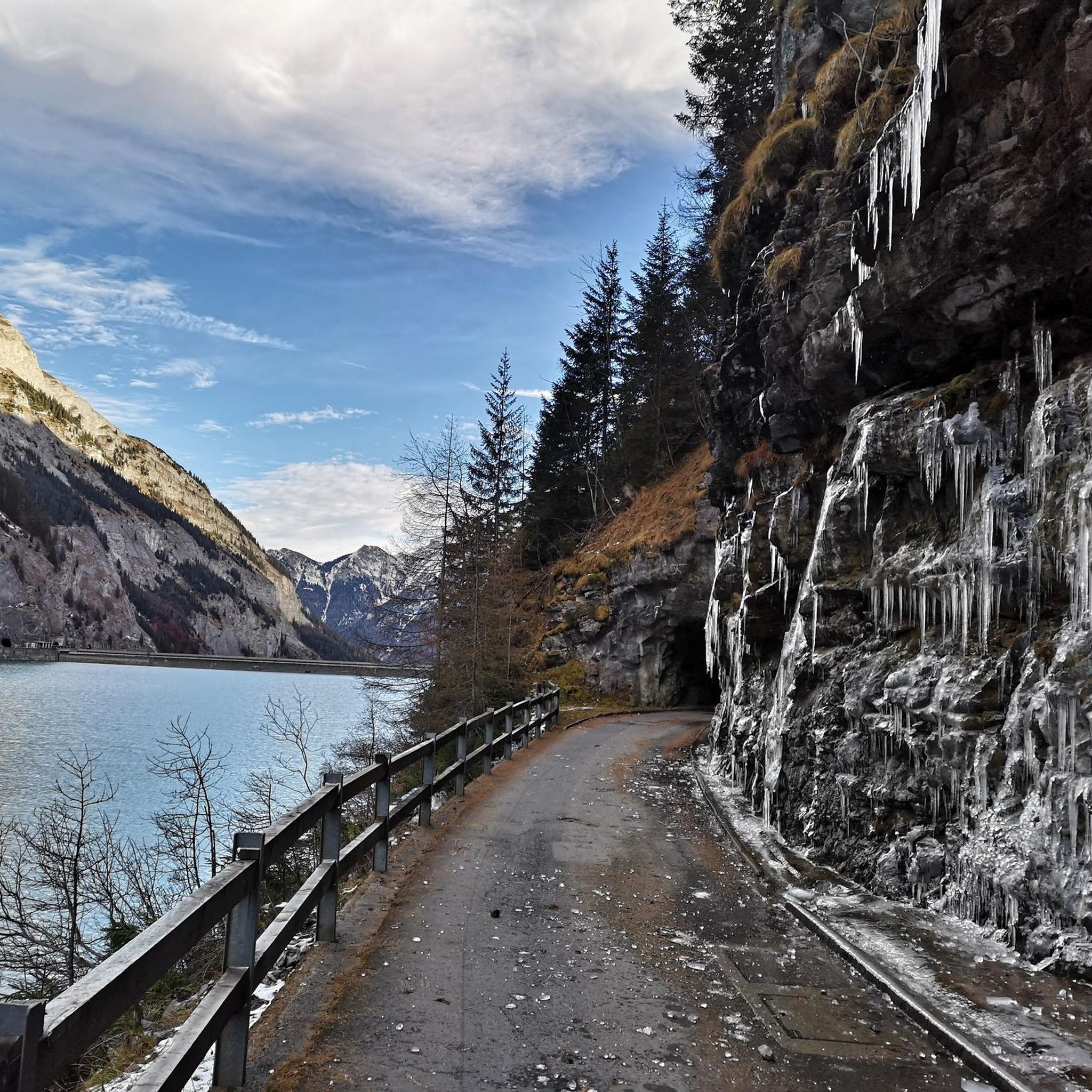
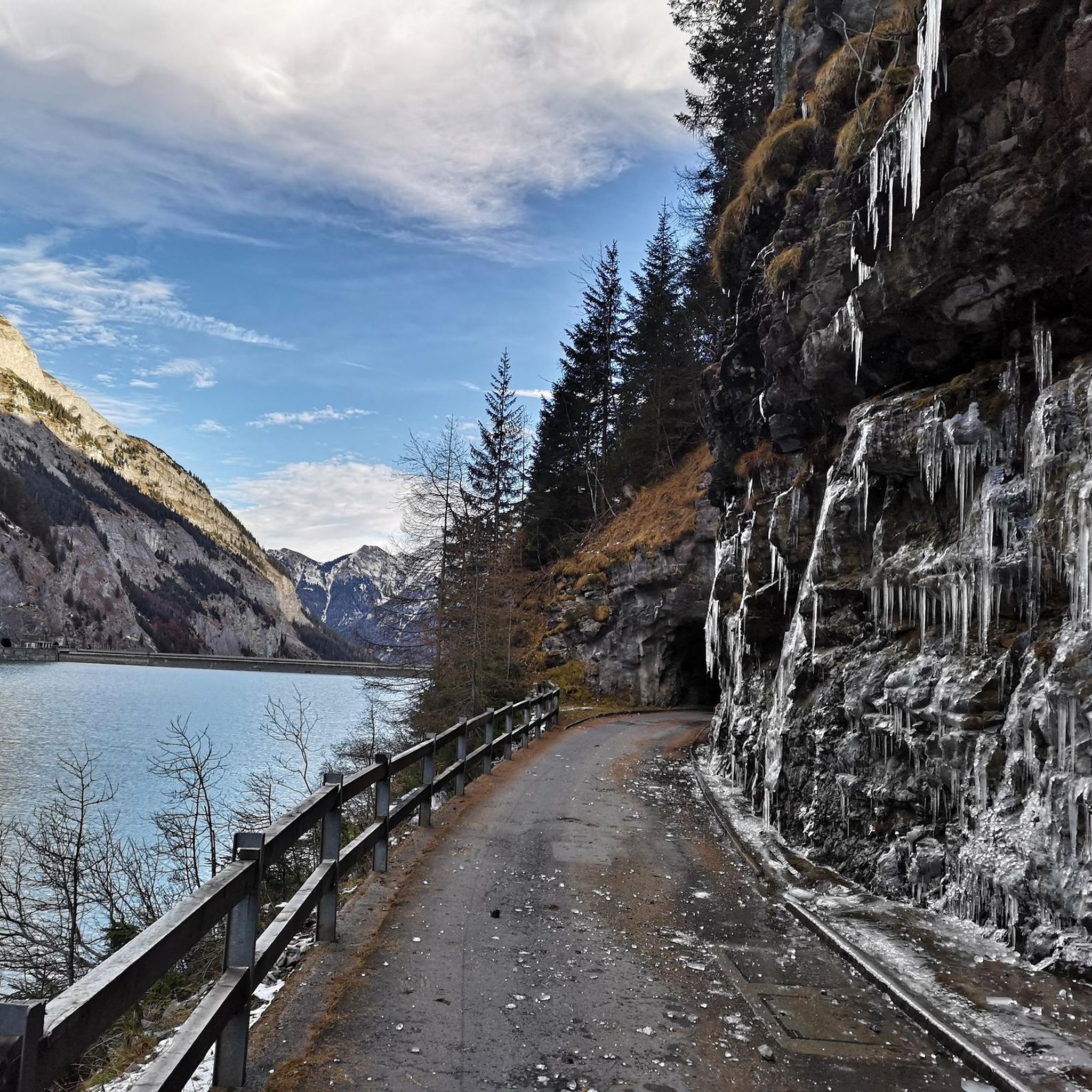
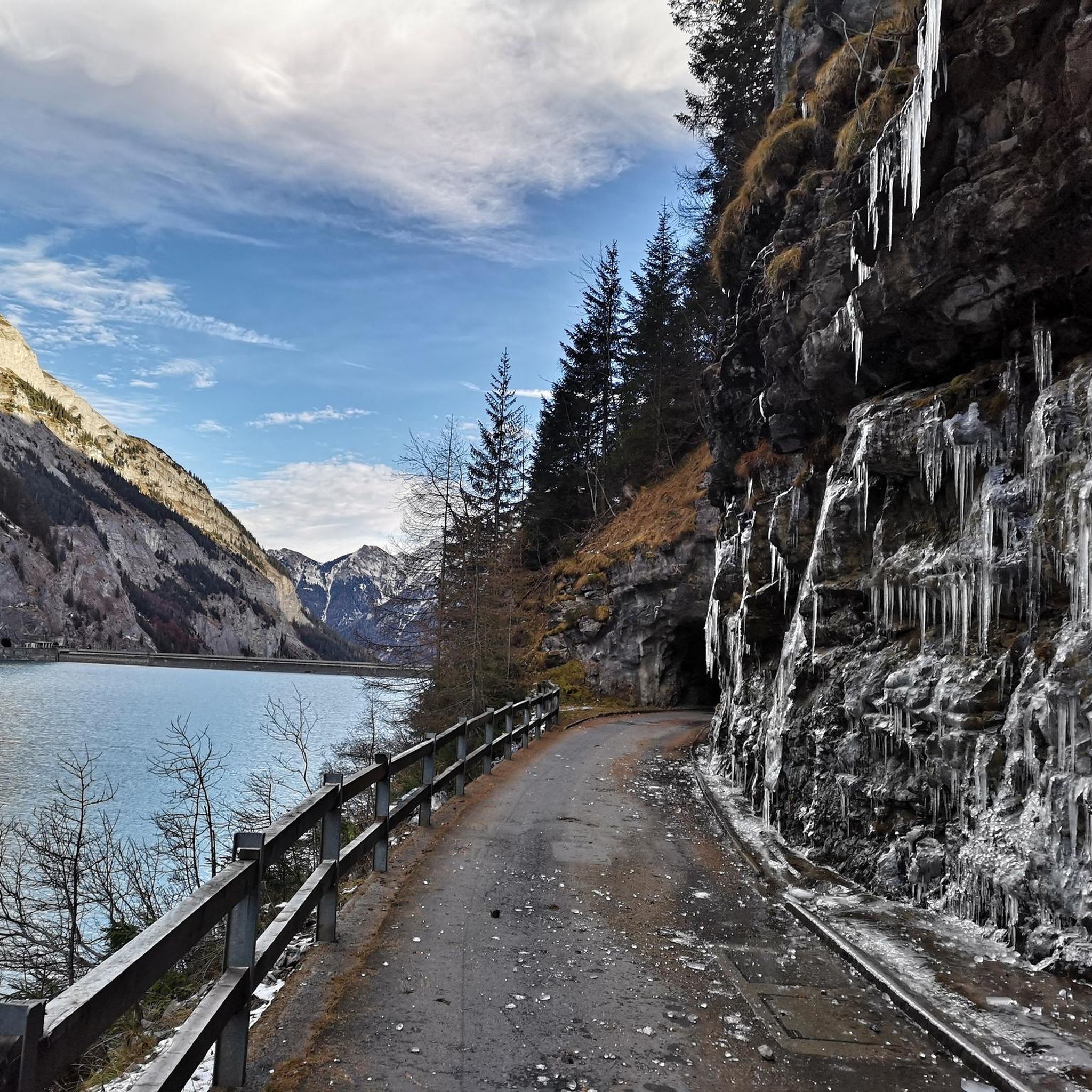
Gigerwaldsee, Calfeisental The Gigerwaldsee is located in the Calfeisental and lies above Vättis in the municipality of Pfäfers in the canton of St. Gallen. The elongated Gigerwald reservoir, which is enclosed between rock walls, is located at an altitude of 1335 meters above sea level, is around three kilometers long and 135 meters deep at its deepest point. The lake is fed by the Tamina, the Tellerbach, the Hochbach and other smaller mountain streams. The Tamina flows out of the Gigerwaldsee. The Gigerwaldsee is the largest lake located exclusively in the canton of St. Gallen. At the very back, at the western end of the lake, is the old Walser settlement of St. Martin. A partially tunneled road leads to the hamlet on the southern shore of the Gigerwaldsee. In the summer months there is an inn in St. Martin that offers food, drink and accommodation. Text / Source: schweizersee.ch https://www.schweizersee.ch/gigerwaldsee/
10
0
Gigerwald Dam, Calfeisental Since 1976, the Tamina has been dammed with an arched dam to form the Gigerwaldsee. The dam is 147 meters high. The reservoir is operated by Kraftwerke Sarganserland AG, which is majority owned by Axpo. Text / Source: schweizersee.ch https://www.schweizersee.ch/gigerwaldsee/
11
0
Walser settlement St. Martin, Calfeisental St. Martin - the former Walser settlement - the charm and romance of this village alone are worth a visit. There are small wooden houses to discover, a water mill, the church and a restaurant with fresh bread from the wood-fired oven From around 1300 to 1652, the wild Calfeisental west of Vättis was inhabited by free Walsers all year round. The Walsers, who originally came from the Obergoms area in Valais, may have immigrated from their farms in Bargis, above Flims, via the Trinser Furgga. The Sutter family were the last year-round residents to leave the Calfeisental in the direction of Vättis. German field names that remind us of their settlement remain in the Calfeisental: Rathausboden, Ammansboden, Ebni, Egg, Friedhöfli and Chilchli. The main witness to the Free Walsers is their little church of St. Martin, which was built around 1312 according to dendrochronological research. St. Martin was the religious centre not only of the Walsers in the Calfeisental, but also of their fellow people in the Weisstannental and probably of other Walser farms in the wider area, for example on the Vättnerberg. The fact that the Walsers are emigrated Valaisans is clearly evident in old documents, but is also evident in the Walser language and culture. In the Walser church of St. Martin, the figure of the "Madonna and Child" and the cross of Christ date from the time of the Walser immigration. Opposite the church is the two-storey Walser house, the year 1588 of which is still legible. Scattered throughout the Calfeisental, especially on the sunny side, there are countless "hostetes": depressions in the ground that indicate earlier buildings. The only two Walser buildings still standing in the Calfeisental are in St. Martin. The little church is owned by the Catholic parish of Vättis. It is still used for church services. Access: from the dam only every hour for 20 minutes. A visit is worthwhile - time has stood still here and you feel like you are in an open-air museum. Walser settlement St. Martin Text / Source: Municipality of Pfäfers, Hintergasse 4, 7312 Pfäfers https://www.pfaefers.ch/sehenswuerdigkeiten/10205
12
0
Sankt Martinskirchli, St. Martin, Calfeisental 1312 Construction of the little church Saint Martin, Bishop of Tours, has always been popular as a saint among the Walser people The Martinsalp (Brändlisberg) was first mentioned as a church property in 1472 1652 The eternal light was extinguished in the church. Since then, the priest of Vättis has been saying some masses in the little church during the summer. Even today - as in ancient times - on the Sunday after St. Jakob (July 25th) there is the parish fair in St. Martin with mass, music and subsequent Chilbi. Sunday is called “Jakobi – Sunntig” In 1858 the chapel was united with the Vättis parish A thorough restoration began in 1955. The little church was then placed under monument protection. The current altar dates from 1709. At the altar are the statues of St. Martin with child and St. Pirmin, founder of Pfäfers Monastery. They are all replicas, the originals are in the museum in Vättis. Text / Source: Support Association, "Pro Walsersiedlung St.Martin and Calfeisental", Taminastrasse 16, 7310 Bad Ragaz https://www.sanktmartin.online/geschichte
10
0
The moment when you get up there is breathtaking! I'm not sure what I've seen more impressive than that. The water is sparkling blue, the small waterfalls that tumble in from the rock walls and the mini road on which the SUV driver already has problems with narrow tunnels. Just WOW!
1
0
Beautiful region for biking and hiking
0
0
Very nice to drive along the Gigerwald reservoir
0
0
찾고 있는 하이라이트를 아직 못 찾으셨나요? 다른 지역의 주요 명소 가이드를 확인해보세요: