20의 코를로 호수가지 명소 & 주요 장소
코를로 호수에는 둘러볼 만한 장소가 많답니다. 하이킹 또는 사이클링을 좋아한다면 코를로 호수에 숨겨진 20
가지 보석을 만날 수 있을 거예요. 이 지역의 주요 명소를 살펴보면서 다음 모험을 계획해보세요.
마지막 업데이트: 8월 29, 2026


이런 장소를 발견하려면 지금 가입하세요
최고의 싱글 트랙, 봉우리 및 다양한 흥미로운 야외 장소에 대한 추천을 받아보세요.
무료 회원 가입


콘트라다 레 코스테의 폐허
하이라이트 • 역사적 장소
번역자 Google •
팁에 의해

무료로 가입하여 코를로 호수 주변의 더 많은 명소를 발견하세요.
무료 회원 가입
이미 komoot 계정이 있나요?
오늘 무료 계정으로 시작하세요
다음 모험이 기다리고 있어요.
로그인 또는 가입하기

커뮤니티 팁


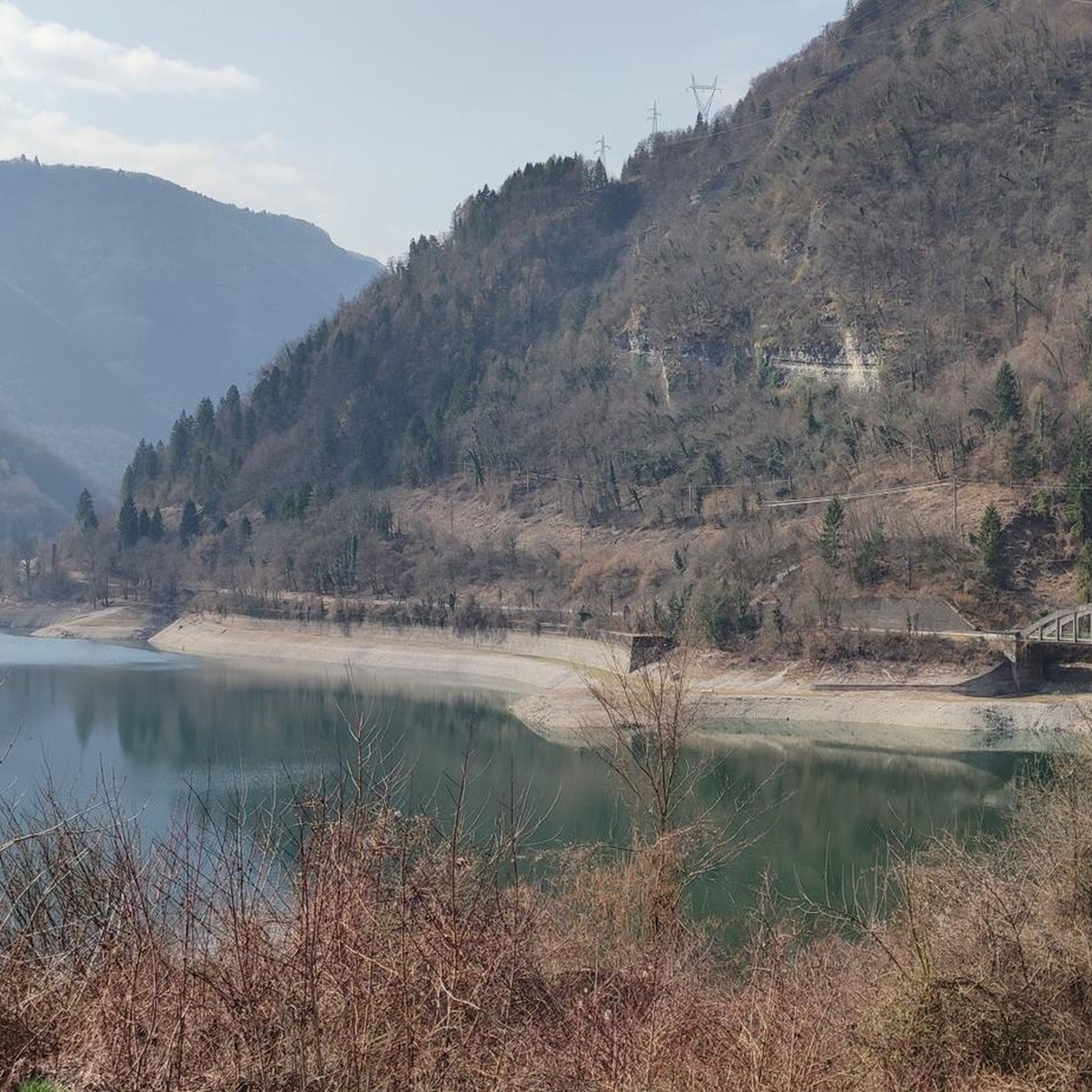
The Corlo lake dam blocks the Cismon stream which flows towards the Brenta river.
0
0


This ancient ruined building stands on the left bank of Lake Corlo. It is difficult to imagine what it was used for, but it is a fascinating spot along the artificial lake, which owes its name to the village of Corlo, which is still located near the dam.
1
0

Dam immersed in the narrow gorge of the Cismon torrent, completed in 1953. Crossable, cycle/pedestrian. Pleasant walk with a view and the peculiarity of ending right inside a small tunnel in the rock, which then connects to the road to Corlo, very steep!
3
0

The Corlo dam (which takes its name from the village above) was built in the years 1951-53 to dam the Cismon stream and form the artificial lake, for hydroelectric use. The area occupied today by the basin was once known as the 'Ligònt plain': a fertile area, almost entirely cultivated with corn cobs and tobacco, with several inhabited hamlets. With the construction of the dam, many towns were forcibly abandoned, demolished and submerged; others, on the eastern side, found themselves isolated from the world and soon depopulated too. This civil engineering work amazes for its dizzying height of 71m, for the construction expertise thanks to which it slips into the mountain and for the view of the very narrow Cismon canyon. The crown of the dam can also be explored by car: after the tunnel, a very narrow and winding asphalt road ends in Contrà Corlo. When the bulkheads are raised, the power of the waterfall coming down the discharge chute is impressive and spectacular! https://it.wikipedia.org/wiki/Lago_del_Corlo
1
0
Contrada Le Coste, abandoned in the middle of the woods, completely ruined and engulfed by vegetation: this slope was once inhabited and cultivated with great care and effort. The construction of the artificial lake was likely the final blow, isolating it and making it uninhabitable, forcing its inhabitants to emigrate. A desolate and fascinating place, evocative and melancholic, that now seems so inaccessible; but that was once teeming with life. The pragmatic craftsmanship with which these multi-story houses, with stone walls and wooden balconies, were built is admirable.
1
0
Lake Corlo is crossed by 3 bridges close together, at the Rocca d'Arsiè bottleneck: the Polo Bridge, the Bassane Bridge and the Vittoria Bridge. The Ponte della Vittoria (also called Ponte delle Corde) is the southernmost bridge, as well as the most evocative and characteristic: cycle-pedestrian, with a maximum capacity of 12 people (as per the sign), and consists of a wooden walkway supported by ropes metal, fixed to stone towers; although it is absolutely safe, you feel a wobble at every step and under your feet, between the cracks in the boards, you can glimpse emptiness and water! Crossing it, some might suffer from dizziness... It was built in 1928, before the artificial lake was created, to replace an old, much lower bridge, often submerged by the floods of the Cismon torrent; dedicated to the victory of the First World War.
1
0
코를로 호수 주변에서 가장 인기 있는 명소


더 살펴보기
찾고 있는 하이라이트를 아직 못 찾으셨나요? 다른 지역의 주요 명소 가이드를 확인해보세요:
