대합 주변 최고의 교통량 없는 자전거 라이딩 코스
4.8
(36)
408
자전거 타는 사람
40
라이딩
Clam 주변의 교통 없는 로드 사이클링 코스는 완만한 구릉과 탁 트인 시골 풍경을 특징으로 하며, 로드 바이크에 적합한 포장 도로를 제공합니다. 이 지역은 작은 마을과 역사적인 명소를 연결하는 조용한 도로망을 갖추고 있습니다. 고도는 일반적으로 완만하며 눈에 띄는 산길이 없어 다양한 체력 수준의 사람들이 접근하기 좋습니다.
Clam 주변 최고의 교통 없는 로드 사이클링 코스
- Clam 주변에서 가장 인기 있는 교통 없는 로드 사이클링 코스는 Jonzac의 Jonzac Castle 루프로, 2시간 2분이 소요되는 47.6km(29.6마일) 길이의 트레일입니다. 이 코스는 316m(1038피트)의 완만한 고도 상승이…
마지막 업데이트: 10월 20, 2026
5.0
(5)
10
자전거 타는 사람
47.6km
02:02
320m
320m
보통 도로 자전거 타기. 좋은 체력 필요. 지면 대부분이 잘 포장되어 있고 라이딩하기 쉬움.
5
자전거 타는 사람
41.0km
01:43
230m
230m
보통 도로 자전거 타기. 모든 체력 수준에 적합. 투어 중 라이딩하기 어려운 비포장 구간이 있을 수 있음.

4
자전거 타는 사람
40.4km
01:40
240m
240m
초급용 로드 라이딩. 모든 체력 수준에 적합. 지면 대부분이 잘 포장되어 있고 라이딩하기 쉬움.
5.0
(1)
4
자전거 타는 사람
37.3km
01:29
190m
190m
초급용 로드 라이딩. 모든 체력 수준에 적합. 지면 대부분이 잘 포장되어 있고 라이딩하기 쉬움.
4
자전거 타는 사람
53.8km
02:13
330m
330m
보통 도로 자전거 타기. 좋은 체력 필요. 지면 대부분이 잘 포장되어 있고 라이딩하기 쉬움.
더 다양한 경로와 다른 탐험가들의 추천을 살펴보세요.
이미 komoot 계정이 있나요?
투어 추천은 다른 사람들이 komoot에서 완료한 수천 개의 활동을 바탕으로 구성되어 있습니다.
오늘 무료 계정으로 시작하세요
다음 모험이 기다리고 있어요.
대합 주변 인기 장소
커뮤니티 팁

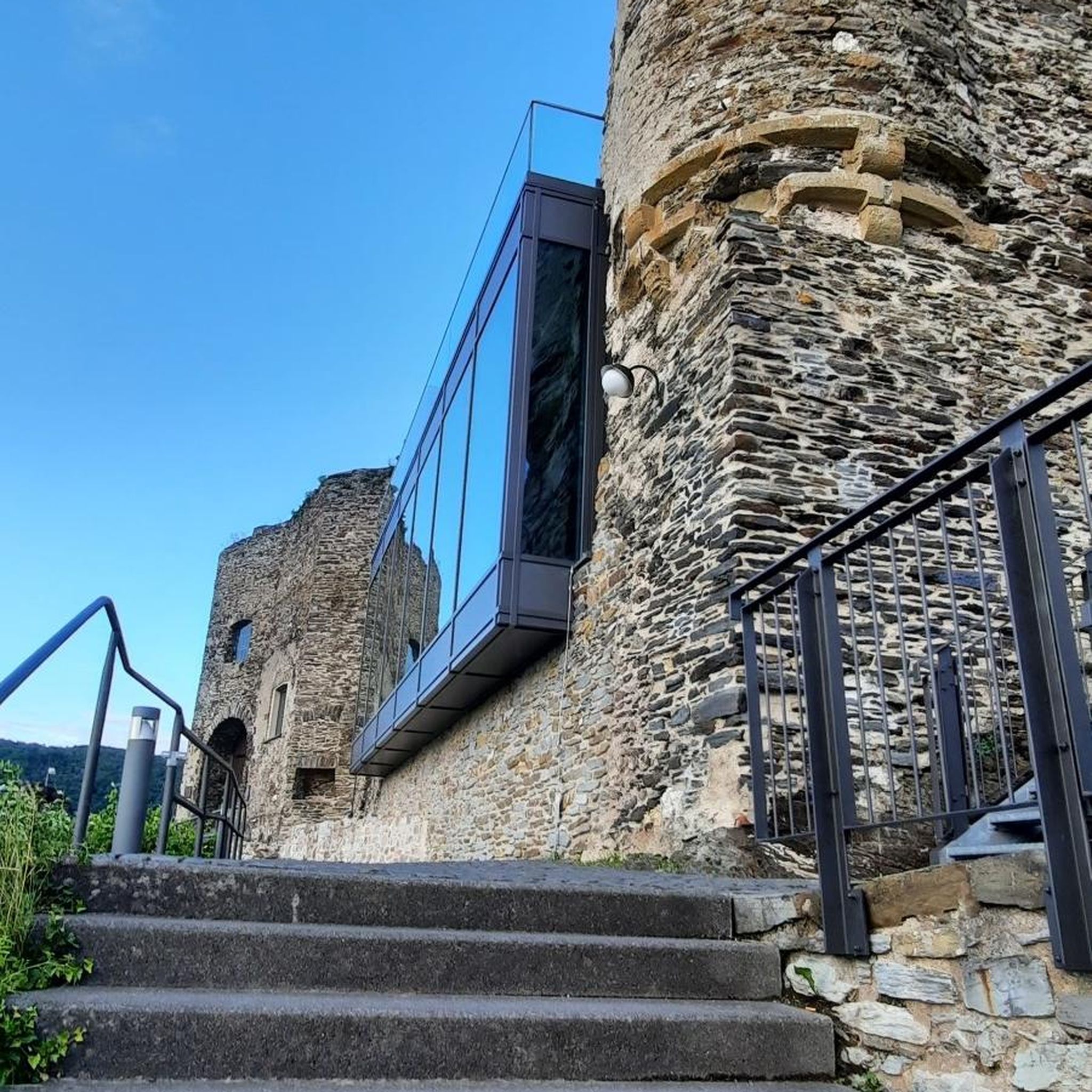
In 1073, the castle already exists; the first known lord was Guillaume de la Rochandry at the beginning of the 12th century. The 1449 inscription on the castle attests to its reconstruction following the destruction caused by the Hundred Years War. In 1505, Jean de Sainte-Maure, lord of Jonzac, founded the Carmelite monastery on the remains of an old chapel dedicated to Saint Nicolas. The cloister was built in 1657. The young Louis XIV, the Queen Mother and Mazarin stayed at the castle in 1659. The castle remained at Sainte-Maure until the end of the 17th century, then passed through marriage to Espardes de Lussan, which transformed the fortress in beautiful stately home with neat ornamentation and guard until the Revolution. Currently the north wing of the castle houses the buildings of the Town Hall (restored in the 19th century), and the south wing, those of the sub-prefecture. The cloister was restored between 1976 and 1978, and now houses a cultural center, with exhibition halls and an archaeological museum. The towers, postern and fountain in the basement date from the 12th century. Of the old feudal castle, only the postern and an isolated tower remain, connected to the main body by a large hall. The moat in front of the drawbridge was filled was filled in the 19th century. It was reopened at the beginning of the 21st century. The imposing gatehouse is marked 1549 and therefore dates from the 16th century, a period of work including the north-west tower, while the south-west tower, of a smaller diameter, is from the 17th century. The towers flanking the postern have retained their defenses. At each, the loopholes have been retained or enlarged. Stone stairs serve each floor and access the walkway. This passage seems to have been discovered, as evidenced by the gargoyles. The crenellation includes machicolations with archers in the middle of the merlons. The slate roofs are high pepperboxes on the towers, and a curious set with two sides connecting two pepperboxes for the gatehouse The fountain located in the basement of the sub-prefecture, has a niche and a niche frame decorated with sculptures imitating stalactites. Carved mask. The fountain was probably built by Léon de Sainte-Maure, Count of Jonzac, who enlarged and embellished the castle in the middle of the 12th century. In a former courtyard of the castle, a theater was built in the 19th century. It is a round building with approximately 300 seats.
0
0
The Seugne crosses a single department, in this case that of Charente-Maritime, watering thirty-six communes and seven cantons. The Seugne has its source in the canton of Montlieu-la-Garde, then crosses the cantons of Montendre, Jonzac, Saint-Genis-de-Saintonge, Pons, Gémozac and, finally, confluences in the canton of Saintes-Est. The Seugne has eighteen tributaries or referenced arms. The old forms of the name Seugne are flumen Soenna around 1100, Sonye in 1280, la Soyngna in 1322, la Soyngnhe in 1354, aqua Soynnie in 1363, Souaigne in 1494. The current pronunciations, Seugne and Souègne, are based on a medieval form Soïgne, which the scribes of the 13th and 14th centuries had difficulty transcribing. According to Duguet, a more recent spelling, Seuigne was misread and interpreted Sévigne in the 19th century.
0
0
자주 묻는 질문
Clam 지역에는 교통량이 없는 로드 사이클링 코스가 몇 개나 있나요?
Clam 지역은 30개 이상의 전용 교통량 없는 로드 사이클링 코스를 제공합니다. 이 코스들은 차량 통행에서 벗어나 평화롭고 즐거운 경험을 제공하도록 세심하게 엄선되었습니다.
Clam에 초보자나 쉬운 교통량 없는 로드 사이클링 코스가 있나요?
네, Clam 지역은 초보자나 쉬운 라이딩을 찾는 분들에게 적합하며, 14개의 쉬움 등급의 교통량 없는 로드 사이클링 코스가 있습니다. 시작하기 좋은 옵션은 Jonzac에서 출발하는 로드바이크 루프로, 이 지역의 조용한 도로를 부드럽게 소개합니다.
Clam의 교통량 없는 로드 사이클링 코스의 일반적인 길이와 소요 시간은 어떻게 되나요?
Clam 지역의 코스는 다양하지만, 많은 코스가 즐거운 반나절 또는 하루 종일의 탐험을 위해 설계되었습니다. 예를 들어, Jonzac에서 출발하는 Jonzac 성 루프는 약 47.5km를 커버하며 약 2시간이 소요되는 반면, Chadenac에서 출발하는 Saint-Martin de Moings 교회 루프는 약 54.6km로 더 길며 약 2시간 15분이 소요됩니다.
Clam 지역에 순환형 교통량 없는 로드 사이클링 코스가 있나요?
물론입니다! Clam의 교통량 없는 로드 사이클링 코스 중 다수는 루프로 설계되어 같은 지점에서 시작하고 끝낼 수 있습니다. Chadenac에서 출발하는 로드바이크 루프는 시골 풍경을 가로지르는 편리한 순환 여행을 제공하는 좋은 예입니다.
Clam의 교통량 없는 로드 사이클링 코스를 따라 어떤 명소를 볼 수 있나요?
Clam 지역은 역사적, 문화적 명소의 매력적인 조합을 제공합니다. 라이딩을 하면서 인상적인 Jonzac 성, 고요한 Saint Paul 예배당, 또는 역사적인 Clion의 Saint-André 교회와 같은 랜드마크를 만날 수 있습니다. 또한 지역 유산을 엿볼 수 있는 독특한 당나귀 다리와 공예 및 농촌 박물관도 있습니다.
다른 로드 사이클리스트들은 Clam의 교통량 없는 코스에 대해 무엇을 가장 즐기나요?
Clam 지역은 komoot 커뮤니티에서 높은 평가를 받고 있으며, 평균 점수는 5점 만점에 4.7점입니다. 리뷰어들은 종종 코스의 평온함, 아름다운 시골 풍경, 그리고 교통 체증의 방해 없이 매력적인 마을과 역사적인 장소를 탐험할 수 있는 기회를 칭찬합니다.
Clam 지역은 가족 친화적인 교통량 없는 로드 사이클링에 적합한가요?
쉬운 코스와 중간 난이도의 교통량 없는 코스가 풍부하기 때문에 Clam 지역은 일반적으로 가족에게 매우 적합합니다. 조용한 시골길은 모든 연령대의 사이클리스트에게 안전하고 즐거운 환경을 제공합니다. 가장 가족 친화적인 옵션을 찾으려면 '쉬움'으로 표시된 코스를 찾아보세요.
Clam에서 교통량을 피하기 위해 로드 바이크를 타기 가장 좋은 계절은 언제인가요?
코스는 연중 교통량이 없도록 설계되었지만, 봄과 가을은 Clam에서 로드 바이크를 타기에 특히 쾌적한 조건을 제공합니다. 날씨는 일반적으로 온화하고 자연 경관이 생동감이 넘쳐 편안하고 그림 같은 라이딩을 즐길 수 있습니다. 여름철에도 한낮의 더위를 피하기 위해 아침이나 늦은 오후에는 훌륭할 수 있습니다.
Clam의 교통량 없는 로드 사이클링 코스를 따라 카페나 휴식 장소가 있나요?
많은 코스가 Jonzac 및 Chadenac과 같은 작은 마을이나 마을을 통과하거나 근처를 지나가므로 현지 카페, 빵집 또는 작은 상점에서 재충전할 수 있습니다. komoot으로 경로를 계획하면 이러한 잠재적인 정류장을 미리 파악할 수 있습니다.
Clam 지역의 교통량 없는 로드 바이크 트레일 주차는 어디서 할 수 있나요?
주차는 일반적으로 Jonzac 또는 Chadenac과 같이 많은 코스의 출발점 역할을 하는 마을에 있습니다. 이러한 장소에는 종종 라이딩을 시작하기 전에 차량을 안전하게 주차할 수 있는 공영 주차 공간이 있습니다.
Clam에 숙련된 라이더를 위한 중간 난이도의 교통량 없는 로드 사이클링 코스가 있나요?
네, 좀 더 도전적인 코스를 찾는 분들을 위해 20개의 중간 등급의 교통량 없는 로드 사이클링 코스가 있습니다. Chadenac에서 출발하는 Château d'Ars – Abbaye de la Frenade 루프는 다양한 지형과 아름다운 풍경을 제공하는 훌륭한 중간 난이도 옵션입니다.
대합 주변에서 가장 인기 있는 명소


더 살펴보기
다른 지역의 최고의 로드 사이클링 경로를 살펴보세요.
