테낙 주변 최고의 교통량 없는 자전거 라이딩 코스
4.4
(148)
1,021
자전거 타는 사람
113
라이딩
교통량이 거의 없는 투어링 사이클링 코스가 Thénac 주변의 구불구불한 시골, 광활한 포도밭, 숲 지대로 이루어진 풍경을 가로지릅니다. 이 지역은 Seudre 강과 Charente 강을 따라 있는 강변 길을 포함한 다양한 지형을 특징으로 하며, 다채로운 사이클링 경험을 제공합니다. Thénac과 근처 Saintes의 로마 유적과 같은 역사 유적지도 코스에 통합되어 있습니다. 이 지역은 Charente-Maritime 지역을 탐험하기에 적합한 길의 네트워크를 제공합니다.
Thénac 주변 최고의 교통량 없는 투어링 사이클링 코스
- 가장 인기 있는 교통량 없는 투어링 사이클링 코스는 Les Gonds 출발 Germanicus 개선문 – Saintes 대성당…
마지막 업데이트: 8월 27, 2026
5.0
(1)
38
자전거 타는 사람
51.0km
03:46
470m
470m
어려운 자전거 타기. 우수한 체력 필요. 대부분 포장된 지면. 실력과 관계없이 누구나 갈 수 있음.
5.0
(2)
25
자전거 타는 사람
16.9km
01:14
30m
30m
초급용 자전거 라이딩. 모든 체력 수준에 적합. 대부분 포장된 지면. 실력과 관계없이 누구나 갈 수 있음.

무료 회원 가입
5.0
(1)
18
자전거 타는 사람
10.5km
00:39
60m
60m
초급용 자전거 라이딩. 모든 체력 수준에 적합. 대부분 포장된 지면. 실력과 관계없이 누구나 갈 수 있음.
5.0
(3)
19
자전거 타는 사람
20.1km
01:15
70m
70m
초급용 자전거 라이딩. 모든 체력 수준에 적합. 대부분 포장된 지면. 실력과 관계없이 누구나 갈 수 있음.
5.0
(1)
14
자전거 타는 사람
14.6km
00:52
70m
70m
초급용 자전거 라이딩. 모든 체력 수준에 적합. 대부분 포장된 지면. 실력과 관계없이 누구나 갈 수 있음.
더 다양한 경로와 다른 탐험가들의 추천을 살펴보세요.
무료 회원 가입
이미 komoot 계정이 있나요?
투어 추천은 다른 사람들이 komoot에서 완료한 수천 개의 활동을 바탕으로 구성되어 있습니다.
오늘 무료 계정으로 시작하세요
다음 모험이 기다리고 있어요.
로그인 또는 가입하기
테낙 주변 인기 장소
커뮤니티 팁

샤니에르(Chaniers)의 체인 페리(Le bac à chaînes de Chaniers)는 프랑스에서 운행 중인 마지막 전통적인 강 페리 중 하나입니다. 생트(Saintes)에서 몇 킬로미터 하류에 있는 샤니에르와 쿠르쿠리(Courcoury) 사이의 샤랑트 강을 건널 수 있게 해줍니다. 수세기 동안 사용된 나루터 샤니에르 페리의 역사 샤니에르의 페리 나루터는 매우 오래되었습니다. 중세 시대로 거슬러 올라갑니다. 17세기 중반에는 이미 샤랑트 강에서 중요한 통행 지점이었습니다. 강을 건너는 데만 사용된 것이 아니라, 주민들이 특히 농업 활동을 위해 강 건너편 초지에 접근할 수 있도록 해주었습니다. 20세기 초, 샤니에르 페리는 샤랑트 강에 있는 훨씬 더 큰 규모의 나루터 네트워크의 일부였습니다. 1909년, 샤랑트-인페리외르(Charente-Inférieure)에는 샤니에르를 포함하여 13개의 페리가 여전히 기록되었습니다. 페리는 다리가 많아지기 전에는 필수적이었습니다. 왜 "체인" 페리라고 불리는 이유? 원리는 두 강둑을 연결하는 체인 위에 페리를 유지하는 것입니다. 뱃사공은 이 체인을 사용하여 배를 움직이고 물살에도 불구하고 경로를 유지합니다. 샤니에르의 현재 페리는 동력식인 반면, 도피에르-쉬르-샤랑트(Dompierre-sur-Charente)의 페리는 수동으로 조작됩니다. 그러나 관광청은 여전히 이를 "체인 페리"라고 설명하고 있으며, 지자체는 샤니에르와 쿠르쿠리를 연결하는 전통적인 통행 수단으로 설명하고 있습니다. 오늘날의 페리 샤니에르의 르 코뮈날(Le Communal)과 쿠르쿠리 강둑 사이에서 운행됩니다. 무료이며 보행자, 자전거 이용자, 동력 차량을 수송할 수 있습니다. 운행은 특히 샤랑트 강의 유량에 따라 달라집니다. 샤니에르 지자체는 공식적으로 "샤니에르 항구와 그 체인 페리"를 지역 유산의 일부로 소개하고 있습니다. 중요 사항: 이전 메시지를 수정합니다. 샤니에르 페리는 단순히 "19세기" 페리가 아닙니다. 이 나루터는 중세 시대부터 증명되었으며, 수세기에 걸쳐 운행 방식과 장비가 발전해 왔습니다.
0
0
🏛️ 건설 : 서기 18-19년 이 아치는 티베리우스 황제 통치 시기인 서기 18-19년경에 건설되었습니다. 이 아치는 리옹과 생트를 연결하던 비아 아그리파의 입구에 있던 로마 다리의 입구에 위치했습니다. 따라서 이 아치는 진정한 의미의 "개선문"이 아닙니다. 로마 아키텐의 수도였던 메디올라눔 산토눔의 입구를 표시하는 도로 기념물이자 기념비적인 문이었습니다. 👤 누가 건설을 의뢰했는가? 이 아치는 로마화된 산토니족의 유력자였던 가이우스 율리우스 루푸스가 자금을 지원했습니다. 그는 이 아치를 티베리우스와 그의 조카 게르마니쿠스에게 헌정했습니다. 상인방에 새겨진 비문은 오늘날에도 이 아치가 헌정된 인물들을 알 수 있게 해줍니다. "게르마니쿠스 개선문"이라는 이름은 게르마니쿠스가 개인적으로 아치를 건설하거나 통과했다는 사실 때문이 아니라, 이 헌정 때문에 붙여진 것입니다. 🏗️ 상당히 특별한 기념물 이 아치에는 두 개의 통로가 있어 통행 흐름을 구분했을 것으로 보입니다. 높이는 약 15m, 너비는 16m입니다. 코린트 양식과 복합 양식의 주두는 특히 세심한 로마 건축을 증언합니다. 이것은 생트의 힘과 로마화의 진정한 과시였습니다. ⚠️ 아치가 사라질 뻔했던 순간 아마도 이것이 이 아치 역사상 가장 흥미로운 에피소드일 것입니다. 수세기 동안 아치는 항상 로마 다리, 그리고 중세 다리가 있던 샤랑트 강 우안에 위치했습니다. 19세기에는 오래된 다리가 노후화되었습니다. 1843년경 다리를 철거하기로 결정되었을 때, 아치도 파괴될 위기에 처했습니다. 이때 역사 기념물 총감이었던 프로스페르 메리메가 개입했습니다. 그는 보존을 주장하고 아치를 해체, 이전, 재조립하여 새로운 강둑에 설치하도록 했습니다. 이 보존과 관련된 또 다른 인물은 빅토르 위고입니다. 그는 1843년 9월 생트에 머물면서 메리메에게 기념물 보존을 위해 개입했습니다. 📍 왜 아치가 원래 위치에 정확히 있지 않은가? 오늘날 바송피에르 광장에서 볼 수 있는 아치는 원래 위치에 더 이상 있지 않습니다. 제방의 변형과 옛 다리의 철거 과정에서 수십 미터 이동되었습니다. 보존을 위해 돌 하나하나 해체하여 재조립했습니다. 오늘날 이 아치는 옛 로마 다리 통로 바로 근처에 위치해 있습니다. 🏛️ 보호 게르마니쿠스 개선문은 결국 1905년 7월 역사 기념물로 지정되었습니다. 흥미로운 추가 정보 생트 근처에 위치한 크라잔 채석장은 이 지역의 고대 건축물에 널리 사용된 석회암을 공급했습니다. 크라잔 석회암은 특히 게르마니쿠스 개선문과 같은 기념물에 사용되었습니다. 요약: 18-19년 → 로마 다리 입구에 아치 건설 ↓ 고대 → 중세 → 아치는 샤랑트 강 횡단과 계속 연관됨 ↓ 1843년 → 옛 다리 철거 및 아치 위협 ↓ 1843-1844년 → 메리메의 개입 및 아치 이전 ↓ 1905년 → 역사 기념물 지정
0
0
루이지애나 가재(Procambarus clarkii)가 샤랑트 강과 그 지류에 서식하게 된 역사는 비교적 최근의 일입니다. 🦞 양식과 관련된 유입 이 종은 미국 남부와 멕시코 북부가 원산지입니다. 1976년부터 프랑스에 도입되었으며, 주로 양식 및 식용 목적이었습니다. 특히 서부 지역, 그중에서도 샤랑트와 샤랑트마리팀 지역으로 수입되었습니다. 따라서 최초의 도입은 자연 환경을 위한 것이 아니었습니다. 새로운 경제 자원을 개발하려는 목적이었습니다. 하지만 양식은 곧 문제를 일으켰습니다. 이 가재는 굴을 파고, 물 밖으로 나오고, 어려운 환경을 견디는 데 특히 능숙합니다. 일부 양식장과 저수지에서 개체들이 탈출하여 자연 환경에 적응하게 되었습니다. 1980년대 초반부터 전문가들은 이미 샤랑트 지역에 정착할 위험을 경고했습니다. 🌊 샤랑트 유역의 확산 이후 가재는 점차 샤랑트 유역의 습지, 수로, 연못, 강으로 퍼져나갔습니다. 오늘날 이 가재는 샤랑트 데파르트망에 잘 정착했습니다. 샤랑트 어업 연맹은 이 가재를 현재 서식하는 주요 가재 종 중 하나로 분류하고 있습니다. 특히 따뜻하고 산소가 부족하며 건조 기간을 견딜 수 있는 환경에 잘 적응합니다. 샤랑트 강과 그 지류에 있는 여러 코뮌에서도 현재 이 가재의 서식을 보고하고 있습니다. ⚠️ 왜 이렇게 번성했을까요? 이 가재는 적응의 진정한 "챔피언"입니다: 잡식성입니다. 상대적으로 산소가 부족한 물에서도 견딥니다. 건조 기간을 견딥니다. 새로운 서식지로 이동하기 위해 육지로 이동할 수 있습니다. 빠르게 번식합니다. 강둑에 굴을 팝니다. 따라서 이 가재는 외래 침입종이 되었습니다. 이 가재의 확산은 여러 문제를 야기합니다. 토종 가재와의 경쟁, 식물 및 작은 수생 동물 섭취, 먹이 사슬 교란, 굴로 인한 강둑 취약화 등입니다. 또한 유럽 가재에게 영향을 미치는 질병인 아파노마이코시스의 보균자일 수도 있습니다. 📍 샤랑트마리팀 지역에서는? 이곳의 상황은 특히 두드러집니다. 샤랑트마리팀 어업 연맹에 따르면, 루이지애나 가재는 현재 이 데파르트망에서 가장 많이 발견되는 가재 종이며, 특히 습지, 유속이 느린 물, 일시적으로 침수되는 지역에서 그렇습니다. 또한 생트 지역 및 샤랑트 지역과의 흥미로운 역사적 연관성도 있습니다. 이 종은 양식을 위해 샤랑트 지역에 도입된 후 점차 자연 환경으로 퍼져나갔습니다. 1980년대 FAO 문서에서도 샤랑트 지역의 양어업자들이 루이지애나 가재를 보관했으며, 탈출한 개체들이 적응할 위험이 있다고 이미 지적했습니다.
0
0

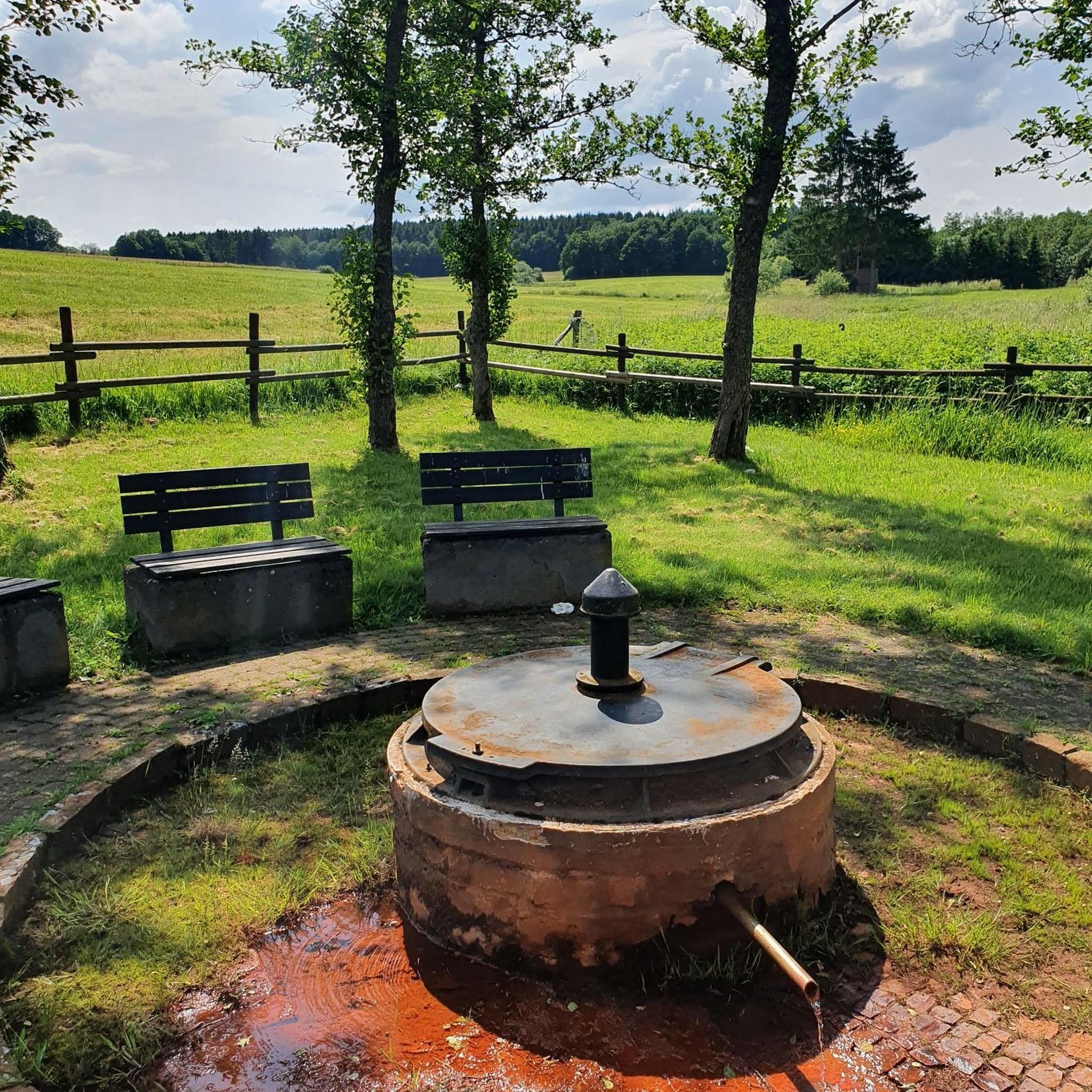
2026년 4월부터 가이드 투어 가능! 이 두 분수는 1세기 로마인들이 건설한 수도교의 수원지를 이용하여 18세기와 19세기에 주민들이 조성했습니다. 세탁터와 방앗간이 그곳에 지어졌습니다. 1993년 마을 주민들이 복원한 방앗간 바닥에서는 "로마식 슬래브"라고 불리는 수로를 발견할 수 있습니다. 물은 더 이상 이 수도교를 통과하지 않고 단층으로 사라져 지하 자연 통로로 합류합니다. 1935년경까지 이 분수는 방앗간 주인의 소유였으며, 그는 마음대로 주민들의 접근을 금지하여 당시 시에서 오래된 채석장에 세탁터를 추가로 조성하도록 강요했습니다.
0
0

beautiful passages along the Charente with pretty monuments and small waterfront cafés in Port d’Envaux and Saintes.
0
0

Courcoury is a natural island surrounded by the Charente and Seugne rivers, giving it a unique landscape setting between marshes and waterways, conducive to biodiversity and outdoor activities. It is also the only village in Charente-Maritime to have been awarded 4 stars by the "Villes et villages étoilés" label, recognizing its efforts to reduce light pollution through intelligent and environmentally friendly public lighting.
1
0
The Gallo-Roman amphitheater of Sainte, also called the Arena of Saintes, is an elliptical monument built between 40 and 50 AD, probably during the reigns of Tiberius and Claudius. It measures approximately 126 meters by 102 meters and could accommodate between 12,000 and 15,000 spectators, making it one of the largest and oldest amphitheaters in Gaul. Located in a natural valley called the "Arènes valley," it takes advantage of the topography to limit construction work, with stands backing onto the hill. The site has two monumental gates, the "Gate of the Living" to the east and the "Gate of the Dead" to the west, and has been the subject of a major restoration project since 2021 to preserve this exceptional heritage. Accessible on foot from the city center, it offers an immersion in Roman history with an educational trail and activities for families
1
0

I really enjoyed this ride. I’m 46, I did it on a 40 year old road bike, it’s more suited to a cyclocross bike!
1
0
자주 묻는 질문
Thénac 주변에는 교통량이 적은 투어링 사이클링 경로가 얼마나 있나요?
Thénac과 주변 샤랑트마리팀 지역은 투어링 사이클리스트를 위한 다양한 경로를 제공합니다. 이 지역에는 100개 이상의 전용 교통량 적은 투어링 사이클링 경로가 있으며, 다양한 기술 수준과 선호도에 맞춰져 있습니다.
Thénac의 교통량 적은 사이클링 경로에서는 어떤 지형을 예상할 수 있나요?
Thénac 주변의 교통량 적은 경로는 주로 들판, 포도밭, 숲으로 특징지어지는 아름다운 구릉지대를 통과합니다. 일반적으로 완만하지만, 일부 경로는 적당한 오르막과 내리막을 포함하여 다양하고 매력적인 사이클링 경험을 제공할 수 있습니다. 이 지역에는 또한 Seudre 강을 따라가는 강변 경로와 해안 풍경으로 이어지는 경로도 있습니다.
Thénac에 가족 친화적인 쉬운 교통량 적은 사이클링 경로가 있나요?
네, Thénac은 가족에게 적합한 여러 쉬운 교통량 적은 투어링 사이클링 경로를 제공합니다. 예를 들어, Les Gonds에서 출발하는 생트 대성당 루프는 10.5km의 쉬운 경로로, 편안한 라이딩에 완벽합니다. 또 다른 접근하기 쉬운 옵션은 Tesson에서 출발하는 자전거 루프로, 약 35km를 최소한의 고도 변화로 이동합니다.
Thénac 근처의 교통량 적은 사이클링 경로를 따라 어떤 역사적 랜드마크를 탐험할 수 있나요?
Thénac 지역의 많은 교통량 적은 사이클링 경로는 역사적으로 풍부한 풍경을 가로지릅니다. Thénac 자체에서 중요한 로마 유적을 만날 수 있으며, 9km 떨어진 근처 생트(Saintes)에는 갈로-로마 원형 극장과 게르마니쿠스의 개선문과 같은 인상적인 유적지가 있습니다. Les Gonds에서 출발하는 게르마니쿠스의 개선문 전망 – 생트 대성당 루프와 같은 경로는 이러한 역사적 보물을 지나게 합니다. 또한 생트의 아베 오 담(Abbaye aux Dames de Saintes) 및 생 피에르 대성당(생트)과 같은 종교 건물도 방문할 수 있습니다.
Thénac 주변에 순환하는 교통량 적은 투어링 사이클링 경로가 있나요?
네, Thénac 주변의 많은 교통량 적은 투어링 사이클링 경로는 루프 형태로 설계되어 같은 지점에서 시작하고 끝낼 수 있습니다. 예로는 Les Gonds에서 출발하는 게르마니쿠스의 개선문 전망 – 생트 대성당 루프, Les Gonds에서 출발하는 생 마르탱 교회 – 샤니에르 체인 빈 루프, 그리고 Thénac에서 출발하는 보아 달라르 – 보아 드 Thénac 루프가 있습니다. 이러한 순환 경로는 지역의 다양한 풍경과 명소를 편리하게 탐험할 수 있도록 제공합니다.
Thénac에서 교통량 적은 투어링 사이클링을 즐기기에 가장 좋은 시기는 언제인가요?
프랑스에서 가장 햇볕이 잘 드는 지역 중 하나인 Thénac은 연중 대부분 사이클링에 유리한 날씨를 제공합니다. 봄(4월-6월)과 초가을(9월-10월)은 온화한 기온과 아름다운 풍경으로 특히 쾌적합니다. 여름은 더울 수 있지만, 그늘진 숲길이 더위를 식혀줍니다. 겨울 사이클링도 가능하지만, 더 춥고 습할 수 있습니다.
다른 투어링 사이클리스트들이 Thénac의 교통량 적은 경로에 대해 가장 좋아하는 점은 무엇인가요?
Thénac의 교통량 적은 투어링 사이클링 경로는 komoot 커뮤니티에서 높은 평가를 받고 있으며, 140개 이상의 리뷰에서 평균 4.5점의 점수를 받았습니다. 사이클리스트들은 평화롭고 차 없는 길, 그림 같은 구릉지대, 그리고 여유로운 속도로 매력적인 마을과 역사적 장소를 발견할 수 있는 기회를 자주 칭찬합니다. 잘 관리된 경로와 다양한 풍경 또한 자주 언급됩니다.
이 경로를 따라 특별한 자연 경관이나 전망대가 있나요?
네, 이 지역은 다양한 자연 경관을 제공합니다. 광활한 포도밭, 해바라기 밭, 그리고 퐁스 숲(Forêt de Pons)과 란데 숲(Forêt de la Lande)과 같은 숲을 지나게 됩니다. 세드르 강(Seudre)을 따라가는 30km의 강변 경로는 굴 양식장과 수로를 지나며, 탁 트인 전망을 제공하는 부트 드 보레가르(Butte de Beauregard)까지 이어집니다. 샤랑트 강 계곡 또한 아름다운 경치를 제공합니다.
Thénac의 교통량 적은 사이클링 경로 근처에서 식사하거나 숙박할 곳을 찾을 수 있나요?
Thénac과 주변 마을 및 도시들은 사이클리스트를 환영할 준비가 잘 되어 있습니다. 다양한 카페, 레스토랑, 그리고 게스트하우스부터 호텔까지 다양한 숙박 시설을 찾을 수 있습니다. 많은 경로가 이러한 편의 시설을 지나거나 근처에 있어 휴식이나 숙박 계획을 세우기 쉽습니다. 근처의 더 큰 도시인 생트(Saintes)는 더 넓은 범위의 서비스를 제공합니다.
경험이 풍부한 사이클리스트를 위한 더 길고 도전적인 교통량 적은 투어링 경로가 있나요?
네, 더 큰 도전을 원하는 경험이 풍부한 사이클리스트를 위해 Thénac은 더 길고 까다로운 교통량 적은 경로를 제공합니다. 예를 들어, Les Gonds에서 출발하는 게르마니쿠스의 개선문 전망 – 생트 대성당 루프는 상당한 고도 변화가 있는 어려운 51.9km 경로입니다. 또 다른 도전적인 옵션은 Thénac에서 출발하는 보아 달라르 – 보아 드 Thénac 루프로, 38.7km를 상당한 오르막과 함께 이동하며, 더 힘든 라이딩을 원하는 사람들에게 보람 있는 경험을 제공합니다.
테낙 주변에서 가장 인기 있는 명소


더 살펴보기
다른 지역의 최고의 자전거 경로를 살펴보세요.
