파도바 주변 최고의 도시 하이킹 & 워킹 코스
4.3
(10487)
53,097
등산객
332
하이킹
파도바의 도시 하이킹 코스는 역사적인 도심, 녹지 공간, 수로 네트워크를 특징으로 하는 다양한 탐험 환경을 제공합니다. 도시의 지형은 전반적으로 평탄하며 고도 변화가 거의 없어 다양한 체력 수준의 사람들이 접근하기 좋습니다. 도보 여행객들은 랜드마크, 식물원과 같은 공원, 도시의 여러 지역을 연결하는 그림 같은 운하 길을 발견할 수 있습니다.
파도바 최고의 도시 하이킹 코스
- 가장 인기 있는 도시 하이킹 코스는 Piazza dei Signori, Padua – Piazza della Frutta (Fruit Square), Padua loop from Padova로, 7.9km 길이이며 완료하는 데 2시간 2분이 소요됩니다.…
마지막 업데이트: 8월 21, 2026
4.7
(90)
832
등산객
7.98km
02:03
40m
40m
보통 하이킹. 좋은 체력 필요. 실력과 관계없이 누구나 쉽게 갈 수 있는 길.
4.6
(36)
300
등산객
12.6km
03:14
50m
50m
보통 하이킹. 좋은 체력 필요. 실력과 관계없이 누구나 쉽게 갈 수 있는 길.

무료 회원 가입
4.9
(11)
69
등산객
15.3km
03:53
30m
30m
보통 하이킹. 좋은 체력 필요. 실력과 관계없이 누구나 쉽게 갈 수 있는 길.
5.0
(1)
85
등산객
1.87km
00:29
10m
10m
초급용 하이킹. 모든 체력 수준에 적합. 실력과 관계없이 누구나 쉽게 갈 수 있는 길.
4.8
(9)
57
등산객
14.1km
03:33
30m
30m
보통 하이킹. 좋은 체력 필요. 실력과 관계없이 누구나 쉽게 갈 수 있는 길.
더 다양한 경로와 다른 탐험가들의 추천을 살펴보세요.
무료 회원 가입
이미 komoot 계정이 있나요?
투어 추천은 다른 사람들이 komoot에서 완료한 수천 개의 활동을 바탕으로 구성되어 있습니다.
오늘 무료 계정으로 시작하세요
다음 모험이 기다리고 있어요.
로그인 또는 가입하기
파도바 주변 인기 장소

리저널 파크 콜리 유지네이 도시 하이킹

콜리 유지네이 도시 하이킹
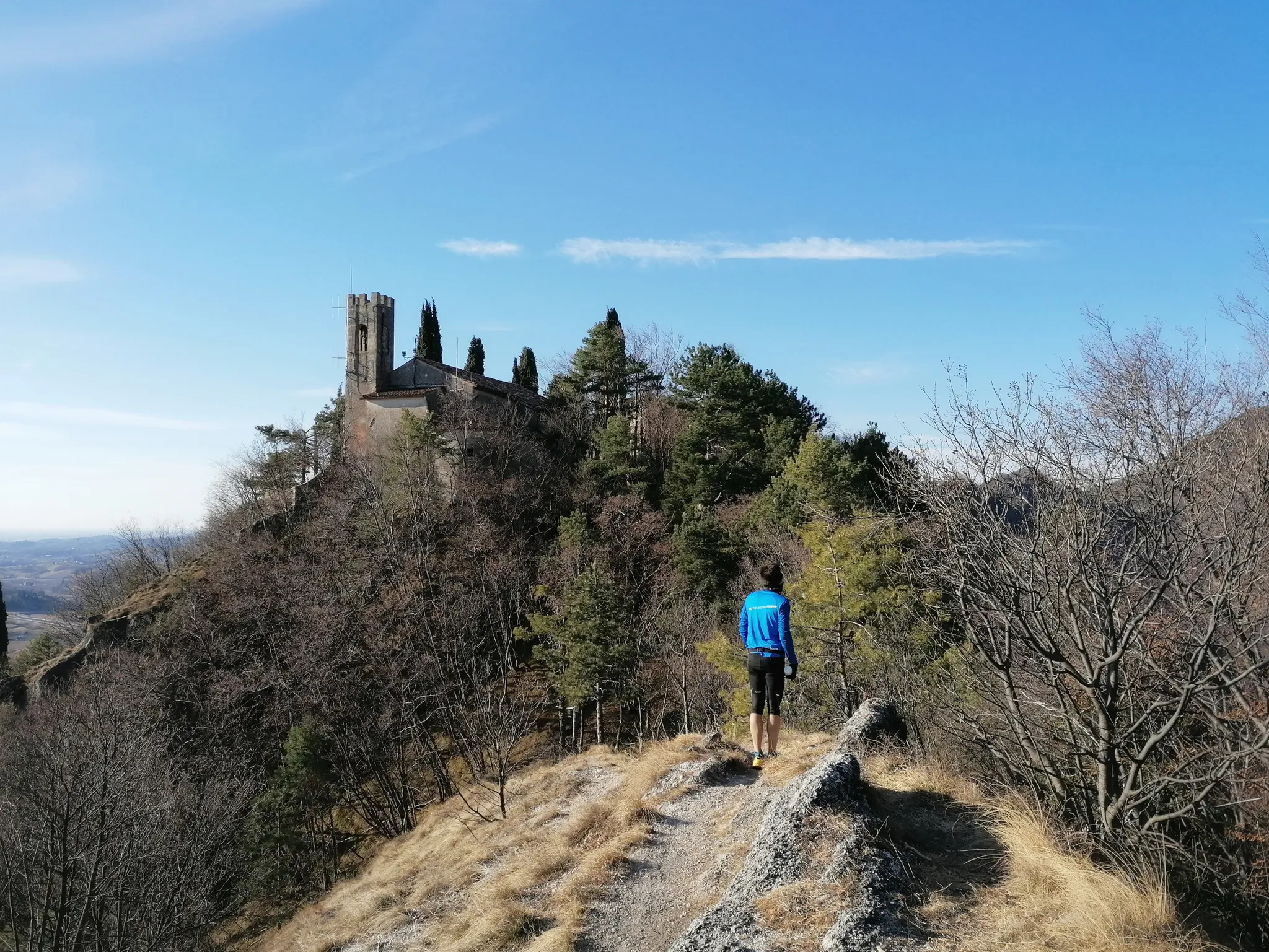
제모나에서 파두아까지 800년의 역사 - 산탄토니오 길

Road to BAM! 2026 – Condividi la strada
Veneto and Trentino by bike – between the Lagoon and the Dolomites
Jesolo Gravel Loop – between sandbanks and archaeology
Explore Veneto at a slow pace – day trips by bike
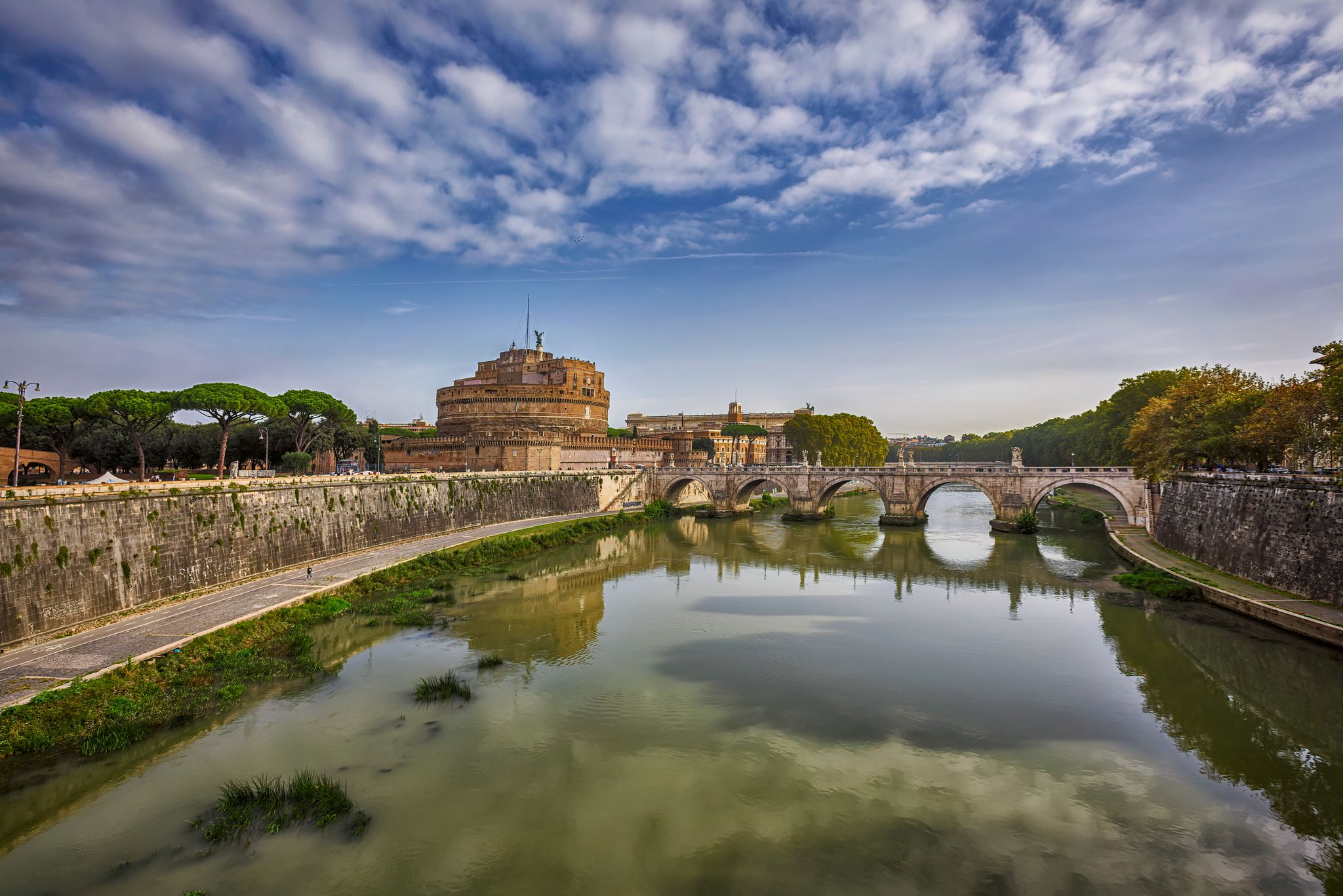
모든 길이 로마로 통합니다 - Romea Tiberina Cycleway
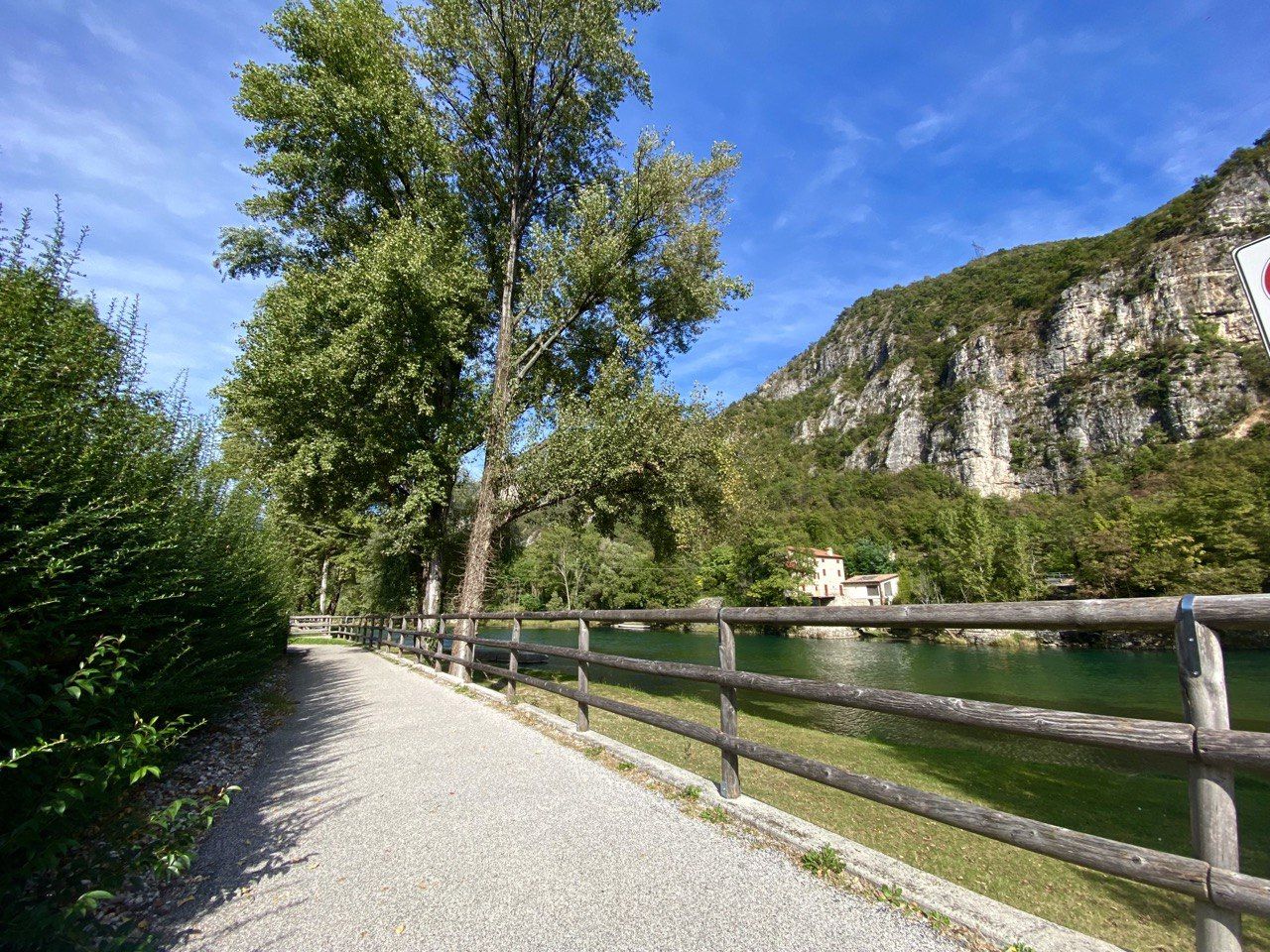
이탈리아 브렌타 강변을 자전거 타기 - 브렌타 자전거 코스
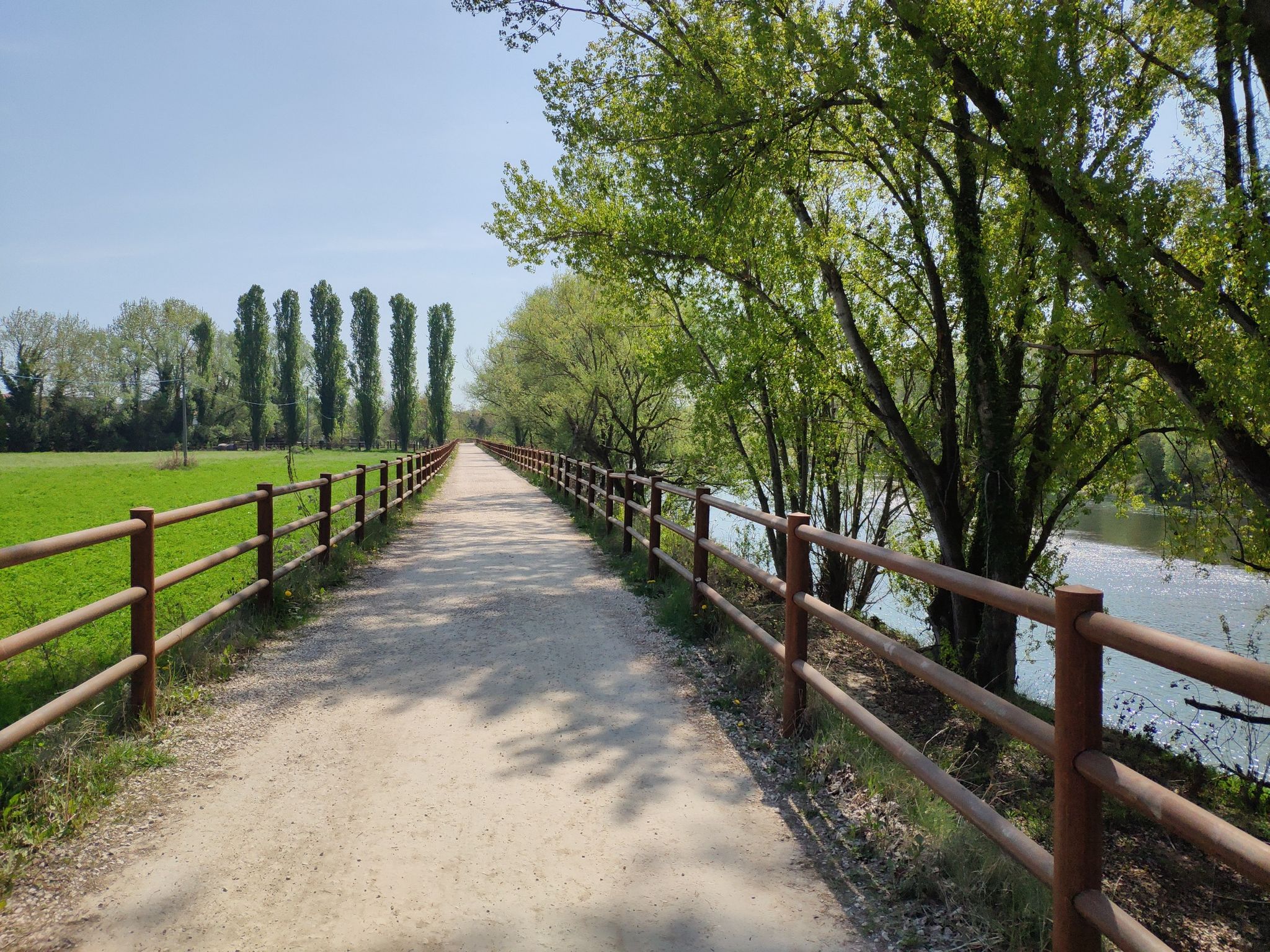
대리이 모든음 - Veneto Gravel 2023
파도바의 다른 모험


커뮤니티 팁

Piazza dei Signori 또는 Piazza della Signoria는 파도바 시의 역사 중심지를 특징짓는 여러 광장 중 하나입니다. 수세기 동안 이곳은 시민 행사, 토너먼트의 장소였으며 상업적 성향이 더 강했던 Erbe 광장 및 Frutta 광장과 비교했을 때 도시의 대표 공간이었습니다. 이 광장에는 유명한 시계탑인 Torre dell'Orologio가 있습니다.
1
0

라 스페콜라(La Specola), 갈릴레오 타워(Torre di Galileo)라고도 알려진 이곳은 파도바에서 가장 중요한 역사적, 과학적 상징 중 하나입니다. 14세기 카라레시 성(Castello dei Carraresi)의 방어탑으로 지어진 이 구조물은 1767년에서 1777년 사이에 파도바 대학교(Università di Padova)에 의해 천문대로 개조되었습니다. 이름은 "관측 장소"를 의미하는 라틴어 'specula'에서 유래했습니다. 피사 출신 과학자가 이 탑에서 일한 적은 없지만(갈릴레오는 1592년부터 1610년까지 이곳에 건설되기 전에 파도바에서 가르쳤습니다), 라 스페콜라는 그의 혁명적인 천문학적 발견에 대한 기억을 간직하고 있습니다. 오늘날 이 건물은 INAF(국립 천체물리학 연구소) 파도바 지부의 본부이며 라 스페콜라 박물관(Museo de La Specola)을 보유하고 있습니다. 내부에는 인상적인 살라 델레 피구레(Sala delle Figure)와 18세기 및 19세기 천문 기구의 특별한 컬렉션을 감상할 수 있습니다.
0
0

카페 페드로키, 이탈리아에서 가장 유명한 카페 (역사적, 건축적, 사회적으로 매우 중요함. 이전에는 문 없이 24시간 영업했기 때문에 "caffè senza porte = 문 없는 카페"라고 불림). 파두아 방문기(2026년 3월 25일 Komoot) 설명을 참조하세요.
0
0

페라라 피아차 델 메르카토 (피자 델레 에르베)
0
0


Piazza dei Signori, Padua For the people of Padua, a stroll to the squares of the historic center, such as Piazza della Frutta, Piazza delle Erbe, and Piazza dei Signori, means immersing oneself in the markets that traditionally enliven the city every morning. Shopping is simultaneously a pleasure, a social occasion, a kind of daily ritual. But it's also worthwhile to look up and admire the architecture of the houses, balconies, and historic buildings that frame them. Piazza dei Signori is surrounded on its two main sides by two wings with colonnades, elegantly enhanced by terraces with antique wrought-iron balconies. The two shorter sides are bordered by the Church of San Clemente and the Palazzo del Capitanio with its clock tower, whose colonnade leads to the Corte Capitaniato and the nearby square of the same name. Here once stood the Castello dei Carraresi, which today houses the University of Padua with its Faculty of Literature and Philosophy and the rooms painted by Altichiero. On the south side of the square stands the elegant Loggia del Consiglio, or Gran Guardia, the 16th-century building where the city's Maggior Consiglio (Great Council) used to meet. The wide staircase leading to the loggia and the council chamber on the main floor are particularly worth seeing. Text / Source: Turismo Padova https://www.turismopadova.it/de/orte/piazza-dei-signori/
17
0
Palazzo della Ragione, Padua The Salòn, or Palazzo della Ragione, the former seat of Padua's municipal courts, is one of the largest column-free halls in Europe. Considered one of the most famous civic monuments in Europe from the time of the Communes, the building was begun in 1218. Between 1306 and 1308, Fra Giovanni degli Eremitani transformed the three large rooms into a single hall and designed a roof in the shape of an inverted ship's hull. Giotto and his workshop were commissioned to paint the walls with frescoes; however, the cycle was destroyed by fire in 1420. The frescoes were restored by the Paduan Nicolo’ Miretto in collaboration with Stefano da Ferrara and other painters, based on the studies of Pietro d’Abano, a wealthy scholar of his time. The fresco cycle is one of the very few medieval astrological cycles to have survived to this day. The connection between the paintings and the function of the place explains the presence of animal figures representing the insignia of the courts, whose function is also linked to the allegories of Justice, Law, the Community in Rule, and the frescoes depicting the Judgment of Solomon and the court scene. In the great hall is the "Pietra del Vituperio," or Stone of Shame, upon which insolvent debtors, clad only in a shirt, had to sit three times (the custom is the origin of the expression "to stay in one's shirt"), while repeating the Latin phrase "cedo bonis" (roughly translated as "I will pay the bill"). Also located there is the large wooden horse, crafted by Annibale Capodilista for a tournament and donated to the city by the family. Today, the great hall serves as a venue for exhibitions and cultural events. Not to mention that "Sotto il salone" is the oldest cooperative in the world, dating back 700 years. Text / Source: Turismo Padova https://www.turismopadova.it/en/the-palazzo-della-ragione/
14
0
Basilica of Saint Anthony of Padua / Basilica of Saint Anthony, Padua The Basilica of Saint Anthony, known as "the Saint," is the city's most important religious center and attracts thousands of pilgrims every year, especially on June 13, the saint's feast day. The basilica was built in 1232 to protect the tomb of the Franciscan friar Anthony, who died in Padua in 1231. The large building presents a complex structure with a fusion of styles: Romanesque elements in the façade, Gothic elements in the ambulatory, Byzantine elements in the eight domes covered with lead, and Moorish elements in two tiers. The Church of Saint Anthony holds numerous reminders of the Carrara Signoria. In 1350, Cardinal Guido de Boulogne came to the cathedral to acknowledge the saint's miracle and was greeted by Jacopo II da Carrara and Bishop Hildebrand. Members of the Carraresi family, such as the Lupi di Soragna and the Conti, chose the basilica as the site for their own mausoleums. The Chapel of the Black Madonna now stands on the site of the earlier church, dedicated to Santa Maria, Mother of the Lord. The polychrome Madonna is by Rinaldino di Francia and dates from 1396. Rinaldino is also likely the artist of the shield bearing the portrait of Stefano da Carrara, now in the city museums. A funerary monument to Raffaele Fulgioso, a renowned jurist from the University of Padua, is located to the left of the chapel. The Chapel of Blessed Luca reveals even closer ties to the Carraresi family: it was built between 1380 and 1382 by Naimerio and Manfredino Conti, executing the will of Fina Buzzaccarini. They commissioned Giusto de'Menabuoi, a painter from the Carraresi court, to create the frescoes. The stories of Saints Philip and James, arranged on the chapel walls, reveal a surprising new sense of spaciousness. In the center, within the lunette, are portraits of the patrons: Saint Anthony, Blessed Luke, Saint Francis, and Saint Louis of Toulouse, as they are presented to the Virgin. Text / Source: Turismo Padova https://www.padua.info/de/padua/was-zu-sehen-ist/details/basilica-di-santantonio
15
0
자주 묻는 질문
파도바에는 도시 하이킹 트레일이 몇 개나 있나요?
Komoot는 파도바에 270개 이상의 도시 하이킹 트레일을 제공하며, 다양한 선호도와 체력 수준을 충족시킵니다. 도보로 도시의 매력을 탐험할 수 있는 다양한 코스를 찾으실 수 있습니다.
파도바의 도시 하이킹에서 어떤 종류의 지형을 예상할 수 있나요?
파도바의 도시 하이킹은 주로 평평하고 포장된 표면으로 이루어져 있어, 도시의 역사 지구 중심부, 수로를 따라, 그리고 녹지 공간을 가로지르는 여유로운 산책에 이상적입니다. 근처 유가네안 언덕은 더 다양한 지형을 제공하지만, 도시 코스는 일반적으로 완만하며 고도 변화가 거의 없습니다.
파도바에 순환형 도시 산책로가 있나요?
네, 파도바의 많은 도시 코스는 순환형 산책로로 설계되어 시작점과 도착점이 동일합니다. 예를 들어, 도시의 가장 상징적인 광장들을 통과하는 Piazza dei Signori – Piazza della Frutta 루프 또는 Piazza della Frutta – Prato della Valle 루프를 즐기실 수 있습니다.
파도바의 도시 하이킹에서 어떤 흥미로운 랜드마크와 명소를 볼 수 있나요?
파도바의 도시 하이킹은 역사적, 자연적 명소의 풍부한 태피스트리를 제공합니다. Piazza dei Signori와 Piazza della Frutta와 같은 유명한 광장이나 광활한 Prato della Valle를 탐험할 수 있습니다. Naviglio Interno 운하와 같은 도시의 수로는 경치 좋은 길을 제공합니다. 도시에서 접근 가능한 아름다운 자연 기념물인 Valsanzibio 정원 또는 Barbarigo-Pizzoni Ardemani 정원을 방문할 기회를 놓치지 마세요.
파도바의 도시 하이킹 트레일은 어린이를 동반한 가족에게 적합한가요?
물론입니다! 파도바의 많은 도시 트레일은 쉽고 가족에게 매우 적합합니다. Piazza della Frutta – Prato della Valle 루프와 같은 코스는 비교적 짧고 평평하여 어린이와 함께 즐거운 외출에 완벽합니다. 도시의 공원과 보행자 구역은 모든 연령대를 위한 안전하고 매력적인 환경을 제공합니다.
파도바의 도시 하이킹에 개를 데려갈 수 있나요?
파도바의 많은 도시 지역과 공원은 개 친화적이지만, 개는 목줄을 착용해야 합니다. 특정 공원이나 공공 장소에 대한 현지 규정을 확인하는 것이 항상 좋습니다. 일반적으로 개와 함께 도시의 운하를 따라 걷거나 덜 붐비는 거리를 걷는 것은 인기 있는 활동입니다.
파도바에서 도시 하이킹을 하기에 가장 좋은 시기는 언제인가요?
봄(4월-5월)과 가을(9월-10월)은 파도바에서 도시 하이킹을 하기에 이상적인 시기로, 쾌적한 온도와 아름다운 풍경을 제공합니다. 여름은 더울 수 있지만, 이른 아침이나 저녁에는 여전히 즐길 수 있습니다. 맑고 상쾌한 날에는 겨울 산책도 가능하며, 도시의 축제 분위기를 경험할 수 있습니다.
대중교통을 이용하여 파도바의 도시 하이킹 트레일에 어떻게 접근할 수 있나요?
파도바는 버스와 트램을 포함한 효율적인 대중교통 시스템을 갖추고 있어 도시 하이킹의 다양한 시작점으로 이동할 수 있습니다. 많은 코스가 기차역과 주변 지역에서 대중교통으로 쉽게 접근할 수 있는 도시 중심부에서 바로 시작됩니다. 가장 편리한 옵션을 위해 현지 교통편 일정을 확인하세요.
파도바의 도시 하이킹 트레일 근처에 주차장이 있나요?
파도바 시내 및 주변 지역에 주차가 가능하지만, 때로는 제한적이거나 유료일 수 있습니다. 여러 공영 주차장과 노상 주차 구역이 있습니다. 도시 중심부에서 시작하는 코스의 경우, ZTL(교통 제한 구역) 외곽에 주차하고 도보 또는 대중교통을 이용하여 시작점으로 이동하는 것을 고려해 보세요.
도시 코스를 따라 휴식이나 음식을 즐길 수 있는 장소가 있나요?
네, 파도바의 도시 코스에는 특히 시내 중심부와 인기 있는 광장 근처에 수많은 카페, 바, 레스토랑이 있습니다. 하이킹 중에 커피, 전통 파도바 페이스트리 또는 식사를 즐길 수 있는 충분한 기회가 있을 것입니다. 파도바 대학교 – Naviglio Interno 운하 루프와 같은 많은 코스는 다양한 휴식 옵션이 있는 활기찬 지역을 통과합니다.
다른 하이커들은 파도바의 도시 하이킹에서 무엇을 가장 즐기나요?
komoot 커뮤니티는 파도바의 도시 하이킹에 대해 평균 4.3점의 높은 점수를 부여하고 있습니다. 리뷰어들은 종종 도시의 아름다운 건축물, 운하를 따라 걷는 고요한 산책, 역사 유적지와 매력적인 광장을 발견하는 용이성을 칭찬합니다. 문화 체험과 가벼운 운동의 조화는 반복되는 하이라이트입니다.
파도바에 초보자를 위한 쉬운 도시 하이킹 코스가 있나요?
파도바는 초보자에게 완벽한 많은 쉬운 도시 하이킹 코스를 제공합니다. Piazza della Frutta – Prato della Valle 루프와 같은 코스는 비교적 짧고 평평하며 잘 관리된 보행자 구역을 통과하여 도보 탐험이 처음인 사람들에게 이상적입니다.


찾고 계신 것을 찾지 못하셨나요?
파도바에서 더 많은 하이킹를 확인하고 목적지에서 완벽한 경로를 찾아보세요.
