로사탈 최고의 MTB 라이딩 경로
4.7
(200)
671
자전거 타는 사람
195
라이딩
로사탈에 있는 멋진 산악자전거 라이딩 경로를 따라 어디로 가 볼까요? 로사탈에 있는 MTB 경로 컬렉션 중에서 가장 멋진 장소를 아래에서 살펴보세요.
마지막 업데이트: 10월 13, 2026
4.9
(13)
37
자전거 타는 사람
43.4km
02:23
200m
200m
보통 산악 자전거 타기. 좋은 체력 필요. 실력과 관계없이 누구나 갈 수 있음.
5.0
(4)
23
자전거 타는 사람
55.0km
02:55
200m
200m
보통 산악 자전거 타기. 좋은 체력 필요. 실력과 관계없이 누구나 갈 수 있음.

5.0
(4)
19
자전거 타는 사람
35.0km
01:58
70m
70m
초급용 산악자전거 라이딩. 모든 체력 수준에 적합. 실력과 관계없이 누구나 갈 수 있음.
3.0
(1)
4
자전거 타는 사람
57.7km
04:11
350m
350m
어려운 산악 자전거 타기. 좋은 체력 필요. 뛰어난 라이딩 실력이 필요함. 투어 중 자전거를 끌고 가야 하는 구간이 있을 수 있음.
5.0
(1)
6
자전거 타는 사람
30.9km
01:56
140m
140m
보통 산악 자전거 타기. 모든 체력 수준에 적합. 뛰어난 라이딩 실력이 필요함.
더 다양한 경로와 다른 탐험가들의 추천을 살펴보세요.
이미 komoot 계정이 있나요?
투어 추천은 다른 사람들이 komoot에서 완료한 수천 개의 활동을 바탕으로 구성되어 있습니다.
오늘 무료 계정으로 시작하세요
다음 모험이 기다리고 있어요.
로사탈 주변 인기 장소
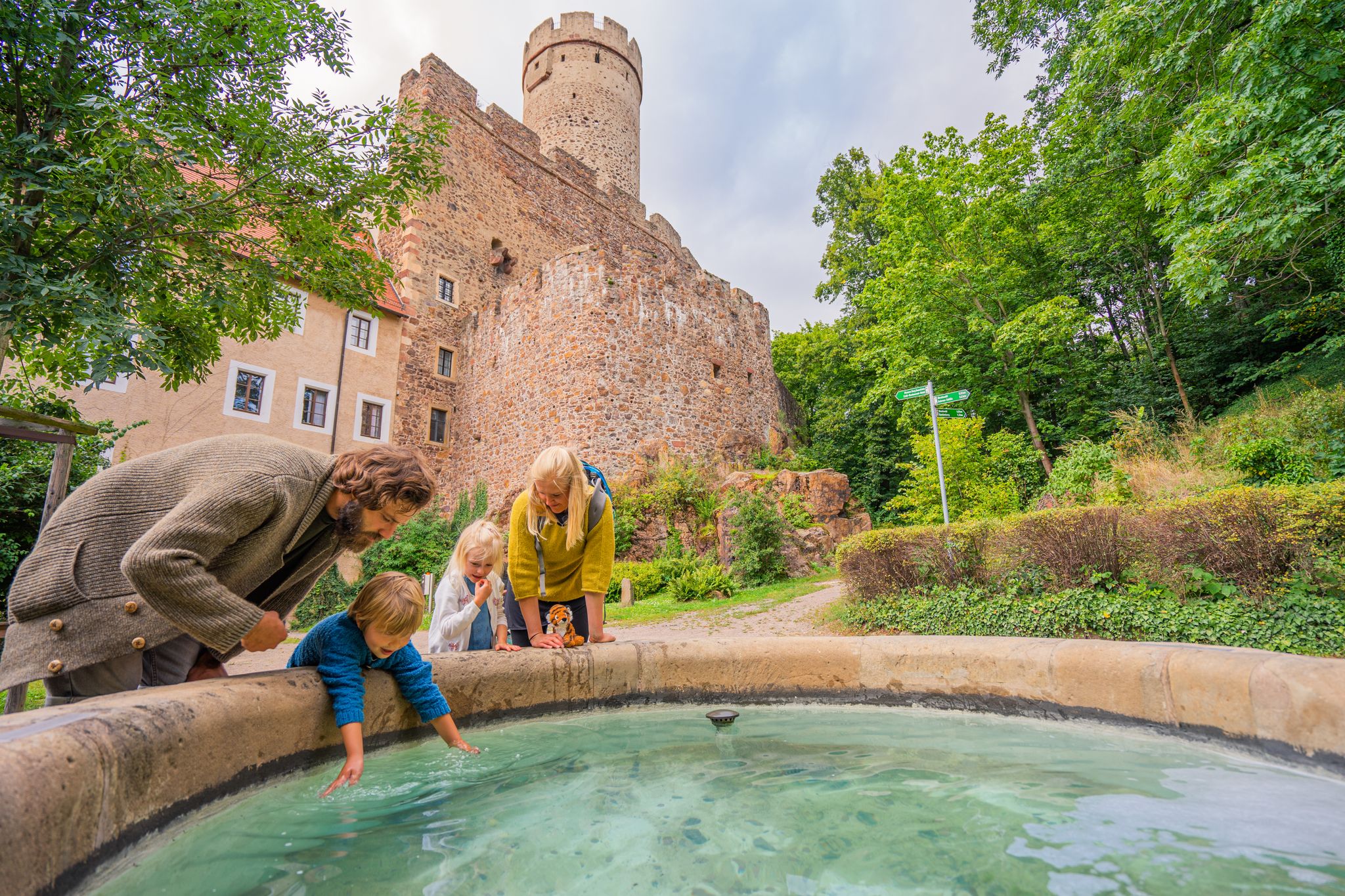
Time for little adventures – family hikes in the Leipzig region
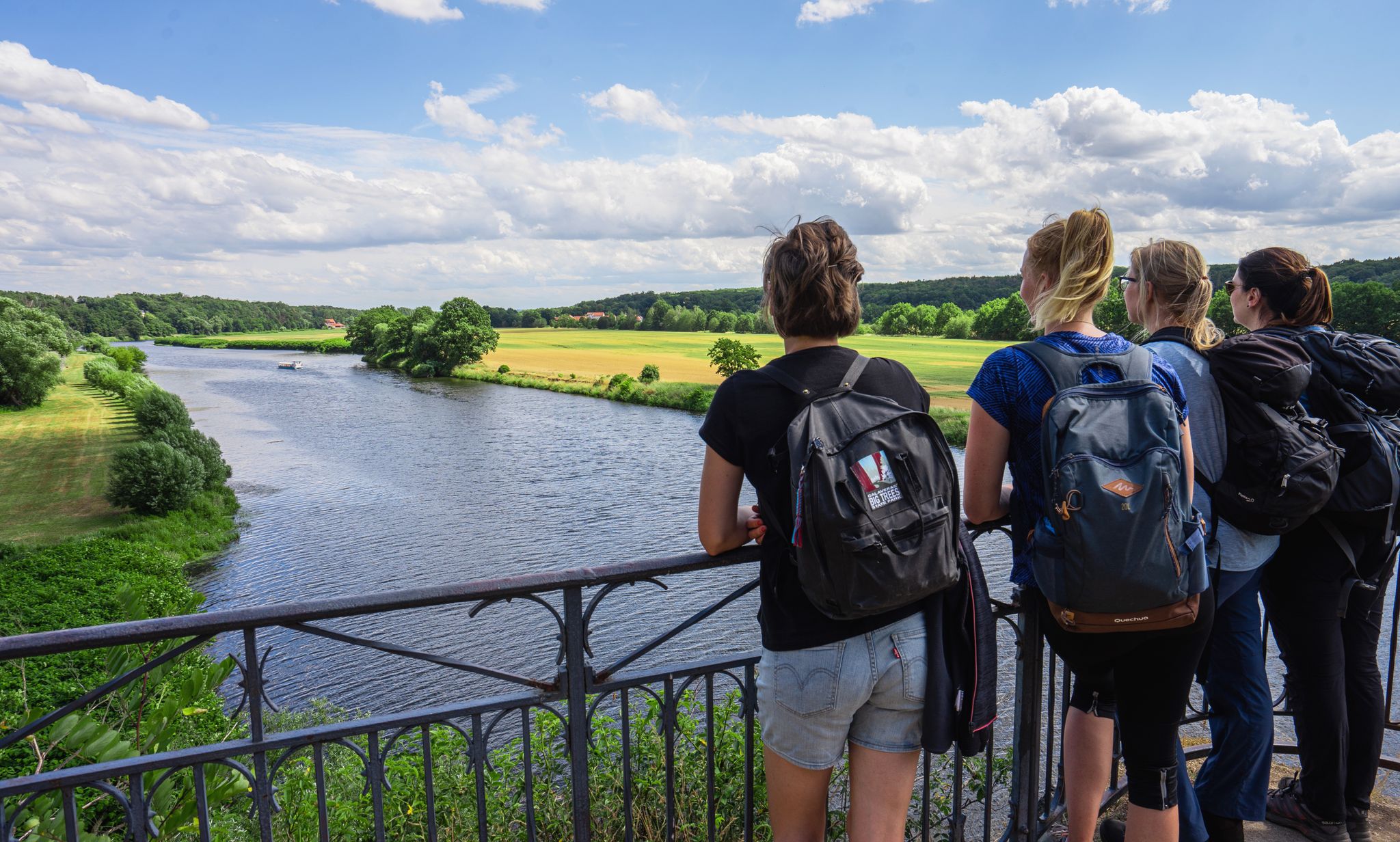
Hiking between big city and nature – urban escapism Leipzig
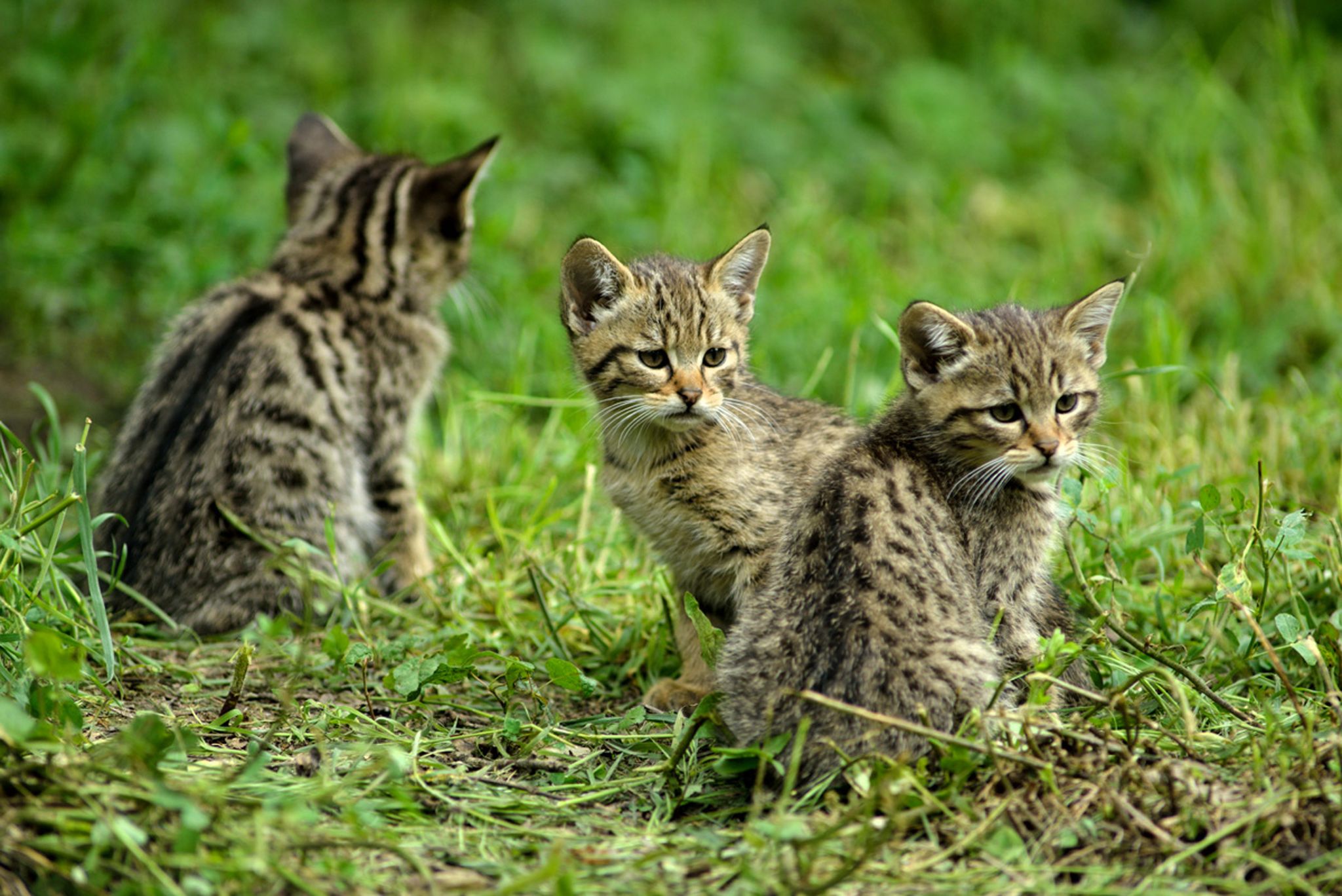
Hike with BUND on the trail of the European wildcat
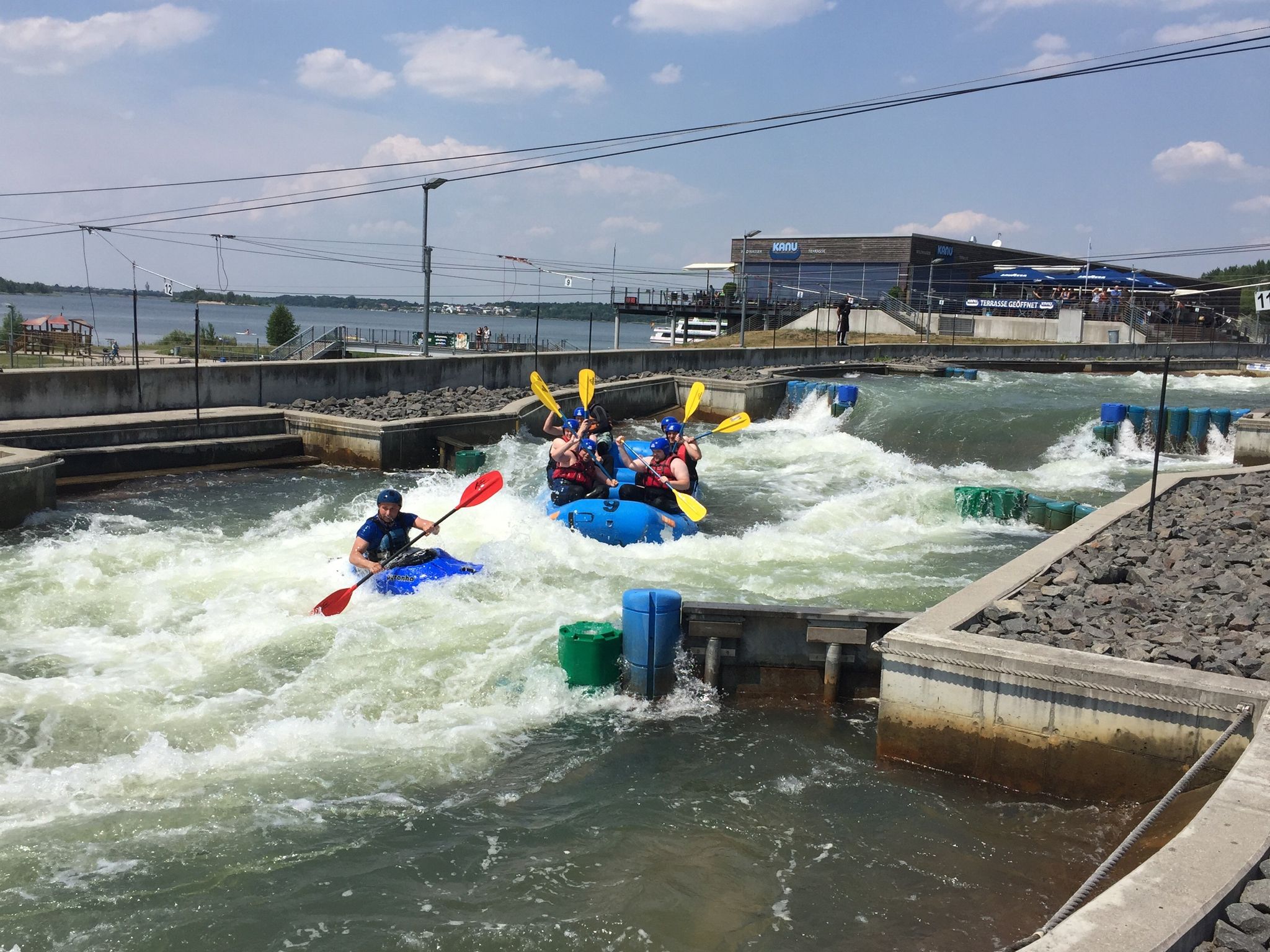
Rafting. Climbing. Hiking — awesome fun around Leipzig
Don't forget your crampons – a high-altitude hike around flat Leipzig
로사탈 하이킹
로사탈 사이클링
로사탈 로드 사이클링 경로
로사탈 러닝 트레일
로사탈 주변 그래블 라이딩
로사탈 주변의 다른 모험


커뮤니티 팁

Mulde 강변 지역은 특히 홍수에 취약합니다. 2002년 8월 홍수 당시 Grimma는 작센에서 가장 큰 피해를 입은 지자체 중 하나였으며, 피해액은 2억 5천만 유로에 달했습니다. 2013년 6월 홍수 역시 수백만 유로의 피해를 남겼습니다. 2002년 Grimma에서는 통계적으로 100년에 한 번 발생하는 홍수에 대한 첫 번째 방어 계획이 시작되었습니다. 작센 주와 유럽 연합은 홍수 방지 시설에 총 약 6천만 유로를 투자하고 있습니다. Grimma의 새로운 홍수 방지 시설은 기술적으로나 디자인적으로 매우 까다롭습니다. 목표는 홍수 방지, 기념물 보호, 도시 개발을 능숙하게 결합하는 것이었습니다. 적합한 건설 방안을 찾기 위해 도시를 1:50 축척으로 재현하고 모델에 물을 채워 유수 흐름을 시뮬레이션했습니다. 지하 12미터 깊이까지 이어지는 차수벽은 지하수 흐름에 영향을 미칩니다. 8개의 우물이 지하수 통신을 제어합니다.
0
0

그리마의 현수교 전망은 도시에서 가장 유명한 사진 촬영 명소 중 하나입니다. 1924년에 건설된 이 현수교는 뮐데 강을 80미터 길이에 걸쳐 가로지르며 구시가지와 시립 숲을 연결합니다. 다리에서는 뮐데 강, 역사적인 도시의 스카이라인, 그리고 위에 위치한 가터스부르크의 탁 트인 전망을 즐길 수 있습니다. 반면에 퓌차우 성은 그리마에서 북서쪽으로 약 10킬로미터 떨어진 퓌차우 마을에 있으며 뮐데 강 바로 옆에 있습니다. 공원이 있는 역사적인 성은 조용한 강 풍경에 자리 잡고 있으며 뮐데 계곡의 아름다운 전망도 제공합니다. 하지만 두 장소가 몇 킬로미터 떨어져 있기 때문에 그리마 현수교에서는 보이지 않습니다.
4
0


Broken bike! No problem: Radhaus am Markt Wurzen had the front fork repaired. No problems and done immediately. Great service, thank you very much, I was able to continue riding immediately.
0
0

As state property of the GDR, the palace, which had survived the war largely undamaged, served as a retirement and nursing home until reunification. During this time, the complex began to deteriorate progressively, which was only barely halted. Thanks to the work of a group of Polish restorers since the early 1980s, the palace's garden facade was largely restored to its original condition. In the early 1990s, the municipality sold the palace complex to a private investor named Grimm. It later became a holding company, which is gradually restoring the late Baroque palace complex. To date, the facade of the courtyard, the adjacent orangery and administration buildings, as well as the teahouse in the park, have been restored. Extensive restoration work has taken place inside, including the ceiling and wall paintings, as well as the late neoclassical staircase. Source: https://de.wikipedia.org/wiki/Schloss_Nischwitz
5
0
After further changes of ownership, extensive renovations were carried out on the ground floor in the mid-19th century under the direction of Gustav Adolf Boenisch. During this time, the Baroque staircase was replaced by a prestigious late-classical staircase and adorned with large wall and ceiling paintings. At this time, the Rococo park, designed by Friedrich August Krubsacius, was also transformed into an English landscape garden with tea pavilions, stone statues, and vases. In 1848, the von Ritzenberg family had a family crypt built in the form of a Doric temple in this park. Towards the end of the century, in 1888, Kurt von Zimmermann[3] purchased the Nischwitz Palace and Estate. In the final days of World War II, the von Zimmermann family fled from advancing Soviet troops and was expropriated during the Soviet occupation of 1945–1949. Later efforts by the family to regain their property after German reunification were unsuccessful, except for the return of some furniture. Source: https://de.wikipedia.org/wiki/Schloss_Nischwitz
4
0
The history of the castle dates back to the late Middle Ages.[2] The village, along with the associated manor, was acquired by the von Nischwitz family in 1450, and received its name from them. In 1714, after the old manor had fallen into disrepair, the then owner, Baron von Rackwitz, Chamberlain of the Electorate of Saxony, commissioned the construction of a new castle with appropriate outbuildings and a park. Matthäus Daniel Pöppelmann was the architect. After its completion in 1721, the property changed hands several times over the years. Finally, Count Heinrich von Brühl acquired the property in 1743. Around 1750, he had the property converted into his summer residence in the Rococo style under the direction of the chief architect, Johann Christoph Knöffel. The extensive extensions and renovations created an ensemble that has survived to this day, with its spacious courtyard, orangery, administrative buildings, and the palace park adjacent to the garden. However, much of the original, precious interior furnishings has been lost. The late Baroque wall and ceiling paintings in the garden and ballroom, attributed to the Italian painter Stefano Torelli, are worth seeing. They depict hunting scenes and mythological scenes. During the Seven Years' War, Prussian troops marched into Saxony in 1758. They occupied and plundered the palace. After the death of Heinrich von Brühl, his heirs sold the property to the Leipzig lawyer Philipp Heinrich Lastrop. Source: https://de.wikipedia.org/wiki/Schloss_Nischwitz
5
0
로사탈 주변에서 가장 인기 있는 명소


더 살펴보기
다른 지역의 최고의 MTB 트레일를 살펴보세요.
