포어포메른-뤼겐에서 가장 멋진 15개의 동굴
성을 방문하는 건 언제나 특별한 일이에요. 하이킹을 하다가 잠깐 들를 때도, 가이드를 따라 제대로 둘러볼 때도 말이죠. 포어포메른-뤼겐에 있는 아름다운 성 15
곳을 아래에서 살펴본 후에 마음에 드는 성을 다음 모험 때 만나보세요!
마지막 업데이트: 9월 13, 2026


이런 장소를 발견하려면 지금 가입하세요
최고의 싱글 트랙, 봉우리 및 다양한 흥미로운 야외 장소에 대한 추천을 받아보세요.
셈퍼 성 물탑 폐허
하이라이트 • 기념물
번역자 Google •
팁에 의해

프로라 KdF 단지의 폐허
하이라이트 • 역사적 장소
번역자 Google •
팁에 의해


랄스비크 성과 마리나
하이라이트 • 성
번역자 Google •
팁에 의해


오늘 무료 계정으로 시작하세요
다음 모험이 기다리고 있어요.
포어포메른-뤼겐 주변 인기 장소
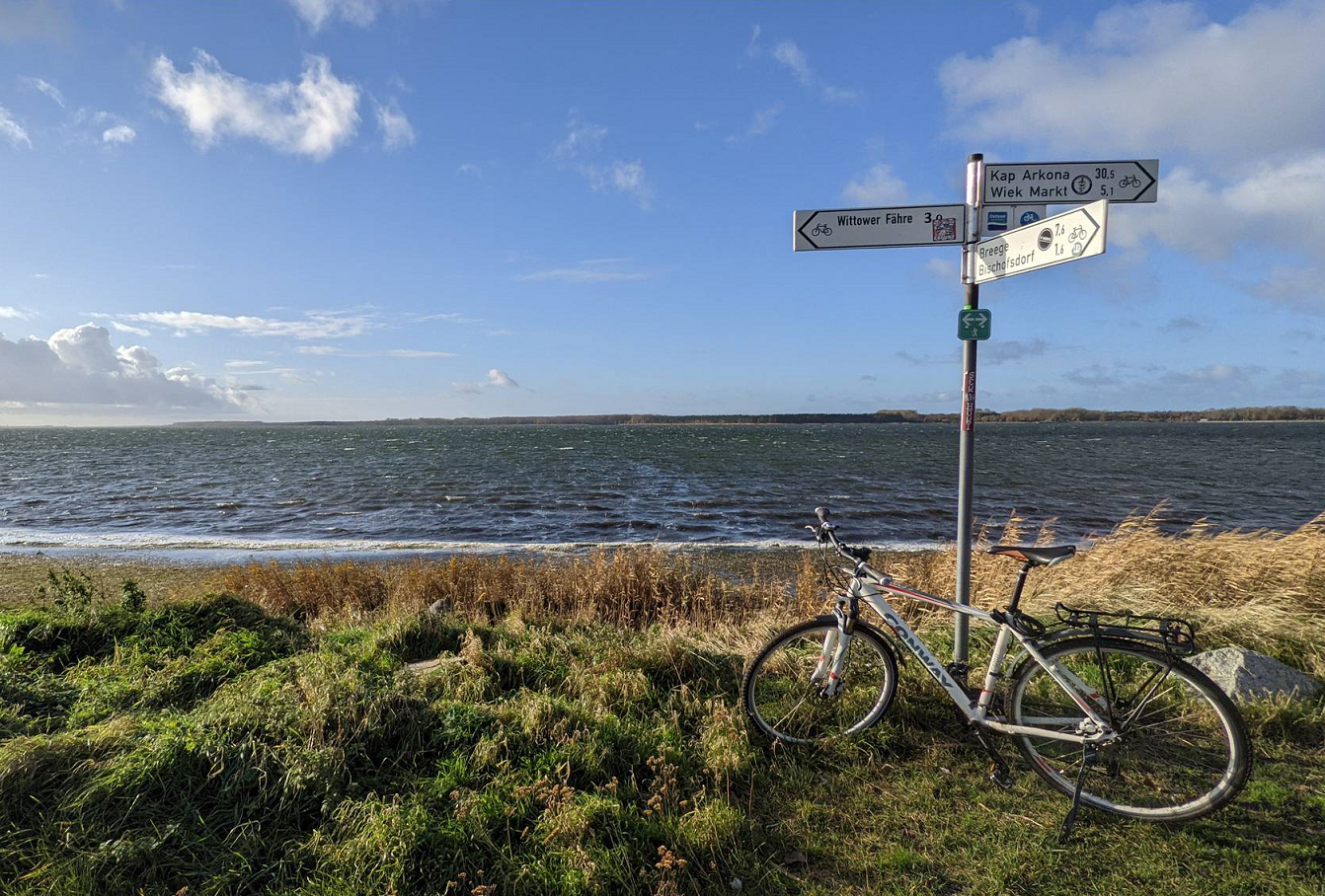
독일 최대의 섬을 순회하는 자전거 타기 - 루겐 환형 경로
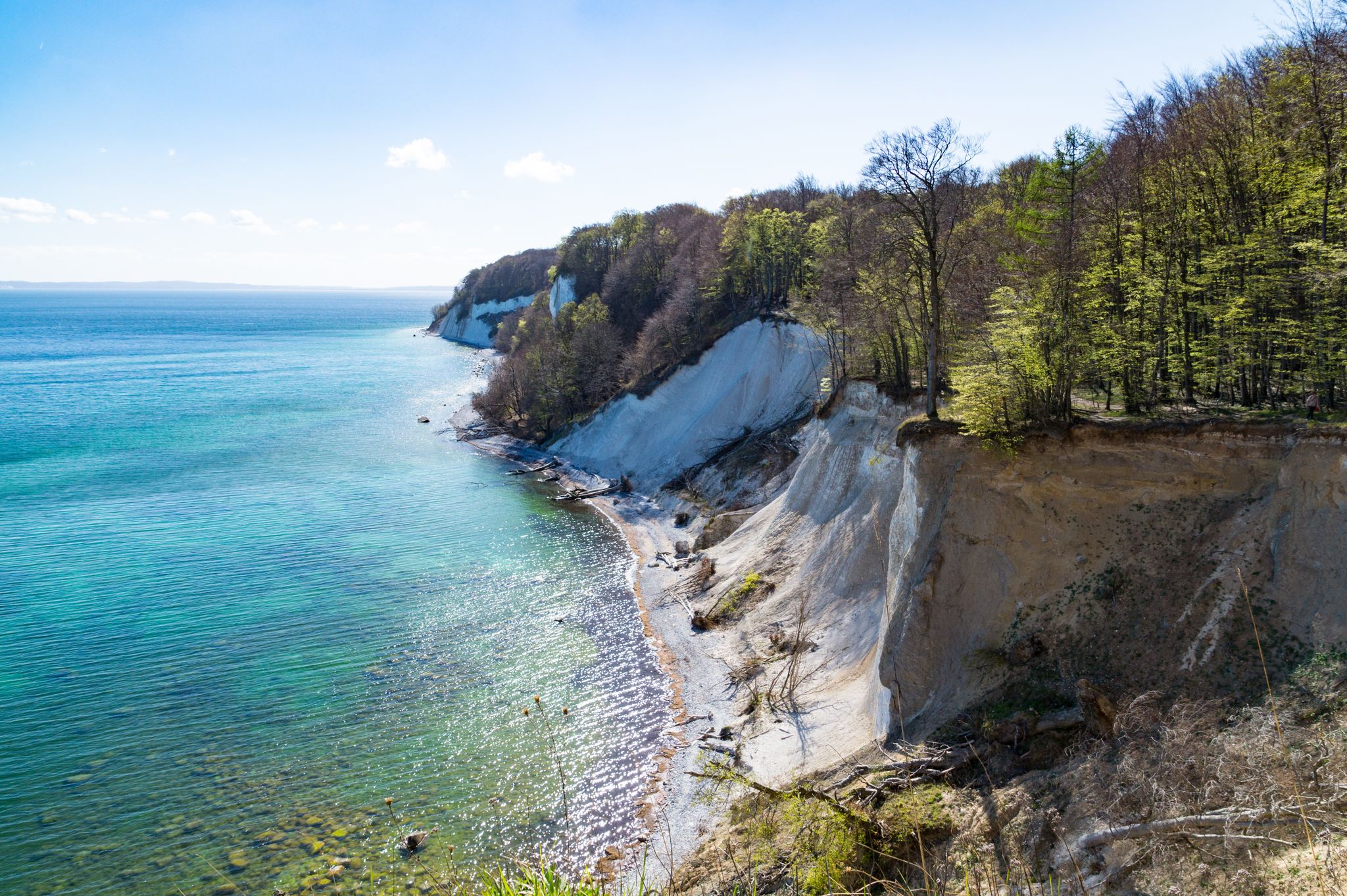
메클렌부르크-포어포메른의 국가 자연 경관
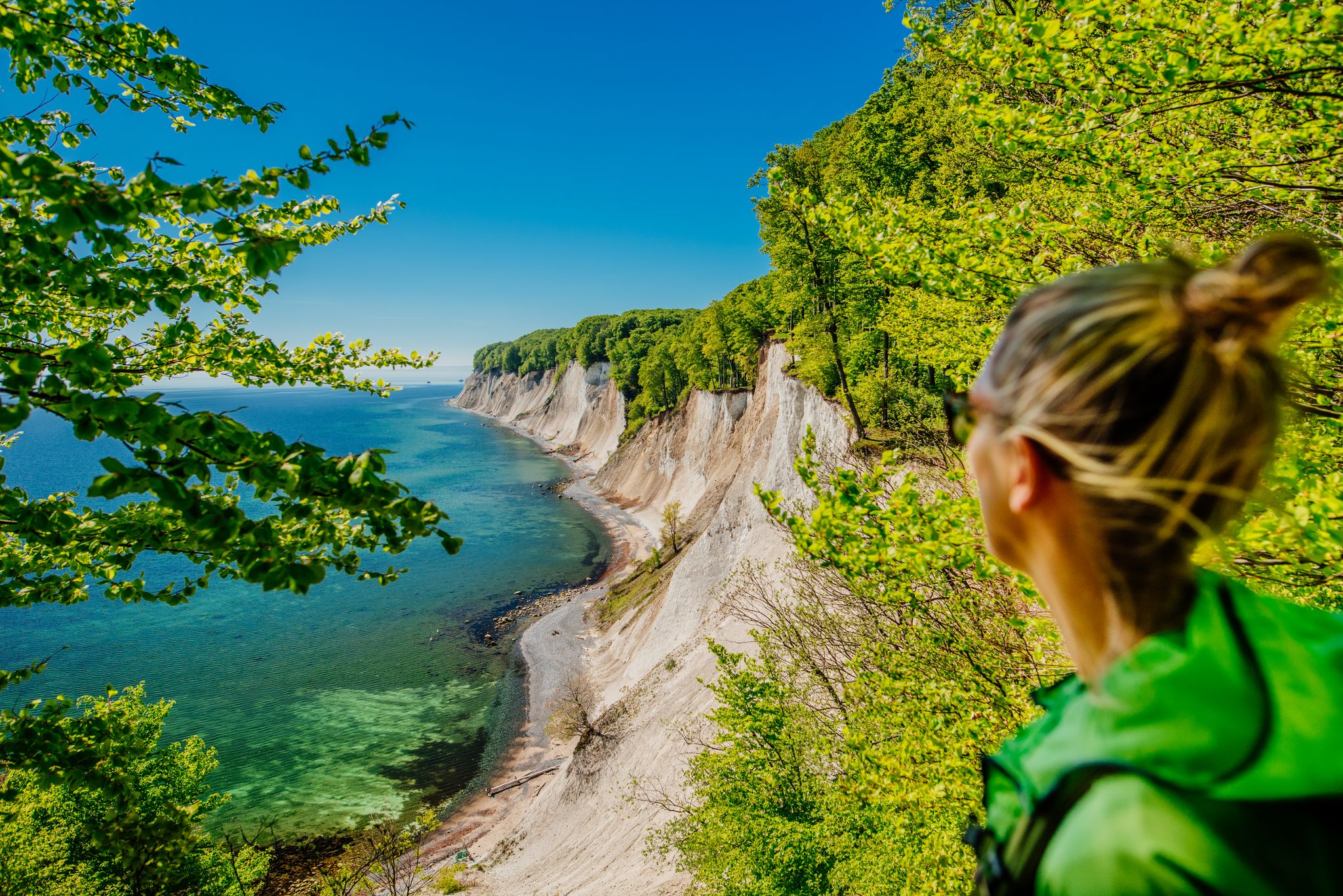
Beech forest and chalk coast – Jasmund National Park’s most beautiful hikes

Rügen on foot – hiking on Germany's largest island
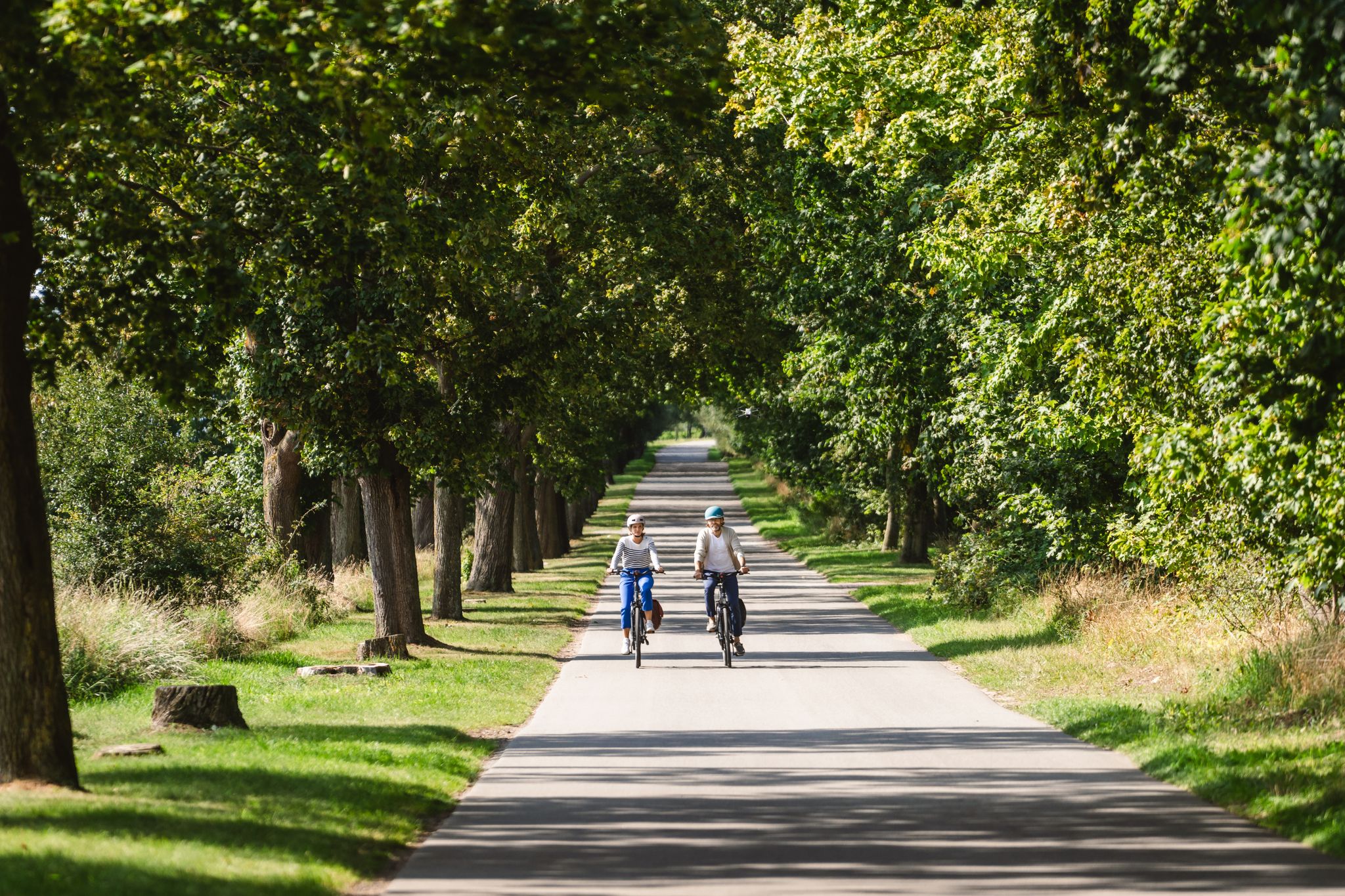
북독일 낭만주의 길
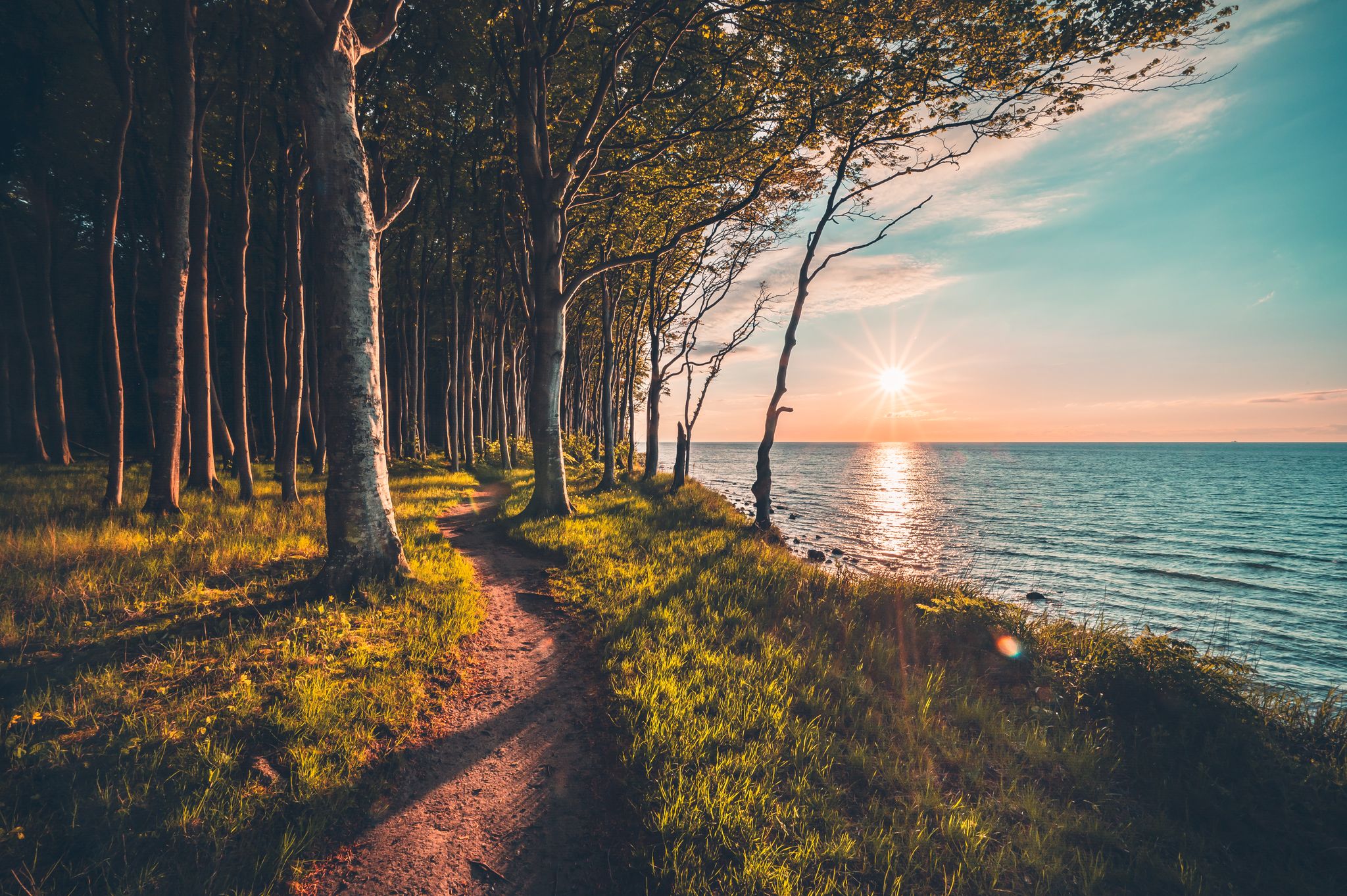
Anno 1826 - Caspar David Friedrich - 뤼겐의 일곱 번째 하이킹
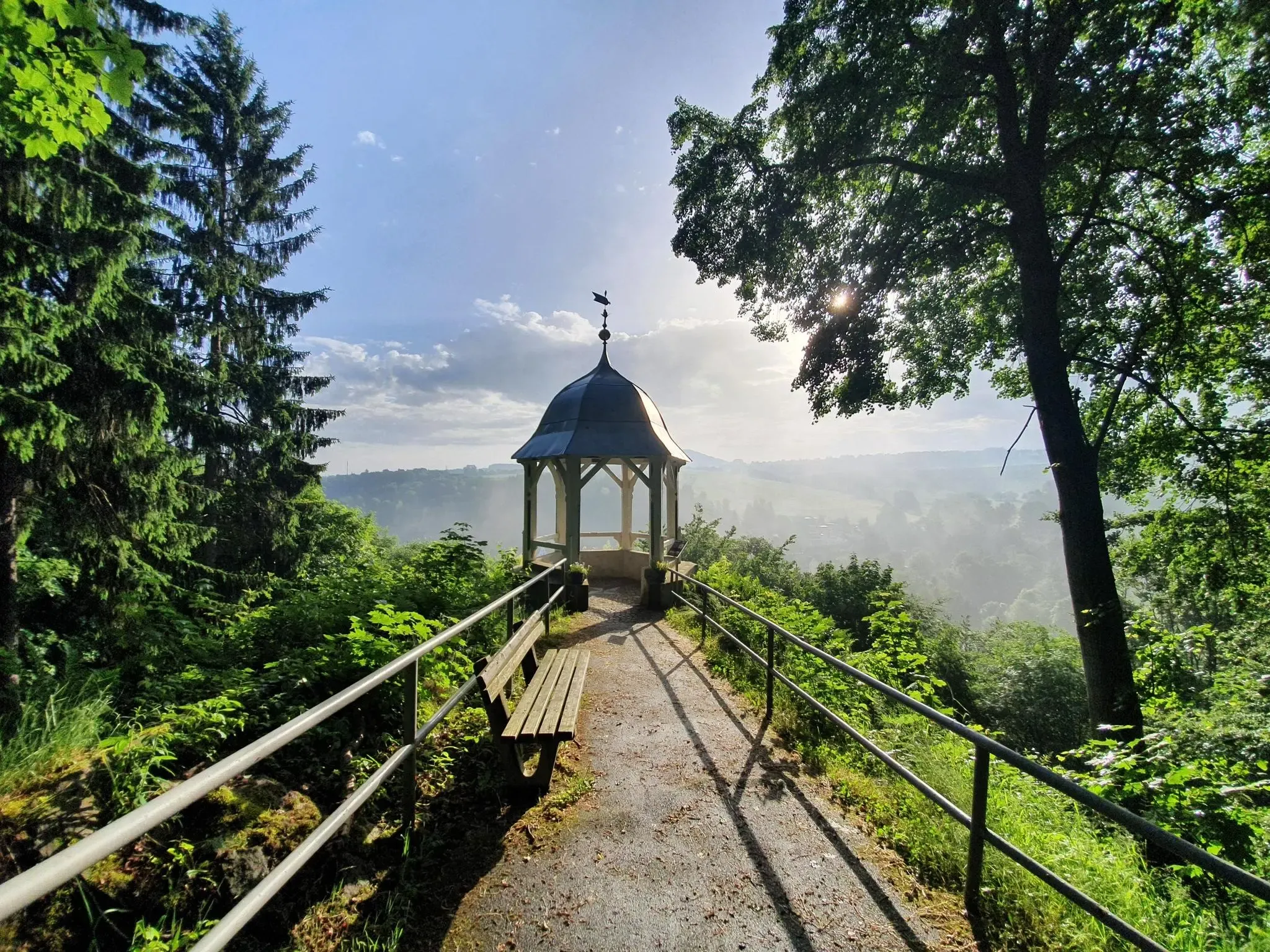
#GoFurther – discover the views of Germany!
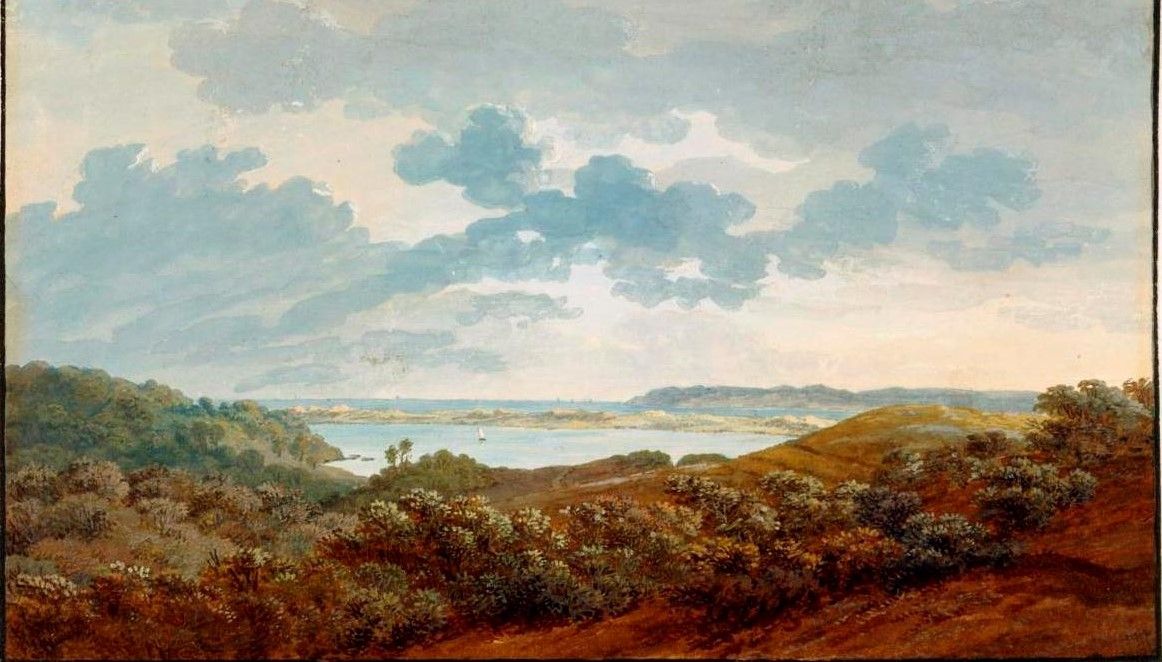
Caspar David Friedrich anno 1801 – Des Malers erste Wanderung auf Rügen

Island hopping on Rügen – the magic of silence
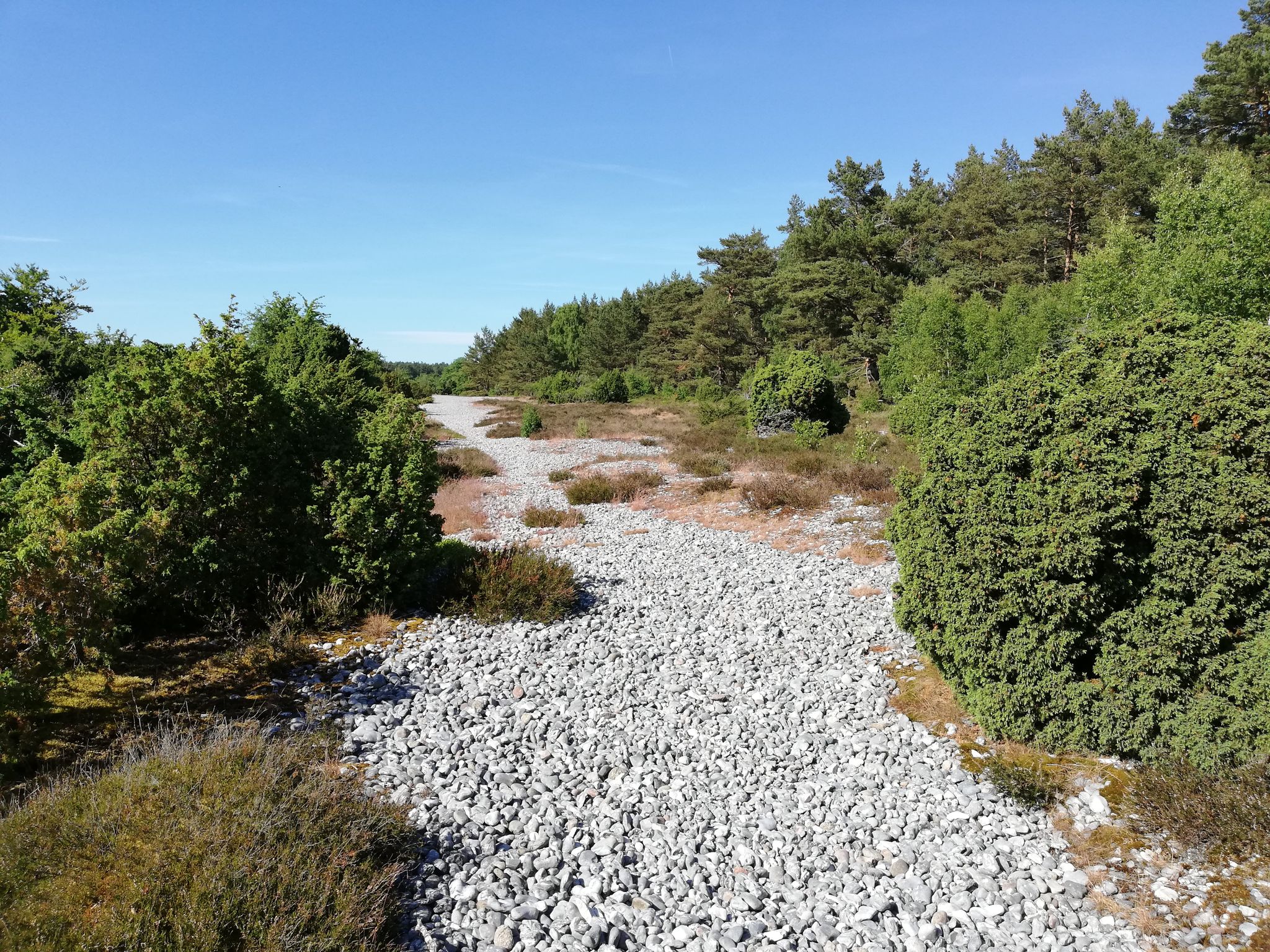
DBU-Naturerbe Prora 오 5개 오하이 정보
포어포메른-뤼겐의 다른 모험


커뮤니티 팁

Pansevitz 성 유적은 1597년에 완공된 폐허가 된 저택입니다. 제2차 세계 대전 이후 거의 피해를 입지 않았음에도 불구하고, 지역 주민들이 건축 자재 공급원으로 대부분 사용했습니다.
0
0

Ralswiek 성은 루겐 섬에서 가장 눈에 띄는 건축물 중 하나입니다. 역사적인 건축물과 Großer Jasmunder Bodden 바로 옆의 그림 같은 위치를 결합합니다. 특히 유명한 아르누보 예술가 Henry van de Velde가 디자인한 실내 장식(특히 홀과 계단)을 포함한 화려한 내부는 꼭 볼 만합니다.
1
0

The remaining ruins of the two northern blocks are also marketed to tourists – signs point the way and there is a paid parking lot. Information panels explaining the history of the site are lacking.
2
0

A large part has already been renovated. But at the northern end of the enormous structure, the ruins can still be seen.
2
0

In winter, when the trees are leafless, you can catch a great view of the hunting lodge.
13
0

The Libnitz manor house is for sale, and anyone with more than 3 million euros will be able to call themselves the "owner of the castle" in the future. Unfortunately, the surrounding buildings are not in good condition. The farm buildings, some of which look dilapidated, are used for agriculture and livestock farming and do not do the manor house justice.
3
1
A large part of the tower of the former estate is still standing; it has been renovated, is accessible via a spiral staircase, and serves as a small observation tower, offering a beautiful view over Pansevitz Palace Park. Otherwise, only the foundations remain, but I really like the atmosphere here.
4
0

The Pansevitz castle ruins are a former manor house that is freely accessible. The ruins are secured and can therefore be visited without any problems. The castle park is adjacent to the ruins and has also been used as a forest cemetery since 2006. There are sufficient parking spaces available.
8
0
포어포메른-뤼겐에서 가장 인기 있는 명소


찾고 계신 것을 찾지 못하셨나요?
포어포메른-뤼겐의 최고의 성을 지역별로 탐험해보세요:
더 살펴보기
다른 곳에서 최고의 성을 찾고 계신가요? 다른 가이드를 발견해보세요 포어포메른-뤼겐:
