셸데에서 가장 멋진 20개의 동굴
Steldt 주변의 성들은 벨기에의 "Scheldeland"로 알려진 스헬더 강 지역에 집중되어 있습니다. 이 지역은 역사적인 성들의 집합체이며, 많은 성들이 건축 양식과 역사적 중요성으로 유명합니다. 스헬더 강은 이 지역의 발전에 중요한 역할을 했으며, 이러한 요새들의 전략적 배치에 영향을 미쳤습니다. 방문객들은 중세 요새부터 우아한 시골 저택까지 다양한 성들을 탐험할 수 있습니다.
Steldt 주변 최고의 성들
- 가장 인기 있는 성은 성이자 역사 유적인 Het Steen입니다. 안트베르펜에서 가장 오래된 석조 건물로, 원래 1200년에서 1225년 사이에 더 큰 요새의 일부로 지어졌습니다. 이 기념물은 감옥과 박물관으로…
마지막 업데이트: 9월 7, 2026


이런 장소를 발견하려면 지금 가입하세요
최고의 싱글 트랙, 봉우리 및 다양한 흥미로운 야외 장소에 대한 추천을 받아보세요.

그라벤토렌 - 루펠몬데
하이라이트 • 기념물
번역자 Google •
팁에 의해

뒤르셀 주립 녹지공원
하이라이트 • 성
번역자 Google •
팁에 의해
루펠몬데의 그라벤토렌
하이라이트 • 역사적 장소
The Graventoren was once owned …
번역자 Google •
팁에 의해

오늘 무료 계정으로 시작하세요
다음 모험이 기다리고 있어요.
셸데 주변 인기 장소
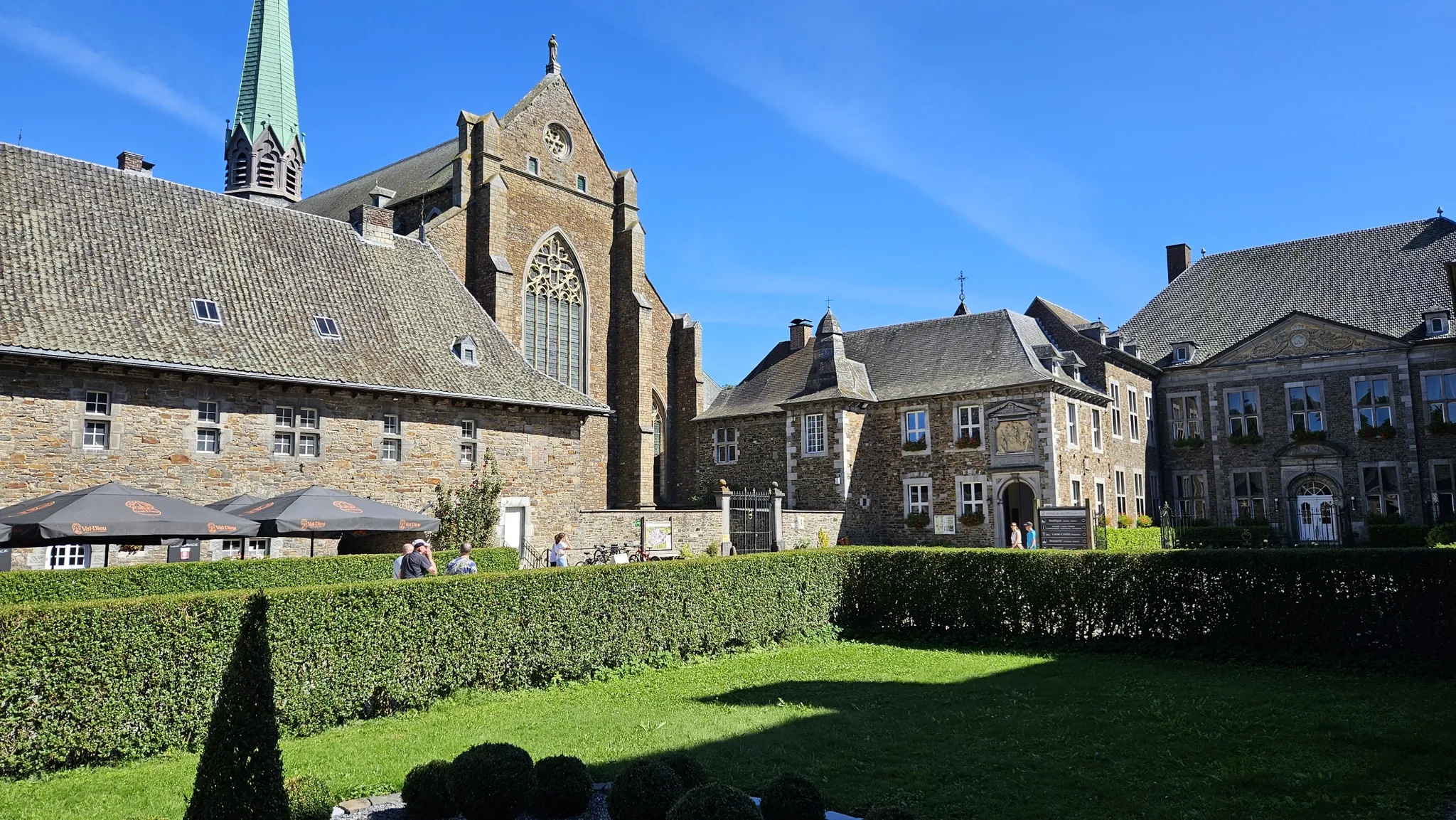
Entre bières et patrimoine — Véloroute des abbayes trappistes
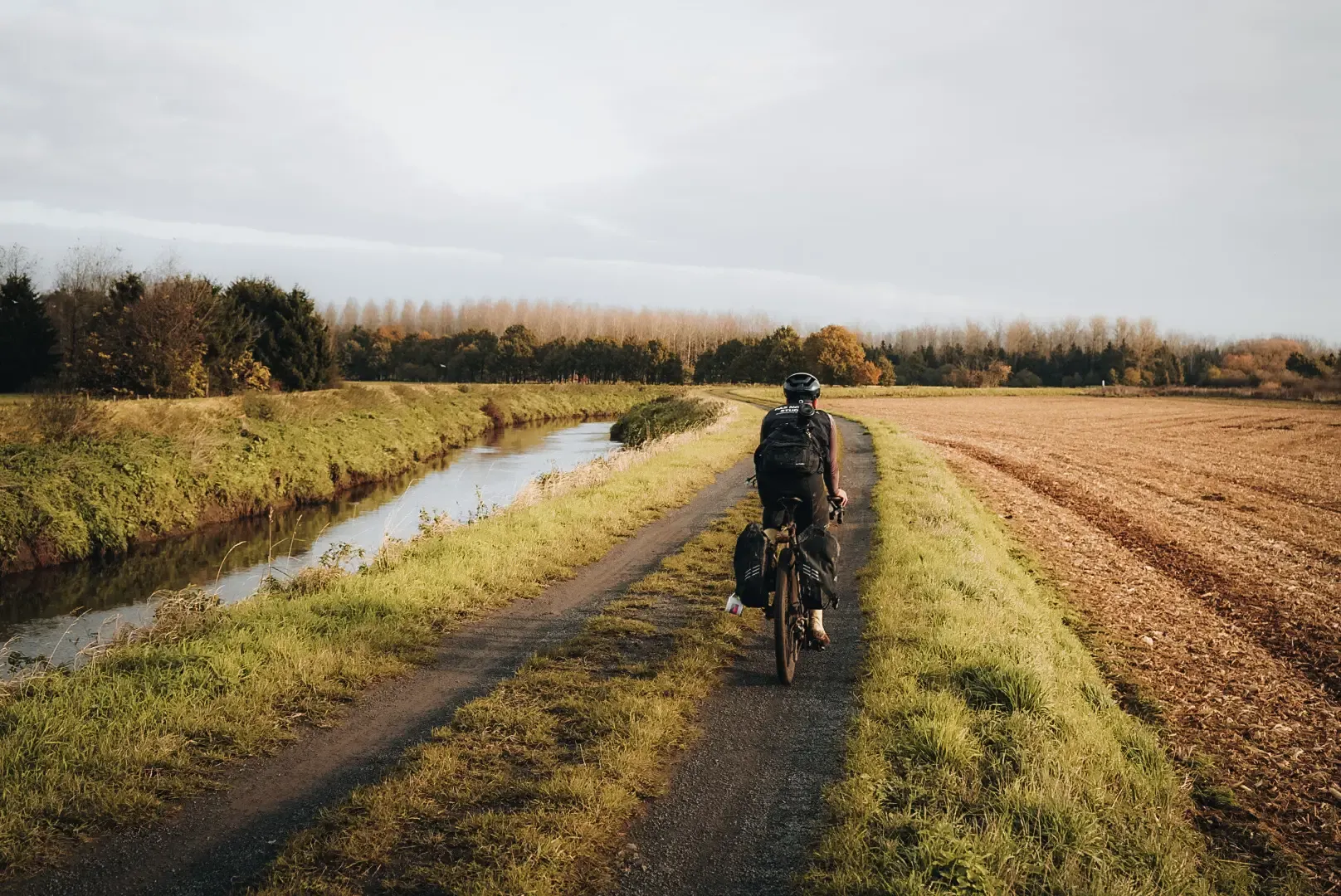
플랜더스 디바이드 - 플랜더스를 가로지르며
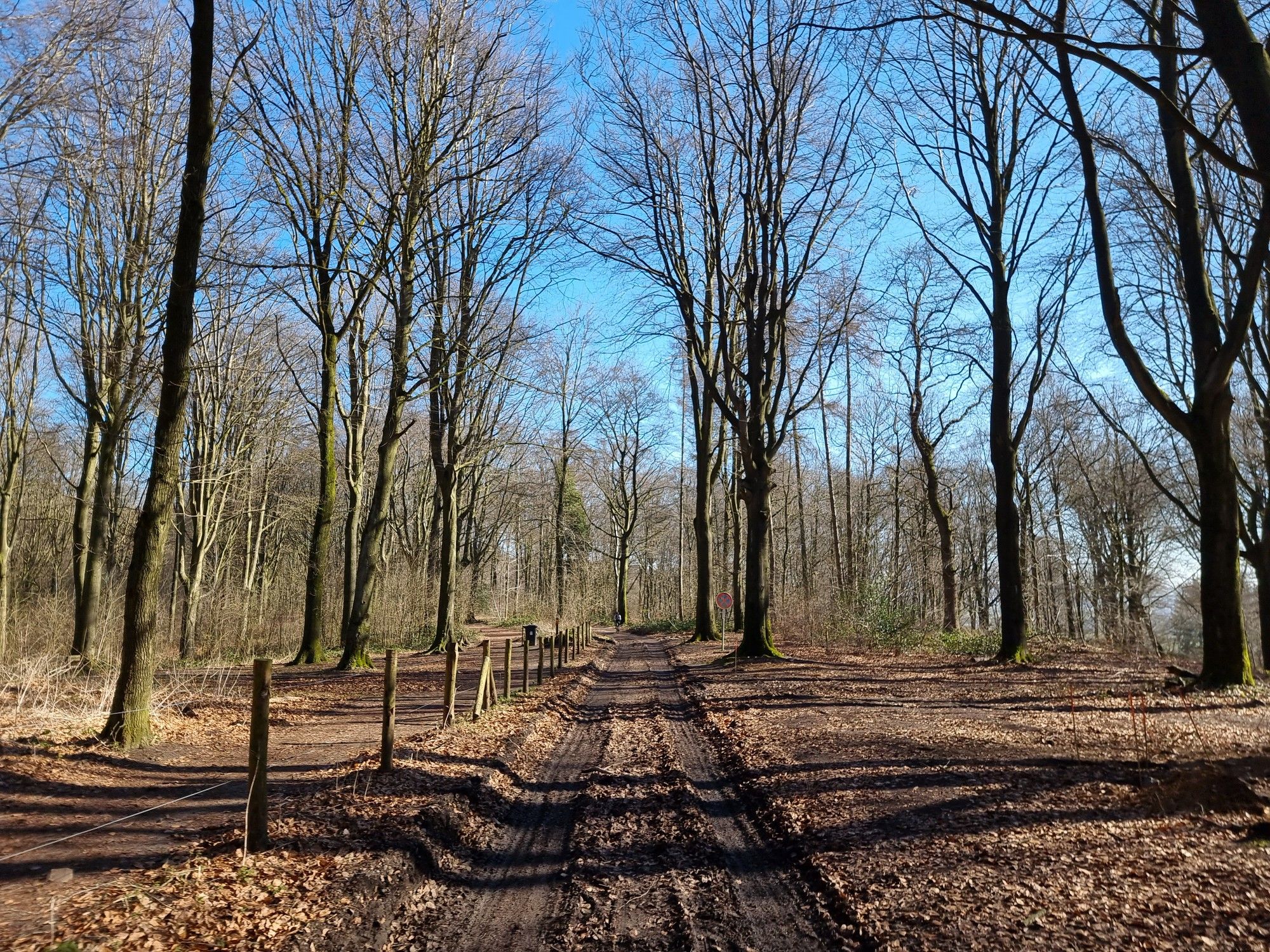
Grande Randonnée GRavel — Hainaut occidental
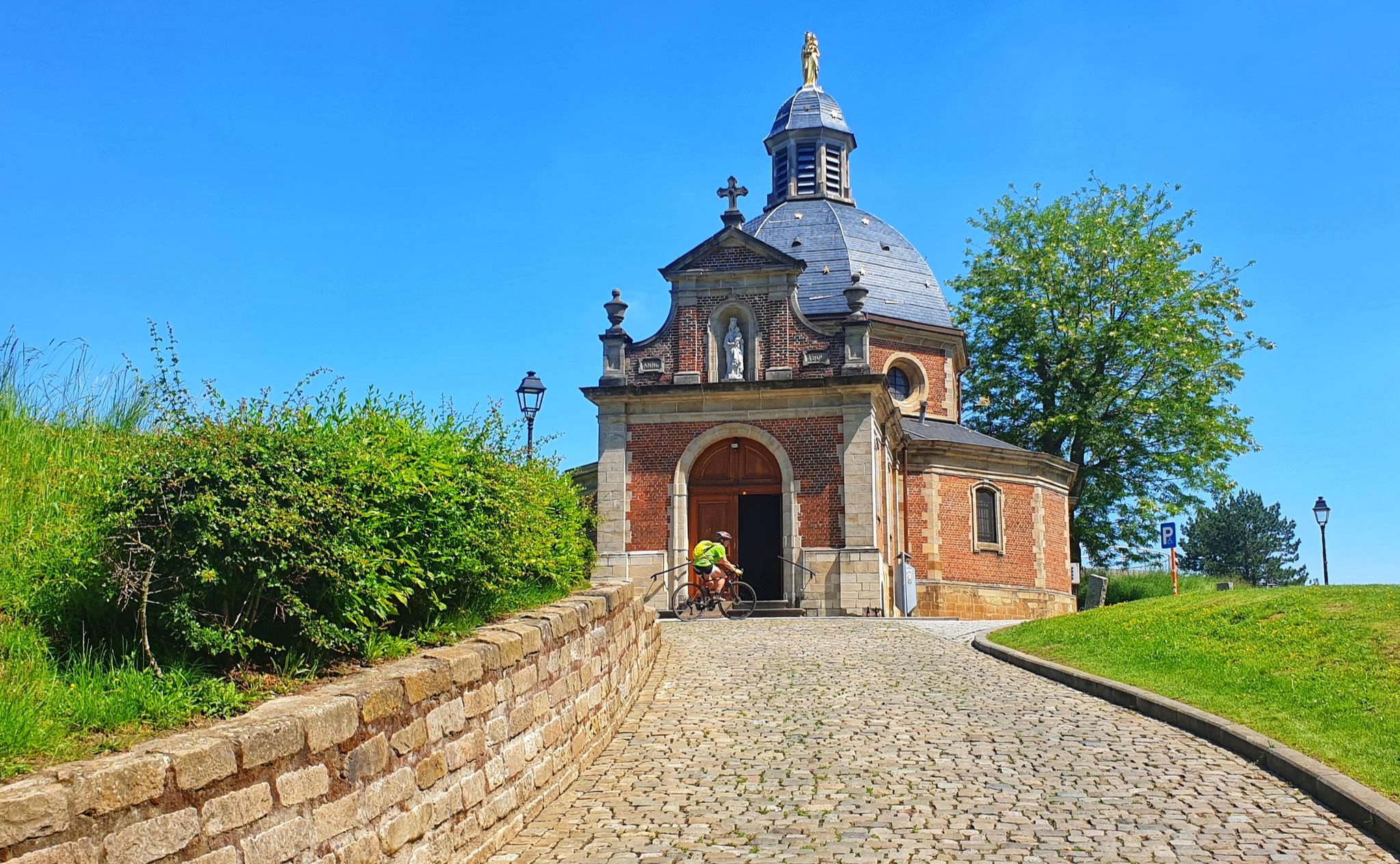
레이싱자전거로 2 일 동안 플란데런의 심장 부분을 통과하는 - 스파르타쿠스 루트

7일간의 자전거 여행 남플란데런 힐스 - 힐스 루트
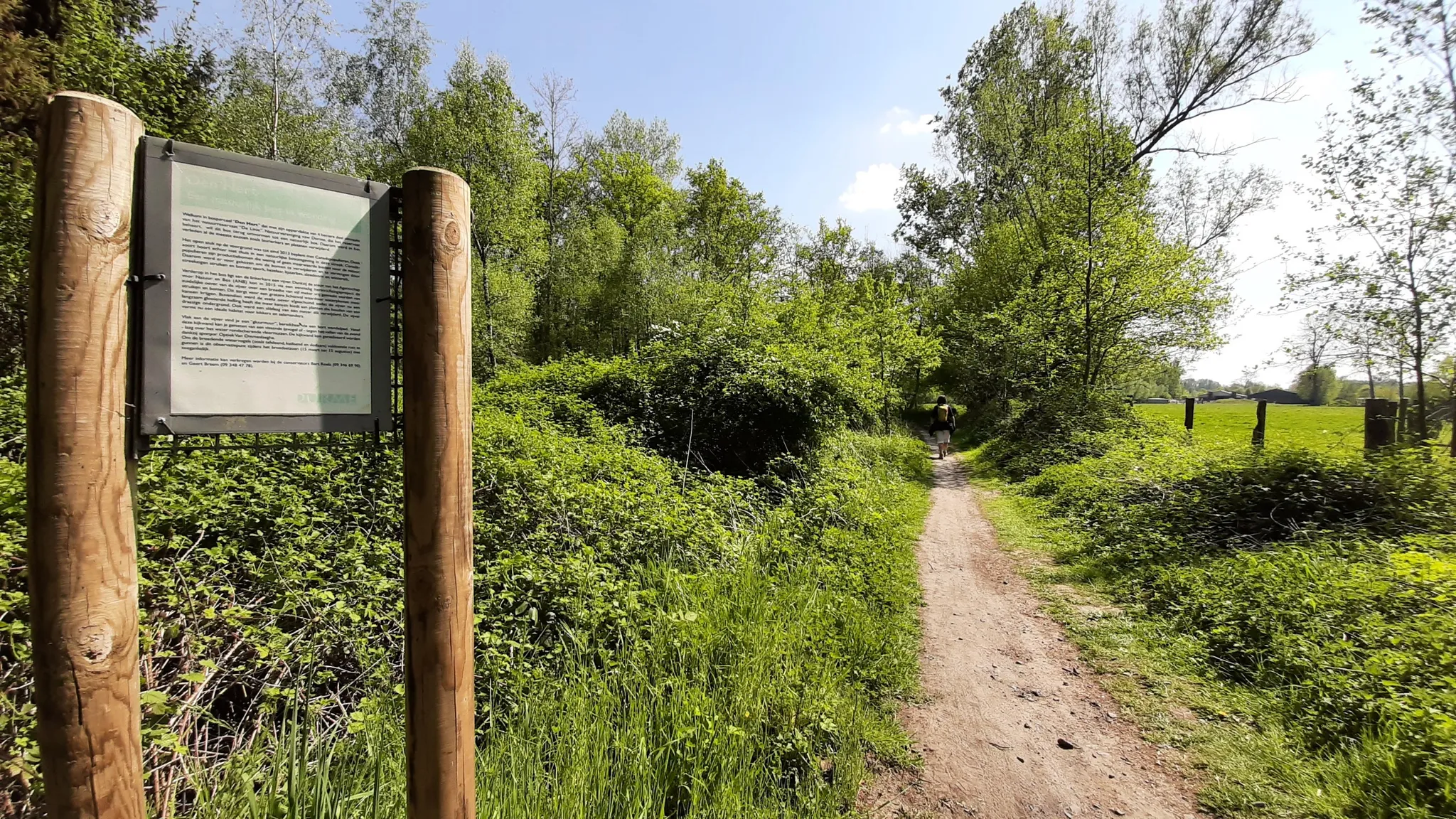
인 헷 스포르 판 덴 포스 레이나르데 – 스트레크-GR 와스- 엔 레이나르트랜드
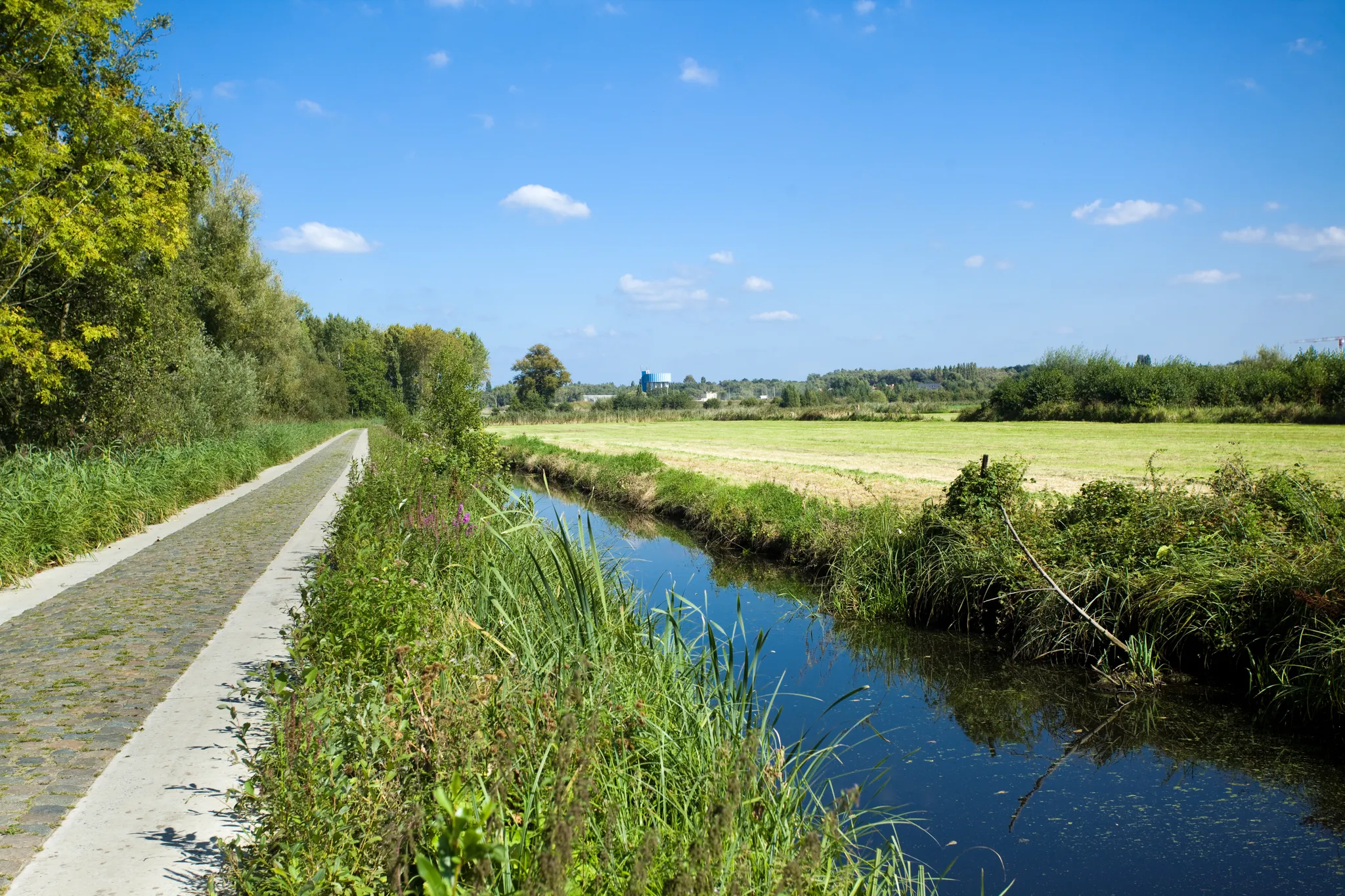
두 번의 자전거 탐험 국경 지역 - 스헬데와 제일랜드 사이
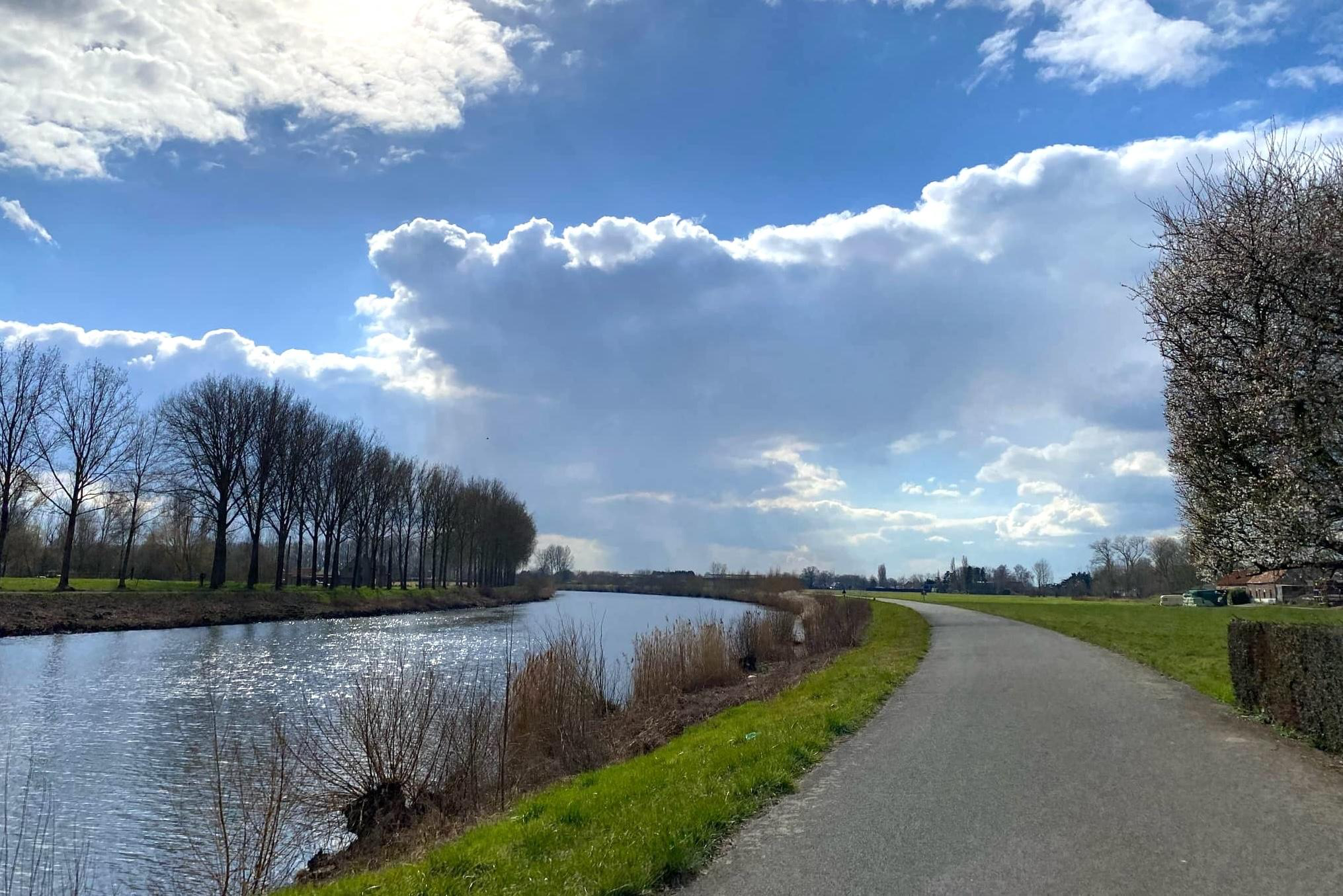
드라이 다겐 퓌어르 피엠스플레지어 판 스피어레 투트 장드플리에트 – 스헤ル더라우트
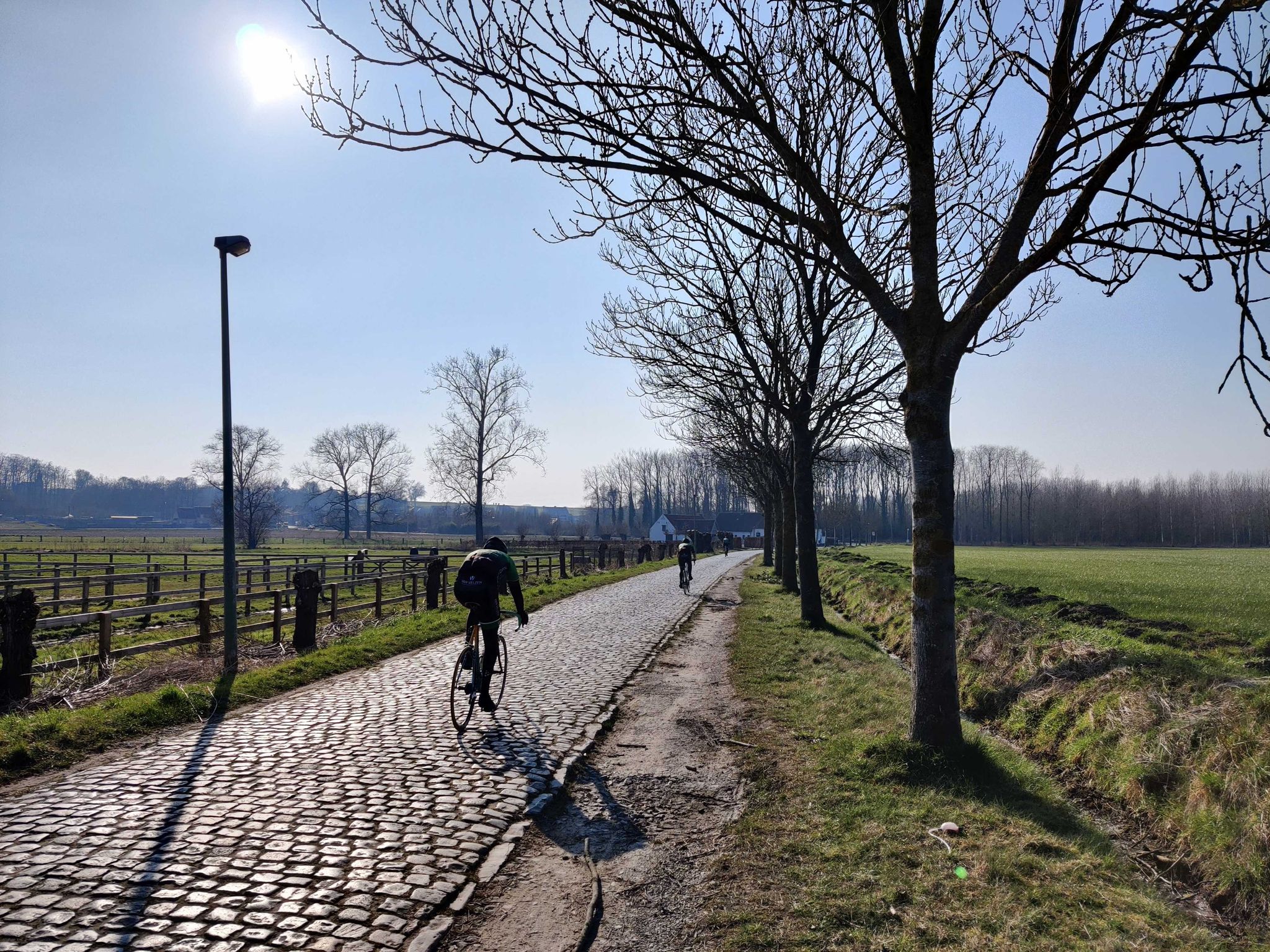
Become a Flandrien – take on climbs in the Flemish Ardennes
From station to station through nature – station hoppers in East Flanders
셸데 주변의 다른 모험


커뮤니티 팁

Oudenaarde의 요새가 철거된 후, 해방된 부지는 매각되었습니다. 명망 있는 Liedts 가문은 "Eindries"에 있는 부동산을 구입하여 그곳에 공원을 조성했습니다. 1860년경 Charles Liedts는 이 공원에 신고전주의 양식의 하얀 칠을 한 작은 집을 지었습니다. Charles는 프랑스와의 성공적인 외교 협상이 벨기에와 프랑스 간의 자유 무역 협정으로 이어진 후 남작으로 임명된 저명한 벨기에 법률가이자 정치가였습니다. 그의 아들 Amedée Liedts는 1883년에 이 작은 집을 오늘날의 Liedts 성으로 개조했습니다. 르네상스 특징이 주로 가미된 절충주의 양식으로 지어졌습니다. 건물에는 "All for Duty"라는 가문의 모토가 새겨진 카르투슈로 장식되어 있습니다. 창틀에서는 Amedée Liedts의 이니셜을 볼 수 있습니다.
0
0

The castle was built by the Spanish nobleman Don Pedro Coloma and still exudes its former grandeur. Philippe de Marnix, Lord of Sainte Aldegonde, was the right-hand man of Prince William of Orange. He played a key role during the siege and fall of Antwerp in 1585 while mayor of the city. He is also mentioned as a possible author of the Wilhelmus, the Dutch national anthem.
7
0


Today, the castle is home to the Vrijzinnig Centrum Liedts (Liedts Free Centre), which gives the building a contemporary cultural and social function. The park, still open to the public, serves as Oudenaarde's green lung, connecting the rich history of the Liedts family with the daily life of the city. It's a lovely place to stroll.
11
0
Few buildings in the Waasland region hold such a mythical allure as the Graventoren (Counts' Tower) in Rupelmonde. The names associated with it certainly contribute to that. This tower, for example, is the remnant of a moated castle with no fewer than 17 towers, once owned by the Counts of Flanders. This colossal fortress protected the Scheldt River from attackers and conquerors. Mercator's Dungeon Mercator also plays a key role in this story. When he shared his revolutionary insights with the world, he was promptly sent to the dungeon by the church authorities. Guess where that dungeon was located? Exactly, in the cellars of the Graventoren. Here he was imprisoned for seven months, accused of heresy. A Bloody History Mercator, however, was not the only one to enter the cellars of the moated castle. Many dissidents suffered the same fate, and often worse. A stay in the dungeons of the Graventoren (Counts' Tower) often ended with a bloody decapitation. While the Counts of Flanders may have enjoyed legendary status in history, they were certainly not gentlemen. Count Robert of Bethune once even threw his own son in jail here, accused of high treason. A kind of chamber arrest before its time, you might say. At the end of the 17th century, the moated castle came to an end. The fortress was drastically destroyed, and the rubble was reused for other buildings. For example, the church of Rupelmonde was built with materials from the castle ruins.
9
0
When you say Rupelmonde, you say Mercator and the Graventoren. This historic tower is a former moated castle that is linked to a bloody history. The Graventoren was once owned by the Counts of Flanders. This colossal fortress protected the Scheldt from attackers and conquerors. Historical context: Mercator's dungeon Mercator also plays a leading role in this story. When he shared his revolutionary insights with the world, he was promptly sent to the dungeon by the church authorities. Guess where that dungeon was located? Exactly, in the cellars of the Graventoren. He was locked up here for seven months, accused of heresy. A bloody history However, Mercator was not the only one who saw the cellars of the moated castle from the inside. Many dissidents suffered the same fate, and often worse. A stay in the dungeons of the Graventoren often ended with a bloody beheading. The Counts of Flanders may have a legendary status in history, but they were not sweethearts. Count Robrecht van Bethune once even threw his own son in jail here, accused of high treason. A kind of room arrest avant la lettre, you could say. At the end of the 17th century, the curtain fell for the moated castle. The fortress was then drastically destroyed and the rubble was reused for other buildings. For example, the church of Rupelmonde was built with materials from the ruins of the castle.
7
0

Some local bars in this area. Good place to rest
0
0

Liedts Castle After the demolition of Oudenaarde's former city walls, part of this vacant land was sold to the prominent Liedts family. Charles Liedts, one of the founding fathers of Belgium, Minister of Finance in the mid-1800s, and one of the founders of the National Bank of Belgium, had a country house built there around 1860. Originally a white plastered castle, it was rebuilt in 1883 by his son, Amedée Liedts, in an eclectic style. The park, in the English landscape style, was largely laid out between 1865 and 1869. In 1907, the childless Amedée donated Liedts Castle, along with its library, art collection, and park, to the city of Oudenaarde, which opened the estate as a city park. Today, the castle is home to the VCL, the Liedts Liberal Centre. The park is open to the public and is the green lung of the city of Oudenaarde.
9
0


