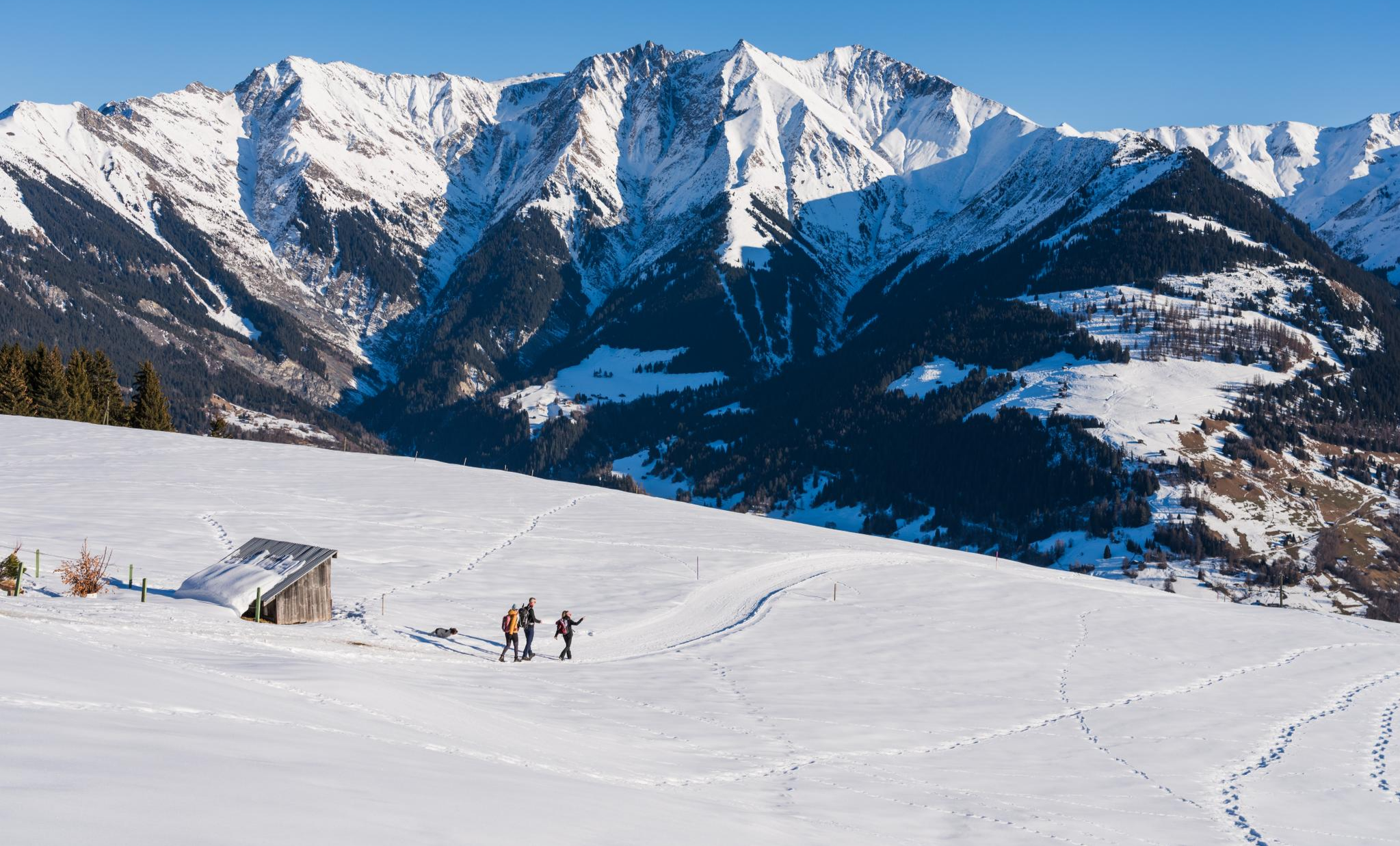
사피엔탈에서 가장 멋진 산길을 아래에서 살펴보세요. 풍경을 감상하기에도 좋고, 오르막길/내리막길을 따라 걷기에도 좋은 곳이랍니다. 커뮤니티가 특별 도움을 통해 공유한 콘텐츠인 만큼 믿을 수 있는 정보이니 마음에 드는 산길이 있다면 바로 다음 모험 계획에 추가해서 바로 방문해보세요.
마지막 업데이트: 5월 29, 2026
하이라이트 • 산악 고개
번역문 보기
팁에 의해
하이라이트 (구간) • 산악 고개
번역자 Google •
팁에 의해
이런 장소를 발견하려면 지금 가입하세요
최고의 싱글 트랙, 봉우리 및 다양한 흥미로운 야외 장소에 대한 추천을 받아보세요.
무료 회원 가입
하이라이트 • 정상
번역자 Google •
팁에 의해
무료로 가입하여 사피엔탈 주변의 더 많은 산악 고개를 발견하세요.
무료 회원 가입
이미 komoot 계정이 있나요?
오늘 무료 계정으로 시작하세요
다음 모험이 기다리고 있어요.
로그인 또는 가입하기
사피엔탈 주변 인기 장소
Winter Magic in the Surselva – peace, space and pure nature
Step into the hiking season – spring routes in Graubünden
Alpejski Passes Trail - 완로이 대리스타일 아습니다.
A winter mountain paradise – discover the Surselva
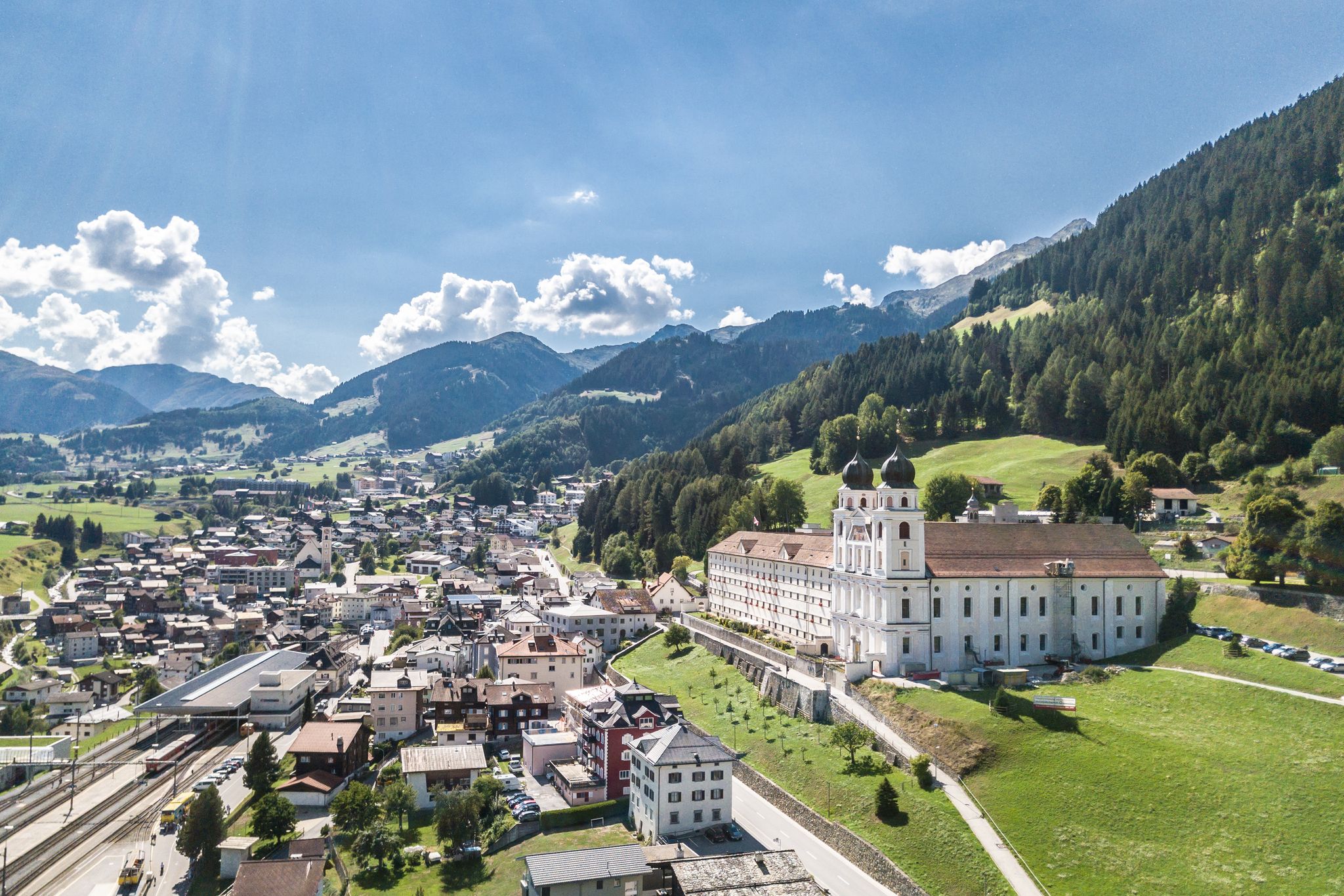
Between water, rock and forest - Grischun Cultura Surselva
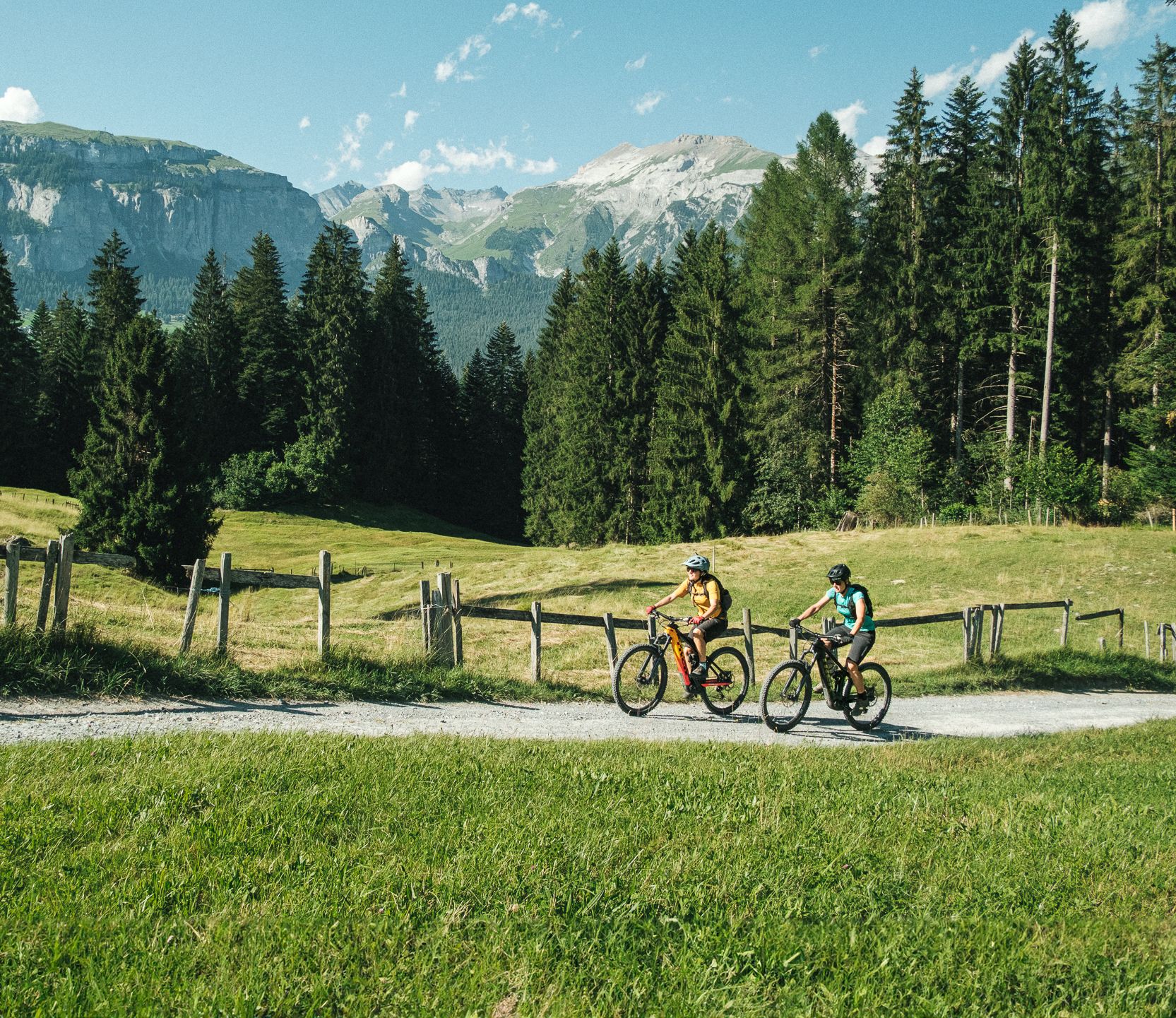
The most beautiful cross country e-bike Tours in Flims Laax Falera
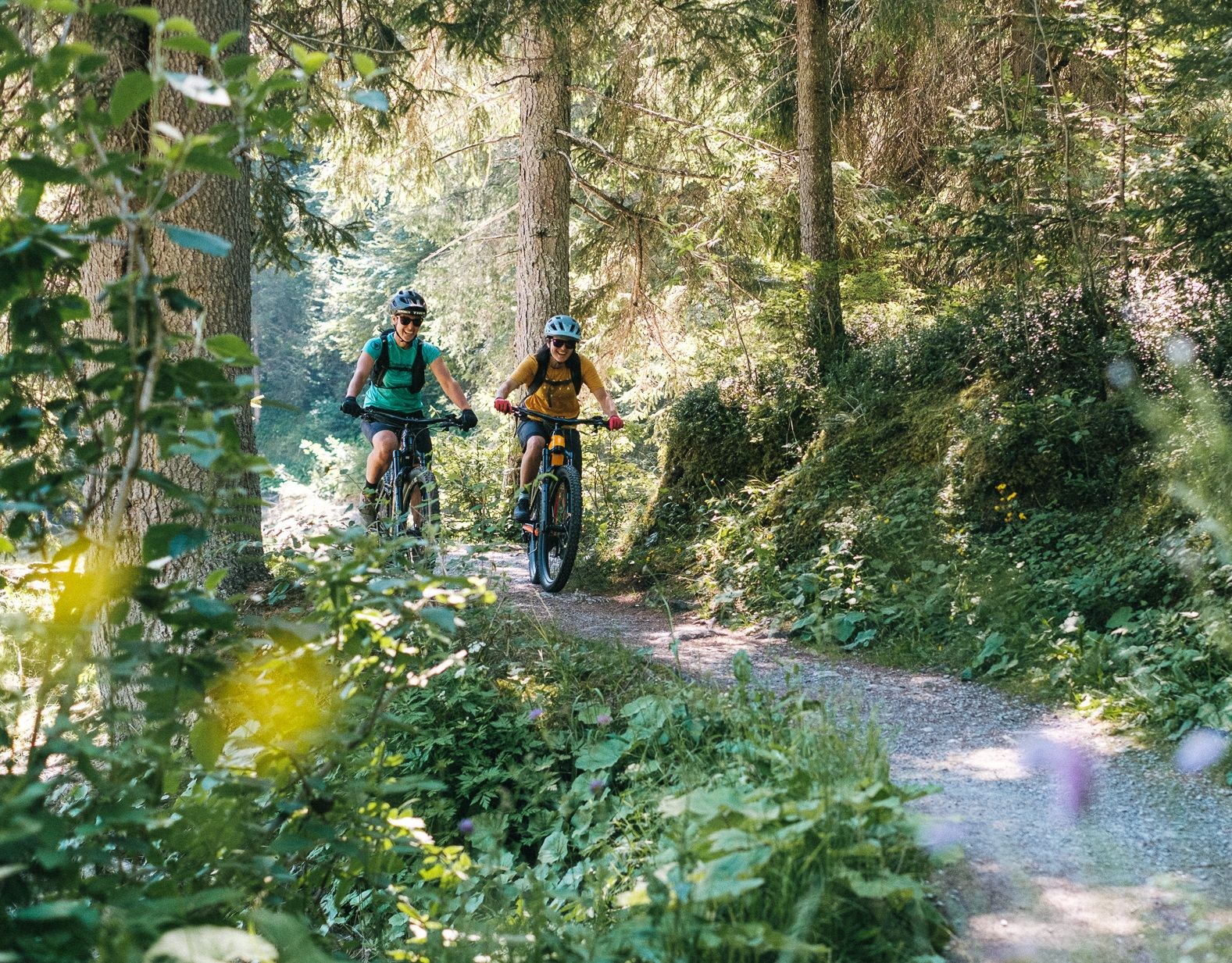
The most beautiful cross country Tours in Flims Laax Falera
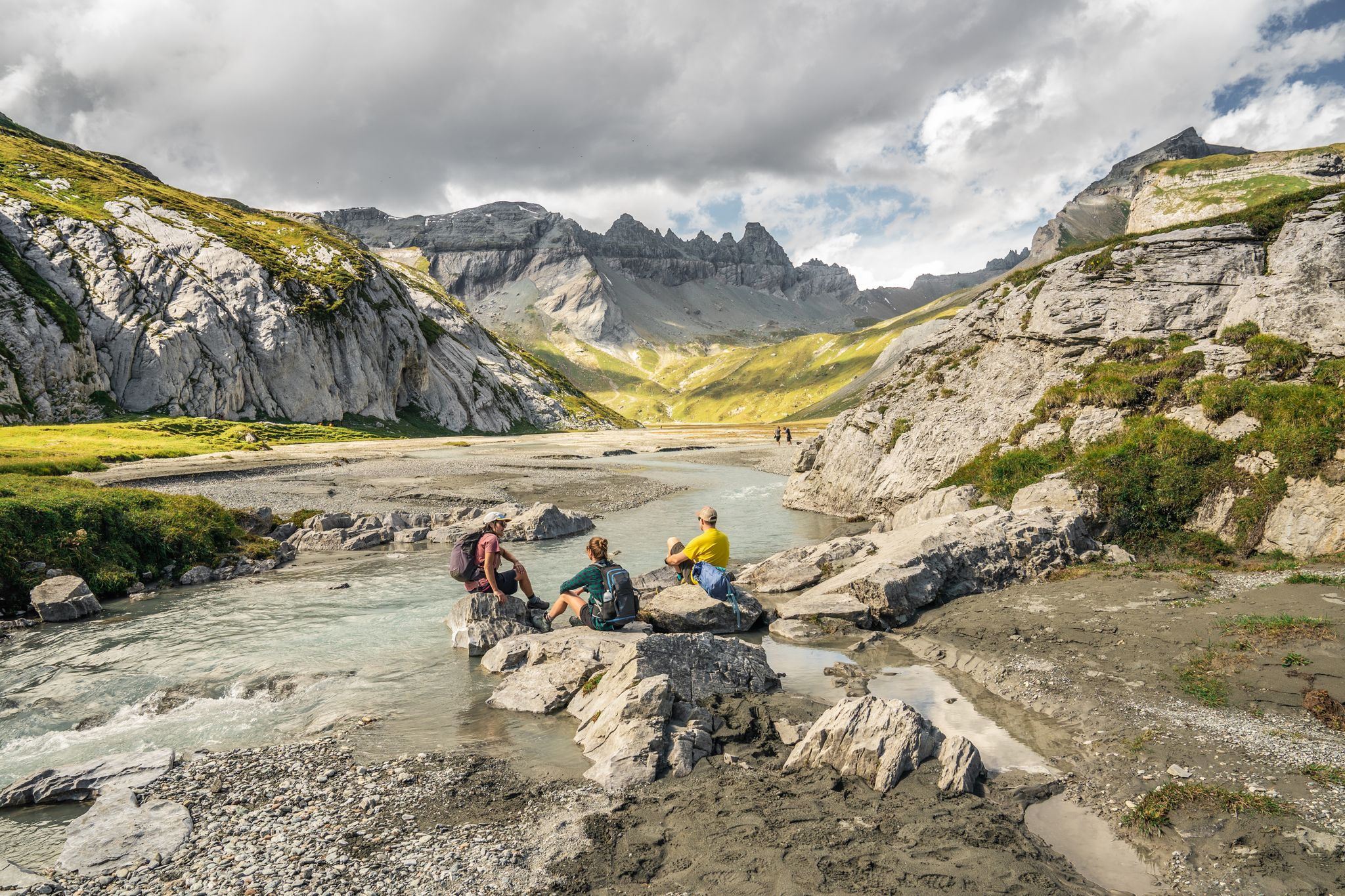
Catch hiking buses to spectacular walks in Flims, Laax & Falera
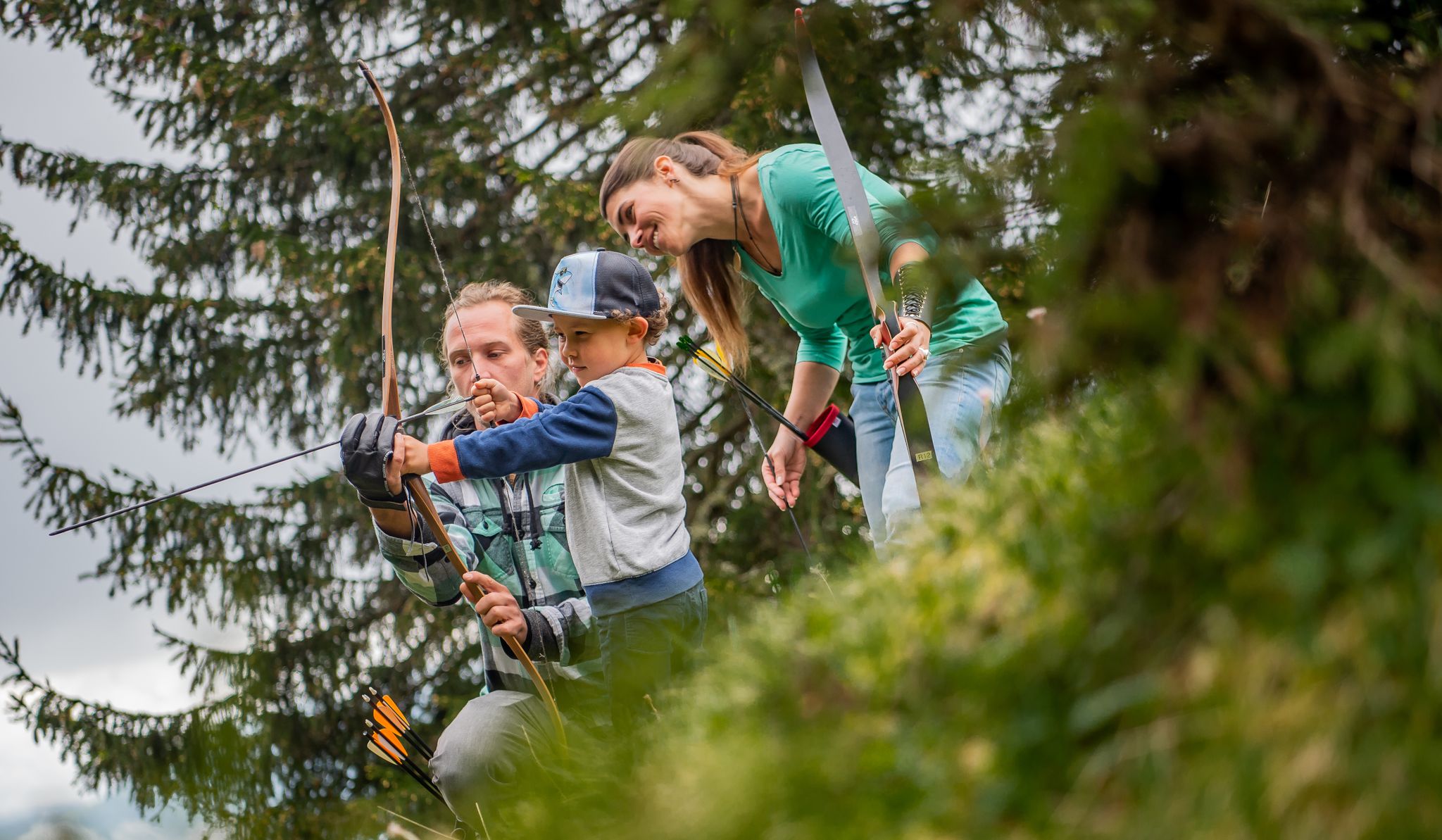
Water, mountains and Robin Hood — family fun in Switzerland
사피엔탈 주변 그래블 라이딩
Steep climb, but no problem with e. Exciting views from the tunnel windows. 👌
2
0
The panoramic view of the Graubünden mountains is simply incomparably beautiful.
6
0
Splügen Pass / Passo dello Spluga The Splügen Pass has been proven to have been used since prehistoric times. There are also references to this in Roman times, e.g. the Itinerarium Antonini, a Roman road map from around 300 AD. The very close connections between the bishoprics of Chur and Como ran over the Splügen Pass. As early as 1396, there was evidence of significant customs revenues at Splügen. The expansion of the Viamala Gorge promoted its boom. The movement of goods was carried almost exclusively by packhorses, which meant frequent reloading. Transit traffic formed an important part of the flourishing economy. As late as 1798, the Austrian Field Marshal von Bellegarde wrote: "The largest train of goods from Milan to Germany goes over this pass, but mostly on horses and mules." Between 1818 and 1823, the first road that was passable for freight wagons and stagecoaches was built at the same time as the San Bernardino, and to a large extent it still follows the same route as it was then. After that, freight volumes and international passenger traffic over the Splügen increased several times over and reached their peak in the mid-1850s. The opening of the Alpine railways (1867 Brenner, 1872 Mont Cenis) had already reduced transit traffic over the Splügen. The opening of the Gotthard Railway in 1882 brought Graubünden transit traffic to a virtual standstill. A large wave of emigration was a direct result. The decades-long efforts to build a Splügen railway ultimately failed. The construction of the national road with a car tunnel at the San Bernardino opened up new perspectives. The Splügen Pass has been closed in winter since World War II. Text / Source: Interest Group for Alpine Passes IAP, PO Box 11, 6491 Realp https://www.alpen-paesse.ch/de/alpenpaesse/spluegenpass/
11
0
Splügen Pass (Alpine crossing (2113 m) Alpine crossing (2113 m) on the border between the Rheinwald in the Hinterrhein valley and the Italian Val San Giacomo (St. Jakobstal). The village of Splügen at the northern starting point, mentioned around 840 as cella in speluca, gave the pass its name. Italian Passo dello Spluga, Romanesque Pass dal Spleia. In the Middle Ages, the Splügen Pass was also known as Colmen d'Orso and Urschler. At the same time as the San Bernardino, the first road that was open to freight wagons and carriages was built between 1818 and 1823. After the Simplon and before the Gotthard, the Lower Road was thus the second Swiss "artificial road" across the Alps. For the route from Chur over the San Bernardino to Bellinzona, the Kingdom of Sardinia-Piedmont was responsible for a large part of the costs, in addition to the canton of Graubünden. The The Lombardo-Venetian Kingdom saw this as a threat to the volume of traffic over the Splügen Pass and in return had a road built at its own expense across the national border to the village of Splügen. This road essentially corresponded to the route still used at the beginning of the 21st century. On the north side, according to the plans of engineer Carlo Donegani, the road no longer led through the avalanche slope of the Altberg. On the south side, an almost completely new route was chosen below Monte Spluga to Campodolcino, bypassing the Cardinell Gorge. Many galleries and refuge houses were built at regular intervals, especially on the south side. After the devastating flood damage of 1834, the road was rebuilt in some places. In 1841, the first mountain house with the customs station was built on the north side (2022 m). Text / Source: Historical Dictionary of Switzerland (HLS) https://hls-dhs-dss.ch/de/articles/008823/2013-01-10/
13
0
The Spluga pass (Splügenpass in German, Pass dal Spleia or Pass dal Splegia in Romansh and Cunus Aureus in Latin - 2,117 m a.s.l.) is one of the most important passes in the Alpine arc, known since ancient times for its easy transit: the modern arterial road that crosses it was built between 1821 and 1823, while the Roman-era via Spluga was built at the end of the 1st century BC; in its vicinity is the farthest point in Italy from the sea as the crow flies, equal to about 240 km.
3
0
The border between Switzerland and Italy. Very nice view of the surrounding Alps
4
0
Gentle and flat to the east, steep and somewhat exposed to the west. This is how the pass between the Heinzenberg and the Safiental appears.
1
0
이 가이드를 통해 더 많은 장대한 산악 통과를 확인해보세요 사피엔탈 주변: