프라토에서 가장 멋진 3개의 동굴
성을 방문하는 건 언제나 특별한 일이에요. 하이킹을 하다가 잠깐 들를 때도, 가이드를 따라 제대로 둘러볼 때도 말이죠. 프라토에 있는 아름다운 성 3
곳을 아래에서 살펴본 후에 마음에 드는 성을 다음 모험 때 만나보세요!
마지막 업데이트: 7월 29, 2026

Rocca di Cerbaia
하이라이트 • 성
번역자 Google •
팁에 의해

이런 장소를 발견하려면 지금 가입하세요
최고의 싱글 트랙, 봉우리 및 다양한 흥미로운 야외 장소에 대한 추천을 받아보세요.
무료 회원 가입
카르미냐노 요새 전망대
하이라이트 • 전망대
번역자 Google •
팁에 의해

베르니오 성채 전망
하이라이트 • 성
번역자 Google •
팁에 의해

몬테무를로 로카에서 바라본 전망
하이라이트 • 전망대
번역자 Google •
팁에 의해

오늘 무료 계정으로 시작하세요
다음 모험이 기다리고 있어요.
로그인 또는 가입하기


커뮤니티 팁

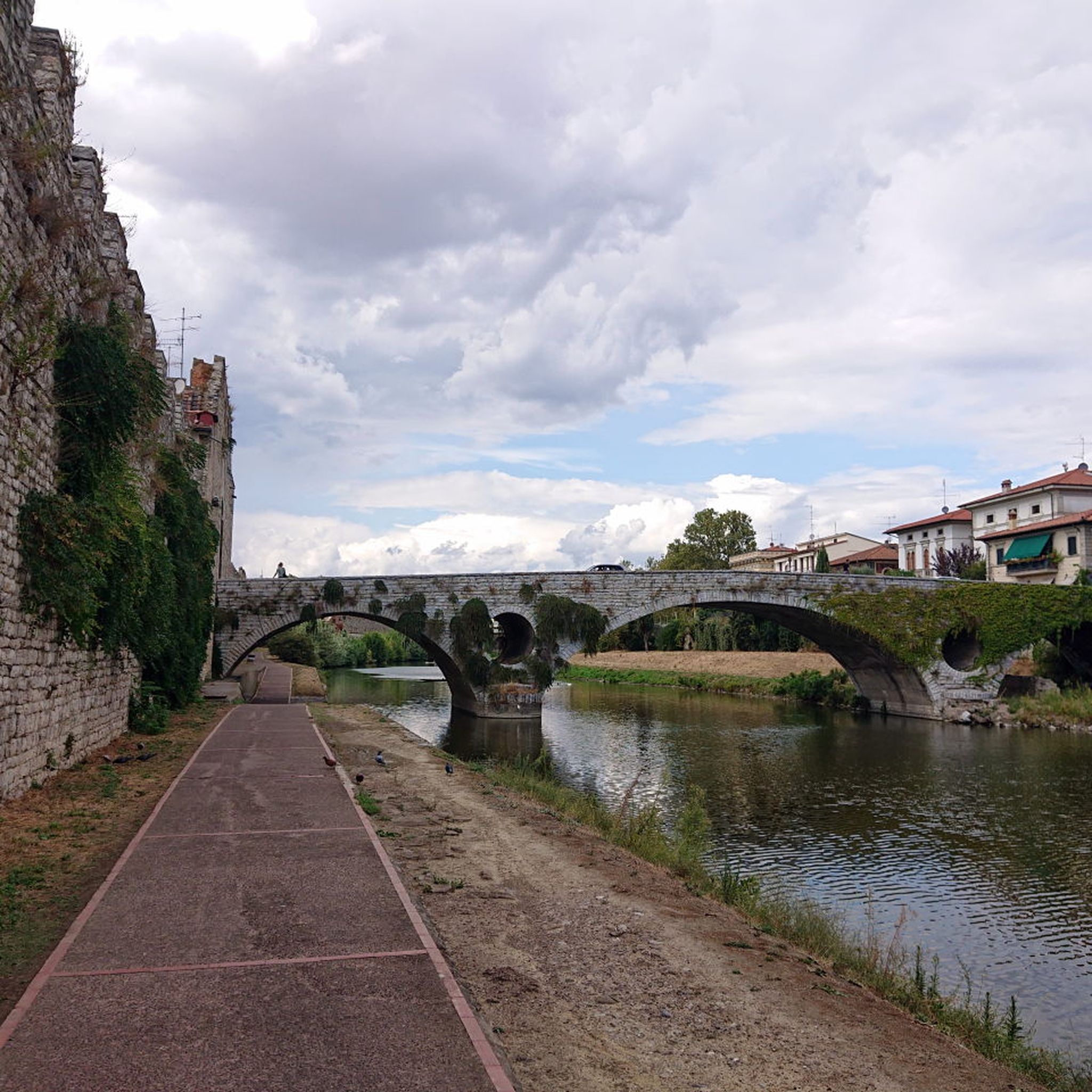
Castello dell'Imperatore (산타 바르바라 요새 또는 스베보 성으로도 알려짐)는 프라토의 역사 중심지인 산타 마리아 델레 카르체리 광장에 있습니다. 이 성은 중북부 이탈리아의 슈바벤(프레데리치아노) 건축의 유일한 예이며, 1237년에서 1248년 사이에 황제 프리드리히 2세 폰 슈바벤의 명령에 따라 건축가 리카르도 다 렌티니가 건설했습니다. 이 요새는 독일과 남부 이탈리아 간의 통신로를 감시하는 데 사용되었습니다. 구조 및 건축: 사각형 평면: 변의 길이는 약 40미터이며, 두께 2.5미터의 알베레세 석재로 된 벽이 있습니다. 8개의 탑: 4개의 주요 탑이 각 방위에 맞춰 모서리에 배치되어 있고, 4개의 중앙 탑이 있습니다. 기벨린식 성벽: 벽에는 고전적인 제비꼬리 모양의 성벽 장식이 있습니다. [1] 이중색 포털: 주 출입구는 고딕 양식과 로마네스크-토스카나 양식의 요소를 결합했으며, 흰색과 녹색 대리석의 교대 줄무늬가 특징이며 두 마리의 사자로 보호됩니다.
0
0

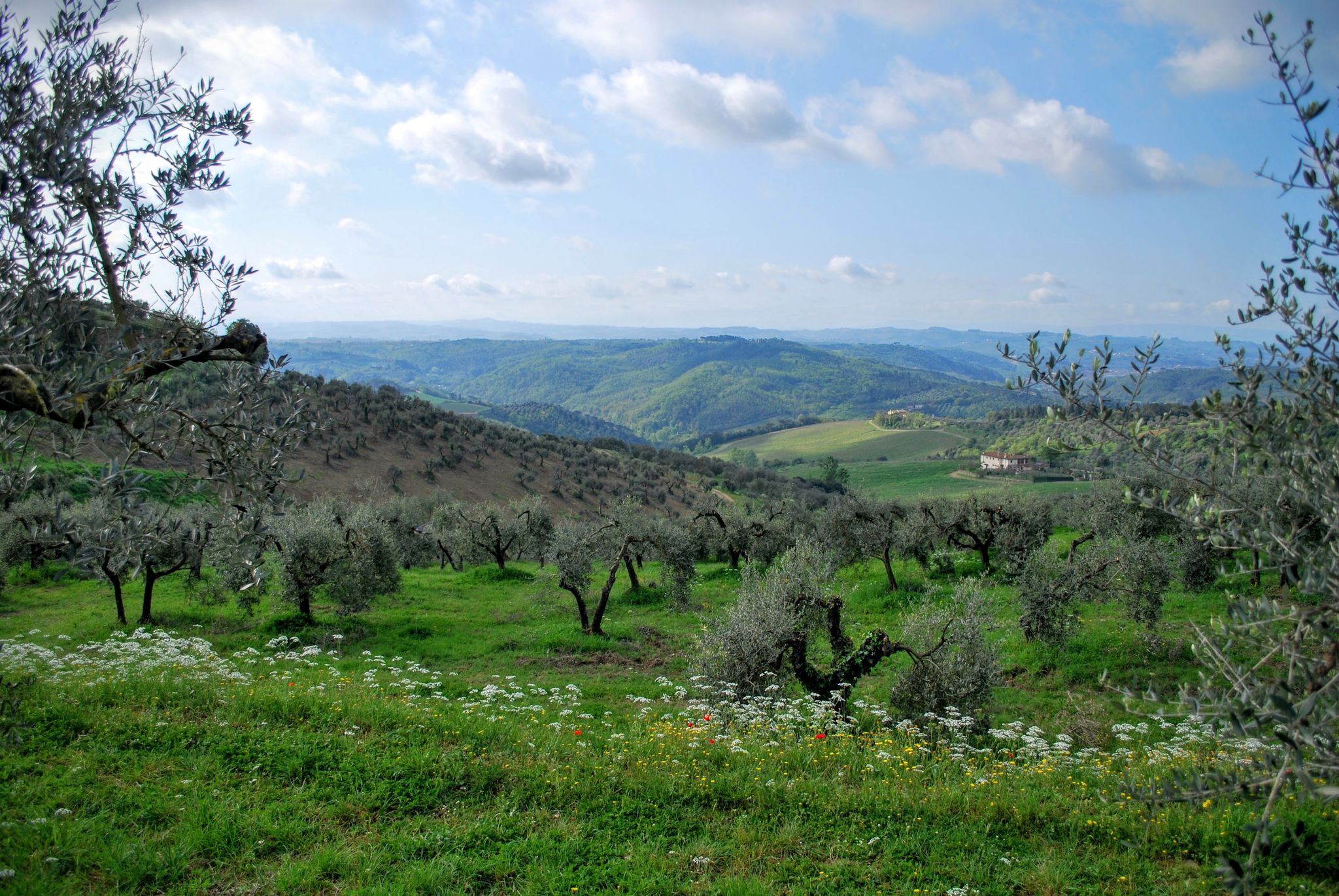
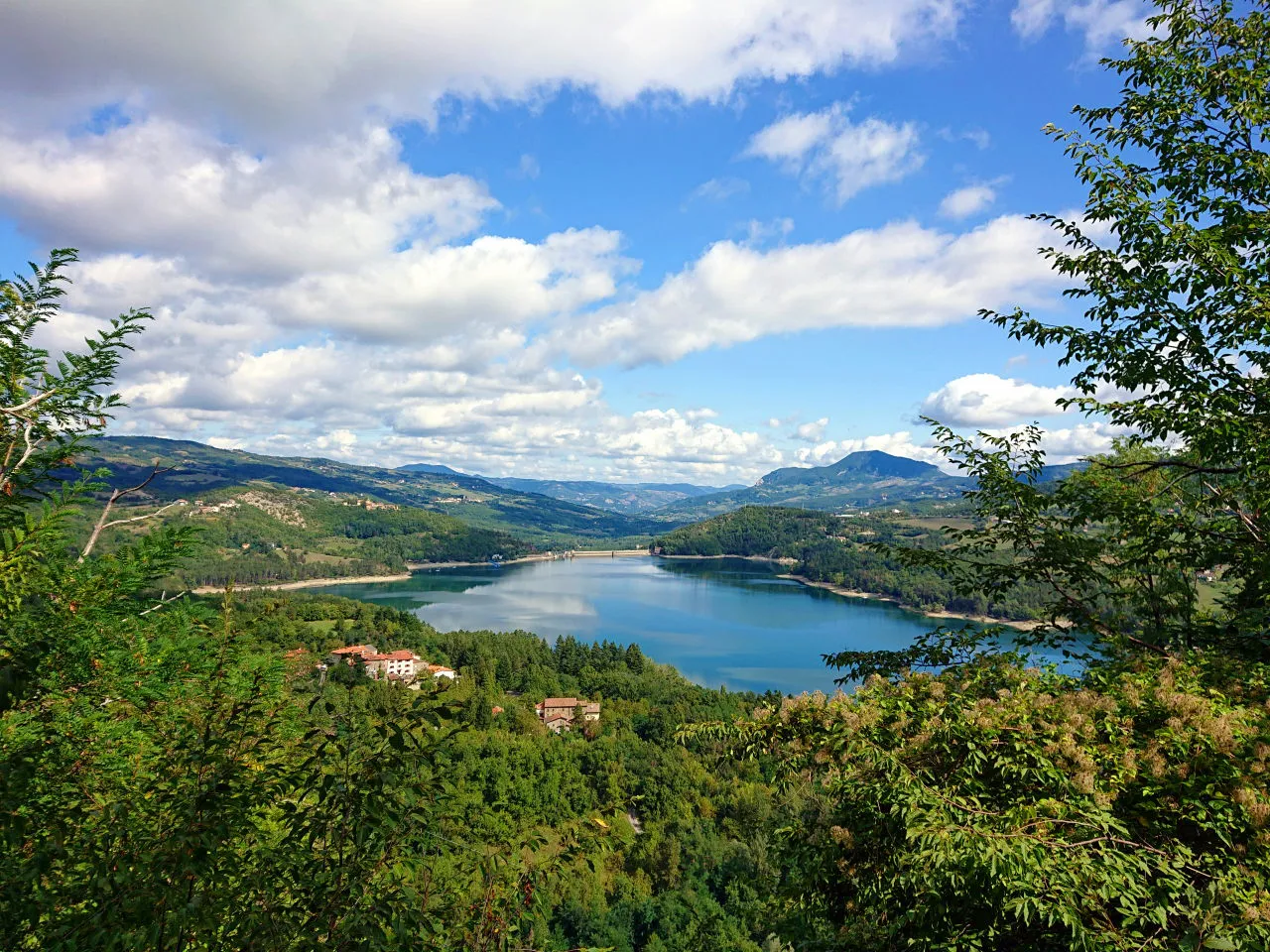
체르바이야의 바위(Rocca di Cerbaia), 또는 단순히 체르바이야 바위(Rocca Cerbaia)라고도 불리는 이곳은 비센치오 강 계곡을 내려다보는 거의 400미터 높이의 바위 절벽 꼭대기를 지배합니다. 수세기 동안 요새화된 구조물은 자연의 힘과 싸워왔으며, 이는 처음에는 버려짐을, 그다음에는 파괴를 초래했습니다. 오늘날 우리가 보는 모습에서의 기원은 1100년대 초반으로 거슬러 올라가는 것 같습니다. 당시 알베르티 가문은 토스카나와 아펜니노 산맥 너머 지역을 연결하는 '롬바르디아 길'이라는 고대 도로를 통제하기 위해 이곳에 요새를 세웠습니다. 군사적 기능에도 불구하고, 이 요새는 알베르티 가문이 오랫동안 거주지로도 사용했으며, 이는 성채 내부에서 여전히 볼 수 있는 높은 품질의 마감재로 확인됩니다. 거의 근거가 없는 전설에 따르면, 1285년에 볼로냐로 가는 도중이었던 시인 단테 알리기에리가 체르바이야 바위에서의 숙박을 요청했으나 알베르티 가문이 거절했다고 합니다. 같은 위대한 시인은 이 바위의 소유 가문 후손 중 한 명인 쿠니차 알베르티를 유명하게 만들었습니다. 그녀는 '신곡'(천국 IX, 13-36)에서 활기찬 연애 생활의 주인공으로 등장합니다. 1361년에 이 바위는 피렌체인들에게 팔렸고, 그들은 이곳의 중요한 전략적 위치를 보고 영구적인 군사 주둔지를 설치했으며, 두 번째 성벽과 다른 건물들을 건설하여 방어를 강화했습니다. 체르바이야 바위는 중세 시대의 전형적인 요새-울타리 성의 모습을 하고 있습니다. 강력한 성채가 거의 오각형 모양의 두 개의 둘러싸인 성벽을 중심으로 지배합니다. 이 건축물은 이 지역에 풍부한 사암으로 만들어졌습니다. 외부의 첫 번째 성벽의 넓은 부분과 남쪽 벽에 있는 입구 문은 여전히 알아볼 수 있으며, 이 문을 통과하면 왼쪽에 '팔라초 누오보'라고 불리는 건물의 잔해가 있고, 오른쪽에 통 모양의 지붕을 가진 물탱크의 남은 부분이 있습니다. 이 모든 건물은 1300년대 상반기에 지어졌습니다. 이 첫 번째 성벽 외부에는 단일 신도의 S.Martino 교회의 폐허가 있습니다.
1
0

Going up the SRT 325, at the beginning of the village of Sasseta, on the right we can see the Rocca di Vernio. Shortly after, a small road, always on the left, leads to the castle. It was the seat of the County of Vernio, first owned by the Alberti counts and then from the fourteenth century by the Bardi, well-known Florentine merchants. Originally the castle was large and well structured for defense, but subsequently the military part was destroyed on several occasions. The medieval village consisting of the residence of the feudal lords and a chapel dedicated to Sant'Agata has remained well preserved. The County, an imperial vicariate, remained in existence substantially until the Napoleonic conquests of the late eighteenth century and, formally until 1815 when, with article 100 letter D) of the general treaty of Vienna, it was abolished and annexed to the Grand Duchy of Tuscany.
3
0
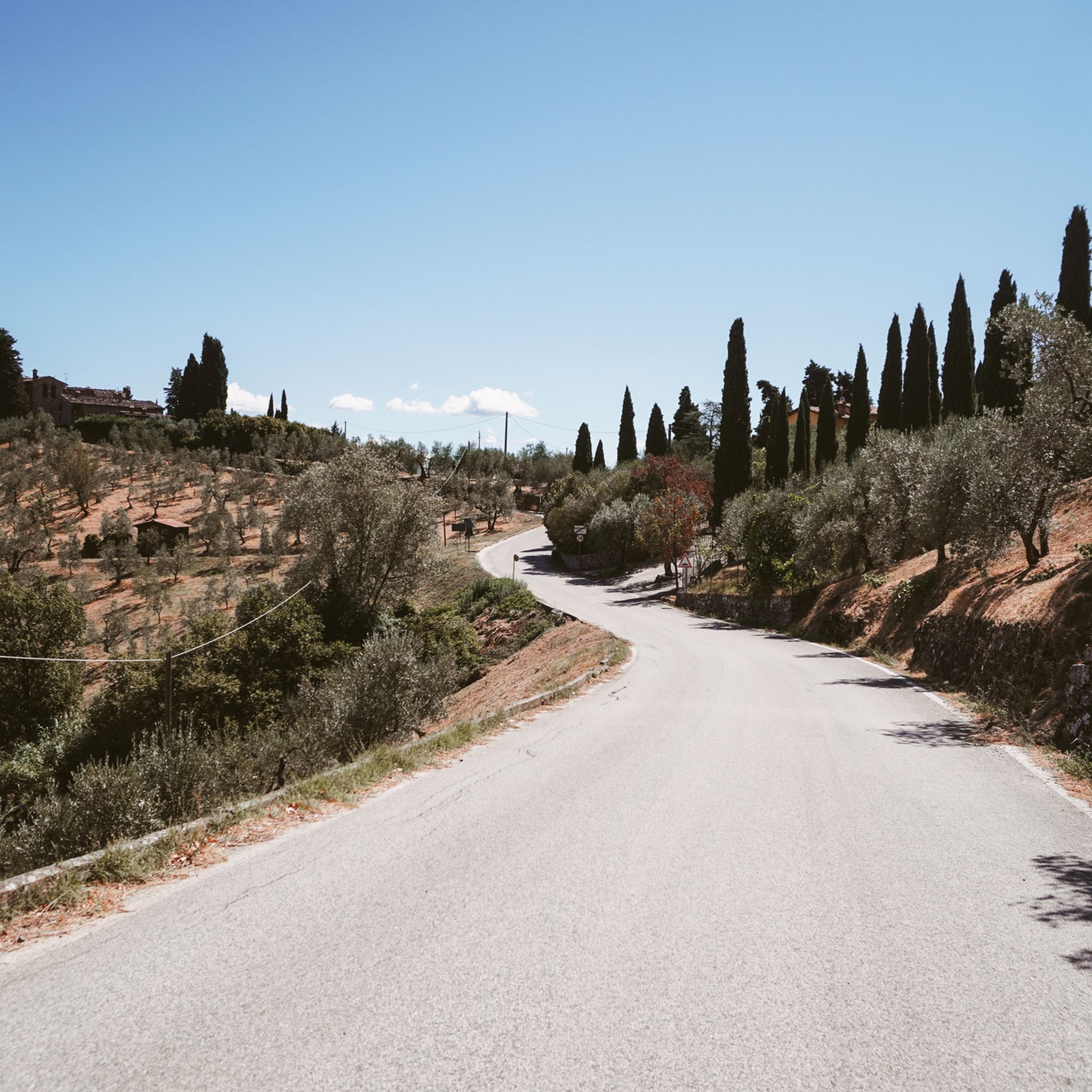
The Rocca or Castle of Carmignano has dominated the village from above for over a thousand years: the bastion was in fact mentioned for the first time in the year 998, in a document by Otto III of Saxony which granted ownership to the bishop of Pistoia. The Rocca was the object of continuous battles between Pistoia, Florence and Prato, due to its strategic position in the political-military context of the Middle Ages: from up here, in fact, you can admire the entire plain between the three cities. After having resisted, in 1154, a siege conducted by troops from Prato and Florence, the castle was destroyed for the first time in 1228 by the Florentines. Having regained possession of Pistoia in 1242, the fortification was rebuilt and in the early fourteenth century sold again to Florence, which proceeded to demolish the fortress and the castle walls once again. After a new parenthesis in Pistoia (1315-1324) the castle returned to Florentine hands, only to be besieged and conquered by Castruccio Castracani, who made it his own stronghold until 1328, when it finally returned to Florence. The Rocca di Carmignano can be accessed via a pedestrian path (starting from the church of San Michele, where Pontormo's famous Visitation is kept) that climbs the hill full of olive trees, where you can enjoy a beautiful view of Montalbano. Few remains of the medieval walls around the Rocca remain, partly rebuilt as the Campano, with the bell tower and clock, while in the center stands a medieval tower, called the Maschio della Rocca. (www.visittuscany.com)
0
0
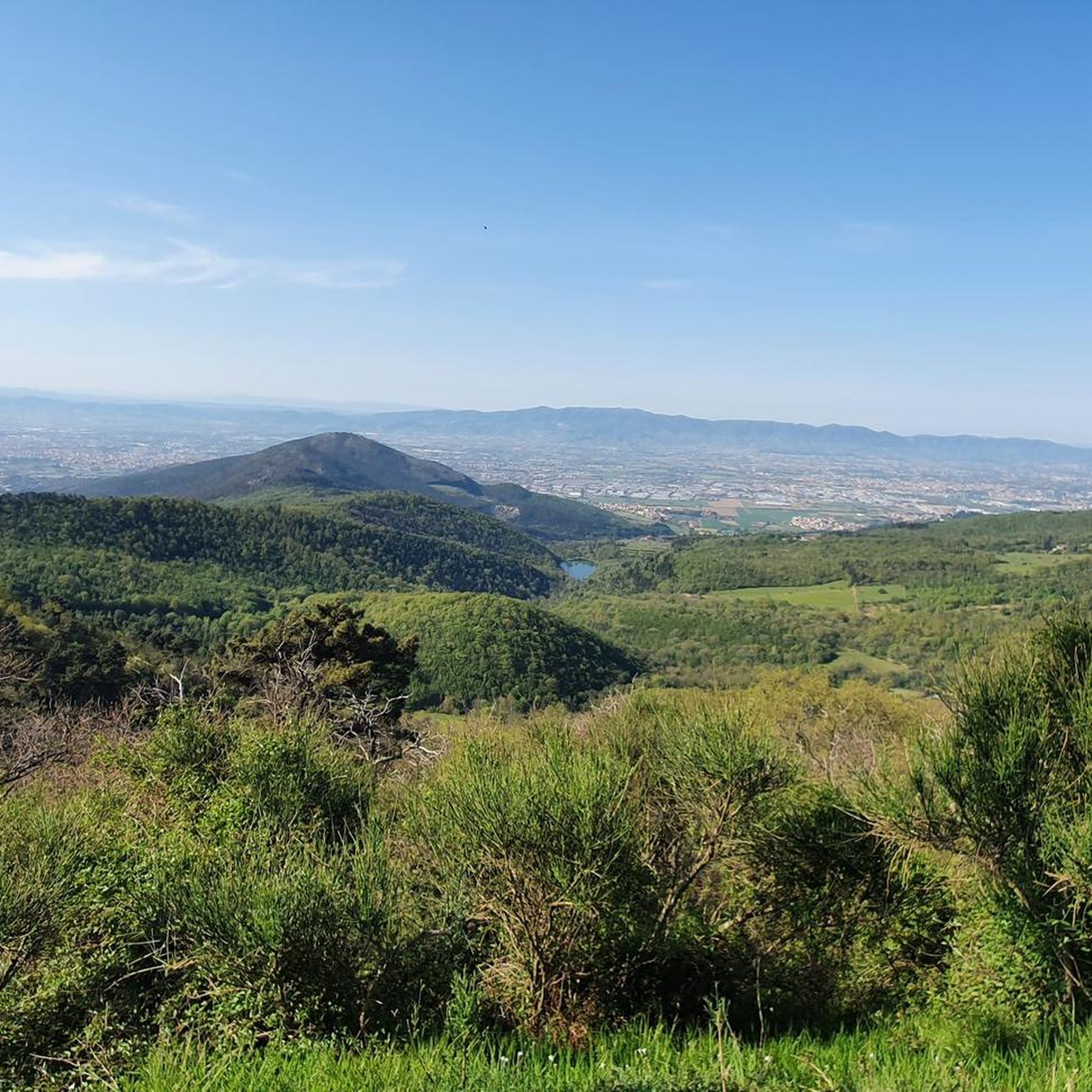
Beautiful panorama of Monte Ferrato and the entire Prato plain. On clear days you can see the dome of the Florence Cathedral very well.
1
0
La Rocca above The village of Carmignano is worth a visit and not just for the view. From this fortress there were two arms that the Pistoiesi had placed and that "made the figs" towards Florence. For more information, consult the Divine Comedy.
0
0

The Emperor's castle is located in Prato in Piazza delle Carceri. It is an example of Frederick architecture, built by order of Emperor Frederick II of Swabia, in the context of the struggle for dominance in Tuscany between the empire and the papacy which characterized the decades between the 1200s. Source: https://it.wikipedia.org/wiki/Castello_dell'Imperatore
1
0
It is the Roccadi Carmignano
0
0


