마사카라라에서 가장 멋진 20개의 동굴
성을 방문하는 건 언제나 특별한 일이에요. 하이킹을 하다가 잠깐 들를 때도, 가이드를 따라 제대로 둘러볼 때도 말이죠. 마사카라라에 있는 아름다운 성 20
곳을 아래에서 살펴본 후에 마음에 드는 성을 다음 모험 때 만나보세요!
마지막 업데이트: 10월 17, 2026
폰트레몰리 역사 지구
하이라이트 • 역사적 장소
You will find a beautiful church on the central square of …
번역자 Google •
팁에 의해

피아냐로 성 및 루니지아나 스텔레 석상 박물관
하이라이트 • 성
번역자 Google •
팁에 의해

이런 장소를 발견하려면 지금 가입하세요
최고의 싱글 트랙, 봉우리 및 다양한 흥미로운 야외 장소에 대한 추천을 받아보세요.
루수올로 성과 중세 마을
하이라이트 • 성
번역자 Google •
팁에 의해
말라스피나 성 탑, 빌라프란카 인 루니자나
하이라이트 • 성
번역자 Google •
팁에 의해

팔라초 두칼레 디 마싸
하이라이트 • 역사적 장소
번역자 Google •
팁에 의해


오늘 무료 계정으로 시작하세요
다음 모험이 기다리고 있어요.
마사카라라 주변 인기 장소
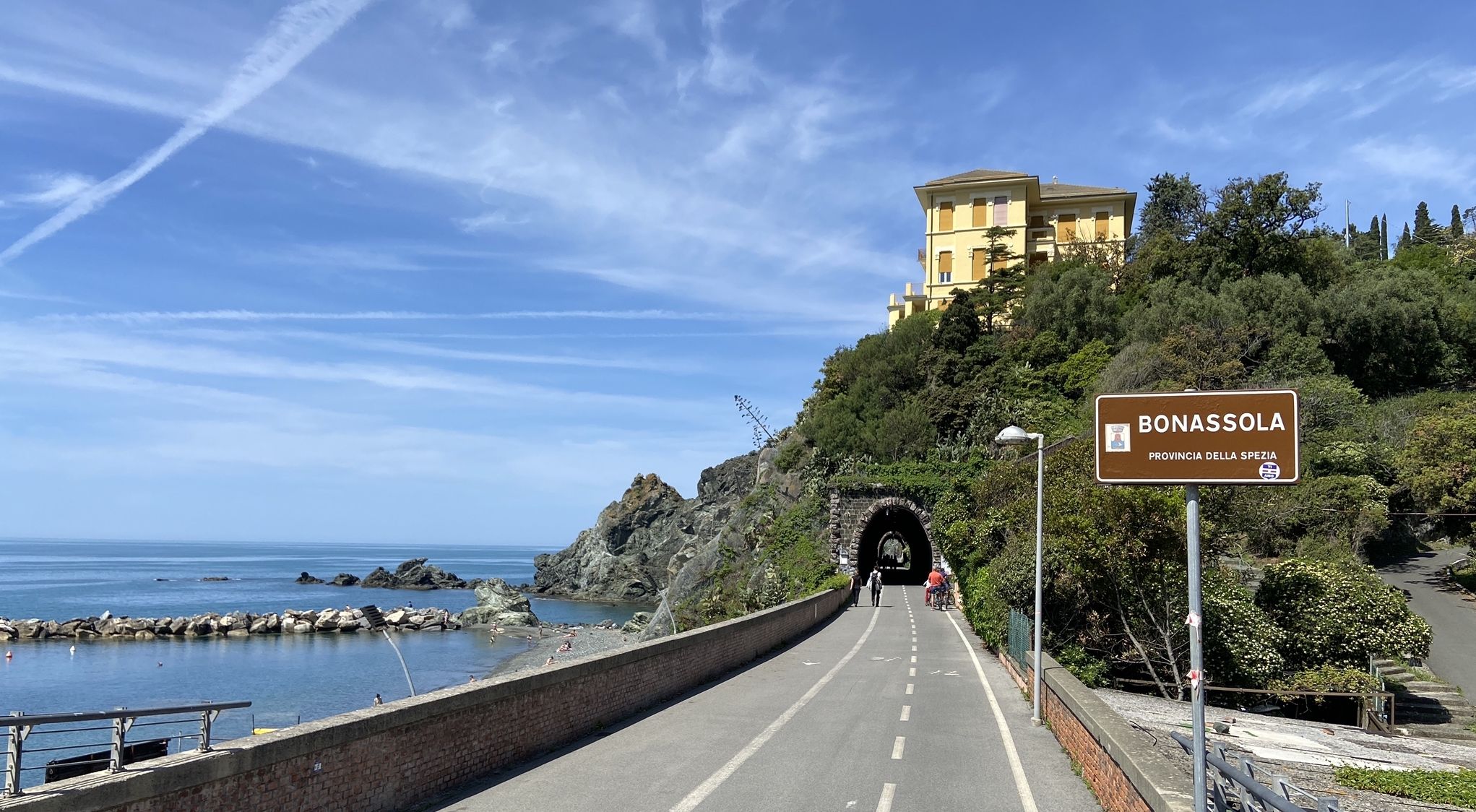
포르토피노 및 칵테레로 페달링 — 바다 및 산
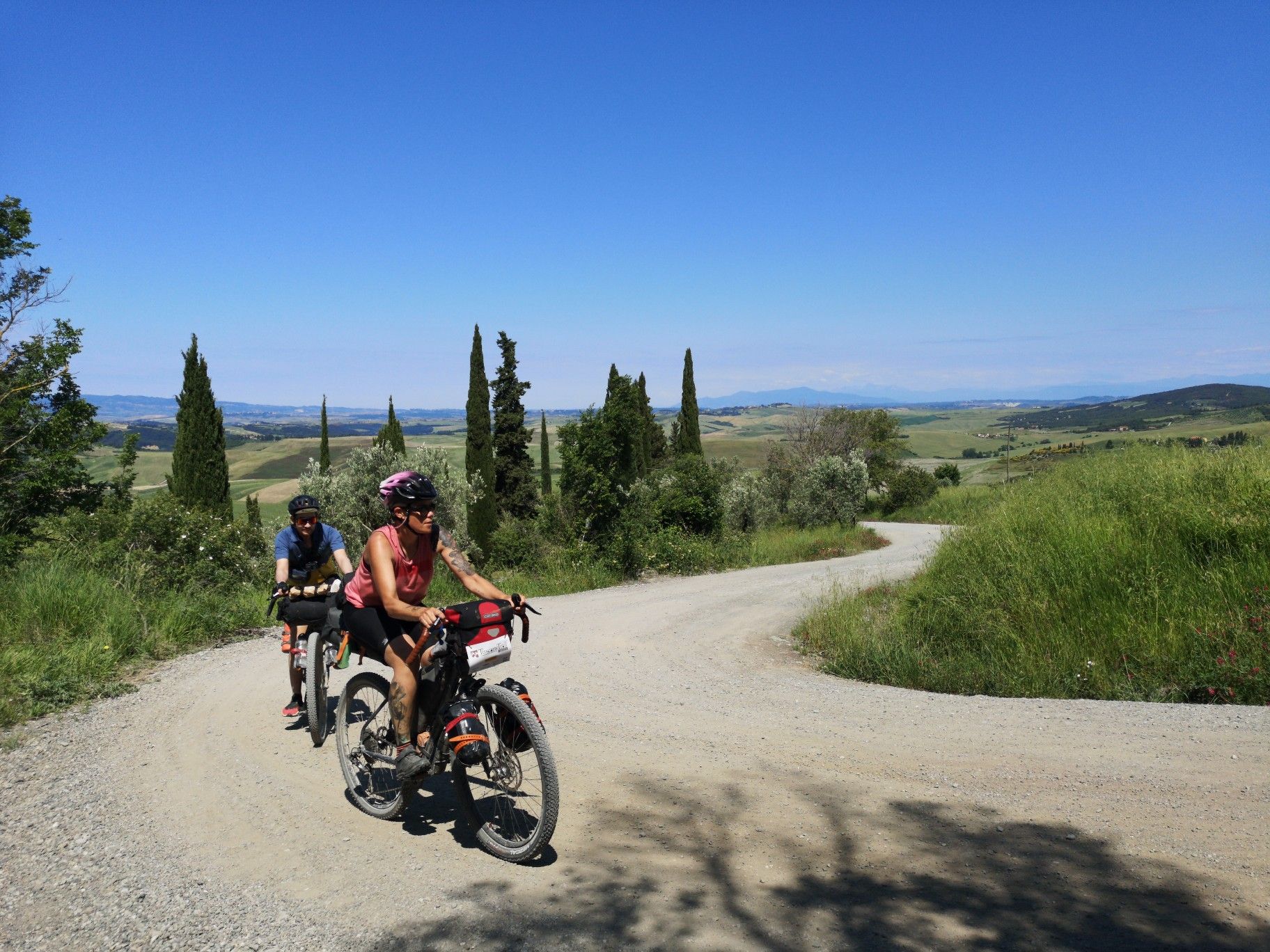
투스카니 트레일 - 이탈리아의 마음가짐에서 바이크팩킹
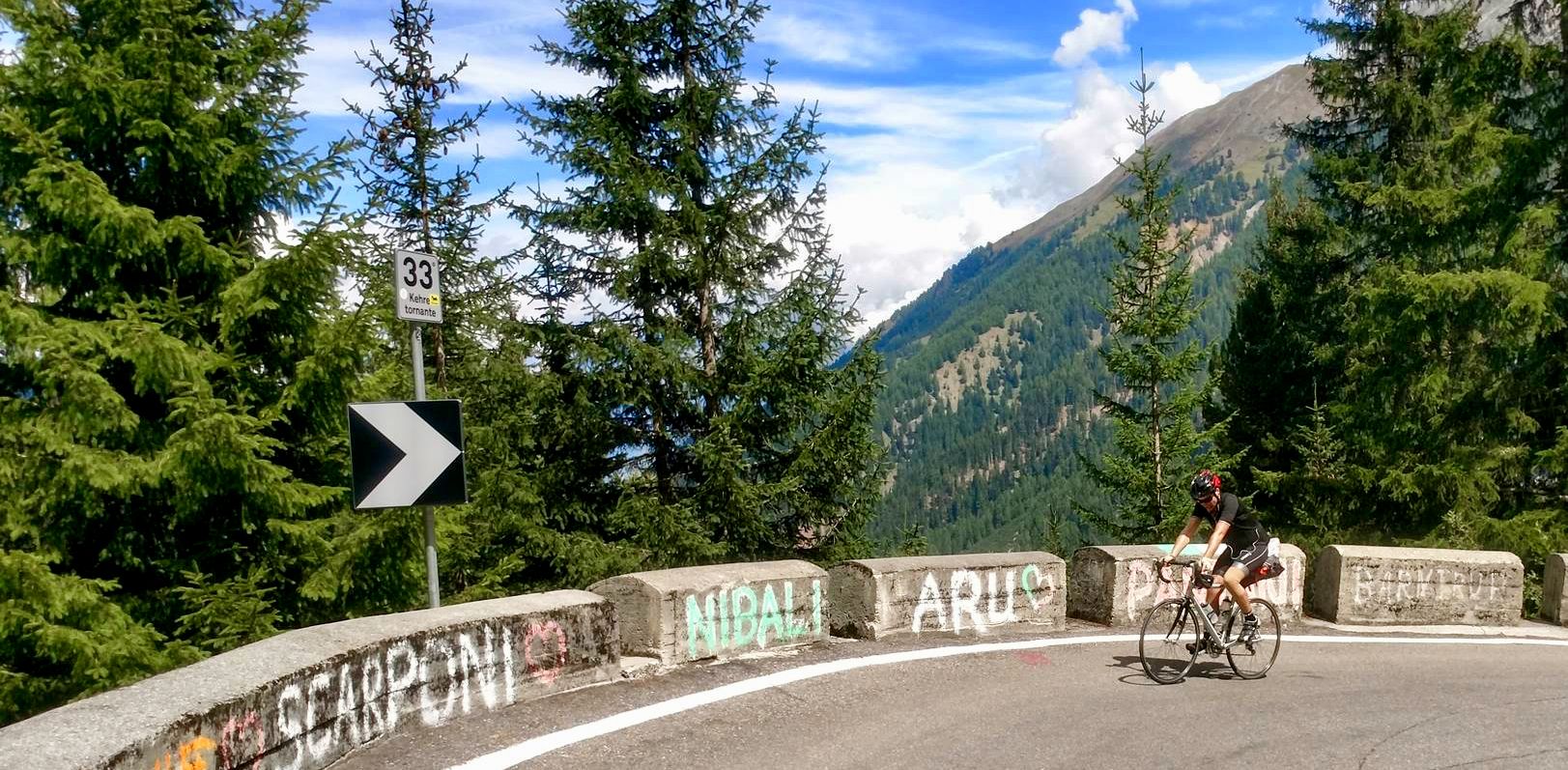
산에서 바다까지 — 북부 이탈리아 도로 사이클링
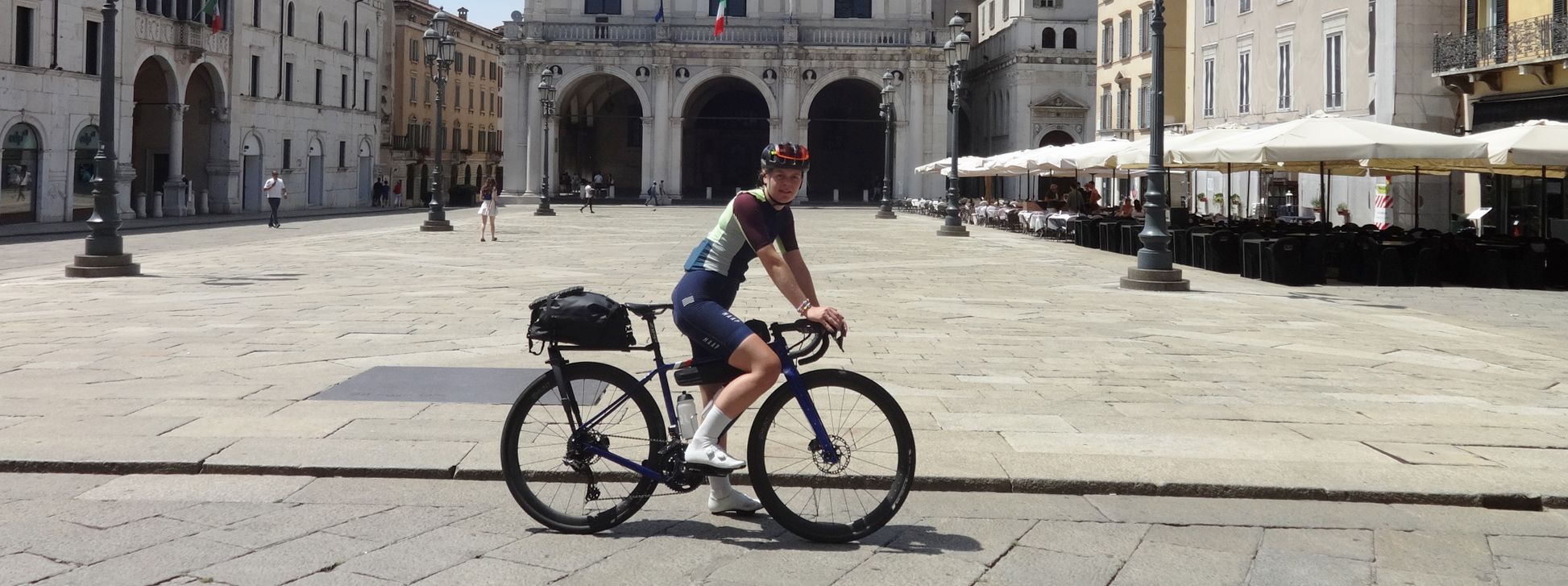
The Pizza Pilgrimage – Milan to Naples, fuelled by pizza
인테리오라 - 이탈리아의 떨어진 지역을 여행하다
베르체토에서 아베토네까지 - 알타 비아 데이 파르키 (파트 1)
중세 마을과 우아한 자연 - Lunigiana Gravel
18성 바이 모든 일스 아습니 - Via Vandelli
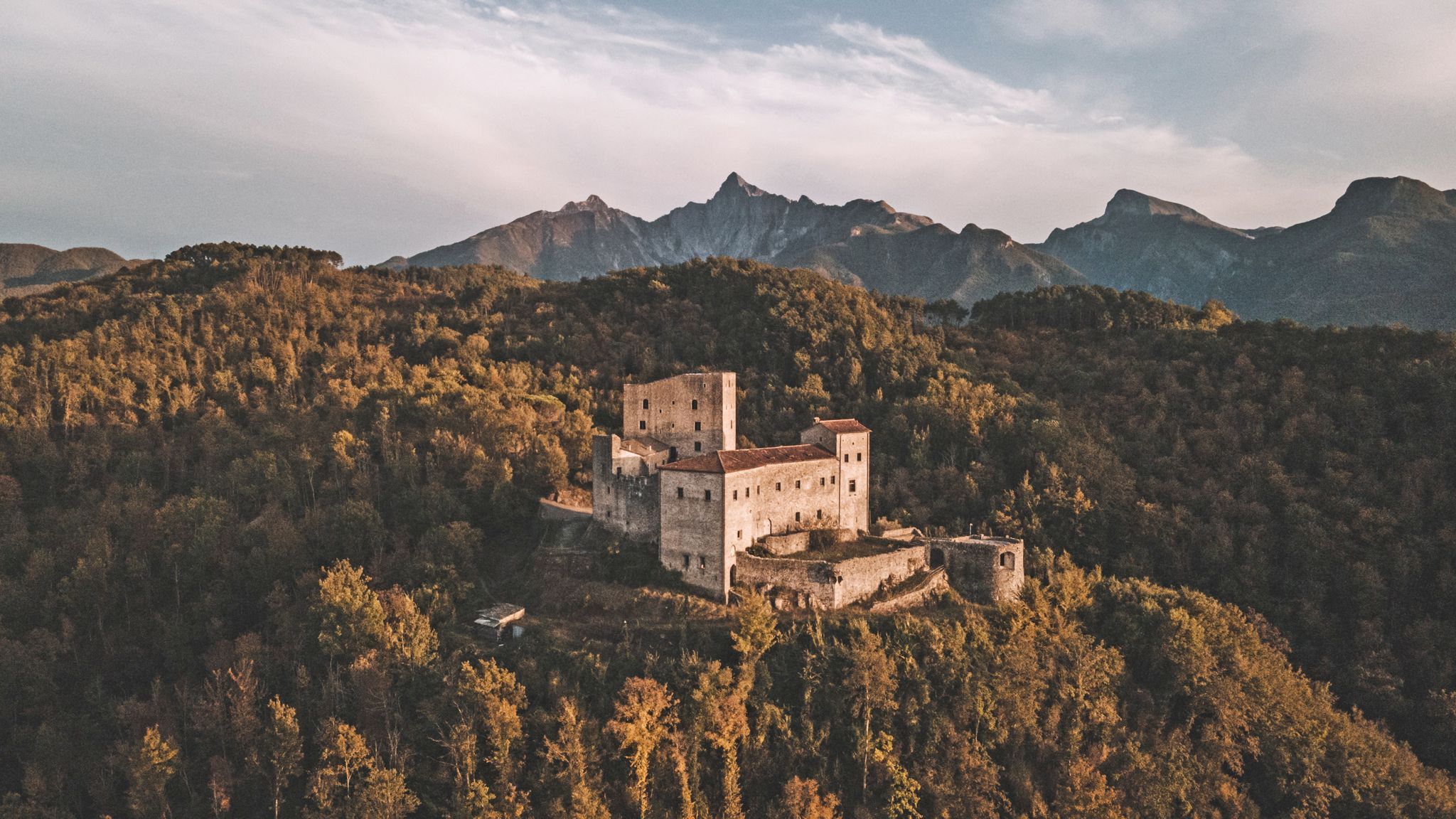
역사를 거슬러 올라가 루니지아나와 가르파냐나 사이 - 산타 볼토 길 MTB를 따라
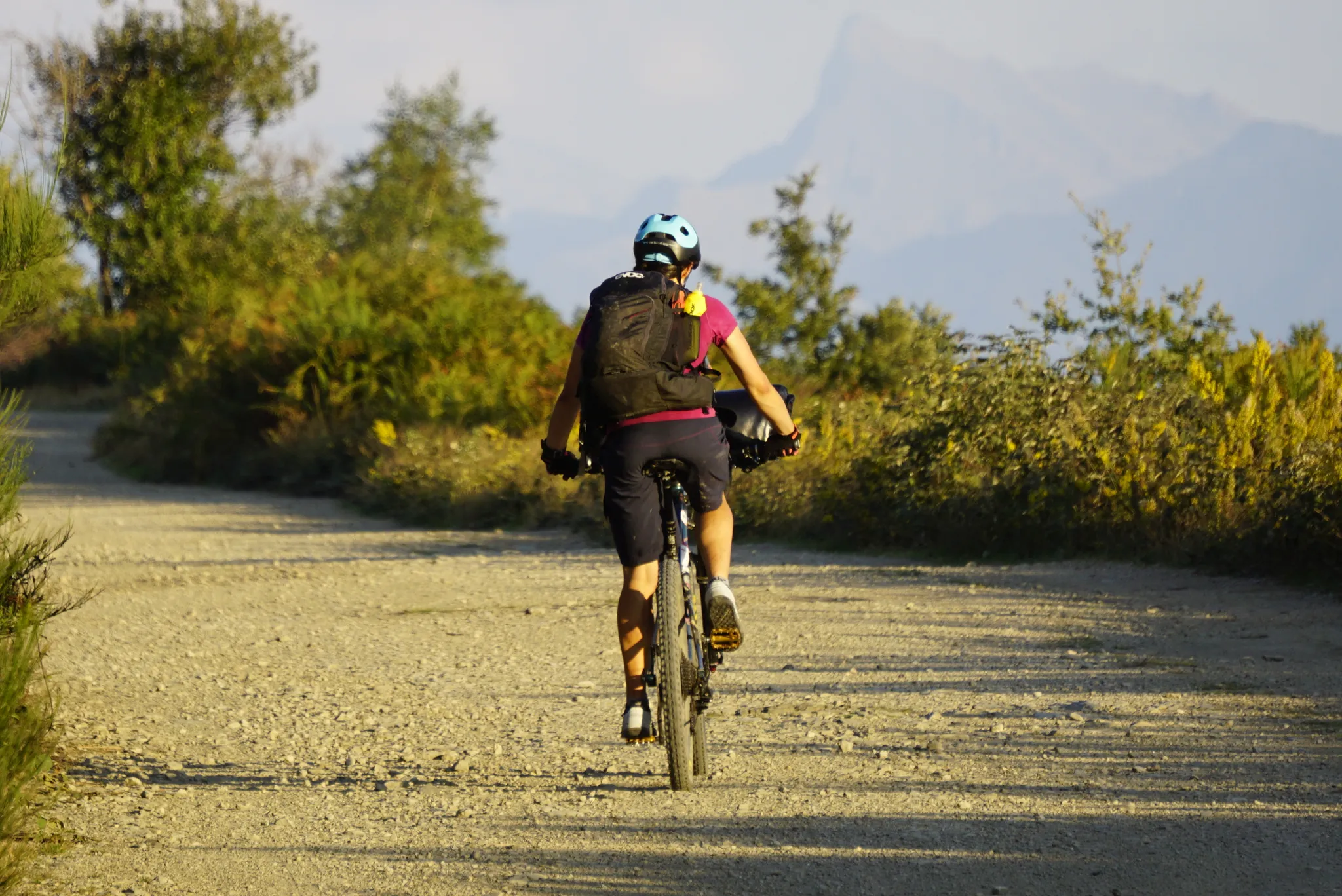
100개 성의 땅 - Lunigiana Trail MTB
마사카라라의 다른 모험


커뮤니티 팁

폰트레몰리는 캔터베리/남부 잉글랜드에서 로마까지 이어지는 역사적인 순례길 비아 프랑치제나에 위치해 있습니다. 북부 토스카나의 중세 보석입니다.
1
0

바뇰로네 성은 마사-카라라 현의 루니지아나 역사 지역에 있는 바뇰로네 중세 마을에서 가장 높은 언덕에 위치한 고대 요새 구조물입니다. 오늘날 원래의 중세 구조물은 거의 완전히 사라졌습니다. 유일하게 남아 완벽하게 보존된 요소는 마을 위로 솟아 있으며 19세기 빌라 데이 콘티 루스키-노세티에 통합된 인상적인 원통형 석조 탑입니다.
0
0
빌라프란카 인 루니지아나(Villafranca in Lunigiana) 코무네에 있는 말라스피나 성(Castello Malaspina)의 탑은 주로 말그라테(Malgrate)에 있는 말라스피나 성(Castello Malaspina)의 인상적이고 유명한 원통형 구조물을 가리키지만, 코무네의 중심지에는 원래 감시탑을 갖추고 있었던 말라스피나 후작들의 역사적인 단테 시대 거주지인 말니도 성(Castello di Malnido)의 유적도 있습니다. 가장 잘 보존되고 날씬한 탑으로 유명한 요새는 바로 말그라테(Malgrate) 지역에 있습니다. 원통형의 마스티오(mastio)가 계곡 위로 솟아 있으며 루니지아나(Lunigiana)의 풍경을 상징하는 틀림없는 상징입니다.
0
0
빌라프란카 인 루니지아나에 있는 말그라테 성의 입구는 오래된 도개교를 대체한 돌다리를 건너는 고대 해자로 이어지며, 짧은 계단과 뾰족한 아치형 문으로 이어집니다.
0
0
피냐아로 성과 루니지아나 석상 박물관 '아우구스토 체사레 암브로시'는 토스카나에서 가장 매력적인 역사 및 고고학 단지 중 하나를 형성합니다. 폰트레몰리(마사-카라라)에 위치한 이 천년 된 유적지는 중세 마을을 내려다보고 있으며 유럽에서 독특한 선사 시대의 수수께끼를 간직하고 있습니다.
0
0

스테츄 스테일레는 크기가 다양하지만 일반적으로 높이가 2~3미터인 직립형 인물 석조 조각입니다. 이 신비로운 예술 작품들은 루니지아나에 거주했던 고대 민족의 문화와 영성을 증언합니다. 그들의 정확한 기능은 학자들 사이에서 여전히 논쟁의 대상입니다. 일부 학자들은 스테츄 스테일레가 고대 신이나 지역 신을 나타냈을 수 있다고 가정하는 반면, 다른 학자들은 그것이 장례 기념물이나 기념비였을 수 있다고 제안합니다. 조각된 인물들은 종종 종교적, 천문학적 또는 의식적 의미를 가질 수 있는 동심원, 컵 모양의 함몰, 선형 조각과 같은 수수께끼 같고 추상적인 상징을 특징으로 합니다. 이러한 상징에 대한 이해는 고고학자 및 전문가들의 연구와 학습의 대상입니다.
1
0

A very easy and pleasant ride. Much of the route follows secondary roads with very little traffic. Splendid views of Fosdinovo Castle, the mouth of the Magra River, and the Bay of La Spezia.
2
0

Aula is a fundamental hub of the Via Francigena, it was tormented by the bombings of the Second World War, causing the almost total destruction of its historic center, of which very few vestiges remain. It is located a few kilometers from the border with Liguria, on a narrow strip of land at the confluence of the Magra river and the Aulella stream, a decisive place for the civil and religious life of the entire area before the year 1000. Aulla in that period was already a small village and its importance was linked precisely to its central position along the Via Francigena, both as a pilgrimage road and as a commercial artery. The center of the town had an important role in defending the roads that led from the Lucca area and Liguria towards the Cisa Pass.
0
0


찾고 계신 것을 찾지 못하셨나요?
마사카라라의 최고의 성을 지역별로 탐험해보세요:
