그로스한스도르프에서 가장 멋진 20개의 천연기념물
천연기념물을 방문하여 그로스한스도르프의 아름다운 풍경을 만나보세요. 그로스한스도르프에 있는 20
개의 천연기념물과 상세 정보를 살펴본 후에 방문하고 싶은 천연기념물을 다음 모험 계획에 추가해보세요!
마지막 업데이트: 10월 11, 2026


이런 장소를 발견하려면 지금 가입하세요
최고의 싱글 트랙, 봉우리 및 다양한 흥미로운 야외 장소에 대한 추천을 받아보세요.

Höltigbaum 자연보호구역
하이라이트 • 자연 기념물
번역자 Google •
팁에 의해

Stellmoorer Tunneltal 자연보호구역
하이라이트 • 자연 기념물
번역자 Google •
팁에 의해
무료로 가입하여 그로스한스도르프 주변의 더 많은 자연 기념물을 발견하세요.
이미 komoot 계정이 있나요?
오늘 무료 계정으로 시작하세요
다음 모험이 기다리고 있어요.
커뮤니티 팁


The Stellmoorer Tunneltal, a 217 hectare nature reserve, is located in the Hamburg district of Rahlstedt. The landscape with wet meadows, heaths and old streams was created during the Ice Age. Rare animals such as moor frogs and kingfishers live here. The area is also archaeologically significant - traces of reindeer hunters have been found here. Many natural habitats have been preserved through renaturation.
1
0

Rodenbeker Quellentag - Gasthaus Quellhof, great place to stop for refreshments with beer garden
1
0

The Rodenbek is a river that flows into the Alster in the Rodenbeker Quellental nature reserve. The idyllic Rodenbeker pond along its course is managed by the Rahlstedt sports fishing association from 1934 e.V. and is the habitat of numerous fish species, such as carp, eel and perch. kulturlotse.de/ort/rodenbeker-teich-3806401676914271620
2
0

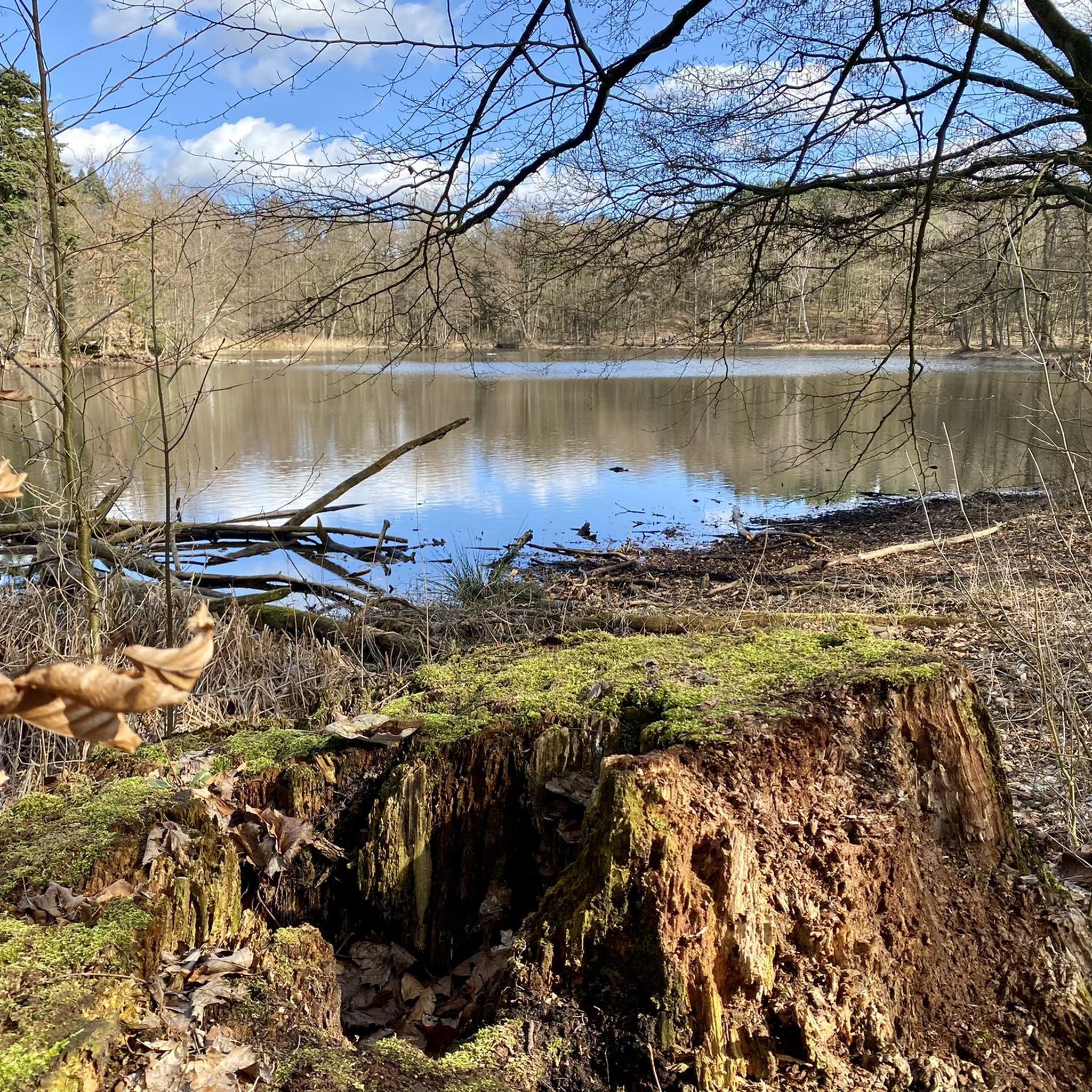
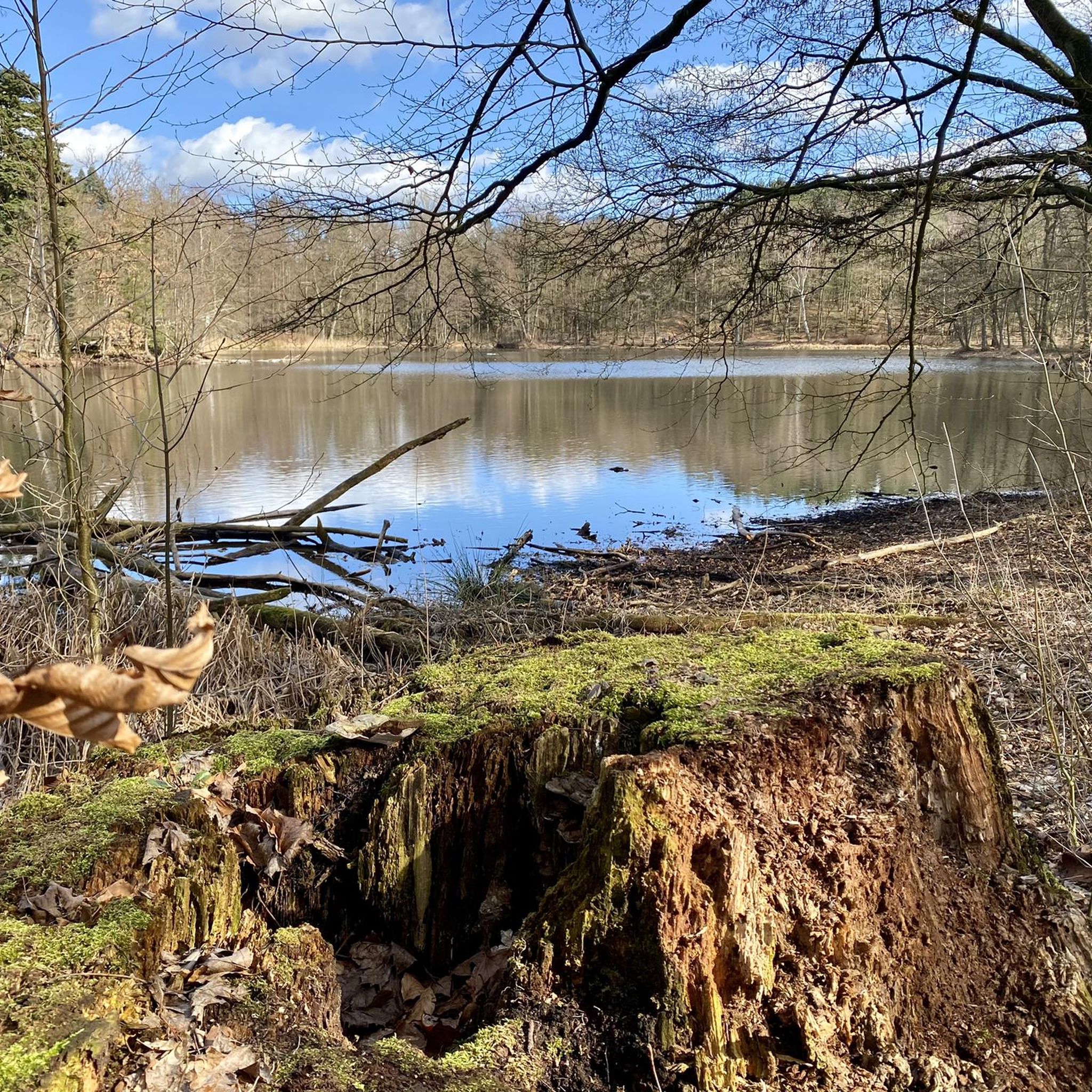
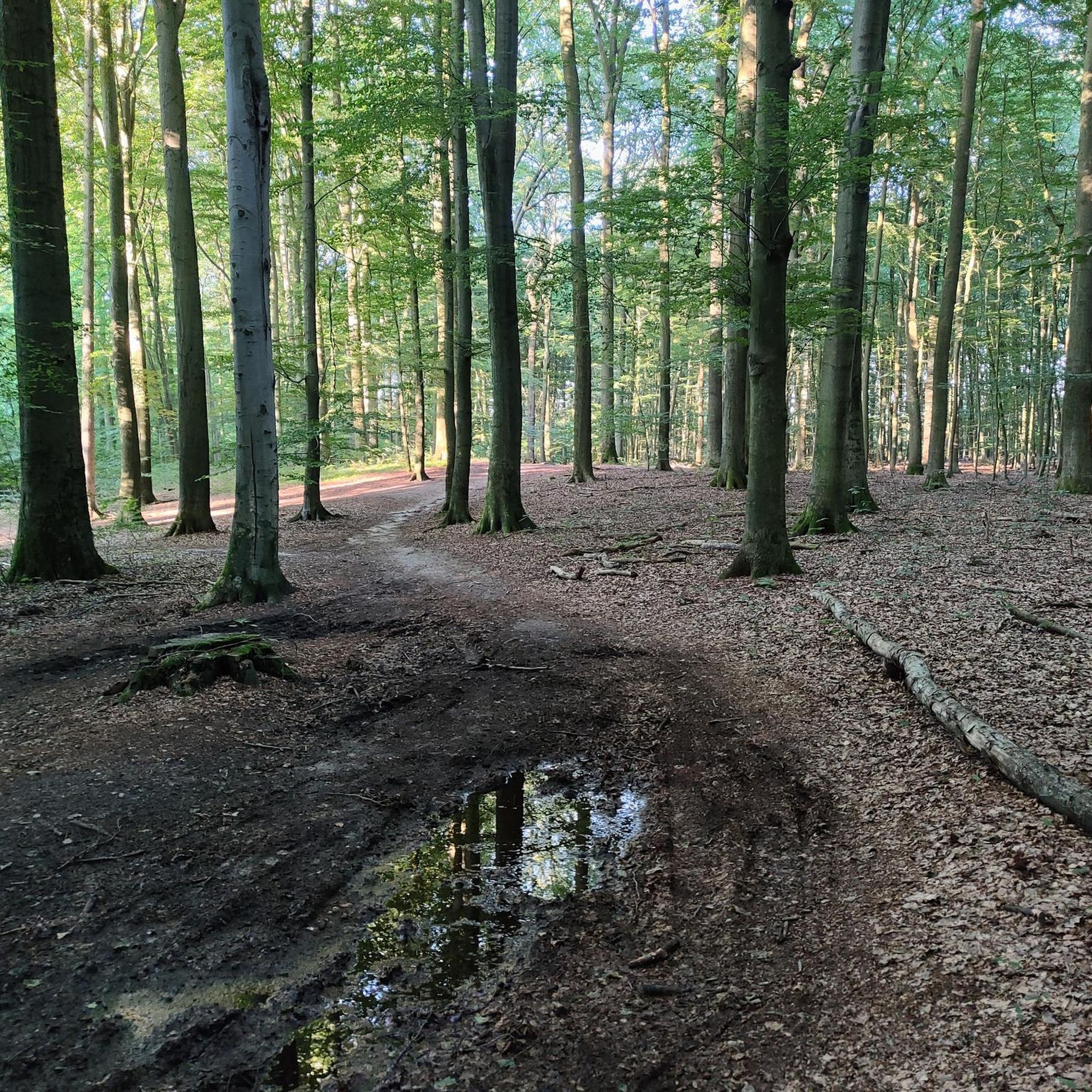
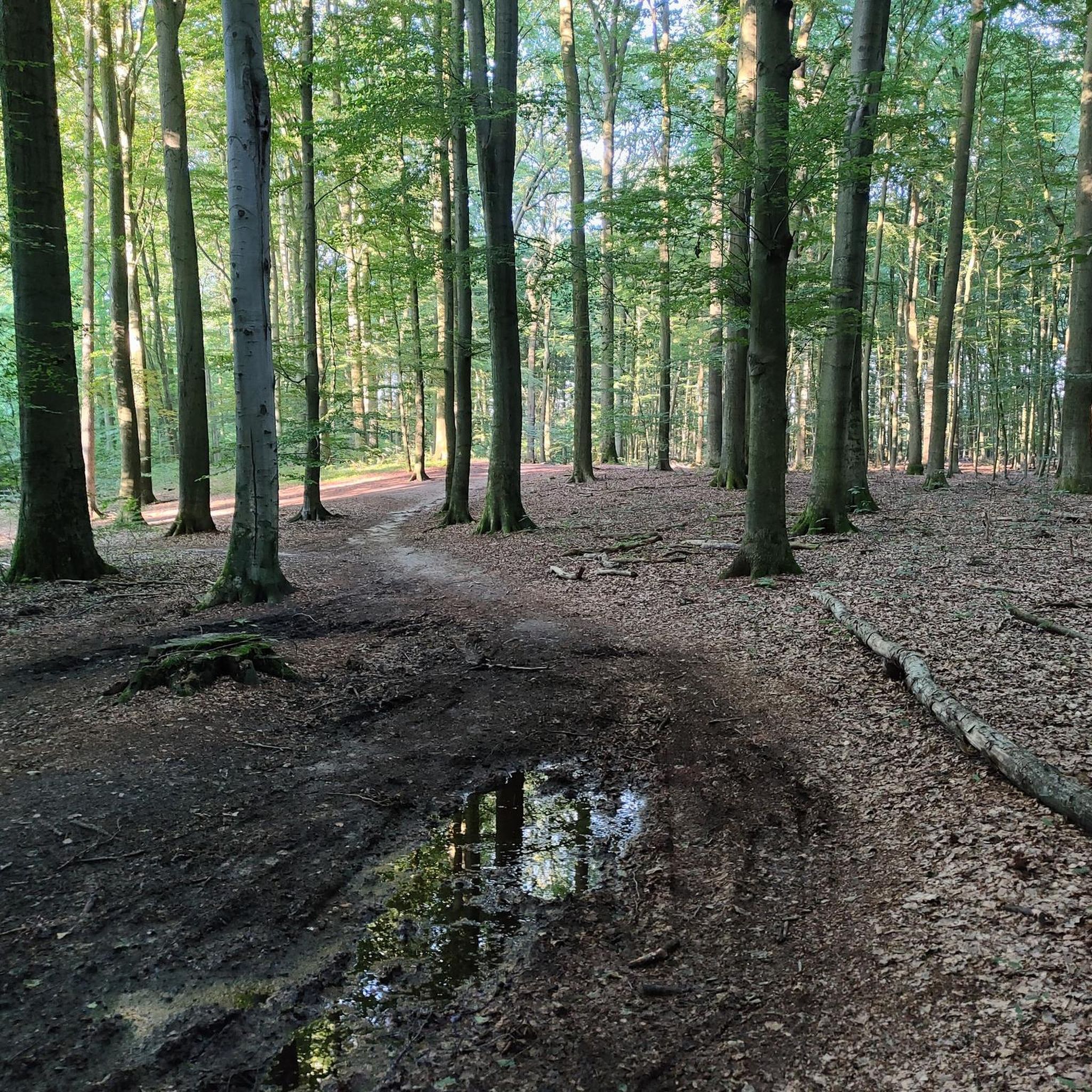
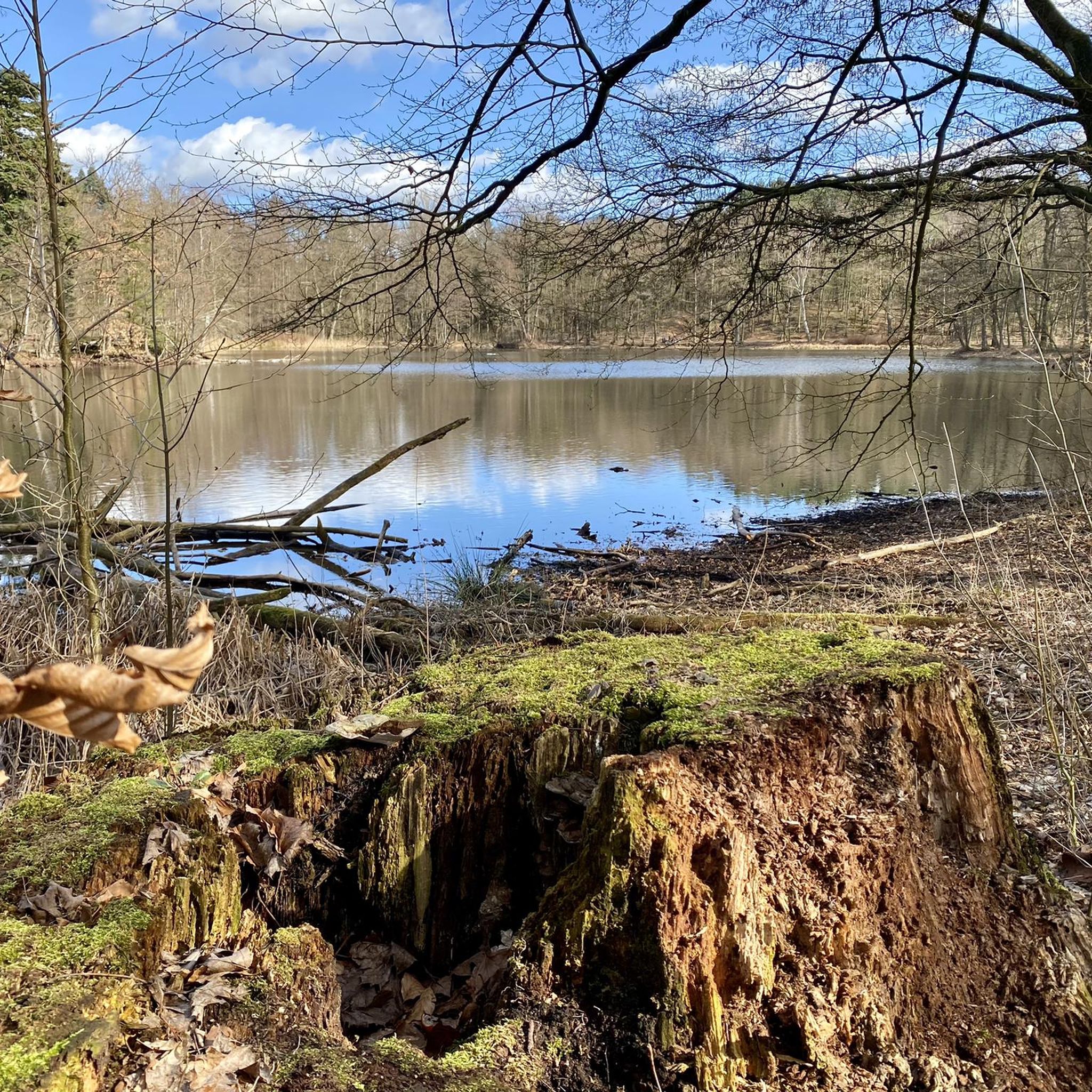
Cheerful birdsong accompanies you through the beautiful deciduous forest. The frogs are croaking in the pond.
0
0

A beautiful (forest) area where you can spend a lot of time and observe nature in all its rich facets
1
0

The Rodenbeker Quellental nature reserve is an 84-hectare glacial meltwater river system in northeast Hamburg. It lies in the former edge area of the Vistula glaciation. Locally there are elevations in the form of ground moraines. The site elevation is between 15 and 20 meters above mean sea level. The site was granted protected status on January 25, 1977, originally measuring 47 hectares. On July 26, 2011, the Hamburg Senate announced an expansion by 37 hectares to 84 hectares. In the Quellental there are extensive deposits from an ice reservoir, which are now cut through by various smaller basins, small rivers. These are the Rodenbek, the Bredenbek, the Lottbek, the Mühlenbek and other small streams. All flow in an east-west direction to the Alster, a northern tributary of the Elbe. The formation of the Rodenbeker Quellental began in the Weichselian Ice Age, when the Bredenbek Glacier slowly retreated and the meltwater at the base of the glacier found its way to the Alster. The current appearance of the spring valley is also due to spring erosion. (Source: Wikipedia)
1
0

The Höltigbaum nature reserve consists of the Höltigbaum, Stellmoorer Tunneltal and Ahrensburger Tunneltal areas. The so-called Hamburger Ring natural area has a total area of 1000 hectares, making it one of the largest nature reserves in the Hanseatic city. The ice masses that covered the area some 15,000 years ago have done their utmost to leave behind a beautiful landscape. In addition to the wide, semi-open pastures, you hike over drumlins - long stretched hills left behind by the ice age - and through tunnel valleys that have formed under the ice masses as a result of the condensation water running off. Over time, humans also influenced the area through agricultural use. Extensive cultivation lasted for many decades. However, because fertilizers and pesticides were not used in the process, today there is a largely unaffected natural area in which rare species have survived. For example, the red-backed shrike feels very comfortable in the Höltigbaum. The brute name belongs to a medium-sized songbird that impales its prey - insects, lizards or even a mouse - on the thorns of a tree. In addition, there are woodlarks and yellowhammers, various amphibian species such as sand lizards or crested newts and two endangered species, polecats and pygmy shrews. On a hike through the nature reserve, you will also come across Galloway cattle, sheep or goats grazing in the wild meadows. The flora was heavily influenced by the military use of the area in the mid-20th century. Again and again, the heavy vehicles destroyed the vegetation cover, so that many pioneer plants settled, which were more resistant to the difficult conditions. The Kratt forests with their many-stemmed oaks and the wild apple and wild pear trees are also striking.
9
0
그로스한스도르프 주변에서 가장 인기 있는 명소


더 살펴보기
그로스한스도르프 주변의 최고의 동굴을 찾기 위해 이 가이드를 확인해보세요:
