6의 Ade가지 명소 & 주요 장소
Ade에는 둘러볼 만한 장소가 많답니다. 하이킹 또는 사이클링을 좋아한다면 Ade에 숨겨진 6
가지 보석을 만날 수 있을 거예요. 이 지역의 주요 명소를 살펴보면서 다음 모험을 계획해보세요.
마지막 업데이트: 10월 3, 2026
카스텔루 멘두 역사 마을
하이라이트 • 역사적 장소
번역자 Google •
팁에 의해

이런 장소를 발견하려면 지금 가입하세요
최고의 싱글 트랙, 봉우리 및 다양한 흥미로운 야외 장소에 대한 추천을 받아보세요.
Vila Maior
하이라이트 • 정착지
번역자 Google •
팁에 의해
무료로 가입하여 Ade의 더 많은 명소를 발견하세요.
이미 komoot 계정이 있나요?
오늘 무료 계정으로 시작하세요
다음 모험이 기다리고 있어요.
Ade 주변 인기 장소
커뮤니티 팁

안전하지 않은 횡단입니다. 여름에는 괜찮을 수도 있지만, 4월에 갔을 때 물이 깊고 급류가 강해서 발이 넘어졌습니다.
0
0

Leomil was born in the 9th century, when the king awarded the warrior Leodmiro for his fights against the Moors. From the 13th century onward, it became the only Portuguese commandery of the Order of Roncesvalles, in Navarre, which administered it for six centuries. From chickens and wheat paid in rent to vast estates spread across the country, Leomil prospered under this unique rule. Today, few inhabitants remain, and agriculture continues to mark the rhythm of this village where markers bearing the initials "RV" (Roncesvalles) still survive, a living memory of the ancient order.
2
0
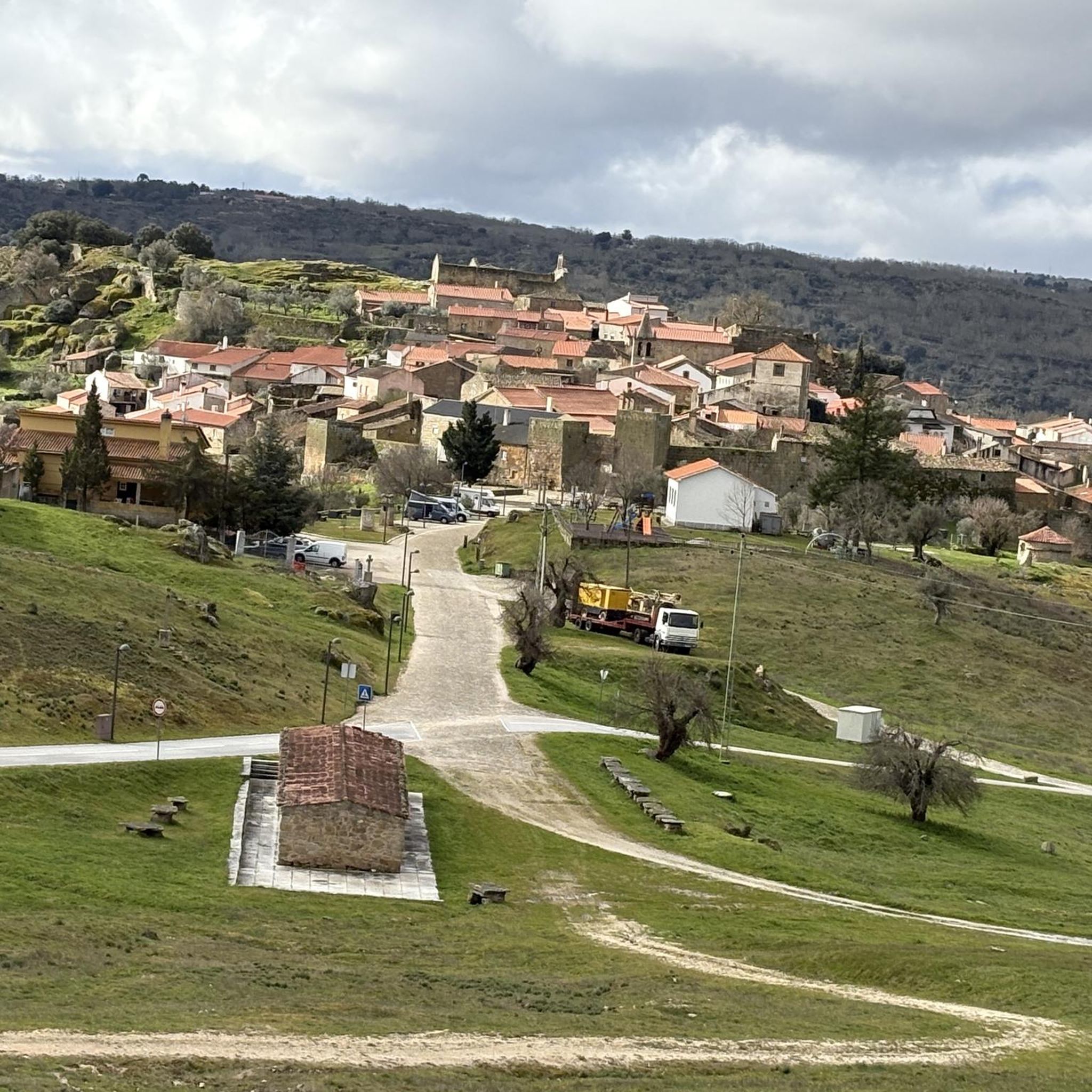
Castelo Mendo is a historic village with medieval roots, marked by two walls: the oldest, dating from the 12th century, surrounds the old town with its castle and the church of Santa Maria; the second, built by King Dinis in the 14th century, protected the Gothic suburb. The site was a living border between Portugal and León until the Treaty of Alcanices (1297), guarding strategic passages over the Côa River. At the entrance, two Vetón bellows, stone figures in the shape of wild boars, recall even more remote origins. Classified as a Property of Public Interest since 1984, Castelo Mendo today stands as a rare testament to the border region's history and Portuguese medieval splendor.
2
0
Descending the Côa Valley, the crossing today takes place near the river beach, where once there was a ferry. This ancient crossing point, used since ancient times, has left traces of its past: ceramics, coins, and Roman remains still bear witness to the place's long history.
1
0
Freineda, a small border village, welcomed Lord Wellington between late 1812 and the spring of 1813, during the Peninsular War. In a stone house next to the church, the general established his headquarters, while the rest of the general staff dispersed to neighboring villages. Although described at the time as poverty-stricken, the village became the scene of major military decisions. Today, it remains modest and small, but keeps the memory of that time alive: on the facade of the house where Wellington lived, a plaque commemorates his visit.
2
0
Vilar Maior breathes history in every stone. From the 11th century until the Treaty of Alcanices in 1297, it passed from the Kingdom of León to Portugal under King Dinis, who reinforced the castle with the keep. Between medieval walls, the ruins of the Church of Santa Maria, the Manueline pillory, and prehistoric engravings, the place holds centuries of memory. Today, the streets descend from the old fortress to the plain, where manor houses, bridges, and churches continue to tell the long story of this border town.
2
0


Castelo Mendo is surrounded by a fortified wall with six medieval gates. Two wild boar sculptures stand to the left and right of the main entrance. The simple stone houses originally consisted of two floors. The ground floor housed livestock, while the upper floor served as a residential building. The extremely narrow streets made it relatively easy to defend the town, which was repeatedly a battlefield during the wars in which Portugal participated, especially against Spain.
2
2
Ade에서 가장 인기 있는 경로


더 살펴보기
찾고 있는 하이라이트를 아직 못 찾으셨나요? 다른 지역의 주요 명소 가이드를 확인해보세요:
