올하보에서 가장 멋진 8개의 천연기념물
천연기념물을 방문하여 올하보의 아름다운 풍경을 만나보세요. 올하보에 있는 8
개의 천연기념물과 상세 정보를 살펴본 후에 방문하고 싶은 천연기념물을 다음 모험 계획에 추가해보세요!
마지막 업데이트: 10월 9, 2026
프라이아 두 아레앙의 리아 데 아베이루
하이라이트 • 강
번역자 Google •
팁에 의해

코스타 노바에서 바게이라까지 자전거길, 리아 데 아베이루 자연보호구역
하이라이트 • 자전거 도로
번역자 Google •
팁에 의해

이런 장소를 발견하려면 지금 가입하세요
최고의 싱글 트랙, 봉우리 및 다양한 흥미로운 야외 장소에 대한 추천을 받아보세요.
리아 데 아베이루 - 미라 운하
하이라이트 • 강
번역자 Google •
팁에 의해

소금밭 전망, Rua do Sal
하이라이트 • 전망대
번역자 Google •
팁에 의해

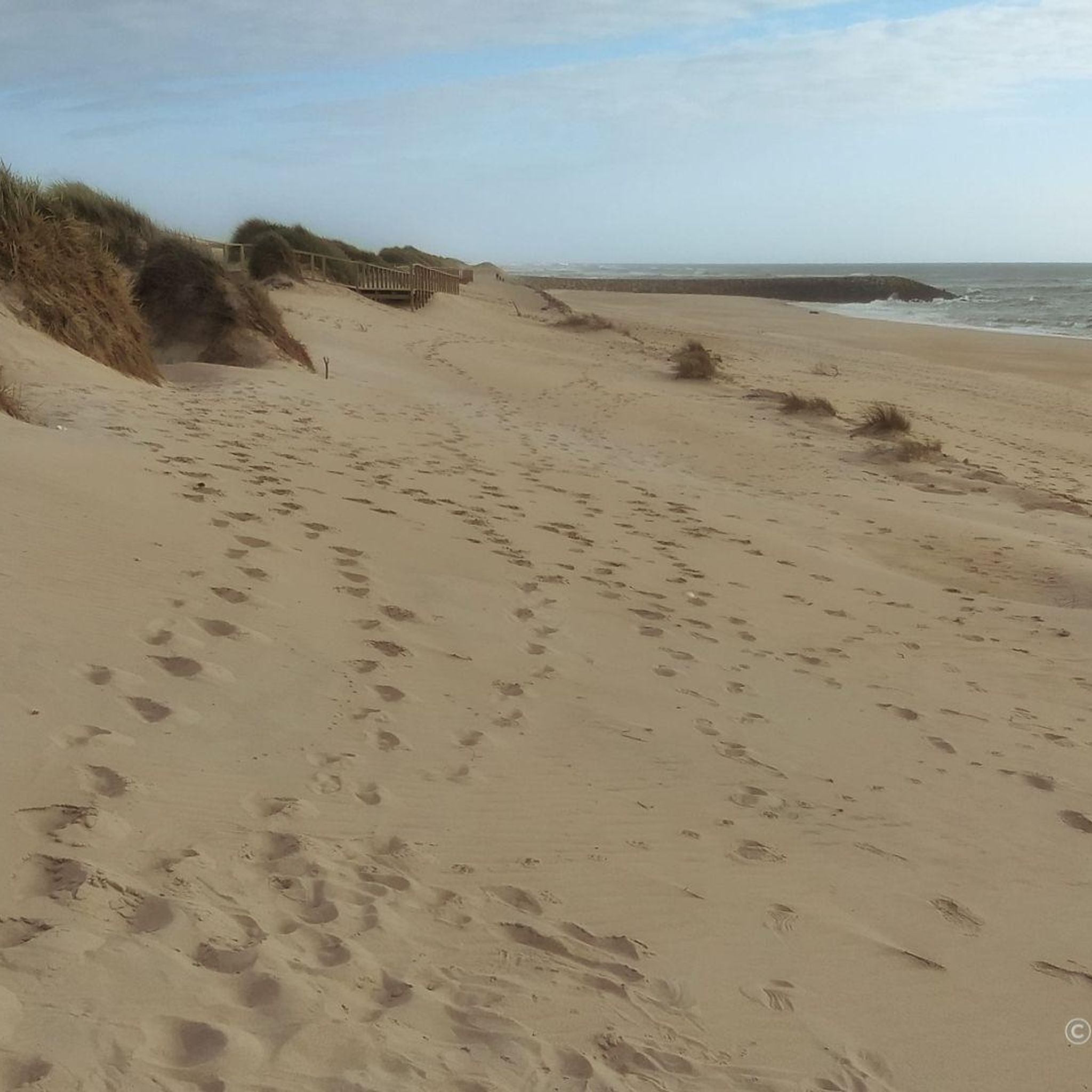
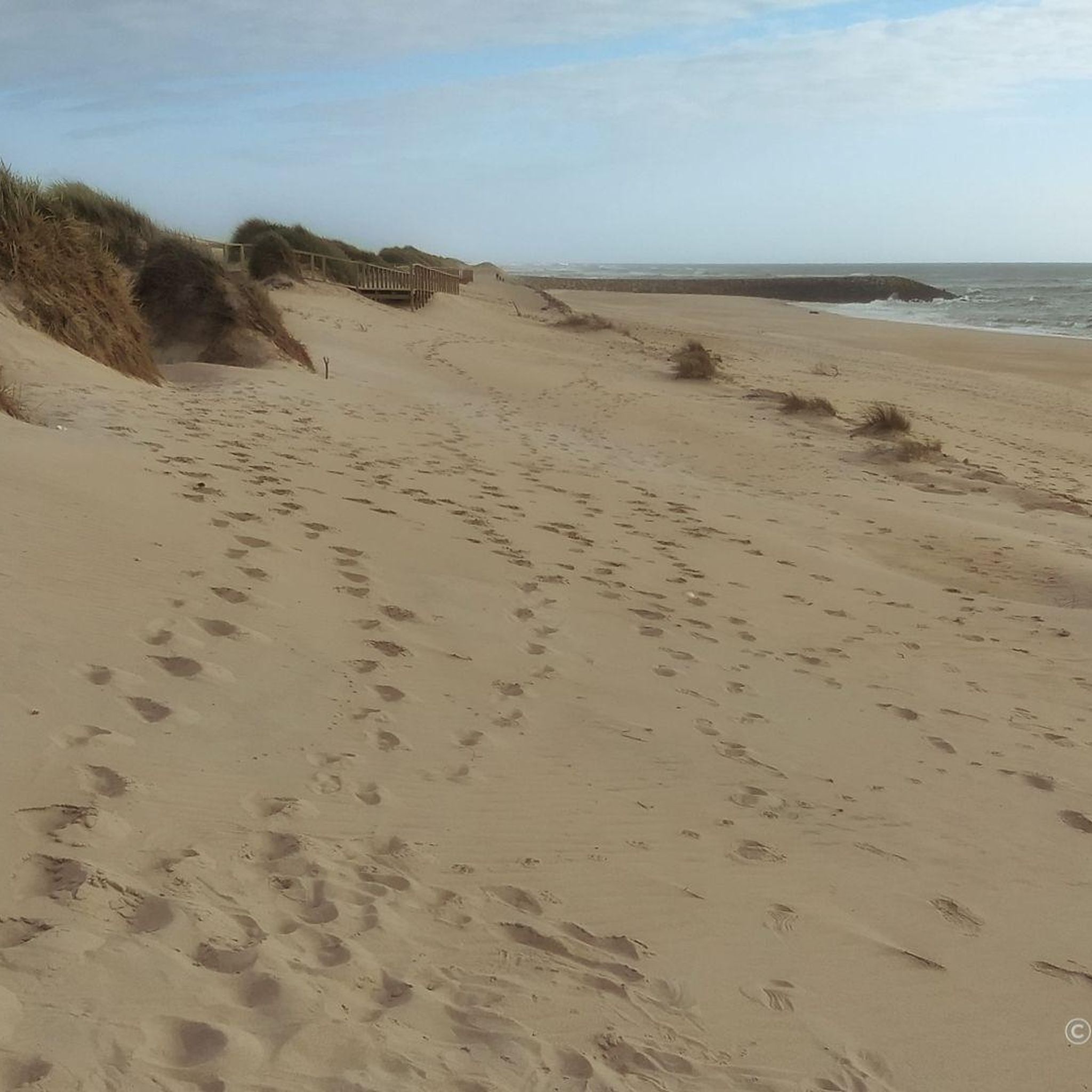
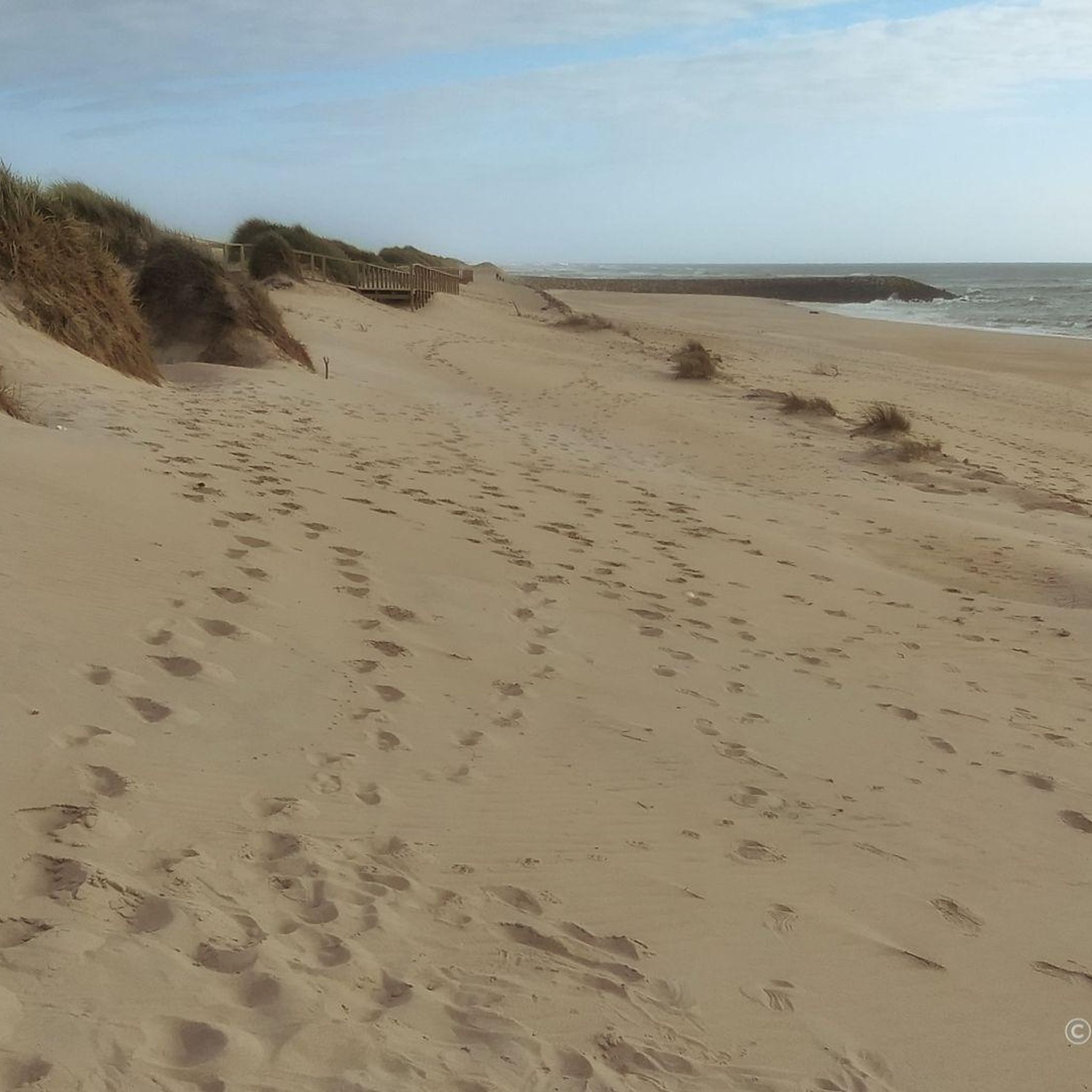
리아 드 아베이루의 모래언덕을 가로지르는 보드워크
하이라이트 • 트레일
번역자 Google •
팁에 의해

무료로 가입하여 올하보 주변의 더 많은 자연 기념물을 발견하세요.
이미 komoot 계정이 있나요?
오늘 무료 계정으로 시작하세요
다음 모험이 기다리고 있어요.
올하보 주변의 다른 모험

커뮤니티 팁

What to Do: Hiking and Cycling: The region is served by trails and paths (such as the GR 58 - Ria de Aveiro) that allow you to explore the coast and the banks of the estuary on foot or by bicycle. Surfing: The region's beaches, including Areão beach, are important areas for surfing. Ecotourism: Access points such as those provided by the Vagos Municipal Council facilitate responsible visits. Access: Access to the beach and the estuary's waterfront is from Gafanha do Areão or Vagueira, often via dirt tracks or pedestrian and cycle paths that follow the right bank of the estuary.
1
0
Main Features: Privileged Location: The beach is situated in a unique area, bordered by the ocean and the tranquil channels of the Aveiro Lagoon, providing a diverse landscape of sea and estuary. Extensive Dune System: The beach is protected by an extensive and high dune system, whose preservation is guaranteed by wooden walkways designed with environmental concerns in mind. Tranquility and Nature: Ideal for those seeking a quieter and more secluded beach, away from the busier beaches, making it a great place to relax and observe nature. Birdwatching: The area is conducive to birdwatching due to its proximity to the lagoon and its habitats.
1
0
Areão Beach, located in the municipality of Vagos (between Vagueira and Gafanha da Boa Hora), is a place of great natural beauty where the Aveiro Lagoon meets the Atlantic Ocean, albeit indirectly through the Mira Canal which ends nearby. It is a point of interest that is part of the Great Route of the Aveiro Lagoon.
1
0

Salt mining in the Aveiro region dates back to a time before the Ria de Aveiro itself existed, with the first written document about Aveiro salt production dating back to before the founding of the nation. Over the centuries, the instability of the inlet (isolation from the sea) was a decisive factor in the variation in the number and production of salt pans. This resulted in periods of decline interspersed with periods of great favorability for production. This occurred in 1572, when, given the favorable condition of the inlet and the high and progressive commercial and maritime index, Aveiro became one of the best ports in Portugal, with a significant increase in salt trade and cod fishing. In 1808, the new inlet (an artificial system that allows seawater to enter) was finally opened, a fact of exceptional importance for the future of Aveiro and the entire region. (Source: Wikipedia) (Source: Wikipedia)⁶
14
0

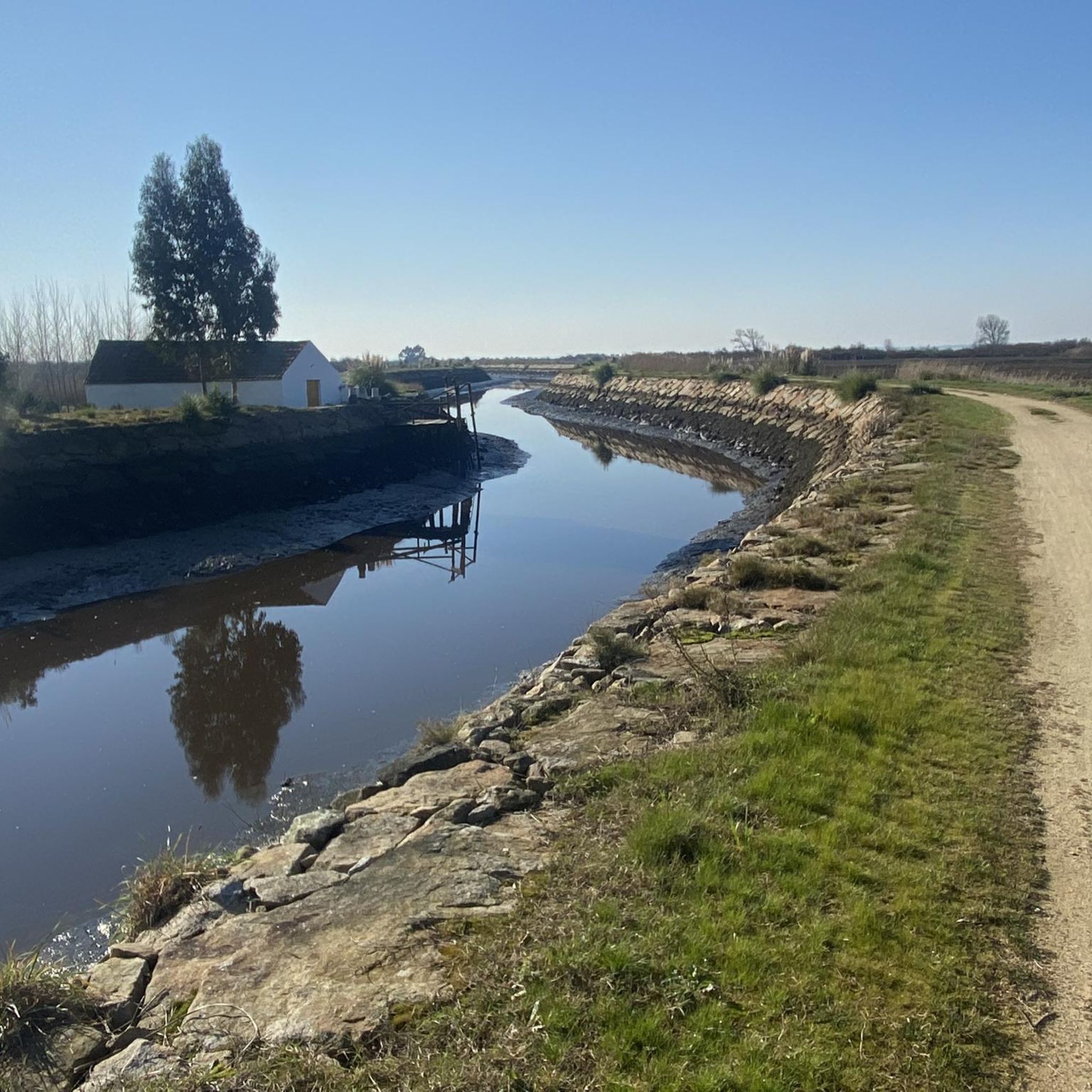
The Ria de Aveiro (also known as Foz do Vouga) is a shallow coastal lagoon in the Aveiro region, extending for 45 kilometers. It covers two districts and several locations, including Aveiro, Ílhavo and Mira. It is divided into three main channels, one of which is the Canal de Mira, location of the bridge in question.
0
0

Good bike path from Costa Nova.
1
0

The path leads over the dunes along the sea and is primarily intended to protect the vegetation there.
4
1

A boardwalk through the dunes
4
1
올하보 주변에서 가장 인기 있는 명소


더 살펴보기
올하보 주변의 최고의 동굴을 찾기 위해 이 가이드를 확인해보세요:
