로슈포르에서 가장 멋진 5개의 천연기념물
천연기념물을 방문하여 로슈포르의 아름다운 풍경을 만나보세요. 로슈포르에 있는 5
개의 천연기념물과 상세 정보를 살펴본 후에 방문하고 싶은 천연기념물을 다음 모험 계획에 추가해보세요!
마지막 업데이트: 9월 8, 2026
생조르주 드 디도네 해변
하이라이트 • 해변
번역자 Google •
팁에 의해

Conche de Gilet
하이라이트 • 해변
번역자 Google •
팁에 의해

이런 장소를 발견하려면 지금 가입하세요
최고의 싱글 트랙, 봉우리 및 다양한 흥미로운 야외 장소에 대한 추천을 받아보세요.

Parc de l'Estuaire에서 바라본 하구와 흰 절벽 전망
하이라이트 • 전망대
번역자 Google •
팁에 의해

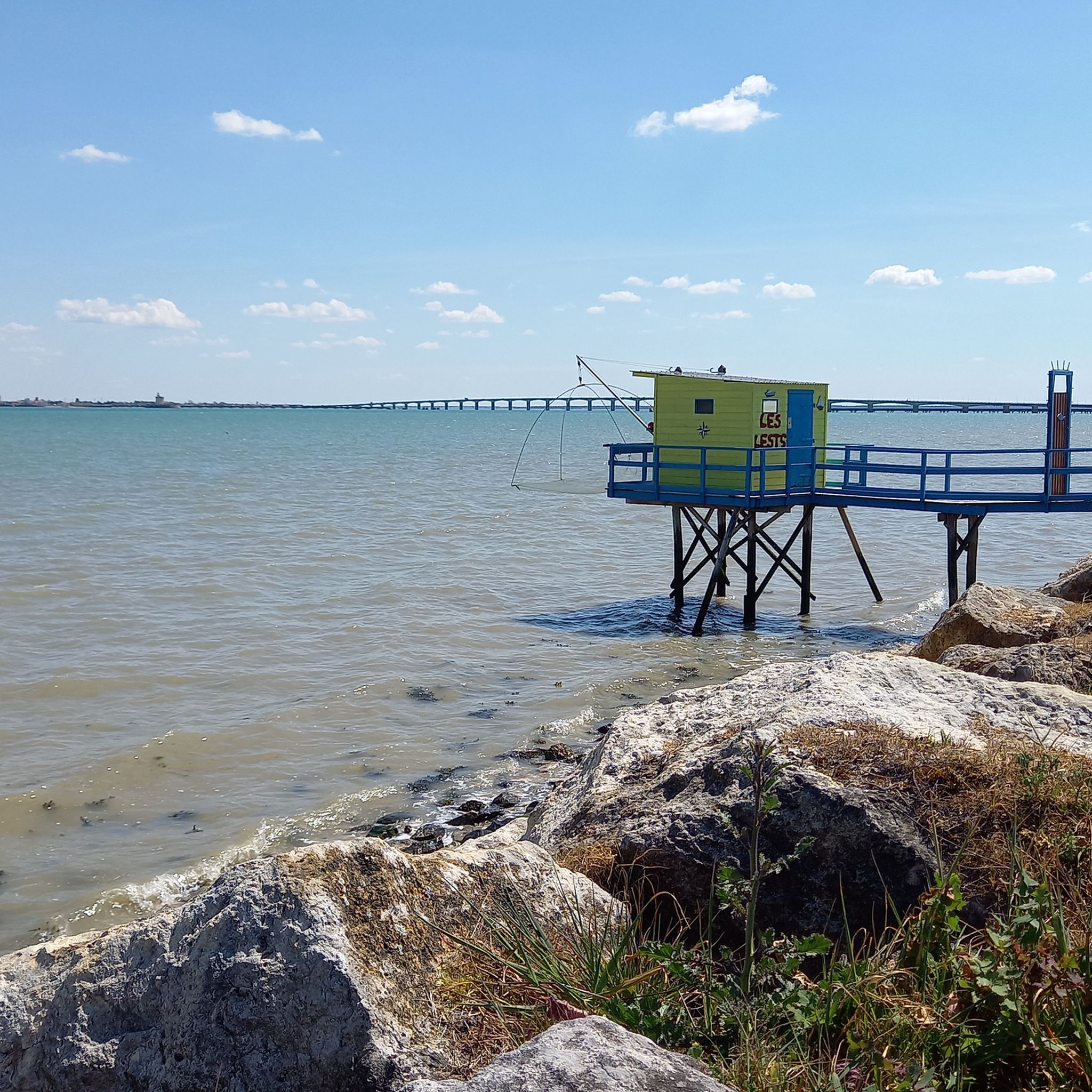
해식 아치와 카를레 낚시 오두막
하이라이트 • 자연 기념물
팁에 의해

오늘 무료 계정으로 시작하세요
다음 모험이 기다리고 있어요.
로슈포르 주변의 다른 모험


커뮤니티 팁

📍 Location Dr. Guillon's bathtubs are located along the Boulevard de la Côte d’Argent / Corniche de Pontaillac (between Royan and Vaux-sur-Mer), carved into the rocks of the Pontaillac cove facing the sea. They are still visible today, especially at low tide. 👨⚕️ Origin and Historical Context 📜 Dr. Frédéric-Auguste Guillon Frédéric-Auguste Guillon (1808-1890) was a physician, former naval surgeon, then a local councilor and practicing doctor in Royan. He contributed to the development of seawater therapy and thalassotherapy (treatments using seawater) on the Atlantic coast in the 19th century, a time when sea bathing was prescribed for health reasons. 🏖️ Construction of the "Bathtubs" In 1872, Dr. Guillon had a series of pools and bathtubs carved directly into the rocks of Bec des Brandes in Pontaillac. These pools were filled with seawater heated by the sun between tides. The aim was to offer natural therapeutic baths, particularly for treating scrofula, a chronic lymphatic and skin condition common at the time. 🛁 Description of the Facilities The facilities included: A large natural pool carved into the rock, Two large pools, Three individual bathtubs carved into the cliff face, which were filled with seawater at each tide. These structures provided access to seawater baths without having to directly face the currents or the depths of the ocean – a hygienic and medical approach ahead of its time. 🩺 Therapeutic Purpose At the time: Sea bathing was considered beneficial to health, improving circulation, treating chronic infections, and promoting overall well-being. Dr. Guillon's baths constituted an early form of thalassotherapy, combining the effects of seawater, sea air, and sunlight. 🌊 Heritage and Current Visibility Although the facilities are no longer used as treatment centers, the baths remain visible today on the rocks of Pontaillac, particularly at low tide. A tourist information panel installed by the city of Royan explains their origin and historical significance.
0
0
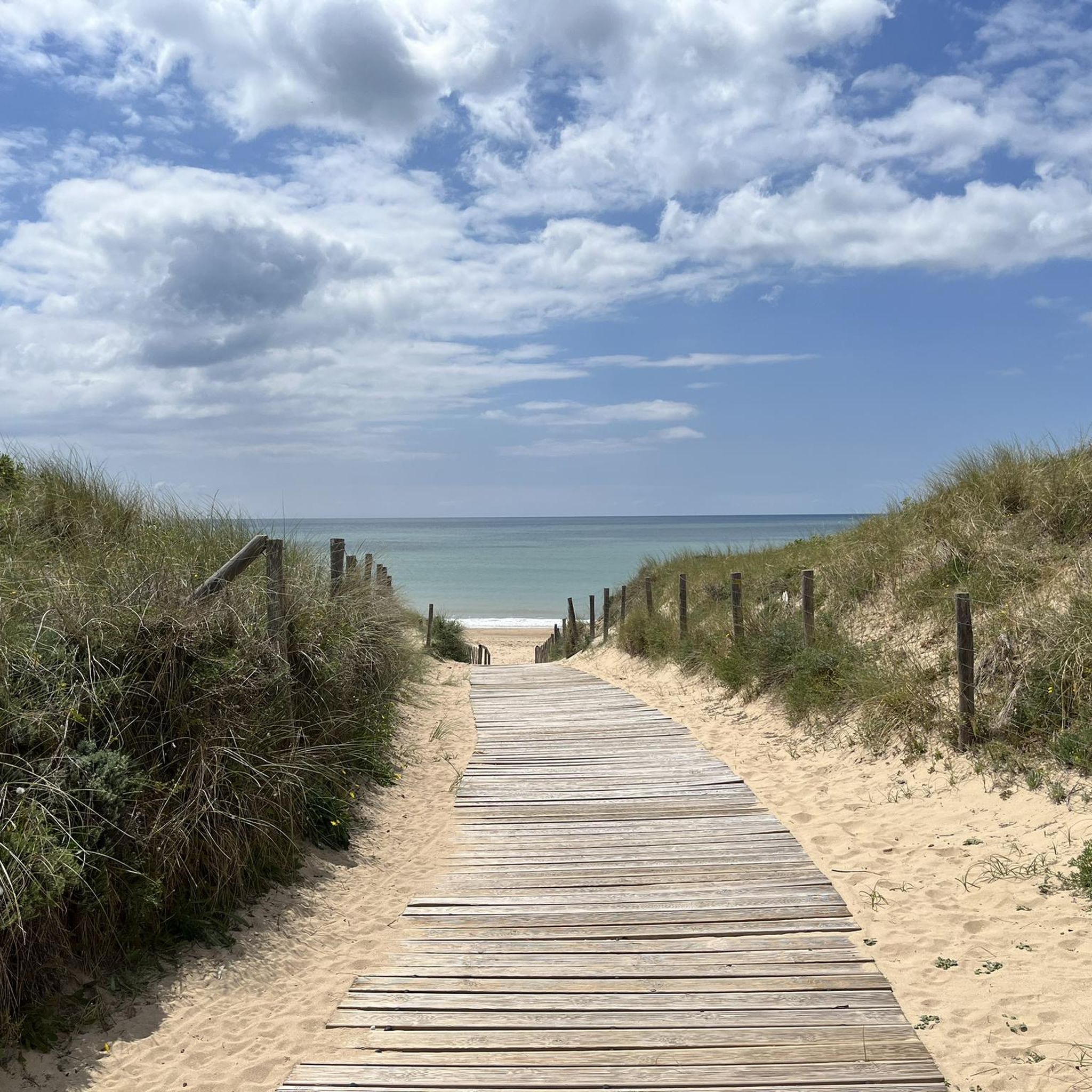
📍 Introducing the Gilet Cove The Gilet Cove is a small, natural beach on the oceanfront, located on Boulevard de la Conche de Gilet / Boulevard de la Falaise, in the town of Vaux-sur-Mer, just before Royan. 🌿 It's a sheltered, rocky cove, appreciated for its tranquility and more intimate setting compared to the larger urban beaches nearby. 🏖️ At high tide, the sea can completely cover this small beach, making the space very limited; at low tide, you can enjoy a patch of sand and rocks for relaxing or swimming. 🧭 Features & Tips 📍 Type of place: small, unsupervised beach, nestled among the rocks with sand and cliffs. 🏖️ Tides: access is best at low tide — at high tide the beach can disappear underwater. 🐶 Animals: prohibited from April 1st to September 30th (subject to municipal regulations). 👣 Access: via stairs from the boulevard above, surrounded by villas with sea views. 🚫 Lifeguard services: no lifeguard station or marked services. 📍 Location La Conche de Gilet is often considered the last small beach in Vaux-sur-Mer before reaching Royan/Pontaillac when following the coastline from Saint-Palais-sur-Mer.
0
0

In 1872, Doctor Guillon had egg-shaped bathtubs dug into the rocks of Bec des Brandes in Pontaillac, where the sea entered through an orifice and which were used to treat scrofula (common chronic infections of the skin and mucous membranes). They are still visible on the rocks near the Villa Les Roches.
0
0

Great park with a very nice café and a magnificent view over the sea.
0
0

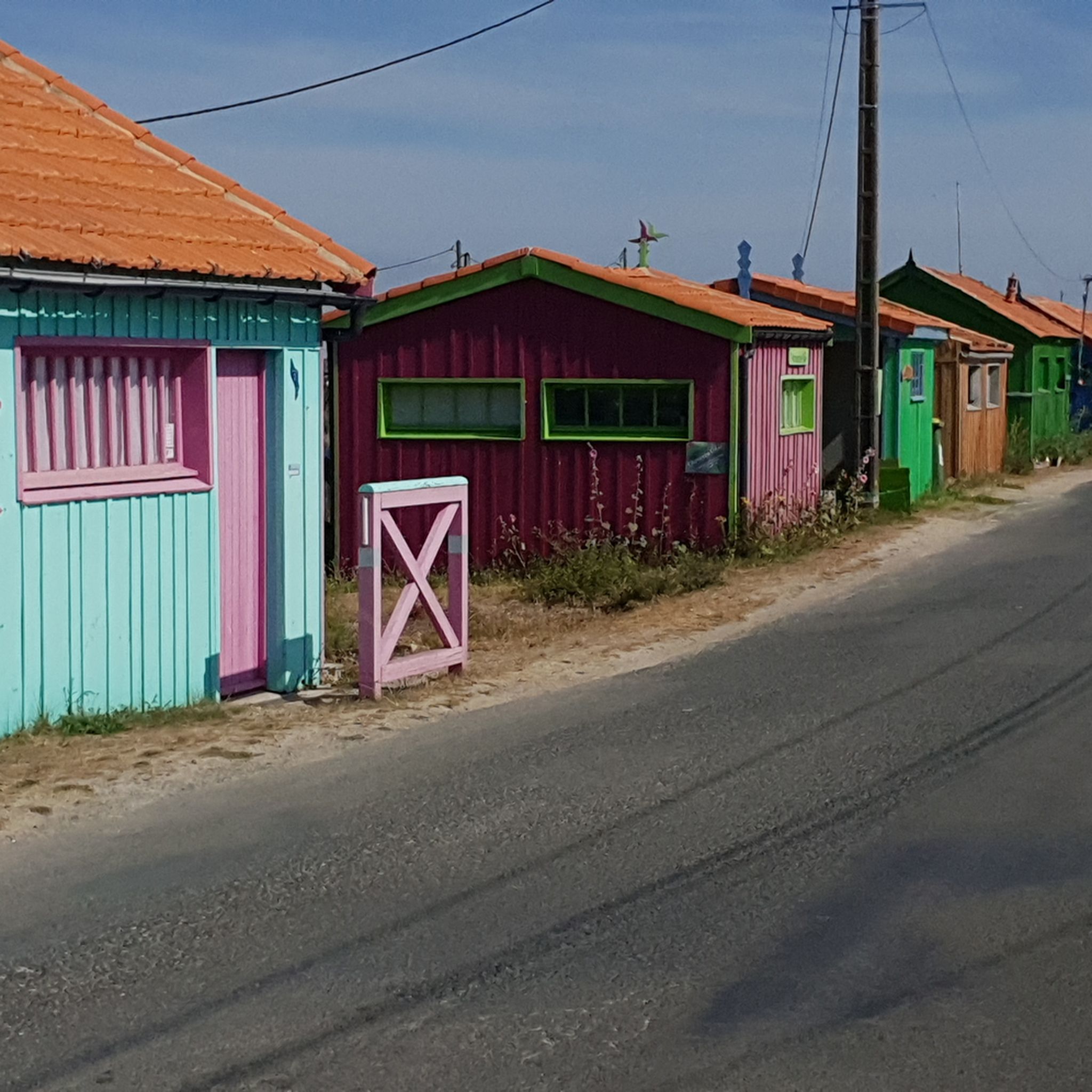
The Grand Marais of the island of Oléron is a wetland of great ecological and cultural importance. Marshes cover around 40% of the island of Oléron and are a crucial habitat for many species of birds and plants. They are also classified as Natura 2000 protected natural areas. These marshes are not only natural treasures but also witnesses to local history and traditions.
0
0

If you are looking for a quiet and shady place to relax, the Conche de Gilet is a natural gap in the rocks which offers a narrow and peaceful beach. Please note, however, that the beach is only accessible at low tide, as the sea completely covers it at high tide.
2
0
This nature center really offers you a fun and educational discovery of the region's fauna and flora. With a 55-meter high watchtower and an exhibition-discovery center, you will discover the history of the lighthouse of Cordouan, classified as a UNESCO World Heritage Site, as well as the biodiversity of the mouth of the estuary. from the Gironde. You can also sit and enjoy the cafe on site.
2
0

Superb point of view!
0
0
로슈포르 주변에서 가장 인기 있는 명소


찾고 계신 것을 찾지 못하셨나요?
지역별 최고의 하이라이트를 확인하여 로슈포르 주변의 더 놀라운 자연 기념물을 찾아보세요:
더 살펴보기
로슈포르 주변의 최고의 동굴을 찾기 위해 이 가이드를 확인해보세요:
